Izabela Steflja – författare
Visar alla böcker från författaren Izabela Steflja. Handla med fri frakt och snabb leverans.
5 produkter
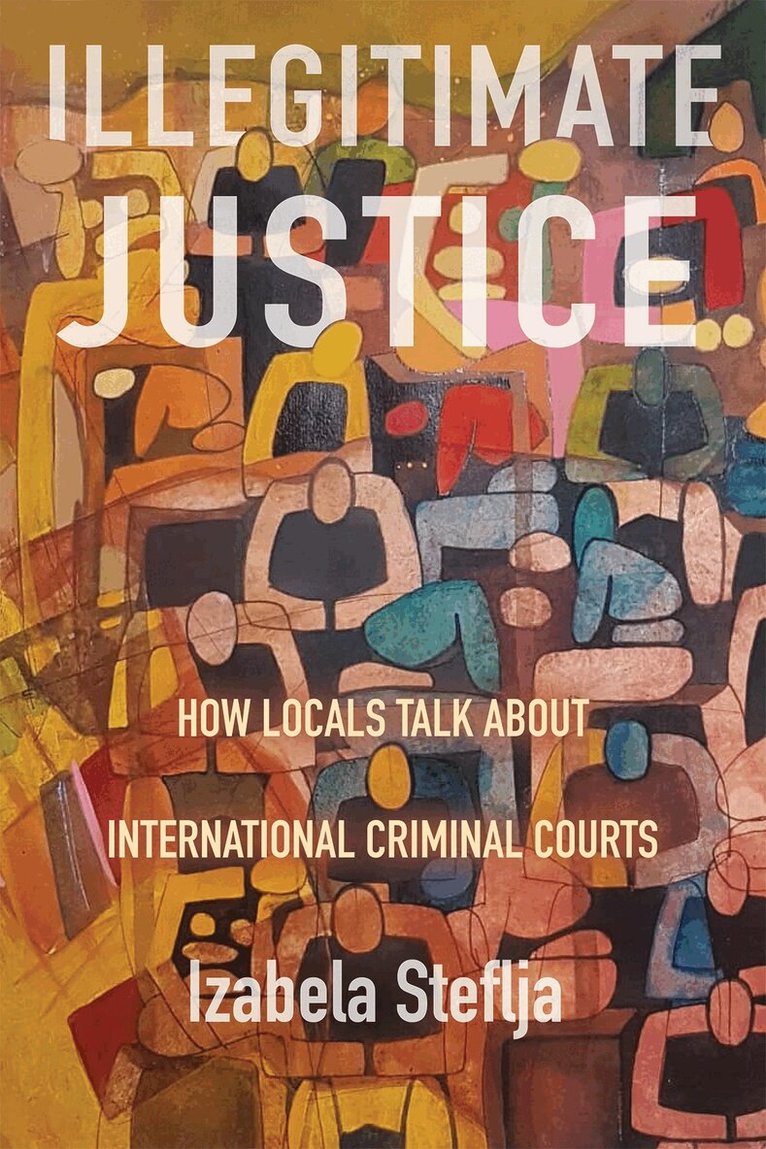
Illegitimate Justice
How Locals Talk About International Criminal Courts
Häftad, 2026
375 kr
Lägg i varukorg
International criminal courts exist to help countries and communities move forward after atrocities and to bring those accused of war crimes to justice. Yet local residents and witnesses often perceive them to lack political legitimacy.Drawn from extensive primary research in Rwanda, …
Illegitimate Justice
How Locals Talk About International Criminal Courts
E-bok, 2026
397 kr
Lägg i varukorg
International criminal courts exist to help countries and communities move forward after atrocities and to bring those accused of war crimes to justice. Yet local residents and witnesses often perceive them to lack political legitimacy.Drawn from extensive primary research in Rwanda, …
Illegitimate Justice
How Locals Talk About International Criminal Courts
E-bok, 2026
397 kr
Lägg i varukorg
International criminal courts exist to help countries and communities move forward after atrocities and to bring those accused of war crimes to justice. Yet local residents and witnesses often perceive them to lack political legitimacy.Drawn from extensive primary research in Rwanda, …
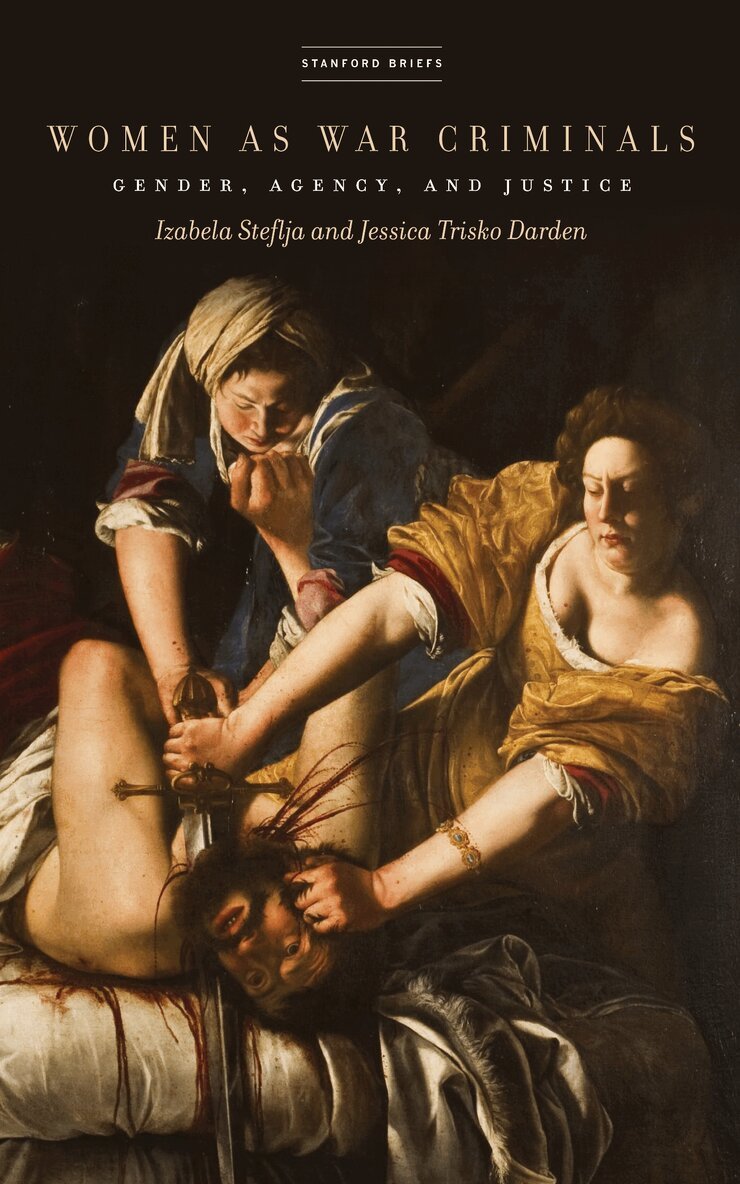
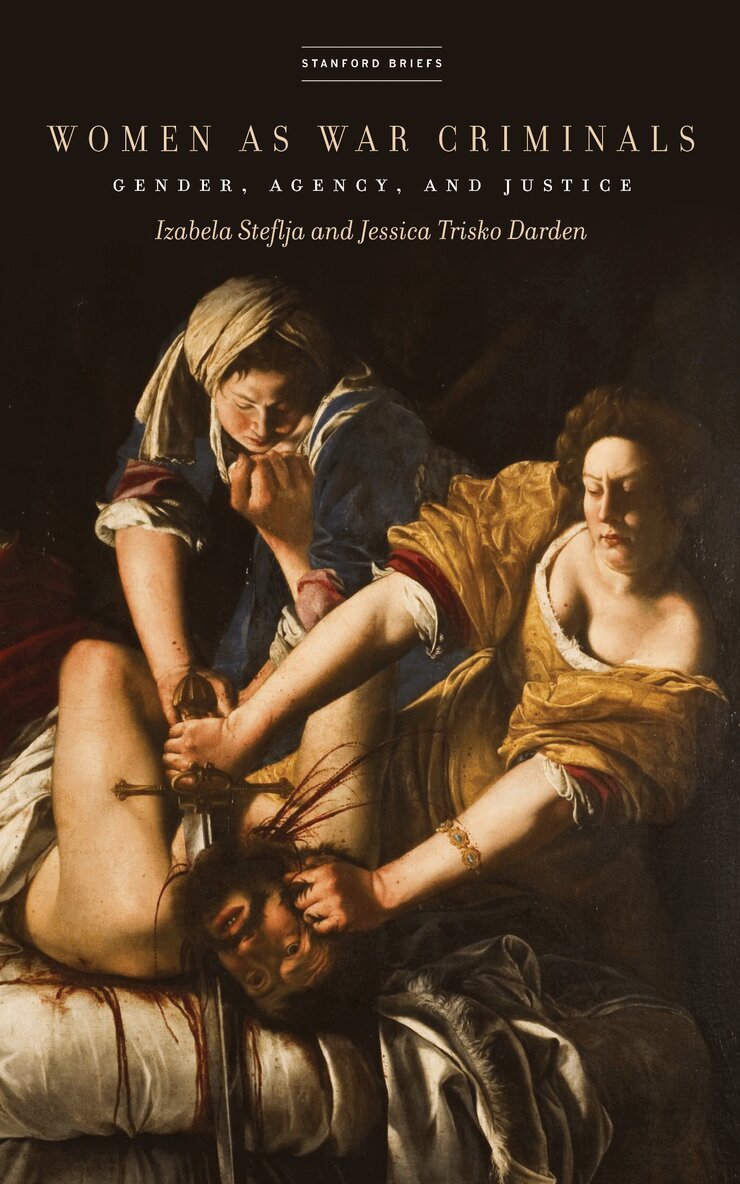
Women As War Criminals
Gender, Agency, and Justice
Av Izabela Steflja, Jessica Trisko Darden
Häftad, 2020
172 kr
Lägg i varukorg
Women war criminals are far more common than we think. From the Holocaust to ethnic cleansing in the Balkans to the Rwandan genocide, women have perpetrated heinous crimes. Few have been punished. These women go unnoticed because their very existence challenges our assumptions about war and about …
Women As War Criminals
Gender, Agency, and Justice
Av Izabela Steflja, Jessica Trisko Darden
E-bok, 2020
16 kr
Lägg i varukorg
Women war criminals are far more common than we think. From the Holocaust to ethnic cleansing in the Balkans to the Rwandan genocide, women have perpetrated heinous crimes. Few have been punished. These women go unnoticed because their very existence challenges our assumptions about war and about …