J. Bergsma – författare
Visar alla böcker från författaren J. Bergsma. Handla med fri frakt och snabb leverans.
5 produkter
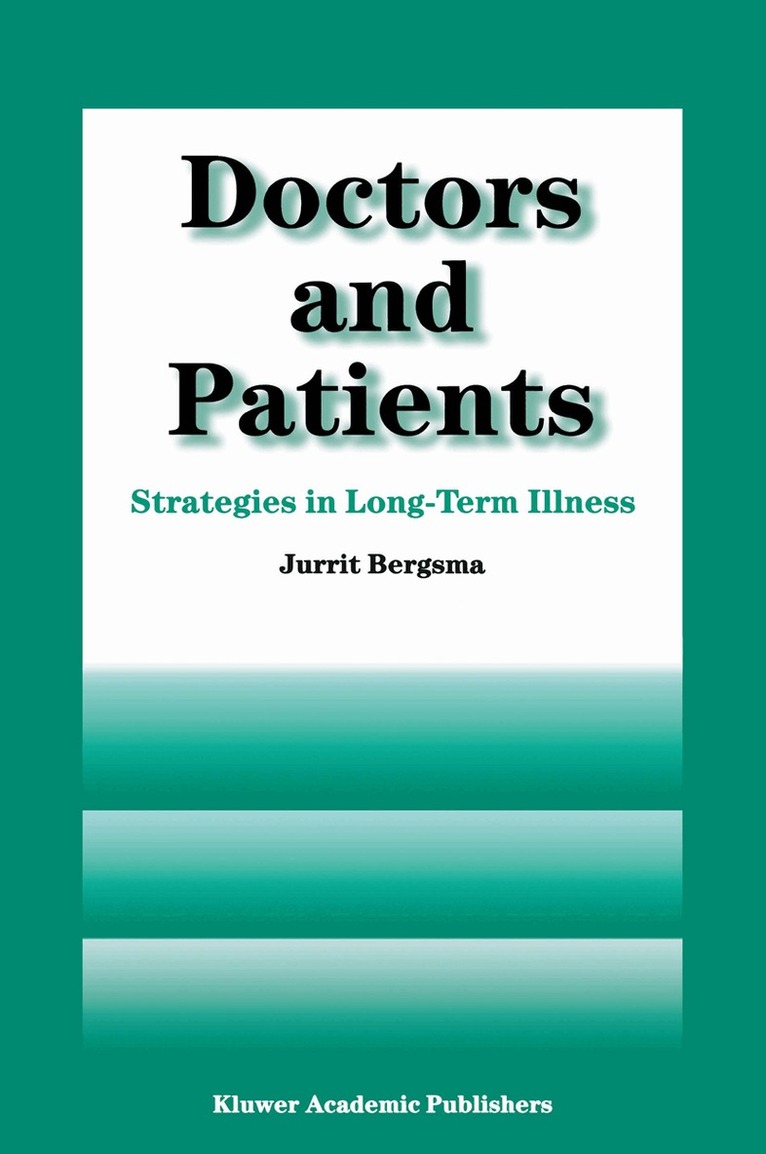
Doctors and Patients
Strategies in Long-term Illness
Av J. Bergsma
Häftad, 1997
569 kr
Lägg i varukorg
Patients have personal strategies in solving the problems concerning their illness. Doctors have personal and professional strategies in solving the problems with their patients. This book explores the problematic triangle between doctors, patients and the illness, using illustrations from internal …
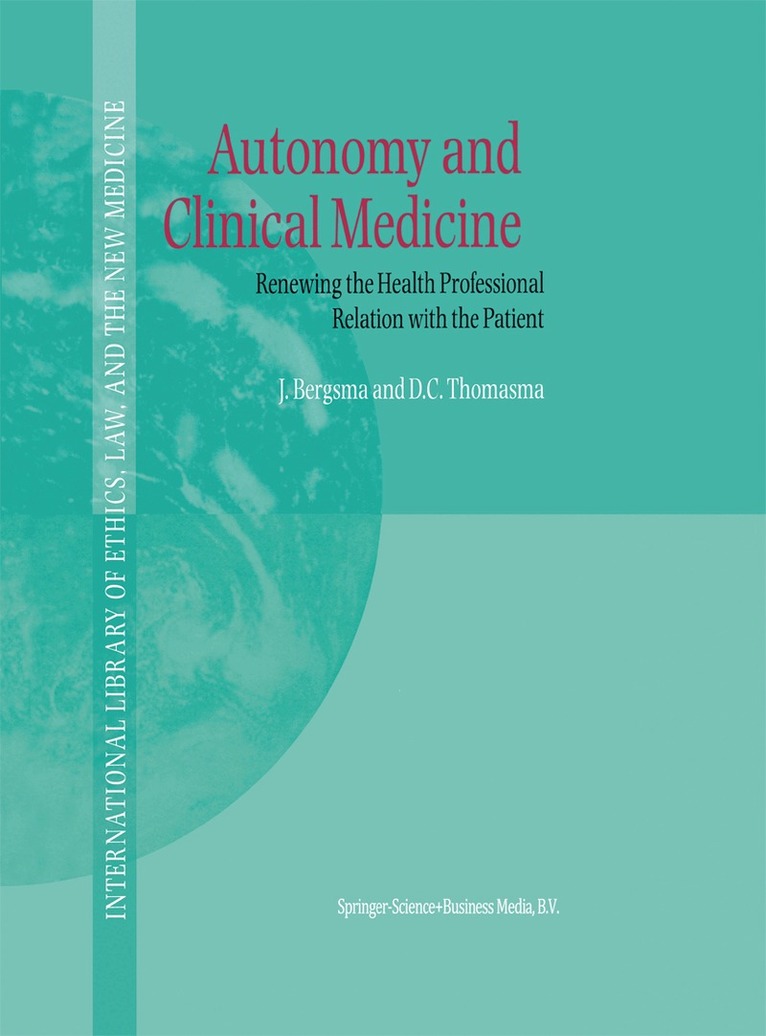
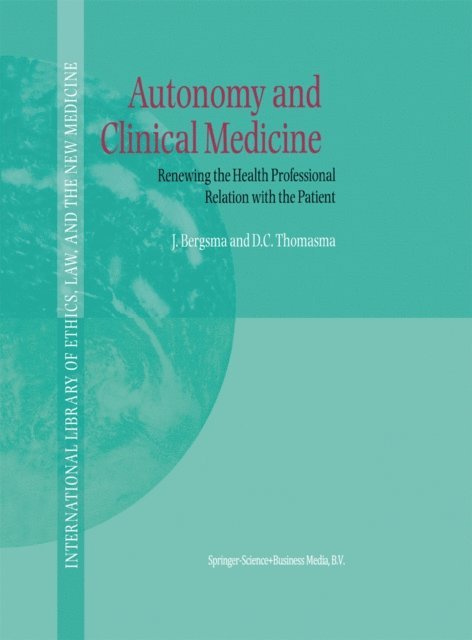
Autonomy and Clinical Medicine
Renewing the Health Professional Relation with the Patient
Av J. Bergsma, David C. Thomasma
Inbunden, 2000
1098 kr
Lägg i varukorg
This book arises from a two-fold conviction. The first is that autonomy, despite recent critiques about its importance in bioethics and philosophy of medicine, and the traditional resistance of medicine to its "intrusion" into the doctor-patient relation, is a fundamental building block of an …
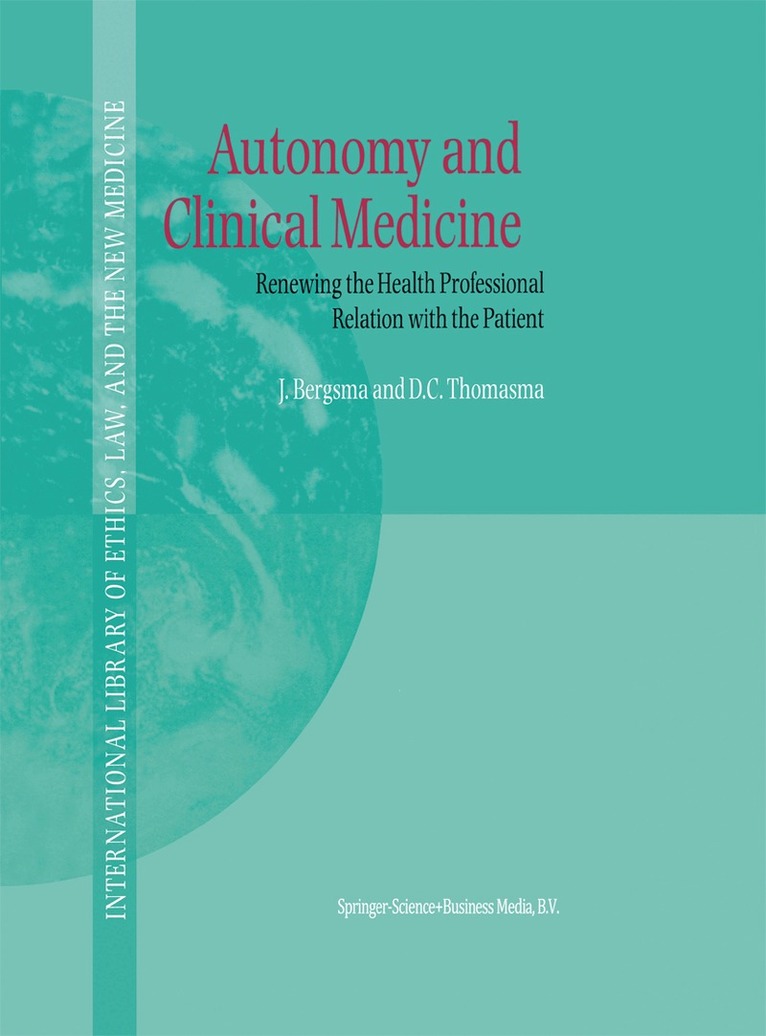
Autonomy and Clinical Medicine
Renewing the Health Professional Relation with the Patient
Av J. Bergsma, David C. Thomasma
Häftad, 2010
1098 kr
Lägg i varukorg
This book arises from a two-fold conviction. The first is that autonomy, despite recent critiques about its importance in bioethics and philosophy of medicine, and the traditional resistance of medicine to its "intrusion" into the doctor-patient relation, is a fundamental building block of an …
Doctors and Patients
Strategies in Long-term Illness
Av J. Bergsma
E-bok, 2012
718 kr
Lägg i varukorg
Patients have personal strategies in solving the problems concerning their illness. Doctors have personal and professional strategies in solving the problems with their patients. This book explores the problematic triangle between doctors, patients and the illness, using illustrations from internal …
Autonomy and Clinical Medicine
Renewing the Health Professional Relation with the Patient
Av David C. Thomasma, J. Bergsma
E-bok, 2013
1427 kr
Lägg i varukorg
This book arises from a two-fold conviction. The first is that autonomy, despite recent critiques about its importance in bioethics and philosophy of medicine, and the traditional resistance of medicine to its "intrusion" into the doctor-patient relation, is a fundamental building block of an …