J. Brett Hill - Böcker
Visar alla böcker från författaren J. Brett Hill. Handla med fri frakt och snabb leverans.
4 produkter
4 produkter
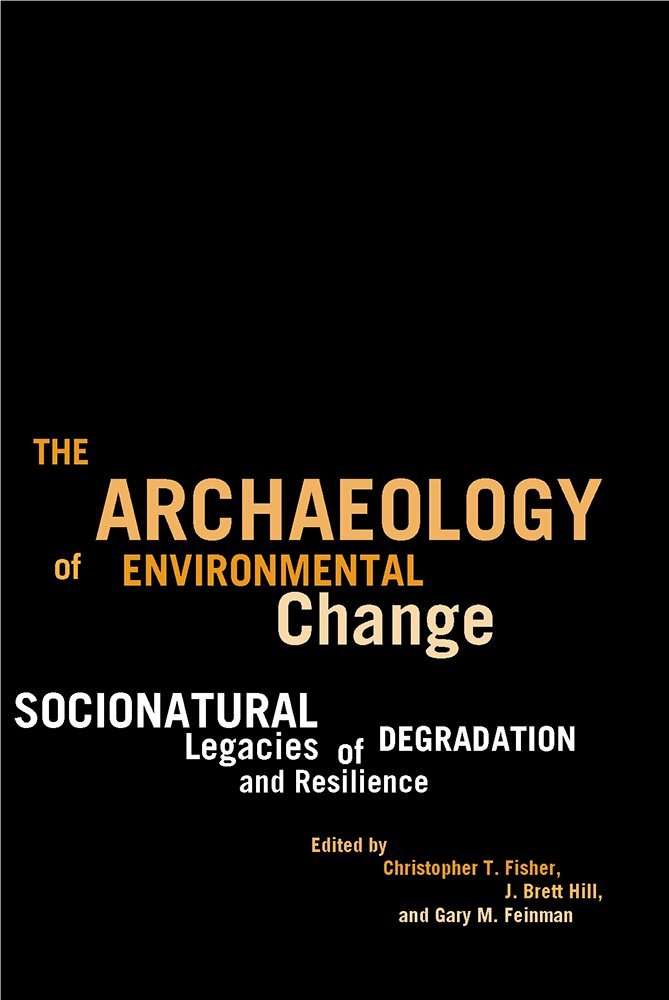
Archaeology of Environmental Change
Socionatural Legacies of Degradation and Resilience
Häftad, Engelska, 2012
610 kr
Skickas inom 3-6 vardagar
Water management, soil conservation, sustainable animal husbandry . . . because such socio-environmental challenges have been faced throughout history, lessons from the past can often inform modern policy. In this book, case studies from a wide range of times and places reveal how archaeology can contribute to a better understanding of humans' relation to the environment. The Archaeology of Environmental Change shows that the challenges facing humanity today, in terms of causing and reacting to environmental change, can be better approached through an attempt to understand how societies in the past dealt with similar circumstances. The contributors draw on archaeological research in multiple regions--North America, Mesoamerica, Europe, the Near East, and Africa--from time periods spanning the Holocene, and from environments ranging from tropical forest to desert. Through such examples as environmental degradation in Transjordan, wildlife management in East Africa, and soil conservation among the ancient Maya, they demonstrate the negative effects humans have had on their environments and how societies in the past dealt with these same problems. All call into question and ultimately refute popular notions of a simple cause-and-effect relationship between people and their environment, and reject the notion of people as either hapless victims of unstoppable forces or inevitable destroyers of natural harmony. These contributions show that by examining long-term trajectories of socio-natural relationships we can better define concepts such as sustainability, land degradation, and conservation--and that gaining a more accurate and complete understanding of these connections is essential for evaluating current theories and models of environmental degradation and conservation. Their insights demonstrate that to understand the present environment and to manage landscapes for the future, we must consider the historical record of the total sweep of anthropogenic environmental change.
Archaeology of Environmental Change
Socionatural Legacies of Degradation and Resilience
Inbunden, Engelska, 2009
1 062 kr
Skickas inom 3-6 vardagar
Water management, soil conservation, sustainable animal husbandry…because such socio-environmental challenges have been faced throughout history, lessons from the past can often inform modern policy. In this book, case studies from a wide range of times and places reveal how archaeology can contribute to a better understanding of humans' relation to the environment.The Archaeology of Environmental Change shows that the challenges facing humanity today, in terms of causing and reacting to environmental change, can be better approached through an attempt to understand how societies in the past dealt with similar circumstances. The contributors draw on archaeological research in multiple regions—North America, Mesoamerica, Europe, the Near East, and Africa—from time periods spanning the Holocene, and from environments ranging from tropical forest to desert.Through such examples as environmental degradation in Transjordan, wildlife management in East Africa, and soil conservation among the ancient Maya, they demonstrate the negative effects humans have had on their environments and how societies in the past dealt with these same problems. All call into question and ultimately refute popular notions of a simple cause-and-effect relationship between people and their environment, and reject the notion of people as either hapless victims of unstoppable forces or inevitable destroyers of natural harmony.These contributions show that by examining long-term trajectories of socio-natural relationships we can better define concepts such as sustainability, land degradation, and conservation—and that gaining a more accurate and complete understanding of these connections is essential for evaluating current theories and models of environmental degradation and conservation. Their insights demonstrate that to understand the present environment and to manage landscapes for the future, we must consider the historical record of the total sweep of anthropogenic environmental change.
1 314 kr
Skickas inom 10-15 vardagar
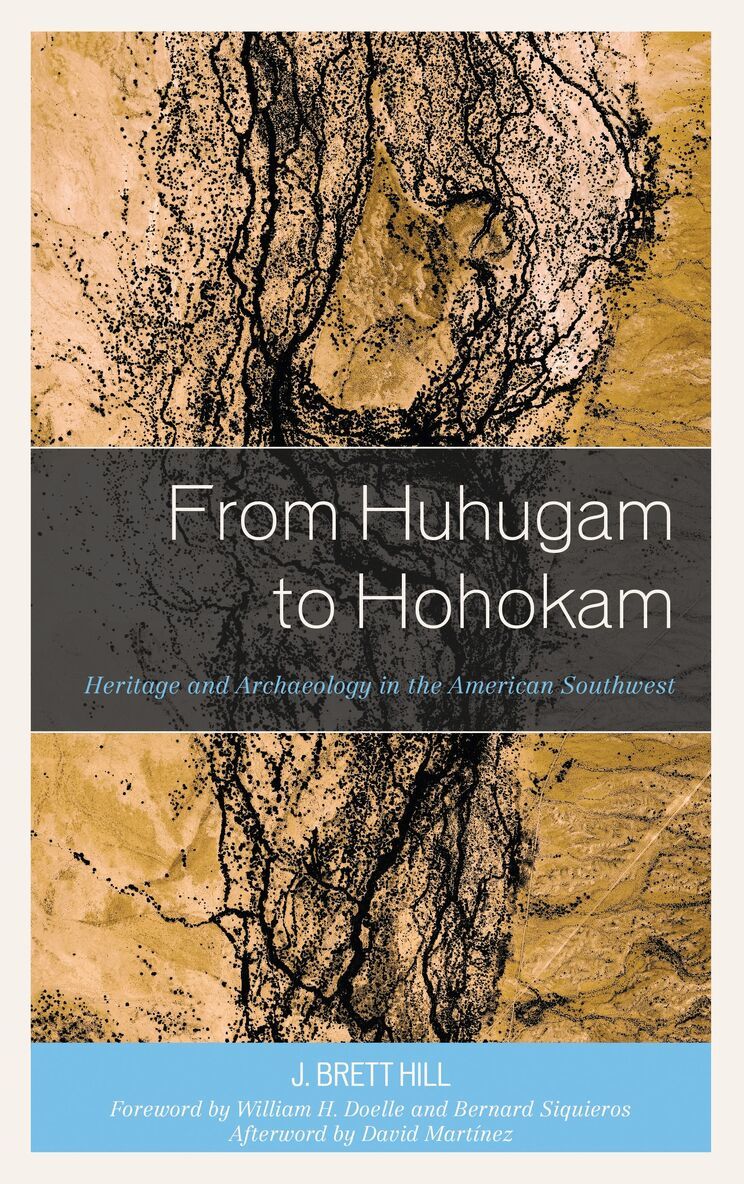
In From Huhugam to Hohokam: Heritage and Archaeology in the American Southwest, J. Brett Hill examines the history of O’odham heritage as it was recorded at the beginning of European conquest. A parallel history of scientific exploration is then traced forward to produce intricate models of the coming and going of ancient peoples. Throughout this history, Native accounts were routinely dismissed as an inferior kind of knowledge. More recently, though, a revolutionary change has taken hold in archaeology as Native insights and premises are integrated into scientific thought. Integration was once suspected of undermining basic principles of knowledge, but J. Brett Hill contends that it provides a deeper and more accurate sense of the connection between living and ancient people. Hill combines three decades of experience in archaeology with a liberal arts perspective to produce something for readers at all levels in the fields of anthropology, Native American studies, history, museum studies, and other heritage disciplines
530 kr
Skickas inom 10-15 vardagar
In From Huhugam to Hohokam: Heritage and Archaeology in the American Southwest, J. Brett Hill examines the history of O’odham heritage as it was recorded at the beginning of European conquest. A parallel history of scientific exploration is then traced forward to produce intricate models of the coming and going of ancient peoples. Throughout this history, Native accounts were routinely dismissed as an inferior kind of knowledge. More recently, though, a revolutionary change has taken hold in archaeology as Native insights and premises are integrated into scientific thought. Integration was once suspected of undermining basic principles of knowledge, but J. Brett Hill contends that it provides a deeper and more accurate sense of the connection between living and ancient people. Hill combines three decades of experience in archaeology with a liberal arts perspective to produce something for readers at all levels in the fields of anthropology, Native American studies, history, museum studies, and other heritage disciplines