

Inbunden, Engelska, 2000
1 102 kr
Skickas inom 10-15 vardagar
This book argues that correspondence theories of truth fail because the relation which holds between a true thought and a fact is that of identity, not correspondence.
1 102 kr
Skickas inom 10-15 vardagar
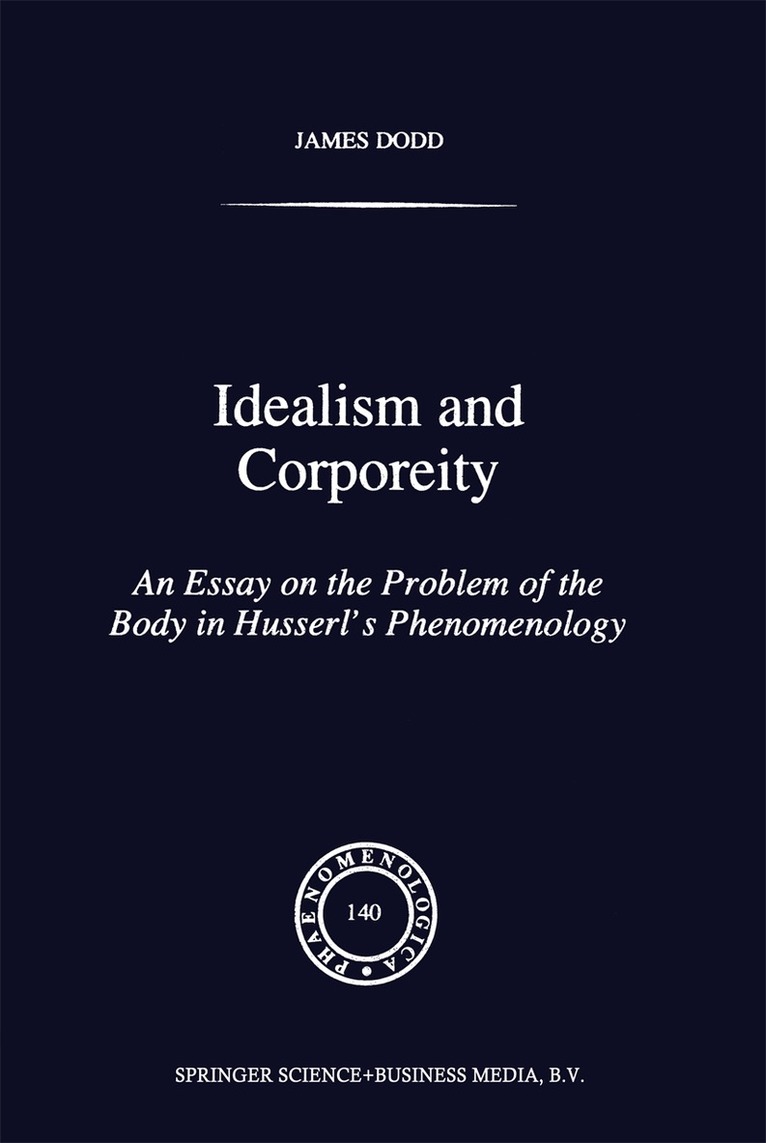
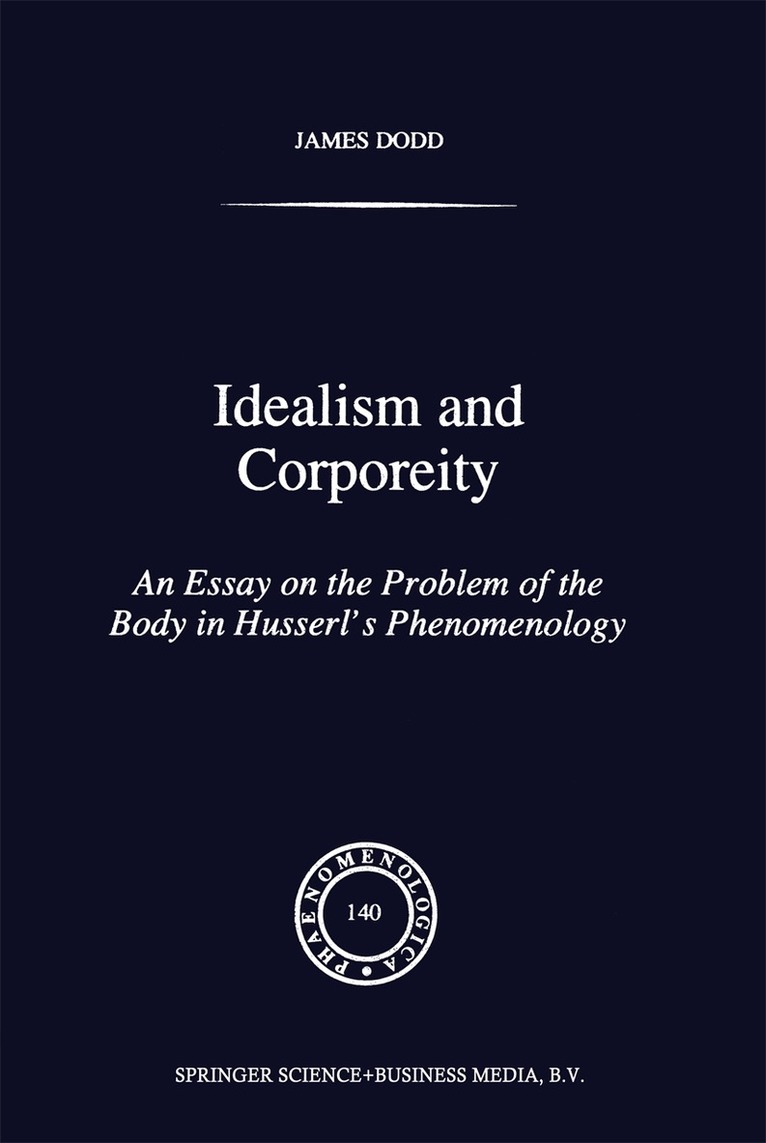
An Essay on the Problem of the Body in Husserl’s Phenomenology
1 105 kr
Skickas inom 10-15 vardagar

396 kr
Skickas inom 3-6 vardagar
1 516 kr
Läs direkt efter köp
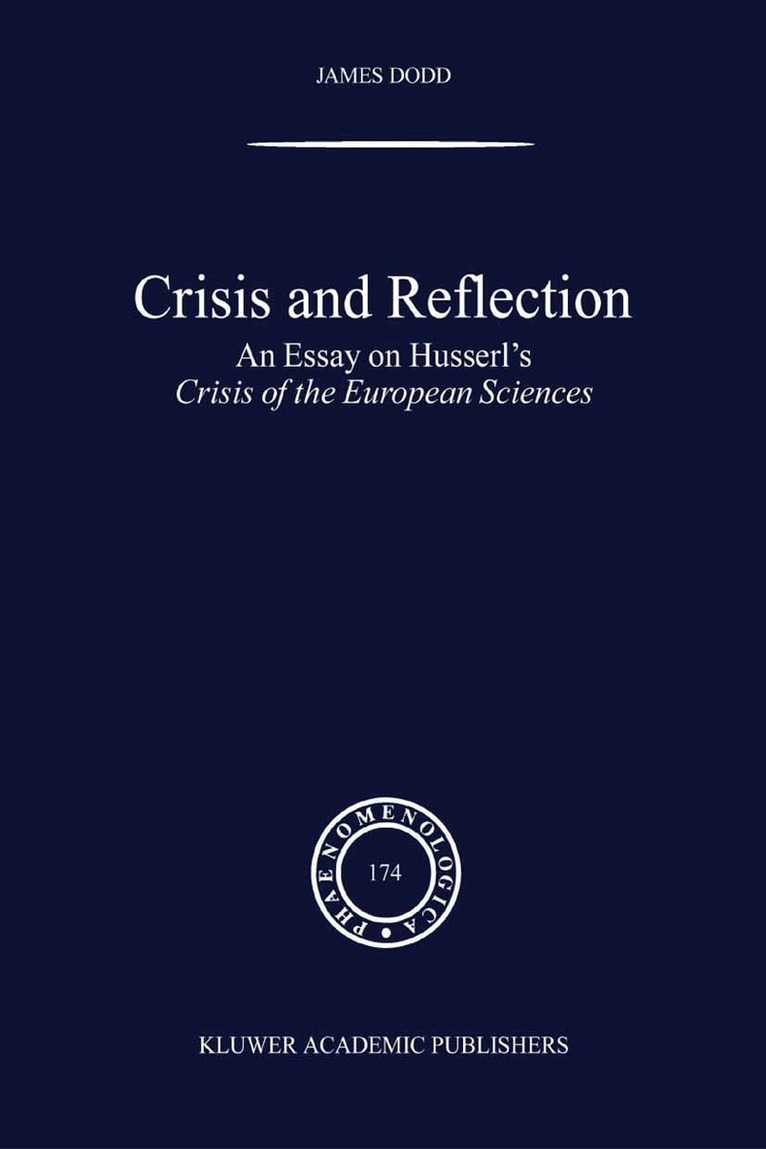
An Essay on Husserl's Crisis of the European Sciences
1 102 kr
Skickas inom 10-15 vardagar
1 427 kr
Läs direkt efter köp
In his last work, "Crisis of the European Sciences and Transcendental Phenomenology", Edmund Husserl formulated a radical new approach to phenomenological philosophy. Unlike his previous works, in the "Crisis" Husserl embedded this formulation in an ambitious reflection on the essence and value of the idea of rational thought and culture, a reflection that he considered to be an urgent necessity in light of the political, social, and intellectual crisis of the interwar period. In this book, James Dodd pursues an interpretation of Husserl''s text that emphasizes the importance of the problem of the origin of philosophy, as well as advances the thesis that, for Husserl, the "crisis of reason" is not a contingent historical event, but a permanent feature of a life in reason generally.
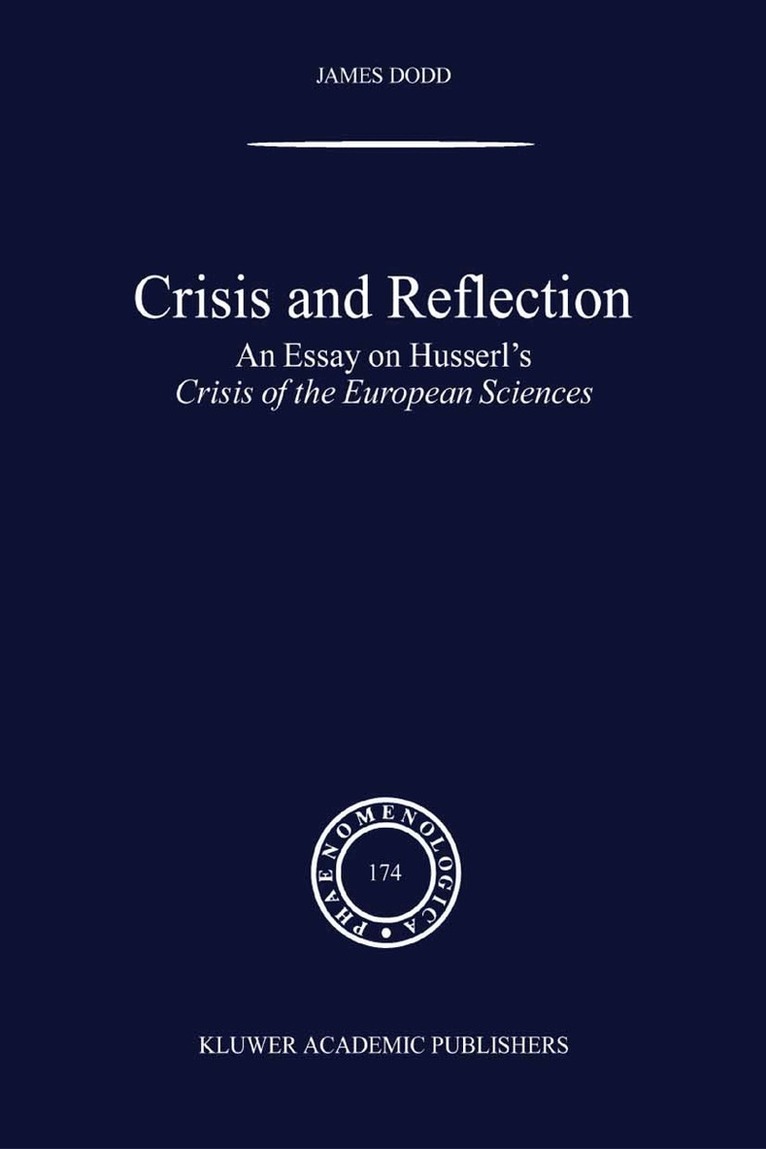
An Essay on Husserl's Crisis of the European Sciences
1 105 kr
Skickas inom 10-15 vardagar
1 102 kr
Skickas inom 10-15 vardagar
1 427 kr
Läs direkt efter köp
1 102 kr
Skickas inom 10-15 vardagar
An Essay on the Problem of the Body in Husserl’s Phenomenology
1 105 kr
Skickas inom 10-15 vardagar
396 kr
Skickas inom 3-6 vardagar
1 516 kr
Läs direkt efter köp
An Essay on Husserl's Crisis of the European Sciences
1 102 kr
Skickas inom 10-15 vardagar
1 427 kr
Läs direkt efter köp
In his last work, "Crisis of the European Sciences and Transcendental Phenomenology", Edmund Husserl formulated a radical new approach to phenomenological philosophy. Unlike his previous works, in the "Crisis" Husserl embedded this formulation in an ambitious reflection on the essence and value of the idea of rational thought and culture, a reflection that he considered to be an urgent necessity in light of the political, social, and intellectual crisis of the interwar period. In this book, James Dodd pursues an interpretation of Husserl''s text that emphasizes the importance of the problem of the origin of philosophy, as well as advances the thesis that, for Husserl, the "crisis of reason" is not a contingent historical event, but a permanent feature of a life in reason generally.
An Essay on Husserl's Crisis of the European Sciences
1 105 kr
Skickas inom 10-15 vardagar
1 102 kr
Skickas inom 10-15 vardagar
1 427 kr
Läs direkt efter köp