J. G. Hawkes – författare
Visar alla böcker från författaren J. G. Hawkes. Handla med fri frakt och snabb leverans.
5 produkter
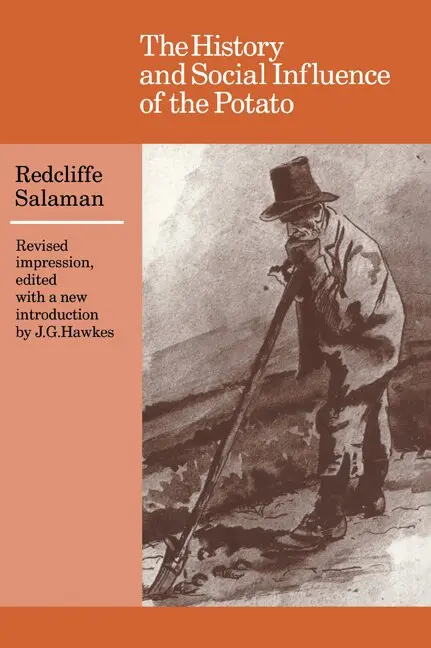
The History and Social Influence of the Potato
Av Redcliffe N. Salaman, J. G. Hawkes
Häftad, 1985
5,0 utav 5 stjärnor. Totalt antal röster: (1)
778 kr
Lägg i varukorg
First published in 1949, this remarkable book is the culmination of a life-long study of every aspect of the potato. Dr Salaman is concerned first with the history of the potato as a member of the botanical genus Solanum, its adaptation by man as a cultivated plant, and the record of its spread …
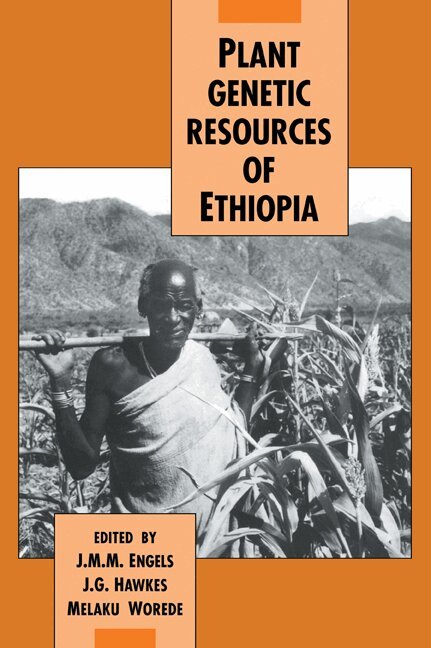
Plant Genetic Resources of Ethiopia
Av J. M. M. Engels, J. G. Hawkes m. fl.
Häftad, 2008
876 kr
Lägg i varukorg
One of the world centres of crop evolution and origin, Ethiopia has long been recognized as an important area of diversity for several major and various minor crops. Based on an international conference held in Addis Ababa, this book describes how this genetic diversity is of vital importance in …
Crop Genetic Resources for Today and Tomorrow
Av O. H. Frankel, J. G. Hawkes
Häftad, 2011
846 kr
Lägg i varukorg
This 1975 book deals with one of the world's fastest disappearing natural resources - the invaluable reservoir of genetic variability in our cultivated plants which have evolved since our forebears began to domesticate them some 10,000 years ago. The preservation of these 'genetic resources', as …
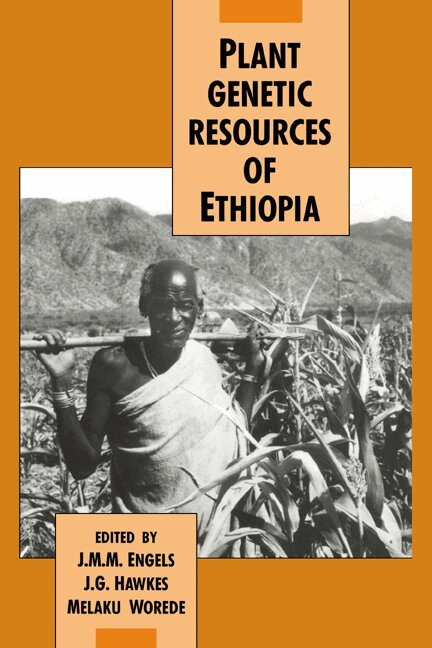
Plant Genetic Resources of Ethiopia
Av J. M. M. Engels, J. G. Hawkes m. fl.
Inbunden, 1991
2052 kr
Lägg i varukorg
One of the world centres of crop evolution and origin, Ethiopia has long been recognized as an important area of diversity for several major and various minor crops. Based on an international conference held in Addis Ababa, this book describes how this genetic diversity is of vital importance in …
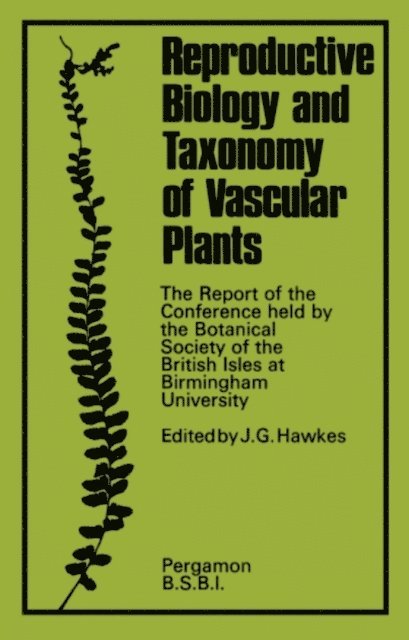
Reproductive Biology and Taxonomy of Vascular Plants
The Report of the Conference Held by the Botanical Society of the British Isles at Birmingham University in 1965
Av J. G. Hawkes
E-bok, 2013
367 kr
Lägg i varukorg
Reproductive Biology and Taxonomy of Vascular Plants is a collection of papers presented at the Conference on Reproductive Biology and Taxonomy of Vascular Plants, held at the Department of Botany, University of Birmingham on April 23-25, 1965. The conference primarily explores the reproductive …