J Kemeny – författare
Visar alla böcker från författaren J Kemeny. Handla med fri frakt och snabb leverans.
6 produkter
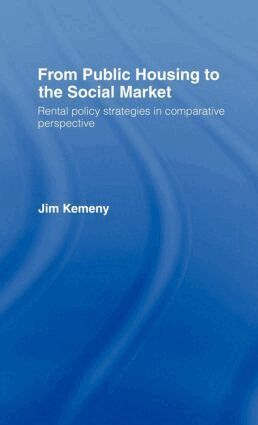
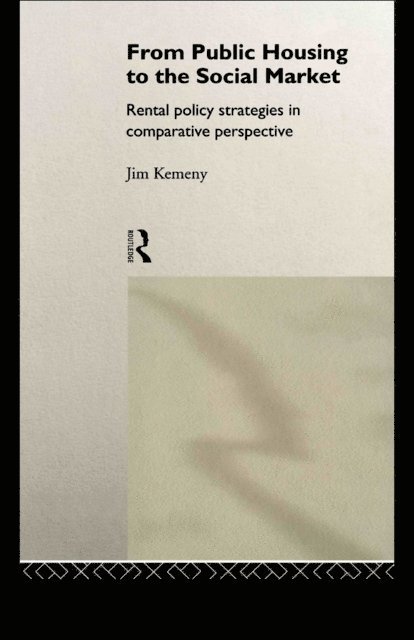
From Public Housing Soc Market
Av J Kemeny
Inbunden, 1994
3055 kr
Lägg i varukorg
Jim Kemeny develops a conceptual framework to present a critical study of comparative rental markets. The framework centres around the concept of the process of maturation of cost rental housing and two policies for handling this which have been adopted by industrial societies. These are, firstly, …
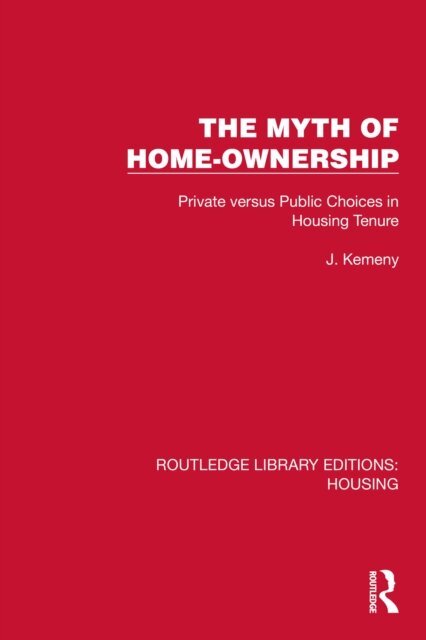
Myth of Home Ownership
Private versus Public Choices in Housing Tenure
Av J. Kemeny
E-bok, 2025
1000 kr
Lägg i varukorg
Originally published in 1981, in this controversial study Dr Kemeny aims to show that owner-occupation is not an inherently superior form of housing tenure to renting. He questions the overwhelming emphasis upon owner-occupation in English-speaking countries as reflected by most politicians and …
Myth of Home Ownership
Private versus Public Choices in Housing Tenure
Av J. Kemeny
E-bok, 2025
1000 kr
Lägg i varukorg
Originally published in 1981, in this controversial study Dr Kemeny aims to show that owner-occupation is not an inherently superior form of housing tenure to renting. He questions the overwhelming emphasis upon owner-occupation in English-speaking countries as reflected by most politicians and …
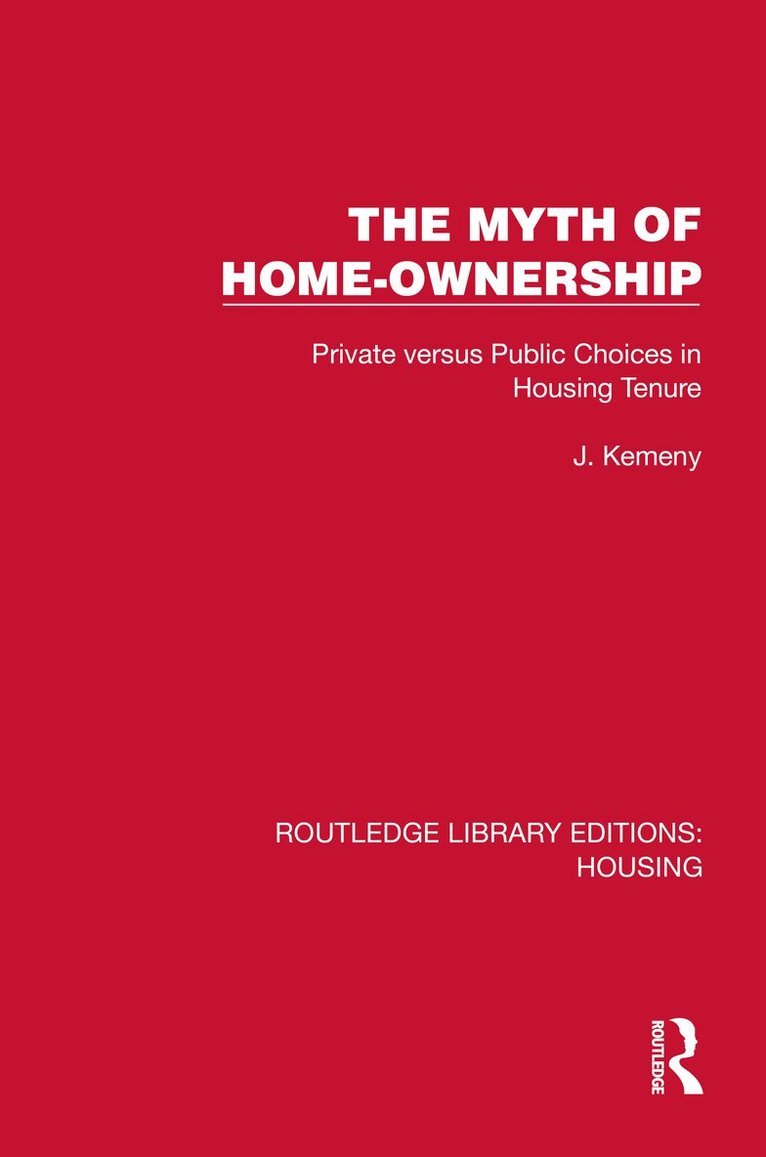
Myth of Home Ownership
Private versus Public Choices in Housing Tenure
Av J. Kemeny
Inbunden, 2025
1517 kr
Lägg i varukorg
Originally published in 1981, in this controversial study Dr Kemeny aims to show that owner-occupation is not an inherently superior form of housing tenure to renting. He questions the overwhelming emphasis upon owner-occupation in English-speaking countries as reflected by most politicians and …
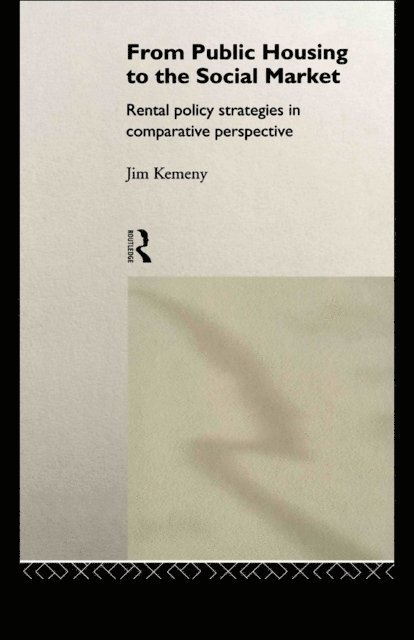
From Public Housing Soc Market
Av J Kemeny
E-bok, 2002
3473 kr
Lägg i varukorg
Jim Kemeny develops a conceptual framework to present a critical study of comparative rental markets. The framework centres around the concept of the process of maturation of cost rental housing and two policies for handling this which have been adopted by industrial societies. These are, firstly, …
From Public Housing Soc Market
Av J Kemeny
E-bok, 2002
3473 kr
Lägg i varukorg
Jim Kemeny develops a conceptual framework to present a critical study of comparative rental markets. The framework centres around the concept of the process of maturation of cost rental housing and two policies for handling this which have been adopted by industrial societies. These are, firstly, …