J. L. Mackie – författare
Visar alla böcker från författaren J. L. Mackie. Handla med fri frakt och snabb leverans.
10 produkter
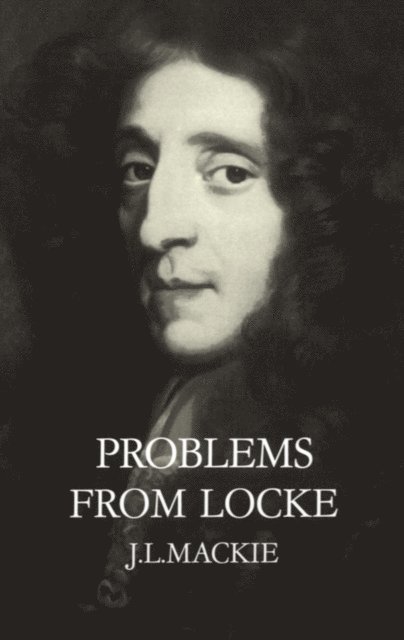
Problems from Locke
Av J. L. Mackie
E-bok, 1976
423 kr
Lägg i varukorg
J. L. Mackie selects for critical discussion six related topics which are prominent in John Locke''s Essay Concerning Human Understanding: the distinction between primary and secondary qualities; representative theories of perception; substance, real essence, and nominal essence; abstract ideas, …
Truth, Probability and Paradox
Studies in Philosophical Logic
Av J. L. Mackie
Inbunden, 1972
1555 kr
Lägg i varukorg
Classic work by one of the most brilliant figures in post-war analytic philosophy.
The Cement of the Universe
A Study of Causation
Av J. L. Mackie
Häftad, 1980
4,0 utav 5 stjärnor. Totalt antal röster: (1)
968 kr
Lägg i varukorg
Studies causation both as a concept and as it is 'in the objects.' Offers new accounts of the logic of singular causal statements, the form of causal regularities, the detection of causal relationships, the asymmetry of cause and effect, and necessary connection, and it relates causation to …
Selected Papers: Volume II: Persons and Values
Av J. L. Mackie, Joan and Penelope Mackie
Inbunden, 1985
2994 kr
Lägg i varukorg
This collection of John Mackie's papers on personal identity and topics in moral and political philosophy, some of which have not previously been published, deal with such issues as: multiple personality; the transcendental "I"; responsibility and language; aesthetic judgements; Sidgwick's …
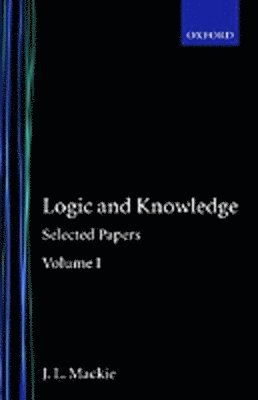
Selected Papers: Volume I: Logic and Knowledge
Av J. L. Mackie, Joan and Penelope Mackie
Inbunden, 1985
2902 kr
Lägg i varukorg
This collection of John Mackie's papers on topics in epistemology, some of which have not previously been published, deal with such issues as: incorrigible empirical statements; rationalism and empiricism; the philosophy of John Anderson; self-refutation; Plato's theory of idea; ideological …
The Miracle of Theism
Arguments for and against the Existence of God
Av J. L. Mackie
Häftad, 1982
612 kr
Lägg i varukorg
A Miracle of Theism
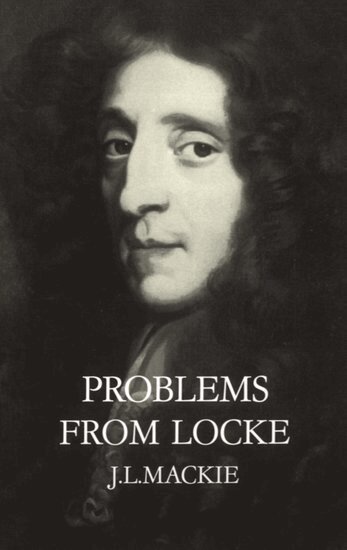
Problems from Locke
Av J. L. Mackie
Häftad, 1976
1143 kr
Lägg i varukorg
J. L. Mackie selects for critical discussion six related topics which are prominent in John Locke's Essay Concerning Human Understanding: the distinction between primary and secondary qualities; representative theories of perception; substance, real essence, and nominal essence; abstract ideas, …
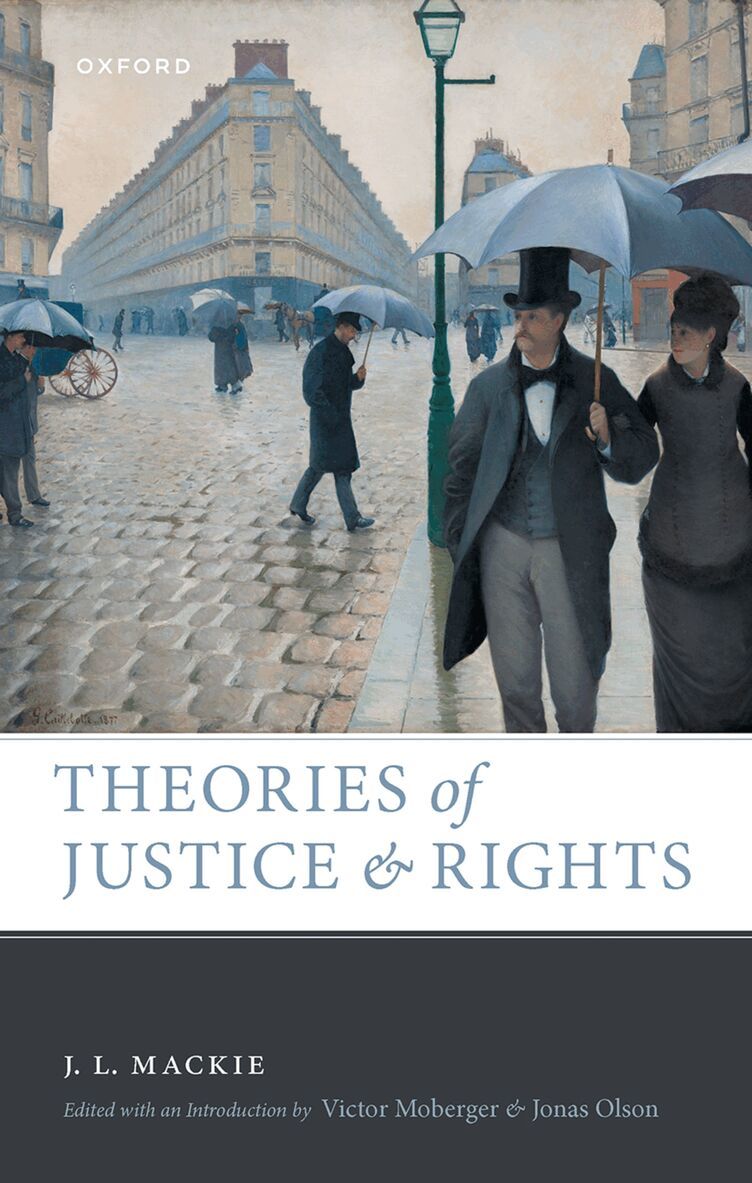
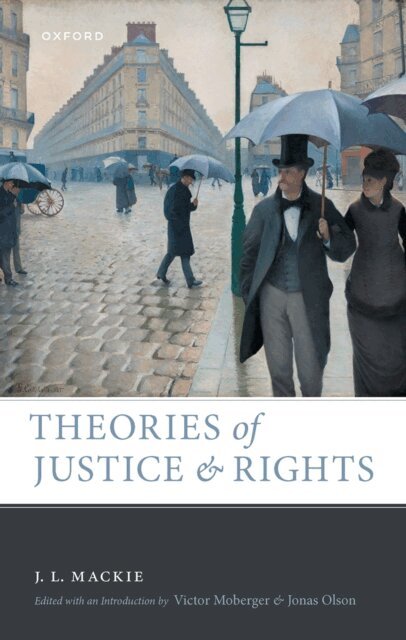
Theories of Justice and Rights
Av J. L. Mackie, Victor Moberger m. fl.
Inbunden, 2024
1162 kr
Lägg i varukorg
John Leslie Mackie (1917-1981) was one of the most influential philosophers of the twentieth century. His published works spanned many areas, but he is not well known as a political philosopher. In the late 1970s, however, Mackie turned his attention to issues concerning justice. In a series of …
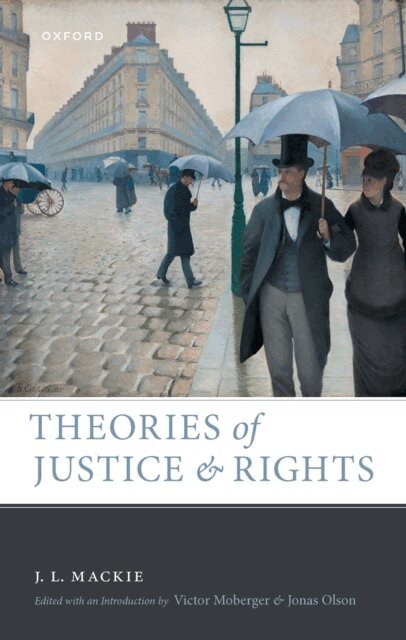
Theories of Justice and Rights
Av J. L. Mackie, Jonas Olson m. fl.
E-bok, 2024
1045 kr
Lägg i varukorg
John Leslie Mackie (1917-1981) was one of the most influential philosophers of the twentieth century. His published works spanned many areas, but he is not well known as a political philosopher. In the late 1970s, however, Mackie turned his attention to issues concerning justice. In a series of …
Theories of Justice and Rights
Av J. L. Mackie, Jonas Olson m. fl.
E-bok, 2024
1045 kr
Lägg i varukorg
John Leslie Mackie (1917-1981) was one of the most influential philosophers of the twentieth century. His published works spanned many areas, but he is not well known as a political philosopher. In the late 1970s, however, Mackie turned his attention to issues concerning justice. In a series of …