J. M. Fritzman – författare
Visar alla böcker från författaren J. M. Fritzman. Handla med fri frakt och snabb leverans.
6 produkter
Hegel
Inbunden, 2014
776 kr
Lägg i varukorg
GWF Hegel has long been considered one of the most influential and controversial thinkers of the nineteenth century, and his work continues to provoke debate in contemporary philosophy. This new book provides readers with an accessible introduction to Hegel’s thought, offering a lucid and highly …
Hegel
Häftad, 2014
245 kr
Lägg i varukorg
GWF Hegel has long been considered one of the most influential and controversial thinkers of the nineteenth century, and his work continues to provoke debate in contemporary philosophy. This new book provides readers with an accessible introduction to Hegel’s thought, offering a lucid and highly …
Hegel
E-bok, 2014
277 kr
Lägg i varukorg
GWF Hegel has long been considered one of the most influential and controversial thinkers of the nineteenth century, and his work continues to provoke debate in contemporary philosophy. This new book provides readers with an accessible introduction to Hegel’s thought, offering a lucid and highly …
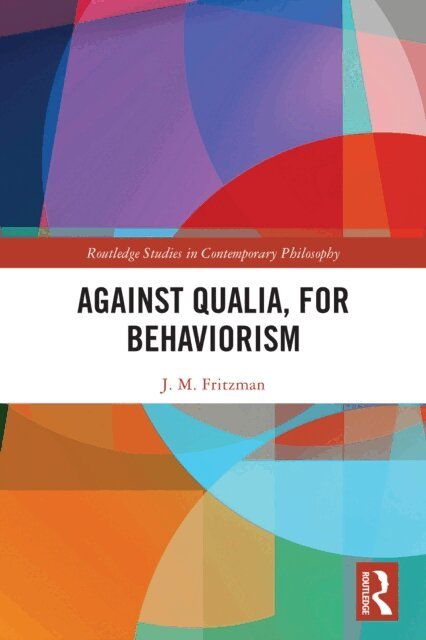
Against Qualia, For Behaviorism
E-bok, 2026
813 kr
Lägg i varukorg
This book argues that qualia do not exist, and there is no phenomenal consciousness. Furthermore, it articulates and defends holistic behaviorism."e;Qualia"e; or "e;phenomenal consciousness"e; refers to mental states that are supposedly ineffable, intrinsic, private, and directly or …
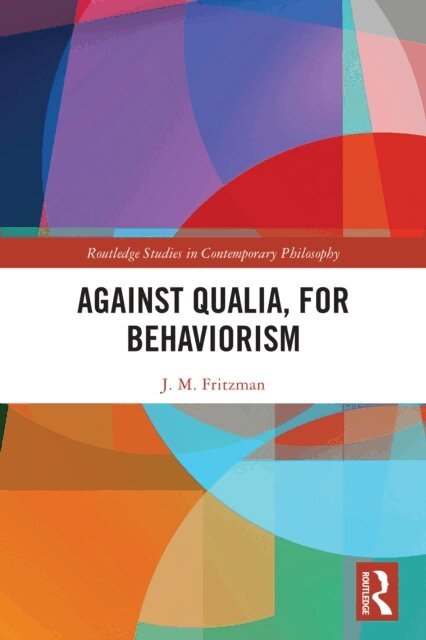
Against Qualia, For Behaviorism
E-bok, 2026
813 kr
Lägg i varukorg
This book argues that qualia do not exist, and there is no phenomenal consciousness. Furthermore, it articulates and defends holistic behaviorism."e;Qualia"e; or "e;phenomenal consciousness"e; refers to mental states that are supposedly ineffable, intrinsic, private, and directly or …
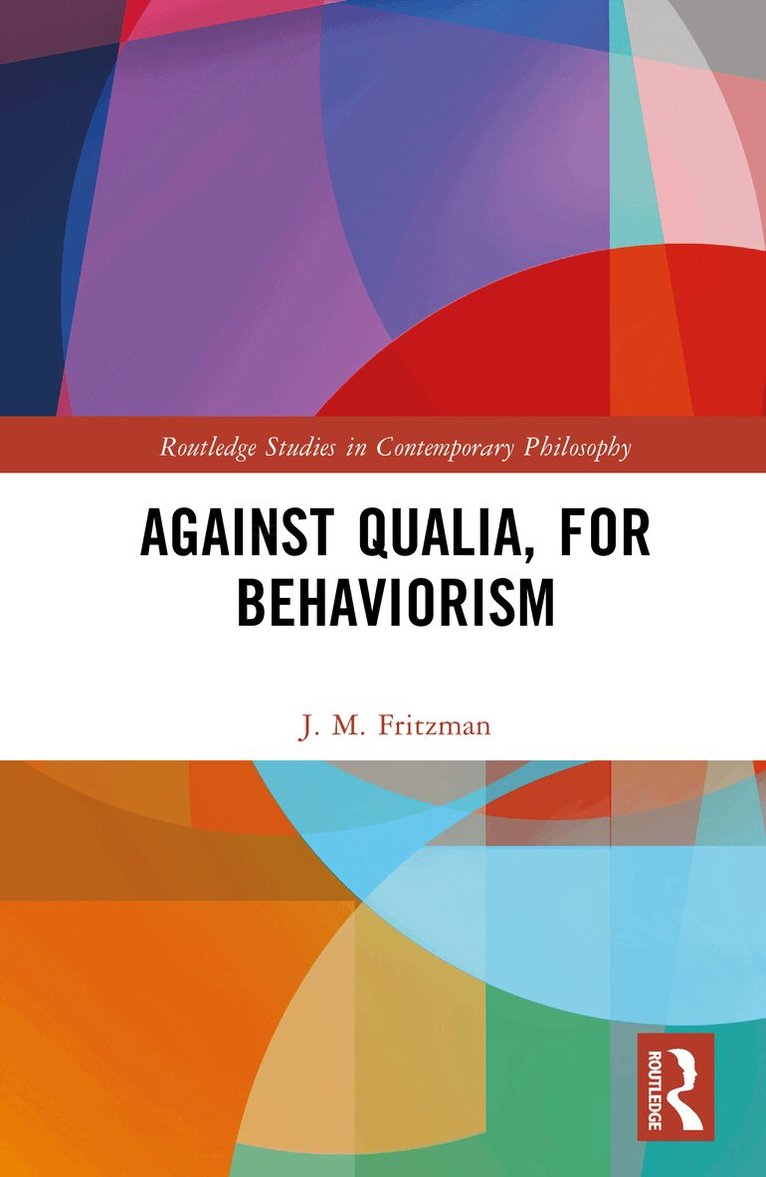
Against Qualia, For Behaviorism
Inbunden, 2026
2513 kr
Lägg i varukorg
This book argues that qualia do not exist, and there is no phenomenal consciousness. Furthermore, it articulates and defends holistic behaviorism.“Qualia” or “phenomenal consciousness” refers to mental states that are supposedly ineffable, intrinsic, private, and directly or immediately …