J. Patrice McSherry - Böcker
Visar alla böcker från författaren J. Patrice McSherry. Handla med fri frakt och snabb leverans.
6 produkter
6 produkter
420 kr
Skickas inom 10-15 vardagar
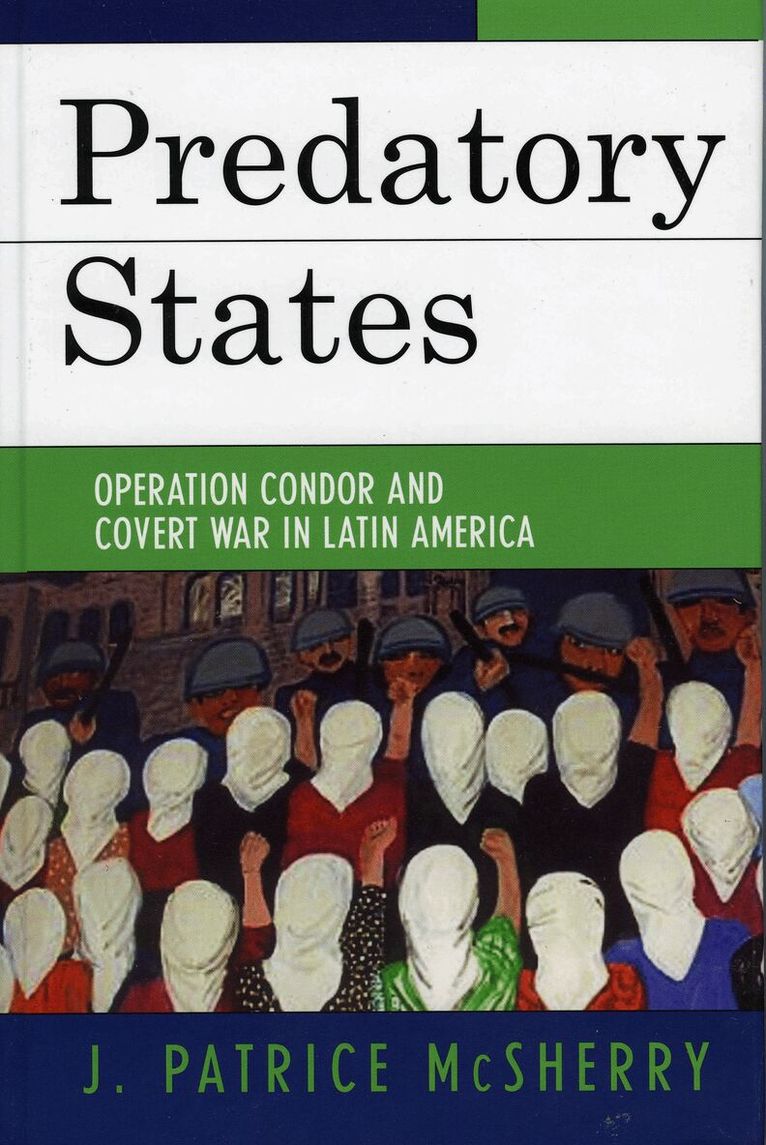
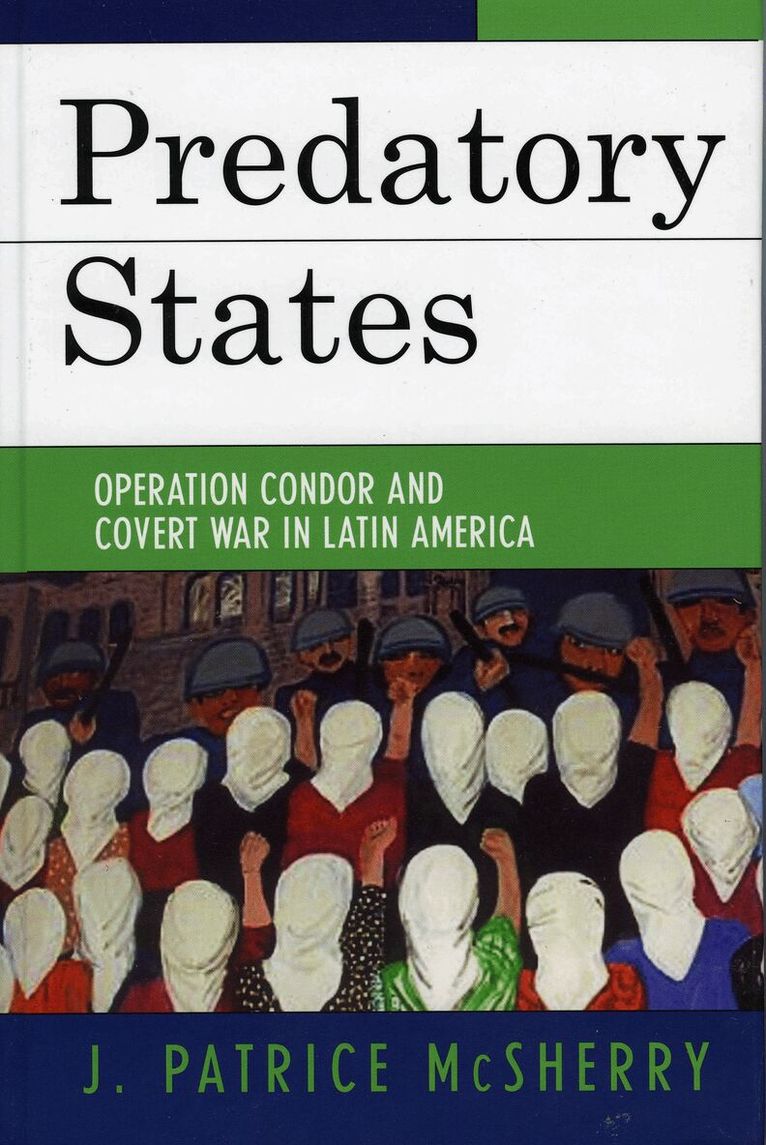
This powerful study makes a compelling case about the key U.S. role in state terrorism in Latin America during the Cold War. Long hidden from public view, Operation Condor was a military network created in the 1970s to eliminate political opponents of Latin American regimes. Its key members were the anticommunist dictatorships of Chile, Argentina, Uruguay, Bolivia, Paraguay, and Brazil, later joined by Peru and Ecuador, with covert support from the U.S. government. Drawing on a wealth of testimonies, declassified files, and Latin American primary sources, J. Patrice McSherry examines Operation Condor from numerous vantage points: its secret structures, intelligence networks, covert operations against dissidents, political assassinations worldwide, commanders and operatives, links to the Pentagon and the CIA, and extension to Central America in the 1980s. The author convincingly shows how, using extralegal and terrorist methods, Operation Condor hunted down, seized, and executed political opponents across borders. McSherry argues that Condor functioned within, or parallel to, the structures of the larger inter-American military system led by the United States, and that declassified U.S. documents make clear that U.S. security officers saw Condor as a legitimate and useful 'counterterror' organization. Revealing new details of Condor operations and fresh evidence of links to the U.S. security establishment, this controversial work offers an original analysis of the use of secret, parallel armies in Western counterinsurgency strategies. It will be a clarion call to all readers to consider the long-term consequences of clandestine operations in the name of 'democracy.'
1 684 kr
Skickas inom 5-8 vardagar
The Iraq Papers will be the most comprehensive and best-organized document collection of America's misadventure in Iraq. The editors have organized the book around the concept of pre-emption, a policy that represented a significant break with past American foreign policy. The editors locate the intellectual origins of pre-emption in neoconservative writings from the early 1990s, and then trace how the logic of pre-emption played out across a number of arenas in the first decade of the twenty first century: the war itself, America's relationship with its allies and the UN, its dealings with Iraqi society and successive Iraqi governments after 2003, and domestic policy in the Bush-era United States. They close with a chapter on the limits of American policy as it moves into the Obama era. There are eleven chapters in total, and ten will feature a representative selection of the most important documents relating to the origins of the war-including prominent writings by early neoconservative advocates for invasion-and the war's impact on Iraq, America, and the world. Covering more than a decade, The Iraq Papers will be a definitive source for anyone interested in understanding this enormously complicated and difficult conflict.
286 kr
Skickas inom 5-8 vardagar
The Iraq Papers will be the most comprehensive and best-organized document collection of America's misadventure in Iraq. The editors have organized the book around the concept of pre-emption, a policy that represented a significant break with past American foreign policy. The editors locate the intellectual origins of pre-emption in neoconservative writings from the early 1990s, and then trace how the logic of pre-emption played out across a number of arenas in the first decade of the twenty first century: the war itself, America's relationship with its allies and the UN, its dealings with Iraqi society and successive Iraqi governments after 2003, and domestic policy in the Bush-era United States. They close with a chapter on the limits of American policy as it moves into the Obama era. There are eleven chapters in total, and ten will feature a representative selection of the most important documents relating to the origins of the war-including prominent writings by early neoconservative advocates for invasion-and the war's impact on Iraq, America, and the world. Covering more than a decade, The Iraq Papers will be a definitive source for anyone interested in understanding this enormously complicated and difficult conflict.
223 kr
Skickas inom 5-8 vardagar
1 090 kr
Skickas inom 7-10 vardagar
This powerful study makes a compelling case about the key U.S. role in state terrorism in Latin America during the Cold War. Long hidden from public view, Operation Condor was a military network created in the 1970s to eliminate political opponents of Latin American regimes. Its key members were the anticommunist dictatorships of Chile, Argentina, Uruguay, Bolivia, Paraguay, and Brazil, later joined by Peru and Ecuador, with covert support from the U.S. government. Drawing on a wealth of testimonies, declassified files, and Latin American primary sources, J. Patrice McSherry examines Operation Condor from numerous vantage points: its secret structures, intelligence networks, covert operations against dissidents, political assassinations worldwide, commanders and operatives, links to the Pentagon and the CIA, and extension to Central America in the 1980s. The author convincingly shows how, using extralegal and terrorist methods, Operation Condor hunted down, seized, and executed political opponents across borders. McSherry argues that Condor functioned within, or parallel to, the structures of the larger inter-American military system led by the United States, and that declassified U.S. documents make clear that U.S. security officers saw Condor as a legitimate and useful 'counterterror' organization. Revealing new details of Condor operations and fresh evidence of links to the U.S. security establishment, this controversial work offers an original analysis of the use of secret, parallel armies in Western counterinsurgency strategies. It will be a clarion call to all readers to consider the long-term consequences of clandestine operations in the name of 'democracy.'
481 kr
Skickas inom 7-10 vardagar
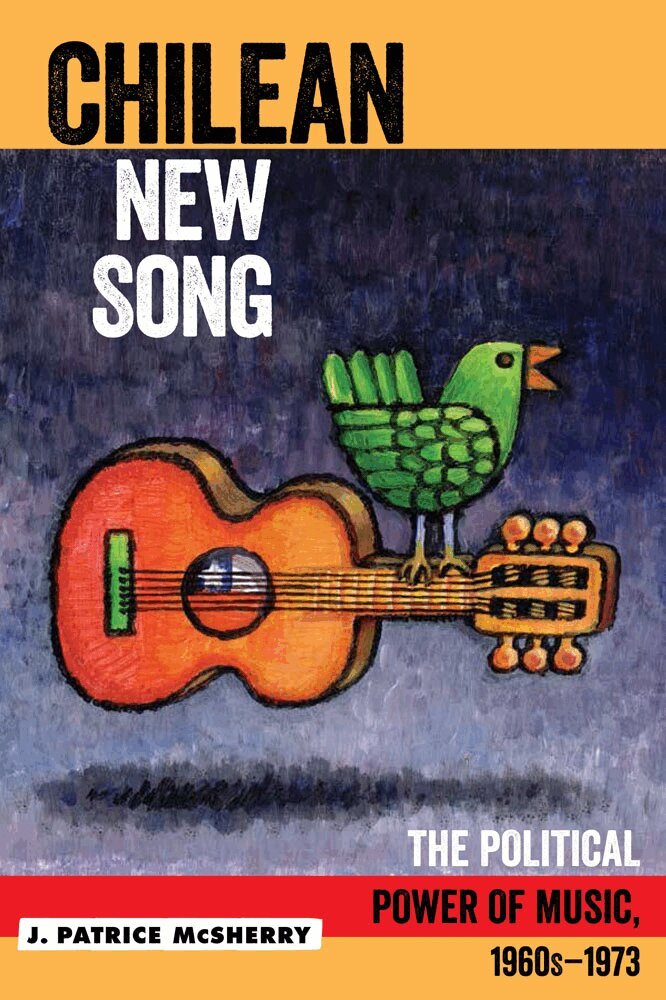
Chilean New Song (la Nueva Canción chilena) entranced and uplifted a country that struggled for social change during the turbulent 1960s and early 1970s, until the 1973 coup that overthrew democratic socialist president Salvador Allende. This powerful musical style—with its poetic lyrics and haunting blend of traditional indigenous wind and stringed instruments—was born of and expressed the aspirations of rising classes. It promised a socially just future as it forged social bonding. In Chilean New Song, J. Patrice McSherry deftly combines a political-historical view of Chile with a narrative of its cultural development. She examines the democratizing power of this music and, through interviews with key protagonists, the social roles of politically committed artists who participated in a movement for change. McSherry explores the impact of Chilean New Song and the way this artistic/cultural phenomenon related to contemporary politics to capture the passion, pain, and hope of millions of Chileans.