J. Richard Gruber - Böcker
Visar alla böcker från författaren J. Richard Gruber. Handla med fri frakt och snabb leverans.
2 produkter
2 produkter
818 kr
Skickas inom 7-10 vardagar
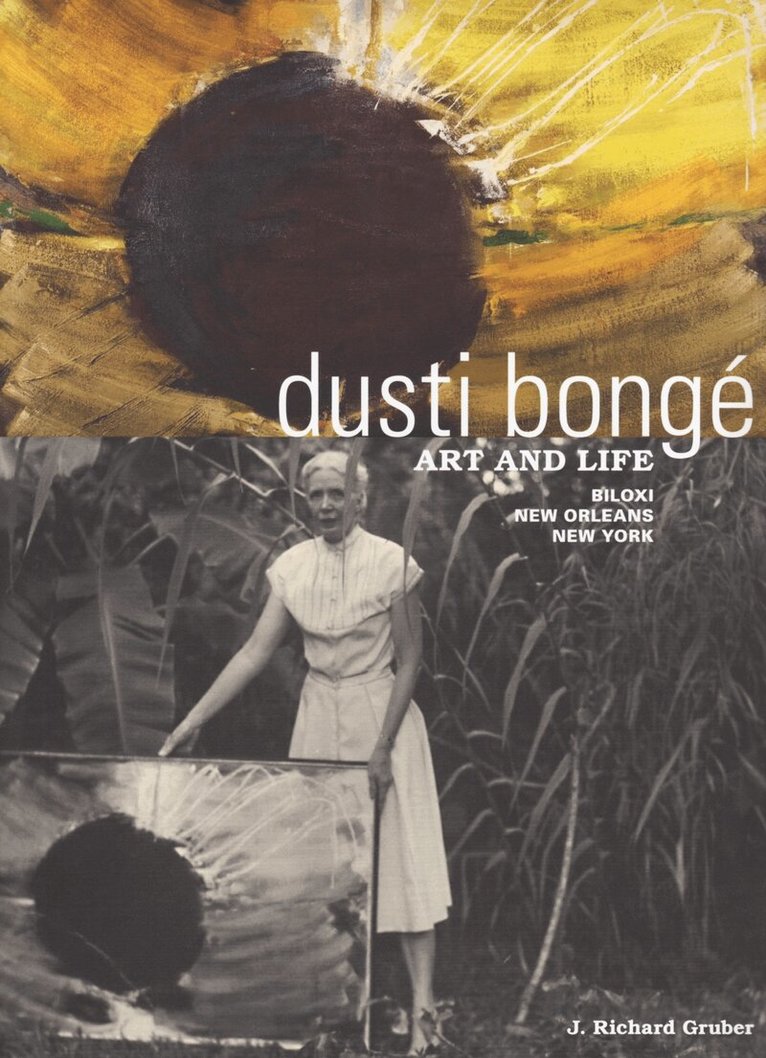
The art of Dusti Bongé was influenced by her experiences in three distinctive American cities: Biloxi, Mississippi; New Orleans, Louisiana; and New York, New York. In developing her artistic practice in these vibrant urban settings, she portrayed a unique "sense of place" in her work. In Dusti Bongé, Art and Life, which includes over five hundred color images, J. Richard Gruber documents Dusti Bongé's full career and her key role in the twentieth-century art world and in a highly creative family, including her husband, Archie (1901‒1936), her son, photographer Lyle Bongé (1929–2009), and her grandson, photographer Paul Bongé (b. 1963). Born in Biloxi in 1903, she died there in 1993, living on the family property where she was raised. After graduating from Blue Mountain College in 1922, she moved to Chicago and became an actress, then moved to New York to act on stage and in silent movies. She married artist Archie Bongé in 1928 and lived in New York until they moved to Biloxi in 1934 with their child, Lyle. Following Archie's premature death in 1936, she dedicated herself to working as an artist. Initially, she exhibited in New Orleans and Biloxi, then in New York, where she became affiliated with the famed Betty Parsons Gallery in 1946. There she was given a series of one-person exhibitions in the years from 1956 to 1975. Her art achieved national recognition through her shows at the Parsons Gallery, when New York replaced Paris as an international art center, and Abstract Expressionism became a leading influence in the art world. Dusti Bongé, Art and Life explores the full range of her creativity, extending from her stage acting to her activities in painting, sculpting, printmaking, sewing, writing, and poetry.
491 kr
Skickas inom 7-10 vardagar
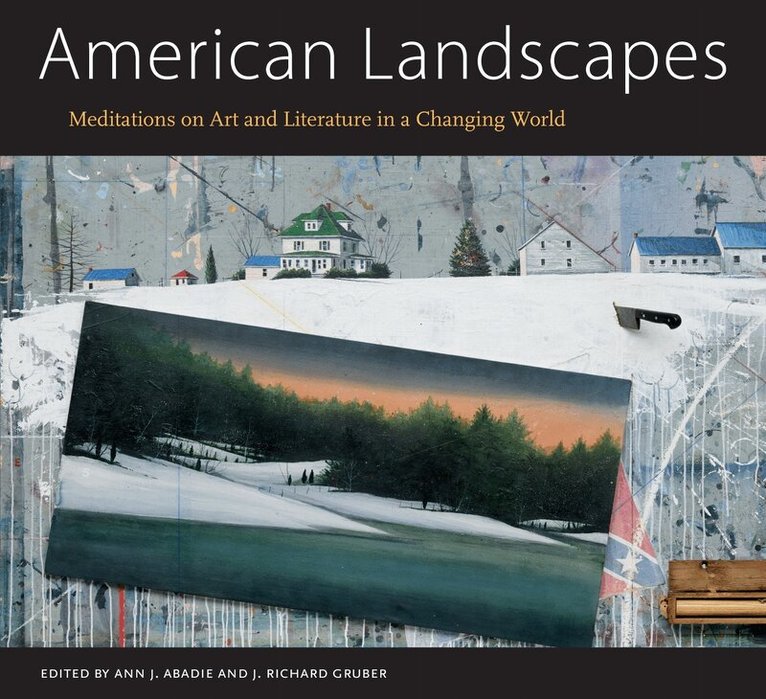
American Landscapes: Meditations on Art and Literature in a Changing World is a major contemporary survey of landscapes in art and literature of the United States, especially the American South. Inspired by William Dunlap’s extraordinary landscape Meditations on the Origins of Agriculture in America and a collection of forty paintings and photographs by southern artists, this volume brings together artists, authors, and scholars to present new perspectives on art and literature both past and present.The volume includes art and text from artists John Alexander, Jason Bouldin, William Dunlap, Carlyle Wolfe Lee, Ke Francis, Linda Burgess, Randy Hayes; photographers Sally Mann, Ed Croom, and Huger Foote; museum directors Betsy Bradley, Jane Livingston, and Julian Rankin; and authors W. Ralph Eubanks, John Grisham, J. Richard Gruber, Jessica B. Harris, Lisa Howorth, Julia Reed, Natasha Trethewey, Curtis Wilkie, Joseph M. Pierce, and Drew Gilpin Faust. This diverse group explores major eras of American history portrayed in Dunlap’s painting, a landscape that evokes the displacement and genocide of Native Americans, the enslavement of Africans, the Civil War, and William Faulkner’s fiction. They examine the history of landscape art in America, connecting art with the works of major writers like William Faulkner, Eudora Welty, Natasha Trethewey, and Jesmyn Ward.In eighteen new essays written during the pandemic and since the events of January 6, 2021, the essayists emphasize how the key issues Dunlap addressed in his 1987 artwork have become part of the national discourse and make his work even more vital today.