J.A. Allan – författare
Visar alla böcker från författaren J.A. Allan. Handla med fri frakt och snabb leverans.
8 produkter
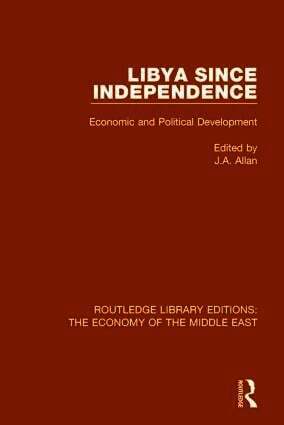
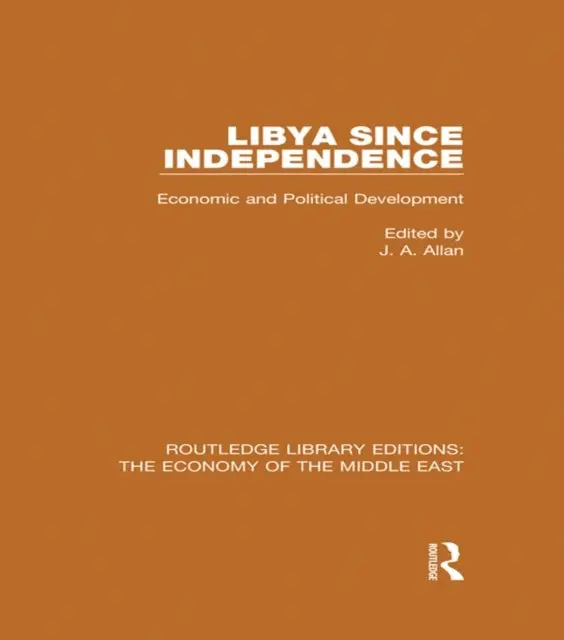
Libya Since Independence
Economic and Political Development
Av J.A. Allan
Inbunden, 2014
2200 kr
Lägg i varukorg
Since its independence in 1951, Libya has experienced rapid economic and social change. Many of these developments, though dramatic, have not been comprehensively documented until now. One of the problems that Libya has had to face has been the absorption of burgeoning oil revenues, and here the …
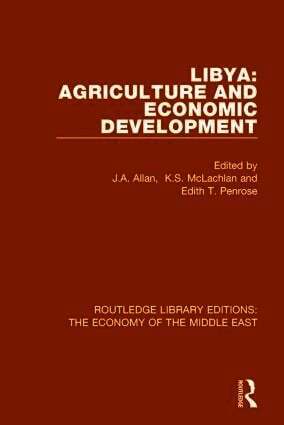
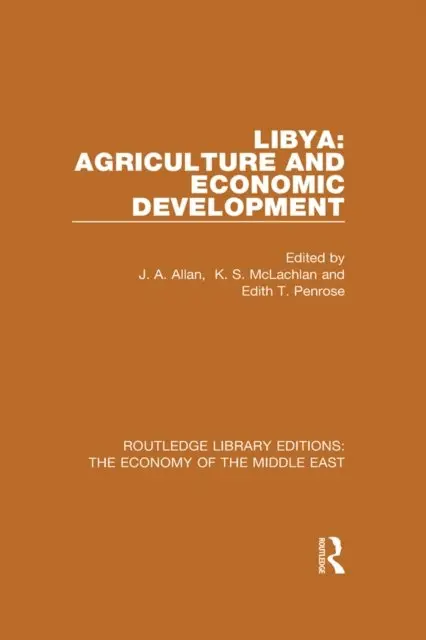
Libya: Agriculture and Economic Development (RLE Economy of Middle East)
Agriculture and Economic Development
Av J.A. Allan, K.S. McLachlan m. fl.
Inbunden, 2014
2590 kr
Lägg i varukorg
Oil revenues have made Libya rich since 1961, when oil exports began. This new wealth has affected all sectors of the economy and especially the agricultural sector; there have been considerable movements of population, changes in the use of land, and, possibly most important, there has been a …
Libya Since Independence
Economic and Political Development
Av J.A. Allan
Häftad, 2018
578 kr
Lägg i varukorg
Since its independence in 1951, Libya has experienced rapid economic and social change. Many of these developments, though dramatic, have not been comprehensively documented until now. One of the problems that Libya has had to face has been the absorption of burgeoning oil revenues, and here the …
Libya: Agriculture and Economic Development (RLE Economy of Middle East)
Agriculture and Economic Development
Av J.A. Allan, K.S. McLachlan m. fl.
Häftad, 2018
561 kr
Lägg i varukorg
Oil revenues have made Libya rich since 1961, when oil exports began. This new wealth has affected all sectors of the economy and especially the agricultural sector; there have been considerable movements of population, changes in the use of land, and, possibly most important, there has been a …
Libya: Agriculture and Economic Development (RLE Economy of Middle East)
Av Edith Penrose, K.S. McLachlan m. fl.
E-bok, 2015
658 kr
Lägg i varukorg
Oil revenues have made Libya rich since 1961, when oil exports began. This new wealth has affected all sectors of the economy and especially the agricultural sector; there have been considerable movements of population, changes in the use of land, and, possibly most important, there has been a …
Libya: Agriculture and Economic Development (RLE Economy of Middle East)
Av Edith Penrose, K.S. McLachlan m. fl.
E-bok, 2015
639 kr
Lägg i varukorg
Oil revenues have made Libya rich since 1961, when oil exports began. This new wealth has affected all sectors of the economy and especially the agricultural sector; there have been considerable movements of population, changes in the use of land, and, possibly most important, there has been a …
Libya Since Independence
Economic and Political Development
Av J.A. Allan
E-bok, 2014
678 kr
Lägg i varukorg
Since its independence in 1951, Libya has experienced rapid economic and social change. Many of these developments, though dramatic, have not been comprehensively documented until now. One of the problems that Libya has had to face has been the absorption of burgeoning oil revenues, and here the …
Libya Since Independence
Economic and Political Development
Av J.A. Allan
E-bok, 2014
678 kr
Lägg i varukorg
Since its independence in 1951, Libya has experienced rapid economic and social change. Many of these developments, though dramatic, have not been comprehensively documented until now. One of the problems that Libya has had to face has been the absorption of burgeoning oil revenues, and here the …