Jaap Maat – författare
Visar alla böcker från författaren Jaap Maat. Handla med fri frakt och snabb leverans.
9 produkter
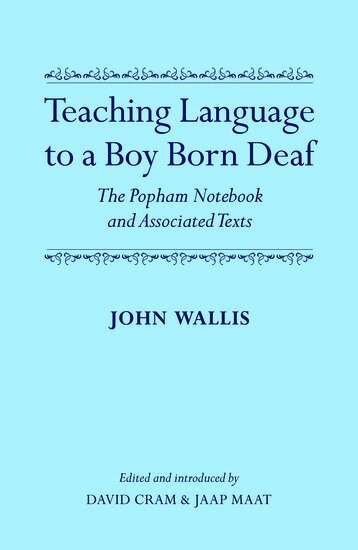
Teaching Language to a Boy Born Deaf
The Popham Notebook and Associated Texts
Av John Wallis, David Cram m. fl.
Inbunden, 2017
1880 kr
Lägg i varukorg
This book presents an edition of a previously unpublished notebook used by the seventeenth-century polymath John Wallis to teach language to the 'deaf mute' Alexander Popham. Under the terms of the law Popham would not have been able to inherit his family title and property if he had remained …
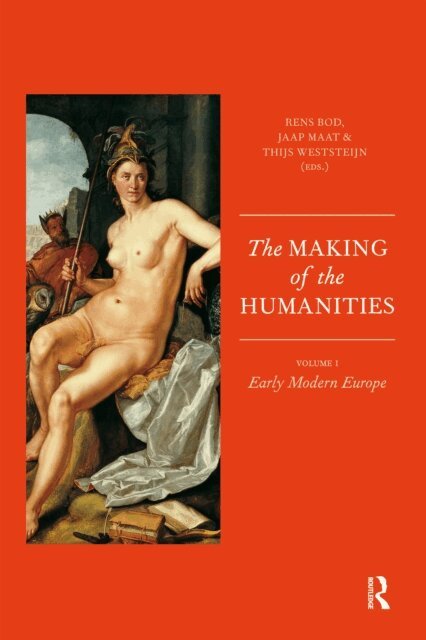
Making of the Humanities
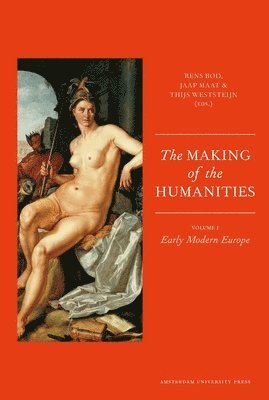
Volume 1 - Early Modern Europe
Av Thijs Weststeijn, Jaap Maat m. fl.
E-bok, 2025
27 kr
Lägg i varukorg
This book is the first step towards the development of a comparative history of the humanities. Specialists in philology, musicology, art history, linguistics, literary theory, and other disciplines highlight the intertwining of the various fields and their impact on the sciences. This first volume …
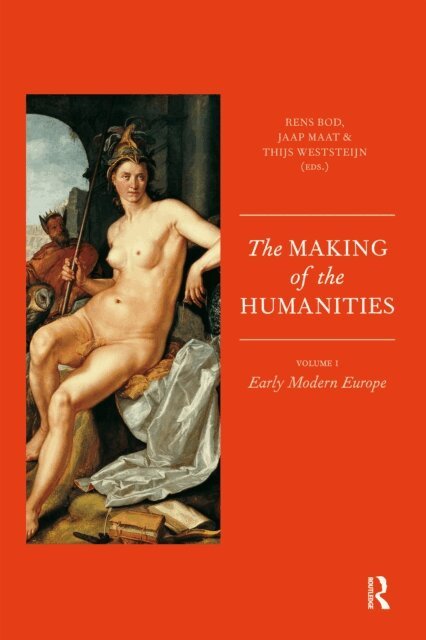
Making of the Humanities
Volume 1 - Early Modern Europe
Av Thijs Weststeijn, Jaap Maat m. fl.
E-bok, 2025
1243 kr
Lägg i varukorg
This book is the first step towards the development of a comparative history of the humanities. Specialists in philology, musicology, art history, linguistics, literary theory, and other disciplines highlight the intertwining of the various fields and their impact on the sciences. This first volume …
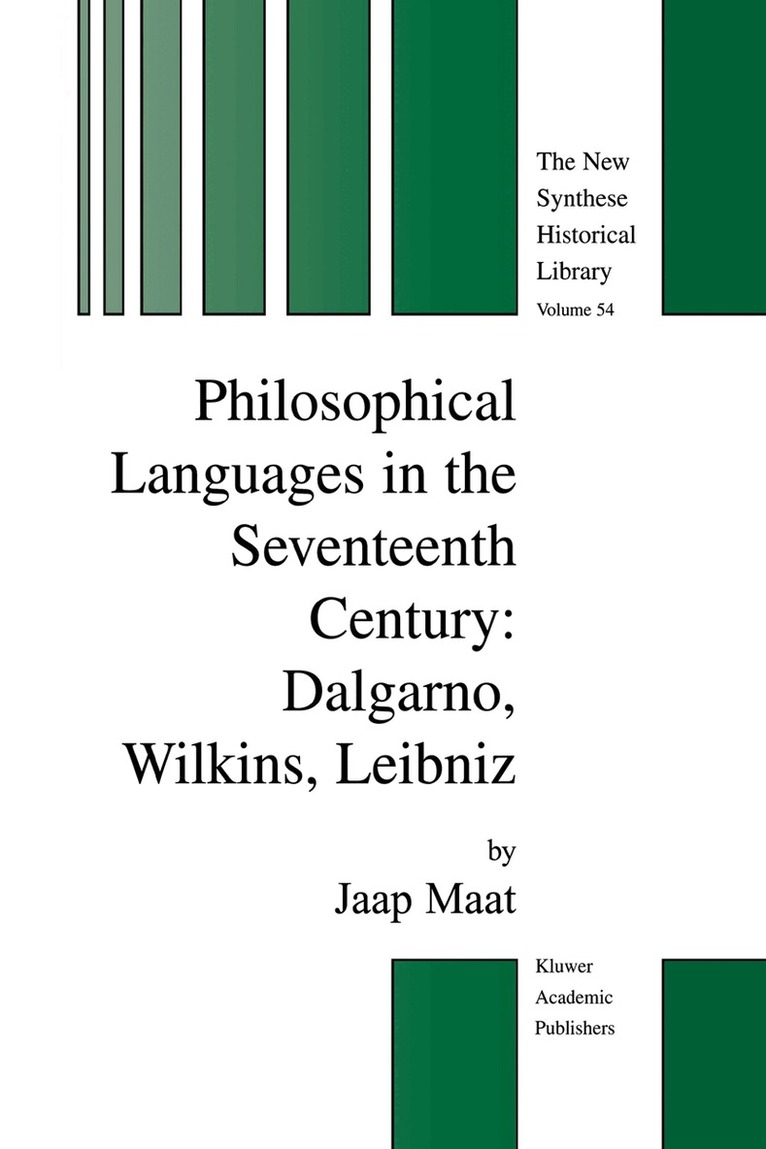
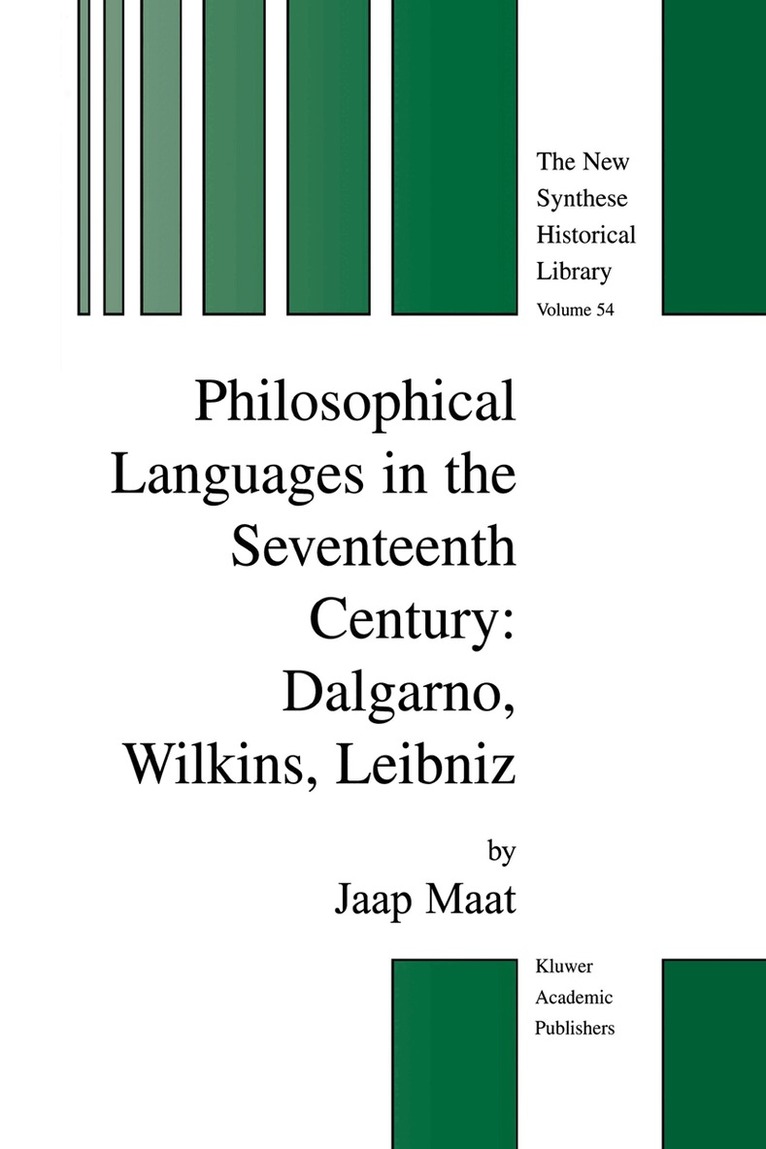
Philosophical Languages in the Seventeenth Century
Dalgarno, Wilkins, Leibniz
Av Jaap Maat
Inbunden, 2004
1647 kr
Lägg i varukorg
This book discusses three linguistic projects carried out in the seventeenth century: the artificial languages created by Dalgamo and Wilkins, and Leibniz's uncompleted scheme. It treats each of the projects as self contained undertakings, which deserve to be studied and judged in their own right. …
Making of the Humanities
Volume 1 - Early Modern Europe
Häftad, 2010
1207 kr
Lägg i varukorg
This book is the first step towards the development of a comparative history of the humanities. Specialists in philology, musicology, art history, linguistics, literary theory, and other disciplines highlight the intertwining of the various fields and their impact on the sciences. This first volume …
Making of the Humanities
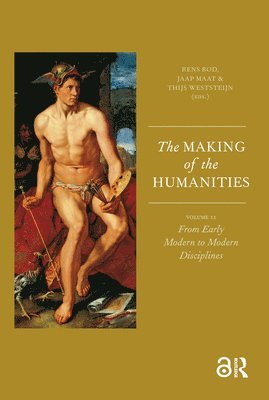
Volume II - From Early Modern to Modern Disciplines
Häftad, 2012
1207 kr
Lägg i varukorg
This much-awaited second volume investigates the changes in subject, method and institutional context of the humanistic disciplines around 1800, offering a wealth of insights for specialists and students alike. Point of departure is the pivotal question whether there was a paradigm shift in the …
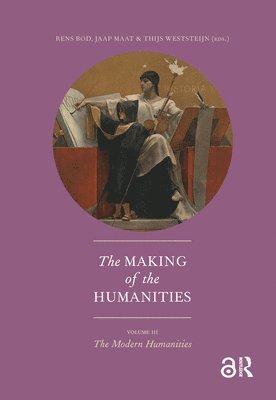
Making of the Humanities, Volume III
The Modern Humanities
Häftad, 2014
1207 kr
Lägg i varukorg
This comprehensive history of the humanities focuses on the modern period (1850-2000). The contributors, including Floris Cohen, Lorraine Daston and Ingrid Rowland, survey the rise of the humanities in interaction with the natural and social sciences, offering new perspectives on the interaction …
Philosophical Languages in the Seventeenth Century
Dalgarno, Wilkins, Leibniz
Av Jaap Maat
E-bok, 2012
2105 kr
Lägg i varukorg
This book discusses three linguistic projects carried out in the seventeenth century: the artificial languages created by Dalgamo and Wilkins, and Leibniz''s uncompleted scheme. It treats each of the projects as self contained undertakings, which deserve to be studied and judged in their own …
Philosophical Languages in the Seventeenth Century
Dalgarno, Wilkins, Leibniz
Av Jaap Maat
Häftad, 2012
1643 kr
Lägg i varukorg
This book discusses three linguistic projects carried out in the seventeenth century: the artificial languages created by Dalgamo and Wilkins, and Leibniz's uncompleted scheme. It treats each of the projects as self contained undertakings, which deserve to be studied and judged in their own right. …