Jack L. Snyder - Böcker
Visar alla böcker från författaren Jack L. Snyder. Handla med fri frakt och snabb leverans.
6 produkter
6 produkter
546 kr
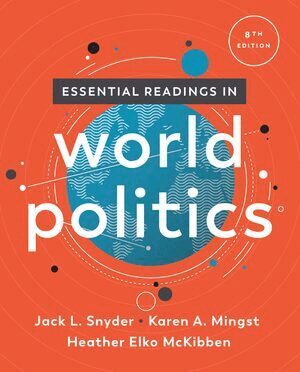
With 30% new readings in the Eighth Edition, Essential Readings in World Politics introduces students to key classic and contemporary works in international relations. The selections in each chapter reflect diverse perspectives on major topics in international relations, and the headnotes provide the context and background that introductory students need. In the Eighth Edition, new readings offer diverse perspectives on current topics such the environment, global health, China’s role in the global order and the future of globalisation.
404 kr
Skickas inom 7-10 vardagar
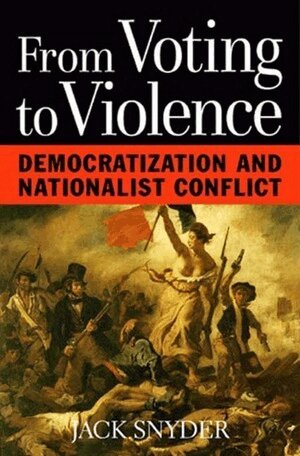
From Voting to Violence examines the ways in which democratization can exacerbate nationalist fervor and ethnic conflict if the conditions promoting a successful transition are not in place. The book argues that international organizations sometimes cause more conflict than they avert in their rush to establish democratic governments and punish outgoing leaders. Snyder closes by prescribing policies that can make democratic transitions less dangerous and allow fledgling democracies to flourish.
694 kr
Skickas inom 10-15 vardagar
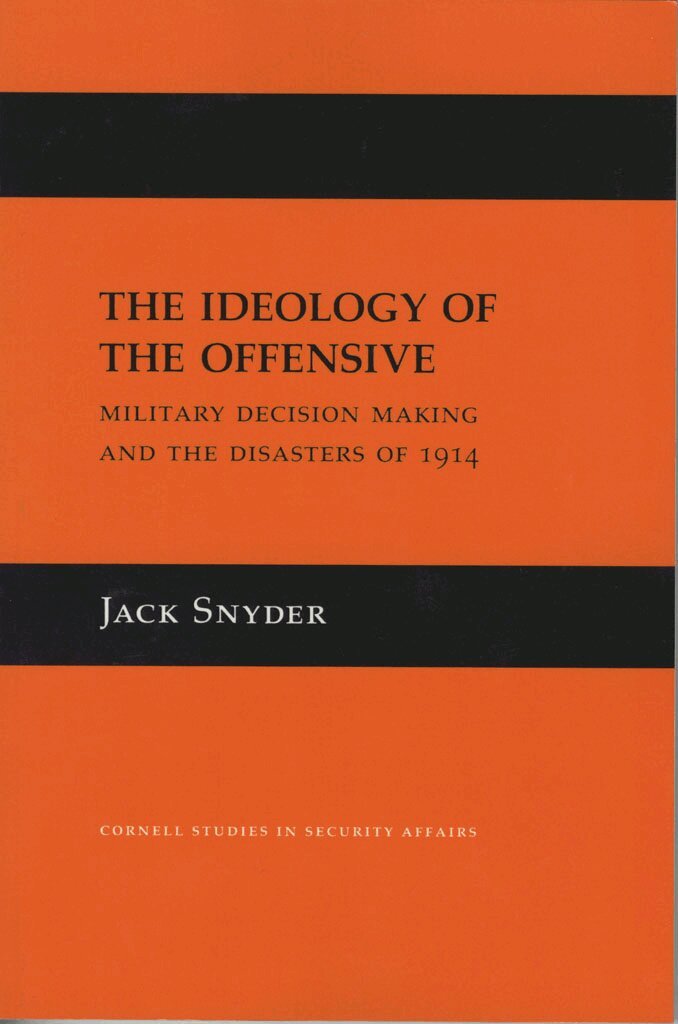
Jack Snyder's analysis of the attitudes of military planners in the years prior to the Great War offers new insight into the tragic miscalculations of that era and into their possible parallels in present-day war planning. By 1914, the European military powers had adopted offensive military strategies even though there was considerable evidence to support the notion that much greater advantage lay with defensive strategies. The author argues that organizational biases inherent in military strategists' attitudes make war more likely by encouraging offensive postures even when the motive is self-defense.Drawing on new historical evidence of the specific circumstances surrounding French, German, and Russian strategic policy, Snyder demonstrates that it is not only rational analysis that determines strategic doctrine, but also the attitudes of military planners. Snyder argues that the use of rational calculation often falls victim to the pursuit of organizational interests such as autonomy, prestige, growth, and wealth. Furthermore, efforts to justify the preferred policy bring biases into strategists' decisions—biases reflecting the influences of parochial interests and preconceptions, and those resulting from attempts to simplify unduly their analytical tasks.The frightening lesson here is that doctrines can be destabilizing even when weapons are not, because doctrine may be more responsive to the organizational needs of the military than to the implications of the prevailing weapons technology. By examining the historical failure of offensive doctrine, Jack Snyder makes a valuable contribution to the literature on the causes of war.
694 kr
Skickas inom 10-15 vardagar
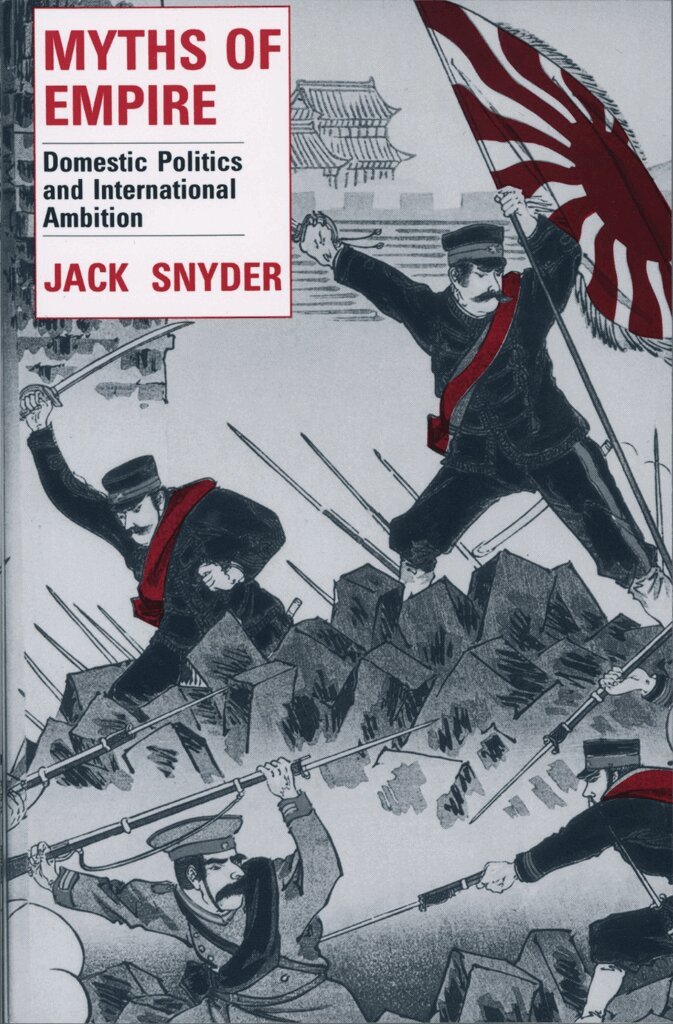
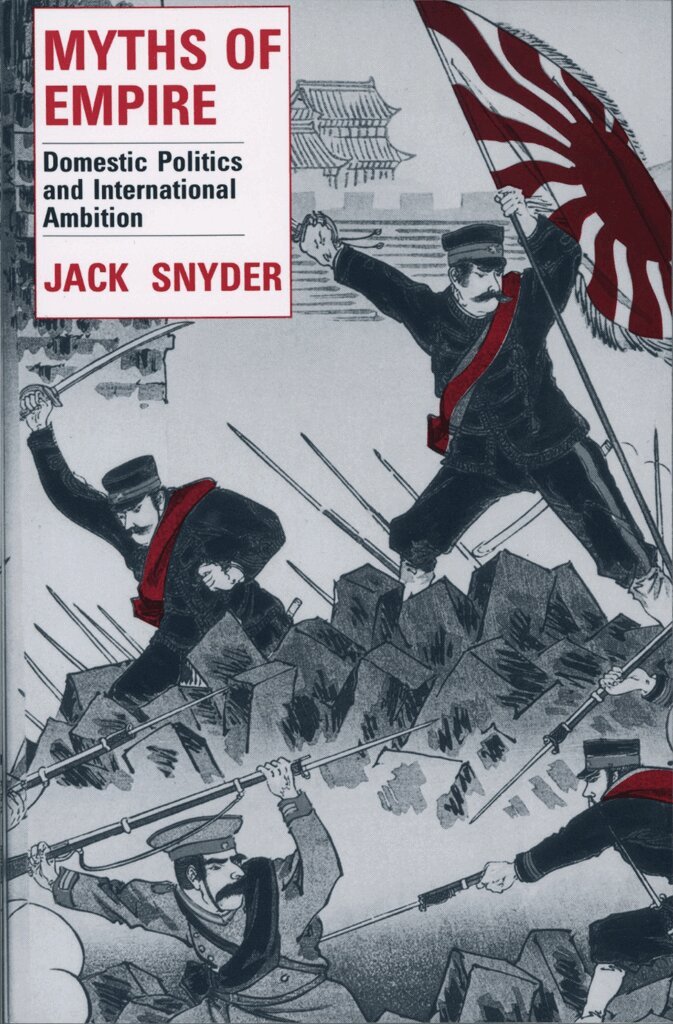
"Myths of Empire offers the best-developed theory to date of the domestic sources of international conflict and security policy.... Snyder has taken a major step toward ending the theoretical impoverishment of the study of the domestic sources of international conflict."― American Political Science ReviewOverextension is the common pitfall of empires. Why does it occur? What are the forces that cause the great powers of the industrial era to pursue aggressive foreign policies? Jack Snyder identifies recurrent myths of empire, describes the varieties of overextension to which they lead, and criticizes the traditional explanations offered by historians and political scientists. He tests three competing theories-realism, misperception, and domestic coalition politics-against five detailed case studies: early twentieth-century Germany, Japan in the interwar period, Great Britain in the Victorian era, the Soviet Union after World War II, and the United States during the Cold War. The Resulting insights run counter to much that has been written about these apparently familiar instances of empire building.
337 kr
Skickas inom 10-15 vardagar
Jack Snyder's analysis of the attitudes of military planners in the years prior to the Great War offers new insight into the tragic miscalculations of that era and into their possible parallels in present-day war planning. By 1914, the European military powers had adopted offensive military strategies even though there was considerable evidence to support the notion that much greater advantage lay with defensive strategies. The author argues that organizational biases inherent in military strategists' attitudes make war more likely by encouraging offensive postures even when the motive is self-defense.Drawing on new historical evidence of the specific circumstances surrounding French, German, and Russian strategic policy, Snyder demonstrates that it is not only rational analysis that determines strategic doctrine, but also the attitudes of military planners. Snyder argues that the use of rational calculation often falls victim to the pursuit of organizational interests such as autonomy, prestige, growth, and wealth. Furthermore, efforts to justify the preferred policy bring biases into strategists' decisions—biases reflecting the influences of parochial interests and preconceptions, and those resulting from attempts to simplify unduly their analytical tasks.The frightening lesson here is that doctrines can be destabilizing even when weapons are not, because doctrine may be more responsive to the organizational needs of the military than to the implications of the prevailing weapons technology. By examining the historical failure of offensive doctrine, Jack Snyder makes a valuable contribution to the literature on the causes of war.
282 kr
Skickas inom 10-15 vardagar
"Myths of Empire offers the best-developed theory to date of the domestic sources of international conflict and security policy.... Snyder has taken a major step toward ending the theoretical impoverishment of the study of the domestic sources of international conflict."― American Political Science ReviewOverextension is the common pitfall of empires. Why does it occur? What are the forces that cause the great powers of the industrial era to pursue aggressive foreign policies? Jack Snyder identifies recurrent myths of empire, describes the varieties of overextension to which they lead, and criticizes the traditional explanations offered by historians and political scientists. He tests three competing theories-realism, misperception, and domestic coalition politics-against five detailed case studies: early twentieth-century Germany, Japan in the interwar period, Great Britain in the Victorian era, the Soviet Union after World War II, and the United States during the Cold War. The Resulting insights run counter to much that has been written about these apparently familiar instances of empire building.