Jack Sheldon – författare
Visar alla böcker från författaren Jack Sheldon. Handla med fri frakt och snabb leverans.
28 produkter
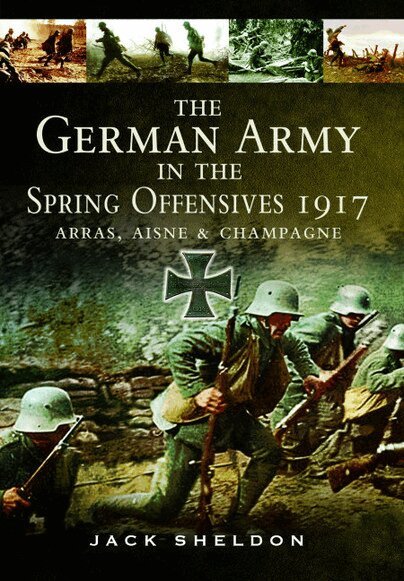
German Army in the Spring Offensives 1917
Arras, Aisne and Champagne
Av Jack Sheldon
Häftad, 2022
181 kr
Lägg i varukorg
After the great battles of 1916, the Allied Armies planned to launch massive attacks North and South of the Somme. The German withdrawal to the Hindenburg Line in March 1917 forced the new French CinC General Nivelle to rethink and the French embarked on a major attack in the Aisne area and along …
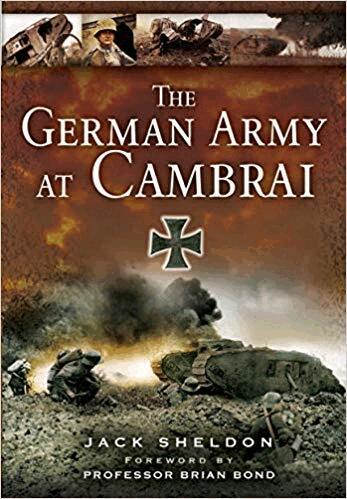
German Army at Cambra.
Av Jack Sheldon
Häftad, 2020
181 kr
Lägg i varukorg
This latest German Army book by Jack Sheldon covers a shorter (three week) timeframe than his earlier works. After an introductory chapter tracing the development of the Hindenburg Line, the author concentrates on German aspects of the bitterly fought battle of Cambrai from 20 November to 6 …
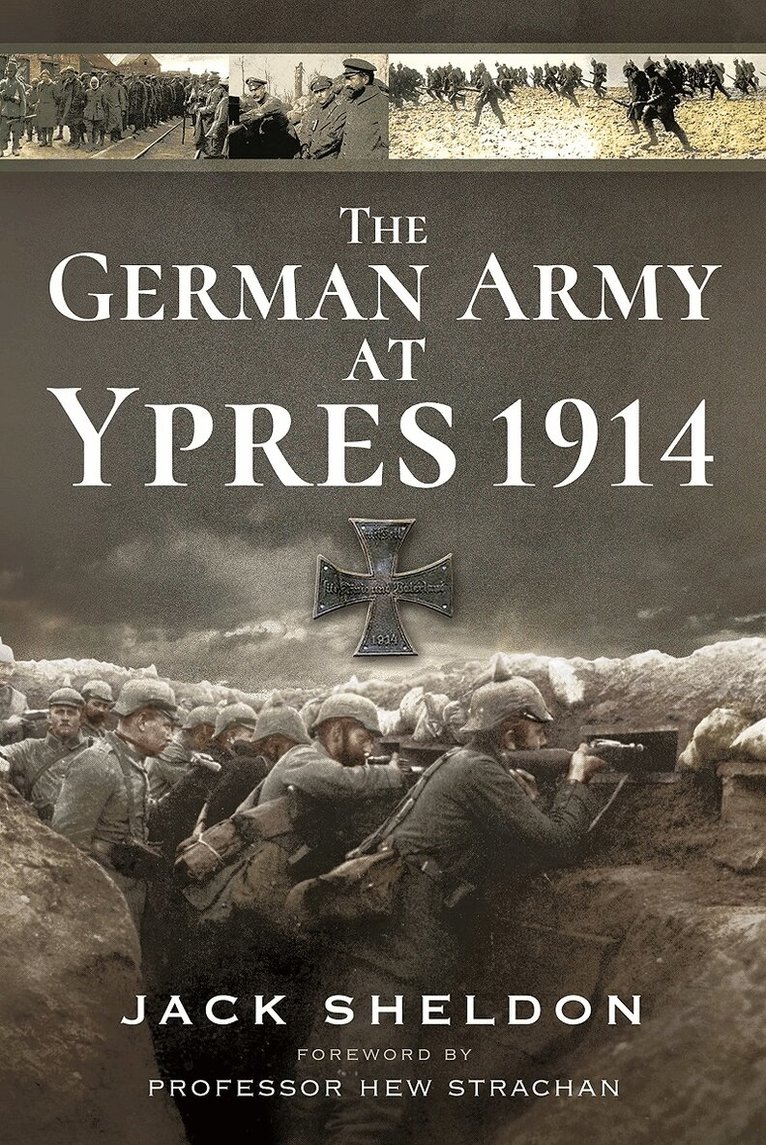
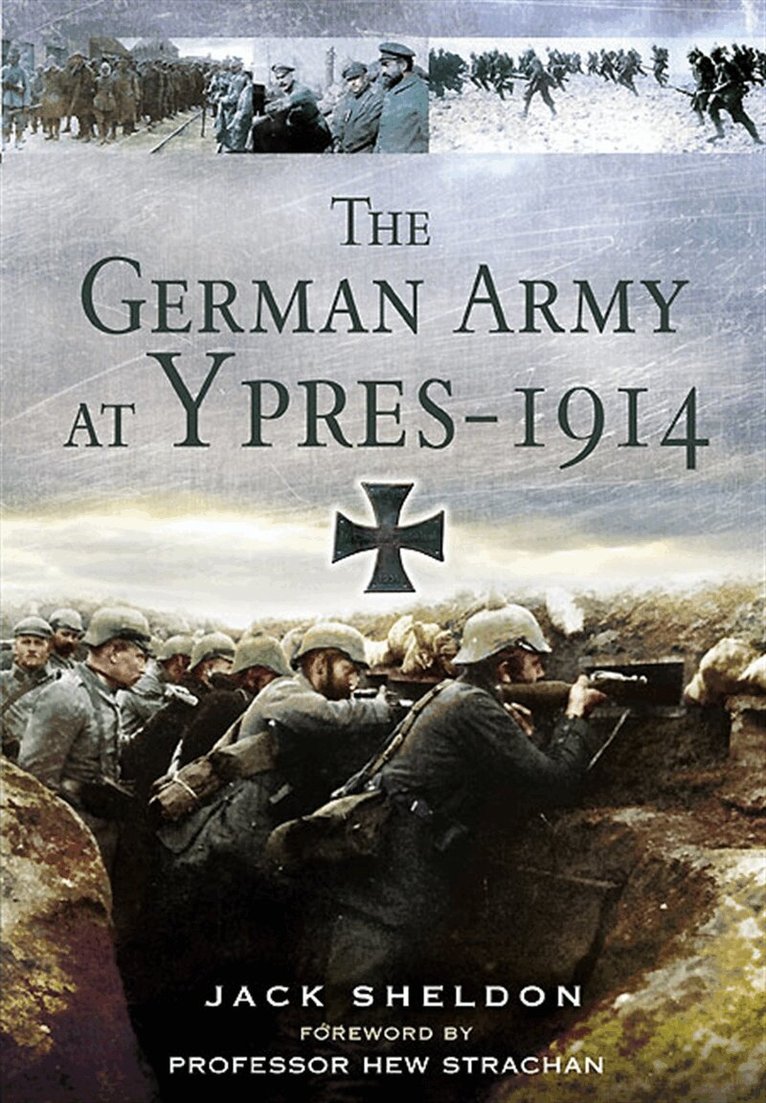
German Army at Ypres 1914
Av Jack Sheldon
Häftad, 2021
192 kr
Lägg i varukorg
This book will be the first complete account of the operations of the German army in the battles north of Lille in the late autumn of 1914\. The main emphasis will be placed on the battles around Ypres against the Old Contemptibles of the BEF, but the fighting against the French and Belgian armies …
German Army in the Spring Offensives 1917: Arras, Aisne and Champagne
Av Jack Sheldon
Inbunden, 2015
4,0 utav 5 stjärnor. Totalt antal röster: (1)
280 kr
Tillfälligt slut
After the great battles of 1916, the Allied Armies planned to launch massive attacks North and South of the Somme. The German withdrawal to the Hindenburg Line in March 1917 forced the new French CinC General Nivelle to rethink and the French embarked on a major attack in the Aisne area and along …
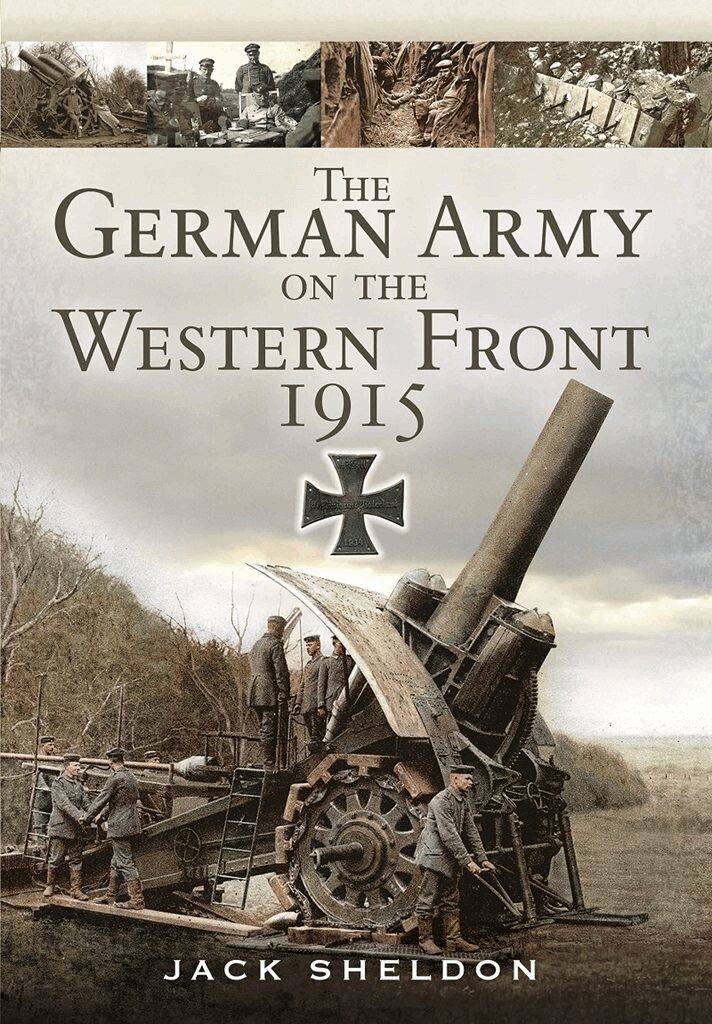
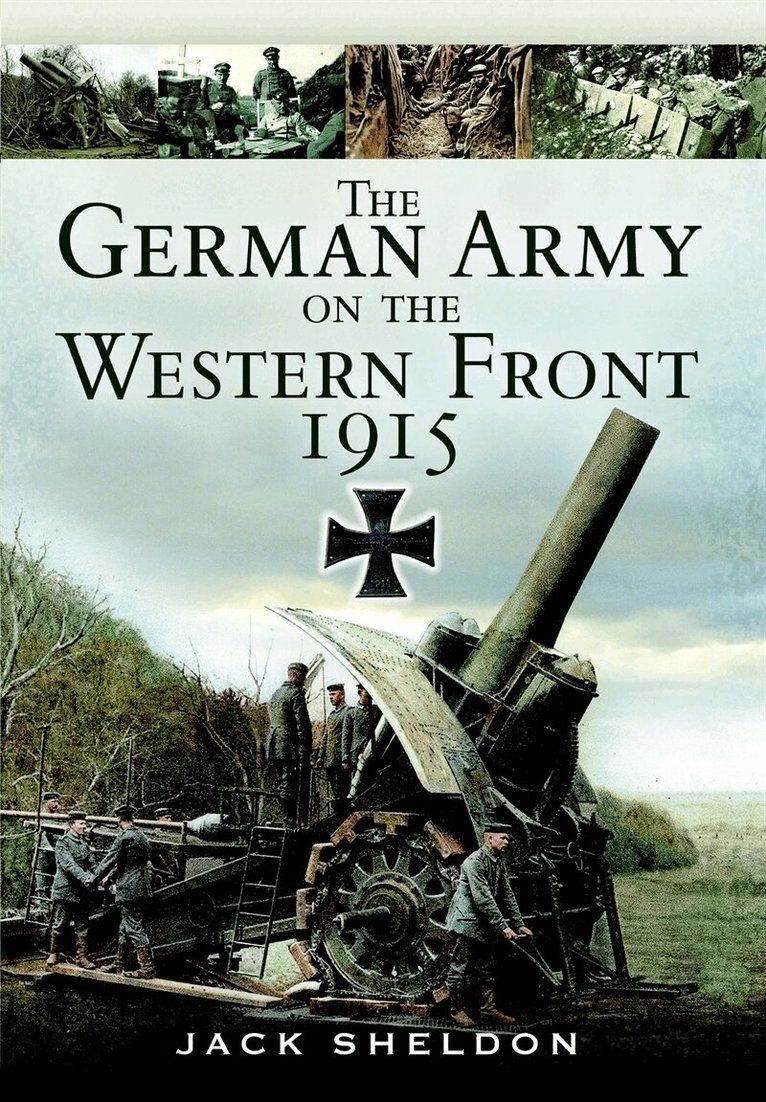
German Army on the Western Front 1915
Av Jack Sheldon
Häftad, 2022
274 kr
Lägg i varukorg
Jack Sheldon examines the German mindset at the close of 1914 when it became apparent that a quick victory was no longer a possibility. Both sides were temporarily exhausted in static positions from the Channel to the Swiss Border. In a reversal of roles, the French launched major offensives in …
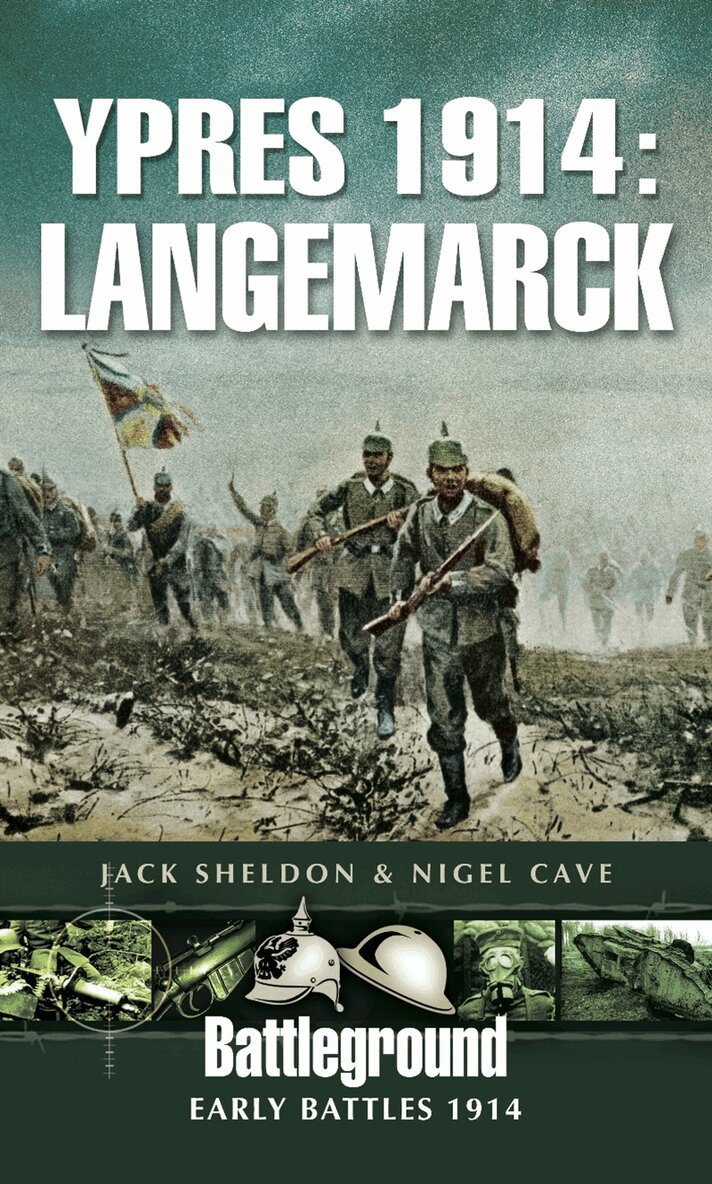
Ypres 1914: Langemarck
E-bok, 2021
127 kr
Lägg i varukorg
These three Battleground Europe books on Ypres 1914 mark the centenary of the final major battle of the 1914 campaign on the Western Front. Although fought over a relatively small area and short time span, the fighting was even more than usually chaotic and the stakes were extremely high. Authors …
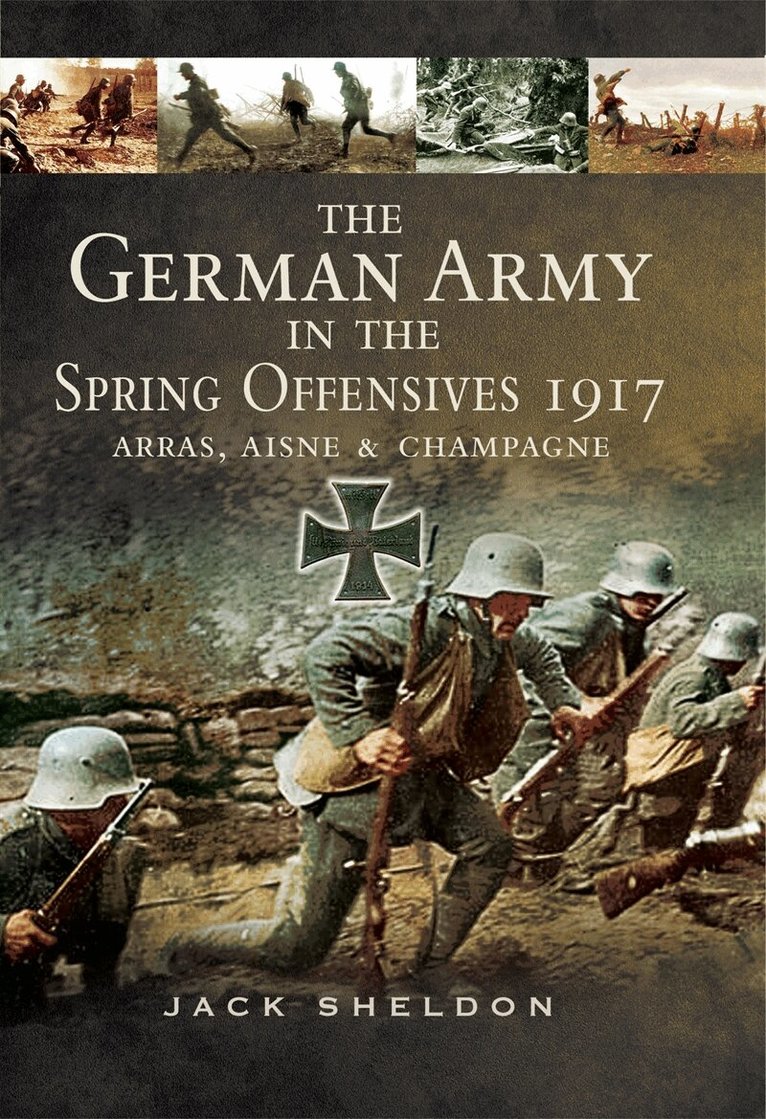
The German Army in the Spring Offensives 1917
Arras, Aisne & Champagne
Av Jack Sheldon
E-bok, 2021
127 kr
Lägg i varukorg
After the great battles of 1916, the Allied Armies planned to launch massive attacks North and South of the Somme. The German withdrawal to the Hindenburg Line in March 1917 forced the new French CinC General Nivelle to rethink and the French embarked on a major attack in the Aisne area and along …
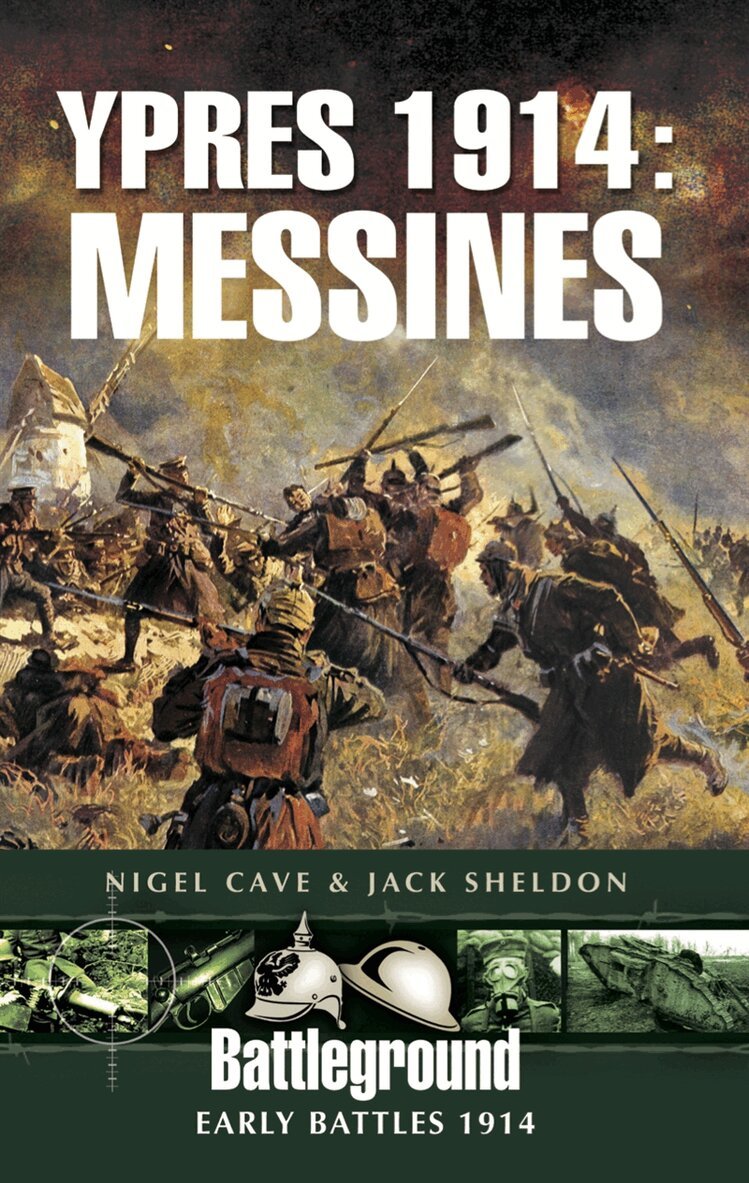
Ypres 1914: Messines
E-bok, 2021
127 kr
Lägg i varukorg
These three Battleground Europe books on Ypres 1914 mark the centenary of the final major battle of the 1914 campaign on the Western Front. Although fought over a relatively small area and short time span, the fighting was even more than usually chaotic and the stakes were extremely high. Authors …
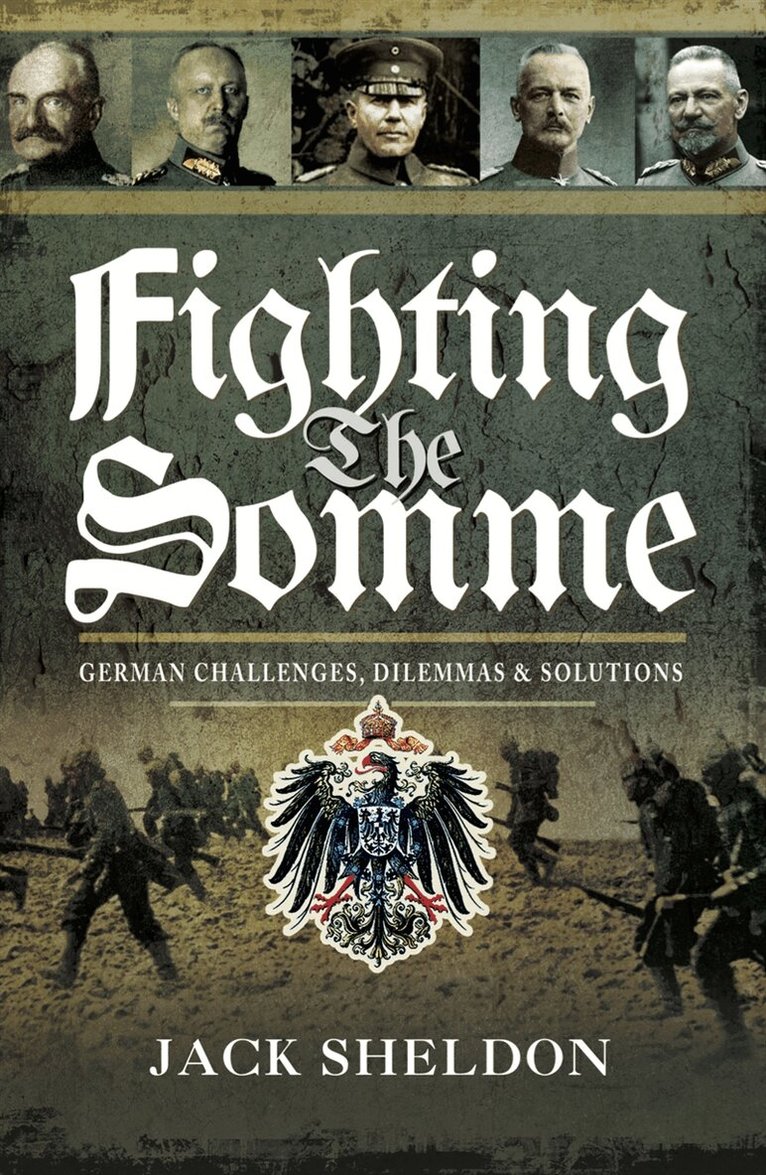
Fighting the Somme
German Challenges, Dilemmas and Solutions
Av Jack Sheldon
E-bok, 2021
127 kr
Lägg i varukorg
This book will provide an entirely fresh way of looking at the Battle of the Somme 1916. It will not be a rehashed narrative history of the battle. Instead, drawing heavily on examples that can be illustrated through exploitation of the primary sources still available in abundance in the archives …
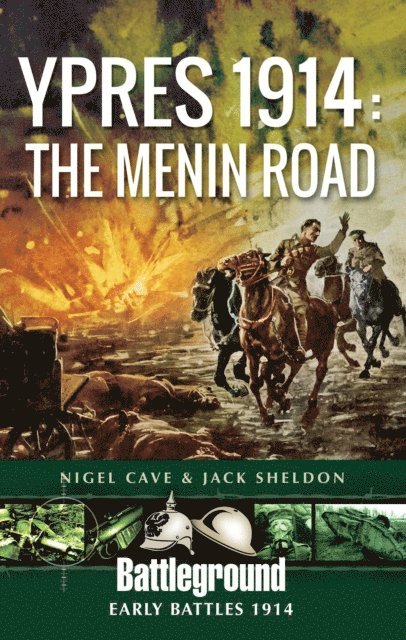
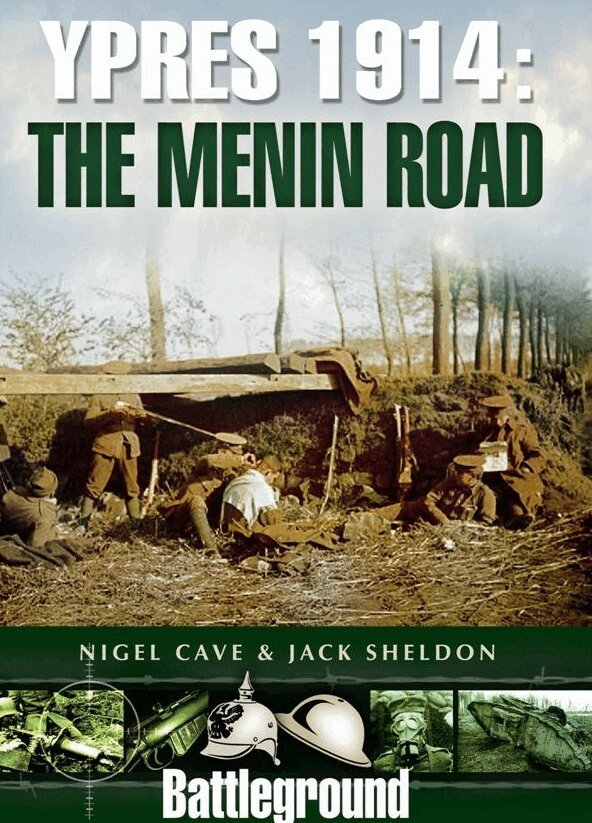
Ypres 1914
The Menin Road
E-bok, 2019
88 kr
Lägg i varukorg
A vivid history of how a battered British Expeditionary Force stopped the advancing Germans, against the odds and just in time. Ypres 1914: The Menin Road is part of a three-book series about the final major battle of the 1914 campaign on the Western Front. Although fought over a relatively small …
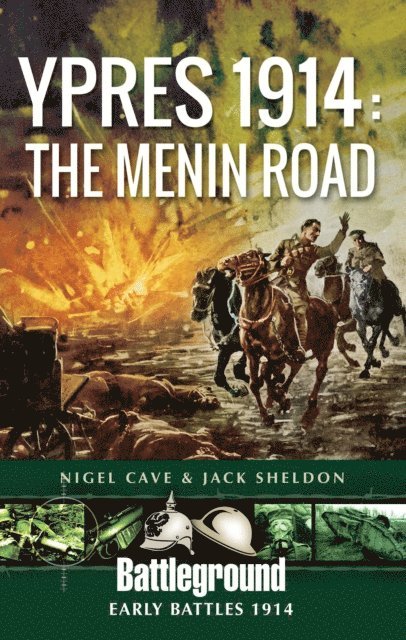
Ypres 1914
The Menin Road
E-bok, 2019
149 kr
Lägg i varukorg
A vivid history of how a battered British Expeditionary Force stopped the advancing Germans, against the odds and just in time. Ypres 1914: The Menin Road is part of a three-book series about the final major battle of the 1914 campaign on the Western Front. Although fought over a relatively small …
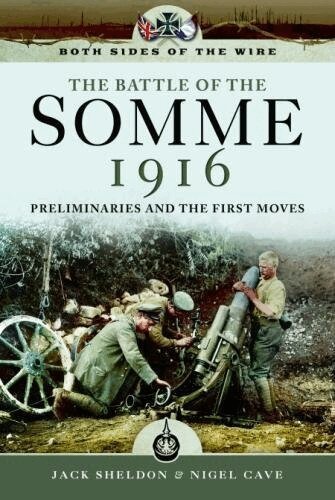
Both Sides of the Wire - Disaster at Dawn
Somme 1916: Preliminaries and First Moves
Inbunden, 2018
449 kr
Kommande
Both Sides of the Wire is the first in a new series of battlefield guides that looks at the fighting on the Western Front, chiefly in the sectors in which the British Expeditionary Force was engaged. In these books, Nigel Cave and Jack Sheldon will look at engagements from both the allied and …
Ypres 1914 - The Menin Road
Häftad, 2019
160 kr
Lägg i varukorg
These three Battleground Europe books on Ypres 1914 mark the centenary of the final major battle of the 1914 campaign on the Western Front. Although fought over a relatively small area and short time span, the fighting was even more than usually chaotic and the stakes were extremely high. Authors …
The German Army on the Western Front 1915
Av Jack Sheldon
E-bok, 2021
127 kr
Lägg i varukorg
Jack Sheldon examines the German mindset at the close of 1914 when it became apparent that a quick victory was no longer a possibility. Both sides were temporarily exhausted in static positions from the Channel to the Swiss Border. In a reversal of roles, the French launched major offensives in …
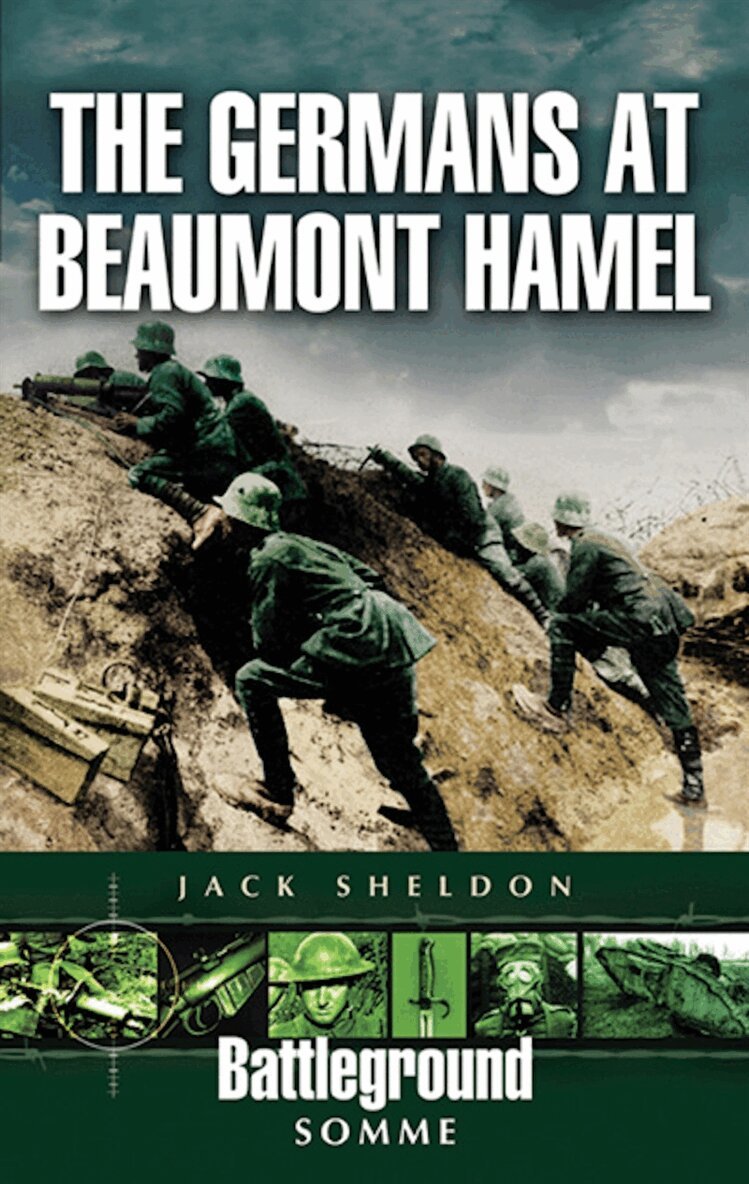
The Germans at Beaumont Hamel
Av Jack Sheldon
E-bok, 2021
111 kr
Lägg i varukorg
Beaumont Hamel is a name which conjures up appalling visions of the catastrophic reverse suffered by men of VIII Corps, British Fourth Army on 1st July 1916, when thousands of men were killed and wounded for no gains whatsoever. Ninety years on, the events of that day still exert a powerful …
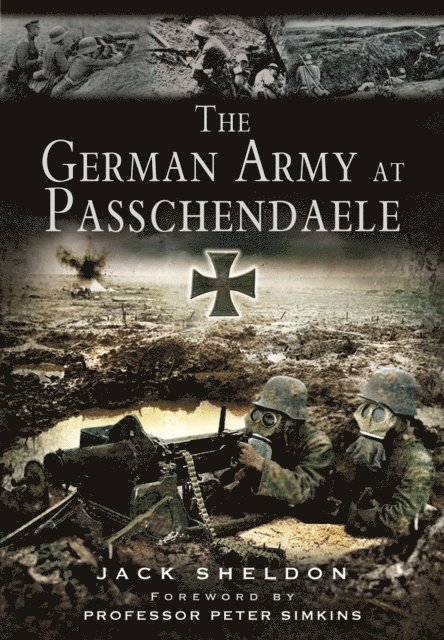
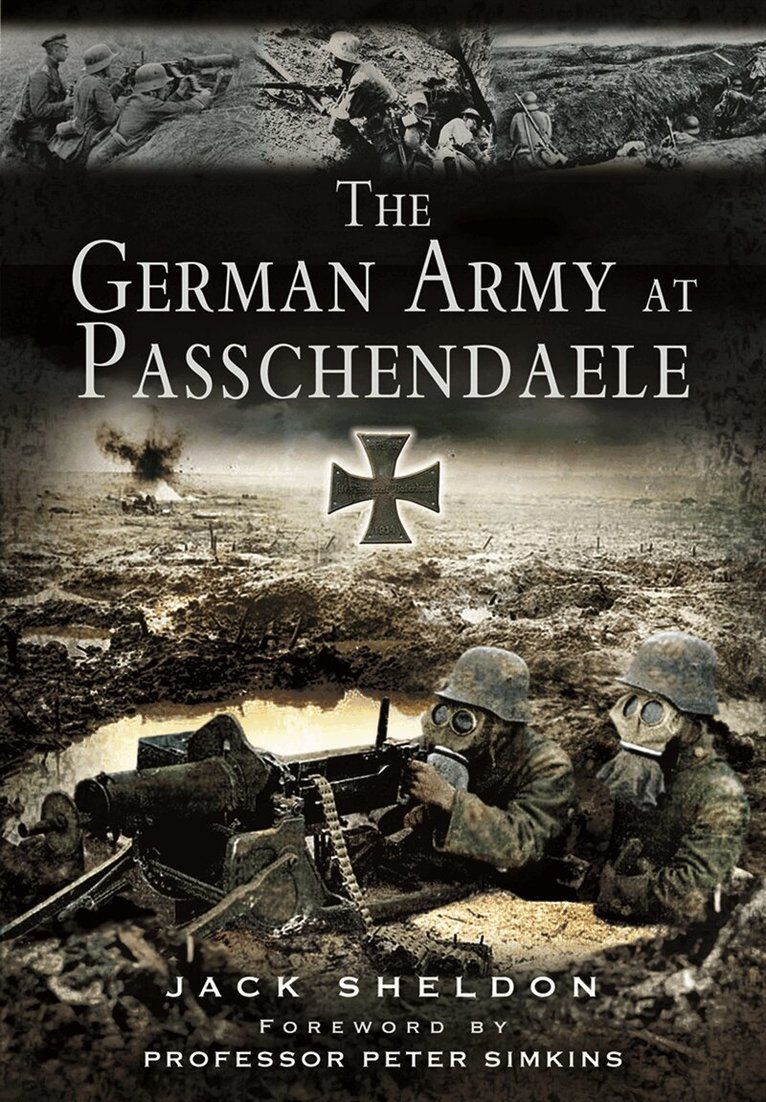
German Army at Passchendaele
Av Jack Sheldon
E-bok, 2007
103 kr
Lägg i varukorg
This WWI military history presents a detailed account of the third Battle of Ypres, in the Belgian village of Passchendaele, from the German perspective. More than a century since the epic battle, the name Passchendaele has lost none of its power to shock and dismay. Reeling from the huge losses in …
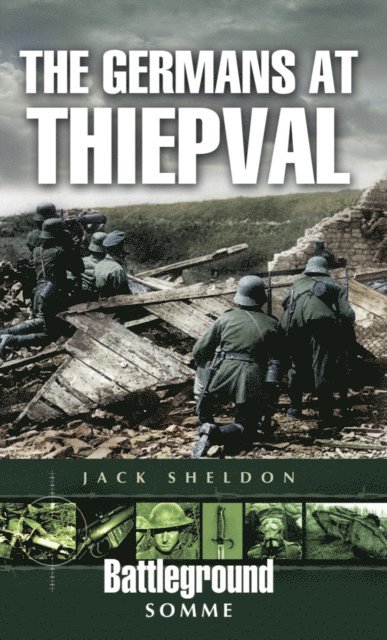
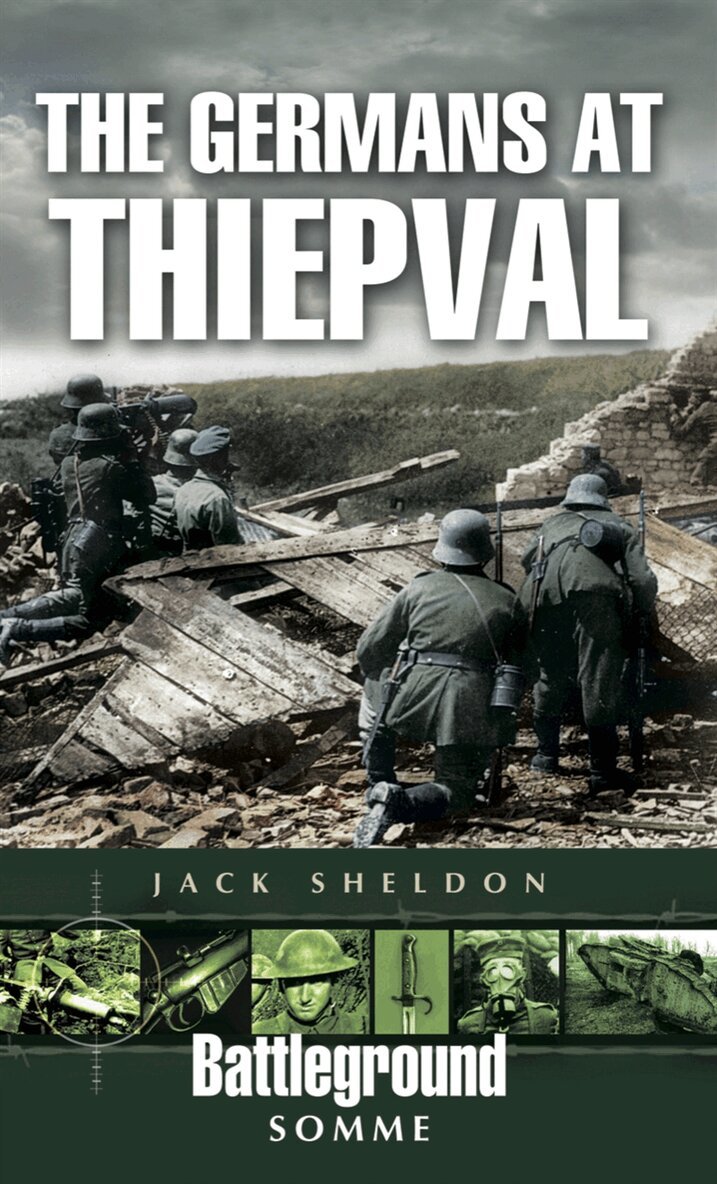
Germans at Thiepval
Av Jack Sheldon
E-bok, 2006
88 kr
Lägg i varukorg
Ninety years after the Battle of the Somme was fought, visitors continue to flock in very large numbers to the massive Memorial to the Missing at Thiepval, site of a bitter three-month struggle during the summer of 1916. This book explains in detail how, from the autumn of 1914 onwards, the German …
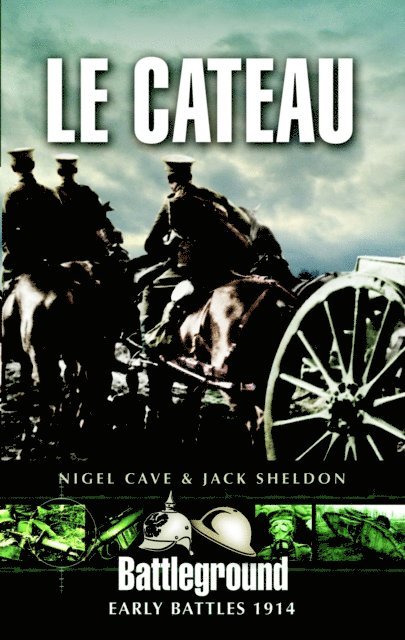
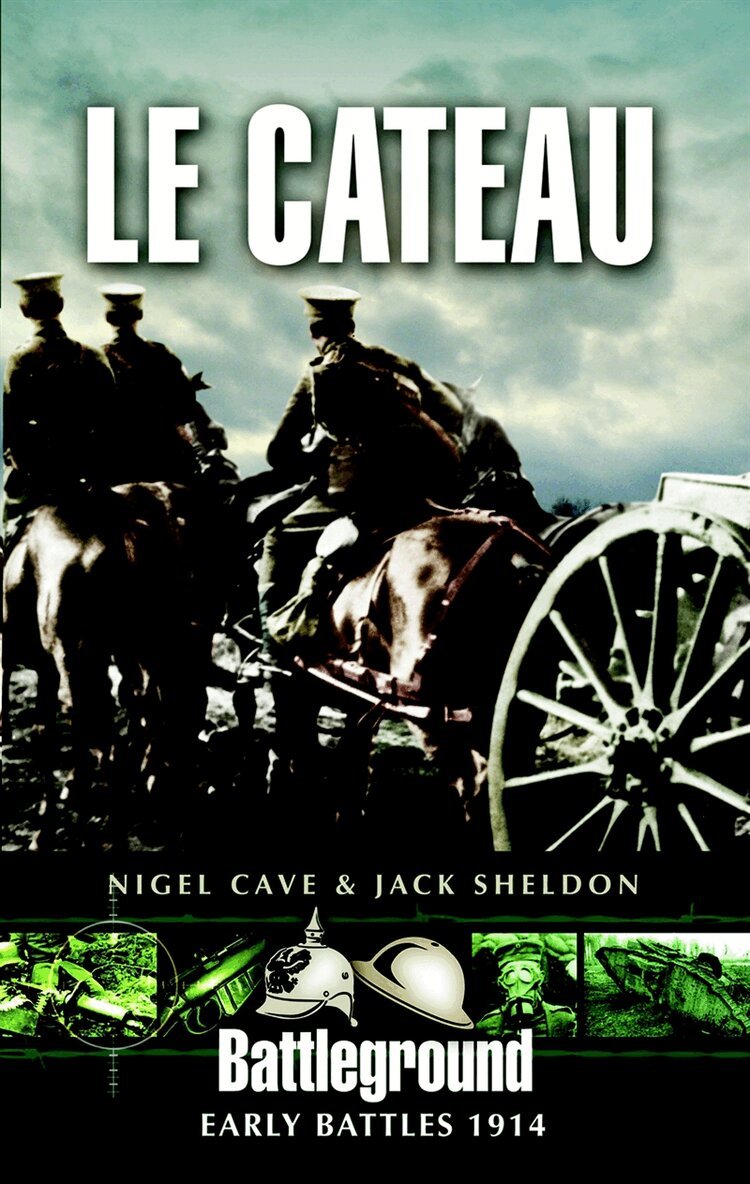
Le Cateau
E-bok, 2008
118 kr
Lägg i varukorg
Le Cateau (26–27 August 1914) was the second major action fought by the BEF in the Great War. His men exhausted after fighting at Mons and by the subsequent speedy retreat, Lieutenant-General Horace Smith-Dorrien (commanding II Corps) decided that he had to make a stand in the vicinity of Le …
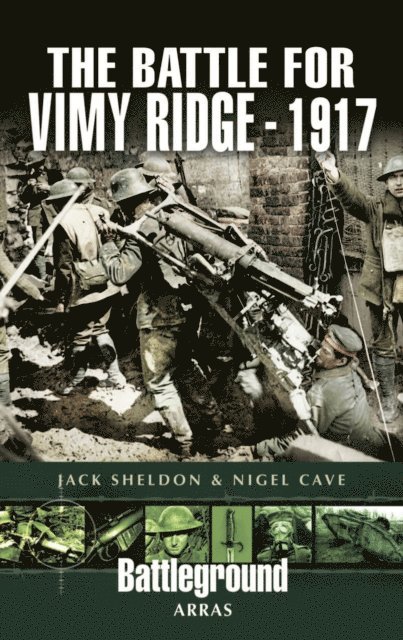
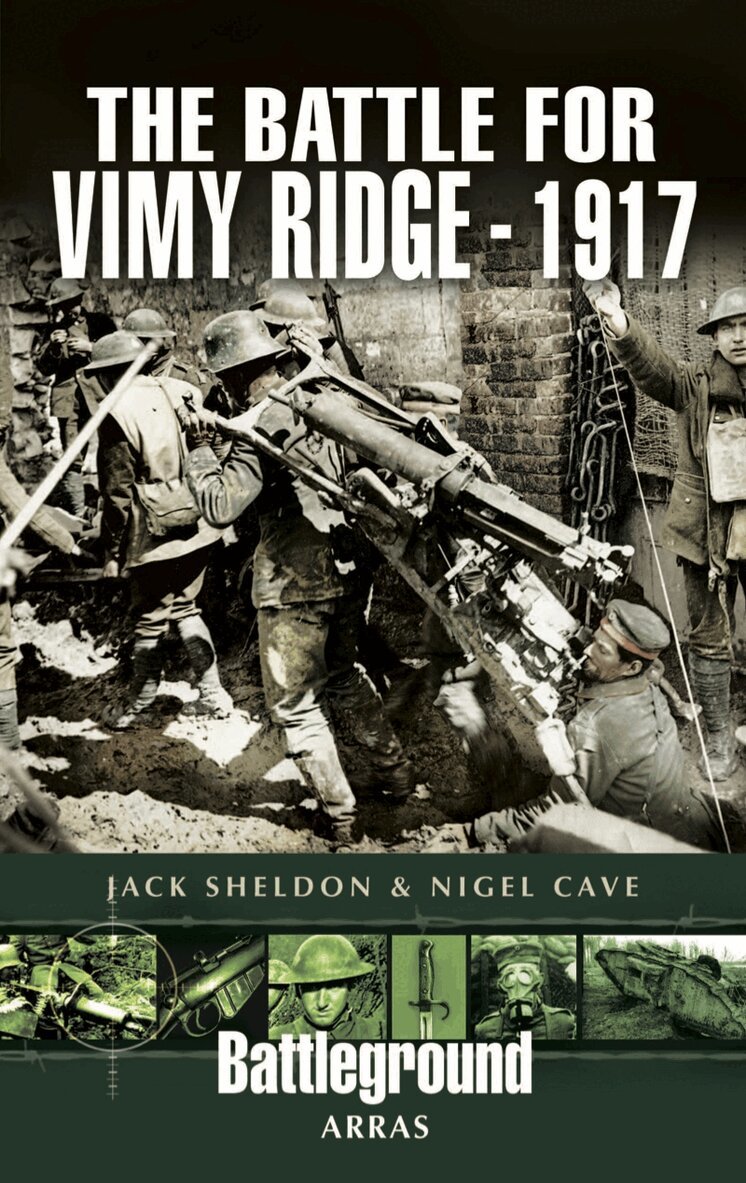
Battle for Vimy Ridge, 1917
E-bok, 2007
162 kr
Lägg i varukorg
In a new departure in the Battleground Europe series, this book is a guide to both sides of a major battle in this case to the Canadian Corps operations against 1st Bavarian Reserve Corps at Vimy from 9 12 April 1917, which formed part of the opening of the British offensive, known as the Battle of …
German Army at Passchendaele
Av Jack Sheldon
E-bok, 2021
127 kr
Lägg i varukorg
Even after the passage of almost a century, the name Passchendaele has lost none of its power to shock and dismay. Reeling from the huge losses in earlier battles, the German army was in no shape to absorb the impact of the Battle of Messines and the subsequent bitter attritional struggle. …
The Germans at Thiepval
Av Jack Sheldon
E-bok, 2021
127 kr
Lägg i varukorg
Ninety years after the Battle of the Somme was fought, visitors continue to flock in very large numbers to the massive Memorial to the Missing at Thiepval, site of a bitter three-month struggle during the summer of 1916. This book explains in detail how, from the autumn of 1914 onwards, the German …
Le Cateau
E-bok, 2021
95 kr
Lägg i varukorg
Le Cateau (26-27 August 1914) was the second major action fought by the BEF in the Great War. His men exhausted after fighting at Mons and by the subsequent speedy retreat, Lieutenant-General Horace Smith-Dorrien (commanding II Corps) decided that he had to make a stand in the vicinity of Le …
Battle for Vimy Ridge 1917
E-bok, 2021
95 kr
Lägg i varukorg
In a new departure in the Battleground Europe series, this book is a guide to both sides of a major battle – in this case to the Canadian Corps operations against 1st Bavarian Reserve Corps at Vimy from 9 – 12 April 1917, which formed part of the opening of the British offensive, known as the …
The German Army at Ypres 1914
Av Jack Sheldon
E-bok, 2021
127 kr
Lägg i varukorg
This book will be the first complete account of the operations of the German army in the battles north of Lille in the late autumn of 1914. The main emphasis will be placed on the battles around Ypres against the Old Contemptibles of the BEF, but the fighting against the French and Belgian armies …
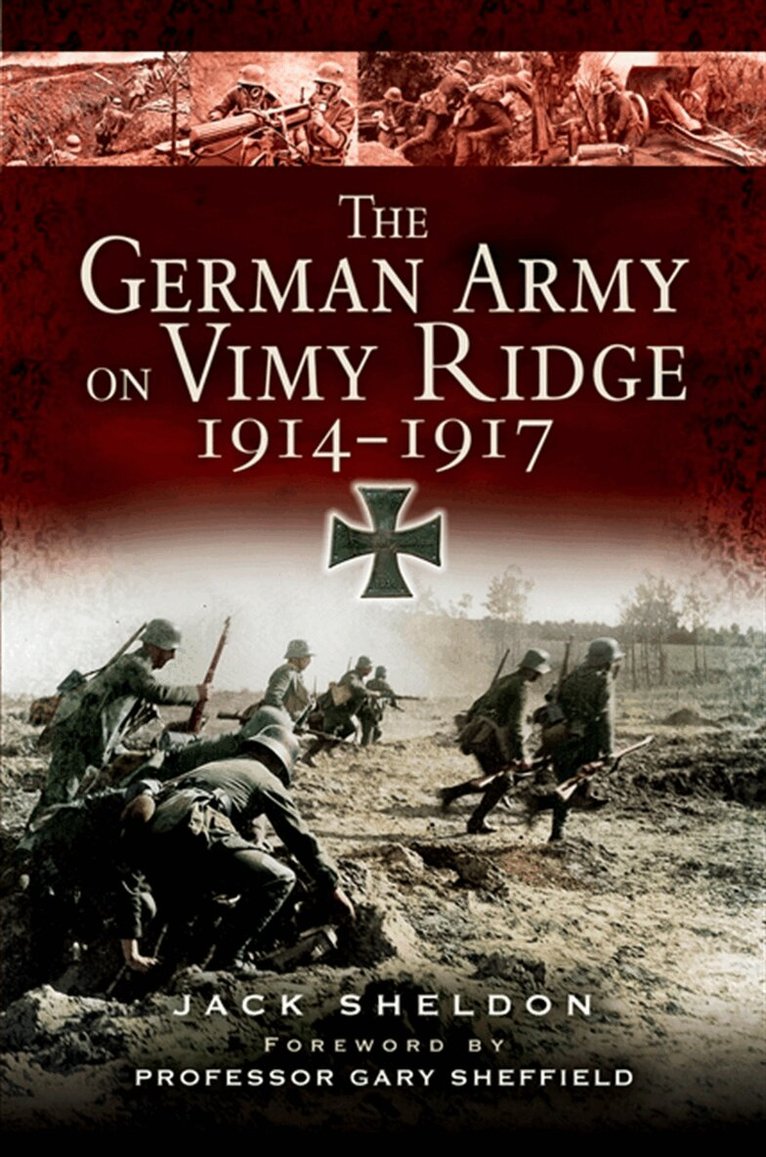
German Army on Vimy Ridge 1914 - 1917
Av Jack Sheldon
E-bok, 2021
127 kr
Lägg i varukorg
WRITTEN BY THE LEADING AUTHORITY on the German Army in The Great War, this book opens with the German capture of Vimy Ridge and the nearby spur of Notre Dame de Lorette in October 1914. The major battles of spring and autumn 1915 are covered as are the twelve months from late autumn 1915 when …
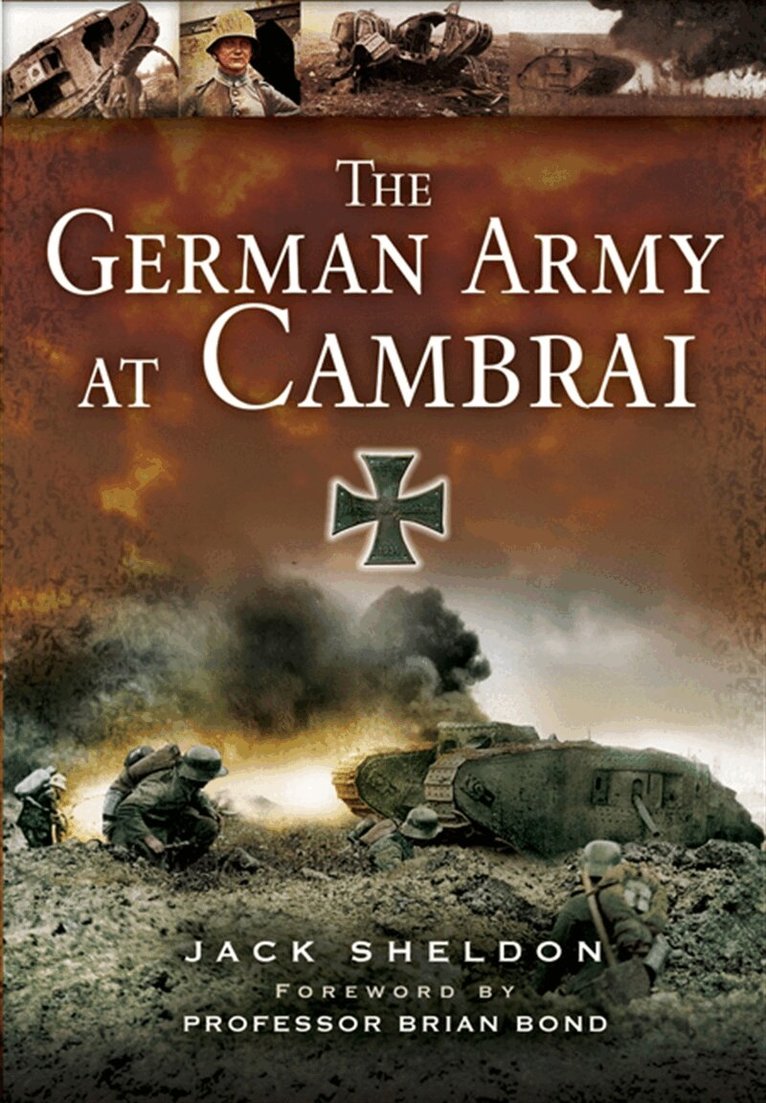
The German Army at Cambrai
Av Jack Sheldon
E-bok, 2021
111 kr
Lägg i varukorg
This latest ‘German Army’ book by Jack Sheldon covers a shorter (three week) timeframe than his earlier works. After an introductory chapter tracing the development of the Hindenburg Line, the author concentrates on German aspects of the bitterly fought battle of Cambrai from 20 November to 6 …
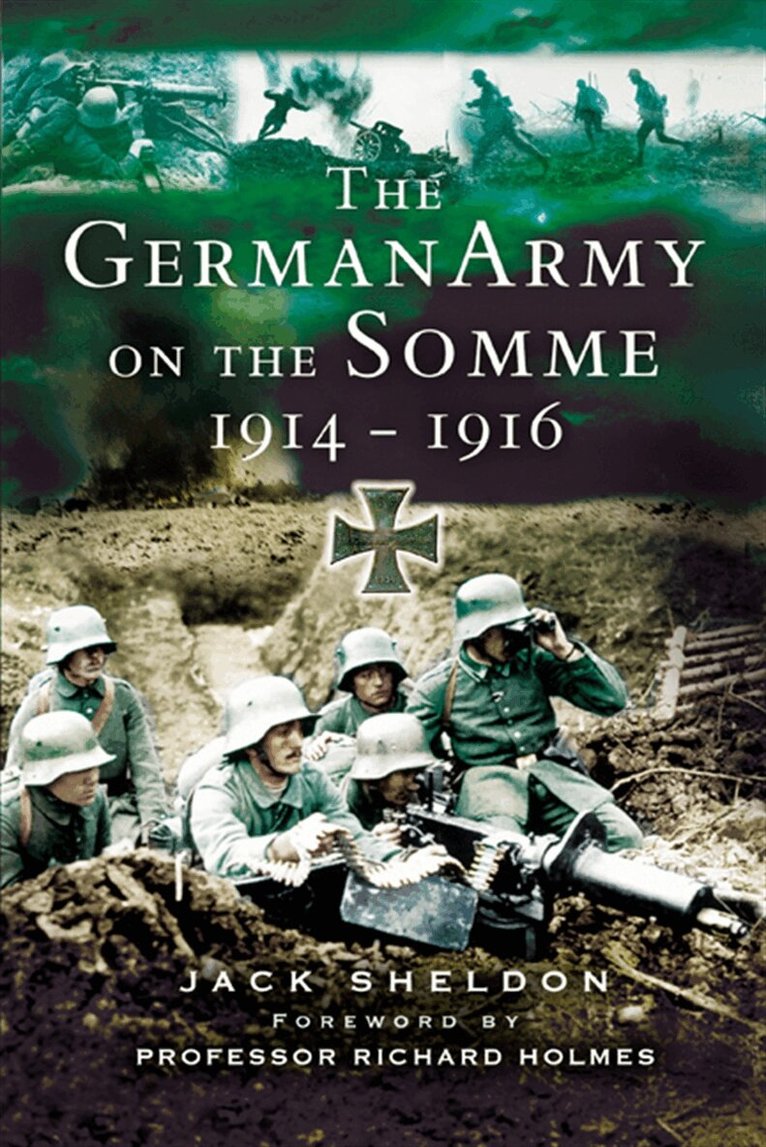
German Army on the Somme
Av Jack Sheldon
E-bok, 2021
127 kr
Lägg i varukorg
By drawing on a very large number of German sources, many of them previously unpublished, Jack Sheldon throws new light on a familiar story. In an account filled with graphic descriptions of life and death in the trenches, the author demonstrates that the dreadful losses of 1st July were a direct …
Ypres 1914: Langemarck
Häftad, 2014
157 kr
Tillfälligt slut
These three Battleground Europe books on Ypres 1914 mark the centenary of the final major battle of the 1914 campaign on the Western Front. Although fought over a relatively small area and short time span, the fighting was even more than usually chaotic and the stakes were extremely high. Authors …