Jacob Ari Labendz - Böcker
Visar alla böcker från författaren Jacob Ari Labendz. Handla med fri frakt och snabb leverans.
6 produkter
6 produkter
Jewish Property After 1945
Cultures and Economies of Ownership, Loss, Recovery, and Transfer
Häftad, Engelska, 2019
662 kr
Skickas inom 10-15 vardagar
Questions arose after 1945, and have persisted, about the ownership of properties which had belonged to Jewish communities before the Second World War, to Holocaust victims and survivors, and to Jewish expellees from the Middle East and North Africa. Studies of these properties have often focused on their symbolic values, their places in cultures of memory and identity construction, and measures of justice achieved or denied.This collection explores contesting conceptions of ownership and property claims advanced in the post-war years. The authors focus considerably upon how conflicts over these properties both shaped and reflected shifting and competing ideas about Jewish belonging. They show their outcomes to have had considerable consequences for the lived experiences of both Jews and non-Jews around the world. This is because the properties in questions always maintained their worth as material assets, just as they could also impart financial liabilities and other responsibilities to their stewards, regardless of the morality of their title. The unique decision to include studies of European, Middle Eastern, and North African communities into one volume represents an attempt to achieve a more globally sensitive language for thinking about these histories, especially at their points of contact and mutual-reference. This book was originally published as a special issue of Jewish Culture and History.
Jewish Property After 1945
Cultures and Economies of Ownership, Loss, Recovery, and Transfer
Inbunden, Engelska, 2017
2 236 kr
Skickas inom 10-15 vardagar
Questions arose after 1945, and have persisted, about the ownership of properties which had belonged to Jewish communities before the Second World War, to Holocaust victims and survivors, and to Jewish expellees from the Middle East and North Africa. Studies of these properties have often focused on their symbolic values, their places in cultures of memory and identity construction, and measures of justice achieved or denied.This collection explores contesting conceptions of ownership and property claims advanced in the post-war years. The authors focus considerably upon how conflicts over these properties both shaped and reflected shifting and competing ideas about Jewish belonging. They show their outcomes to have had considerable consequences for the lived experiences of both Jews and non-Jews around the world. This is because the properties in questions always maintained their worth as material assets, just as they could also impart financial liabilities and other responsibilities to their stewards, regardless of the morality of their title. The unique decision to include studies of European, Middle Eastern, and North African communities into one volume represents an attempt to achieve a more globally sensitive language for thinking about these histories, especially at their points of contact and mutual-reference. This book was originally published as a special issue of Jewish Culture and History.
594 kr
Skickas inom 3-6 vardagar
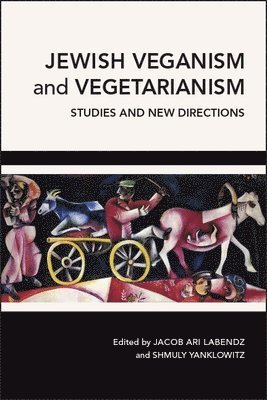
A multidisciplinary approach to the study of veganism, vegetarianism, and meat avoidance among Jews, both historical and contemporary.In recent decades, as more Jews have adopted plant-based lifestyles, Jewish vegan and vegetarian movements have become increasingly prominent. This book explores the intellectual, religious, and historical roots of veganism and vegetarianism among Jews and presents compelling new directions in Jewish thought, ethics, and foodways. The contributors, including scholars, rabbis, and activists, explore how Judaism has inspired Jews to eschew animal products and how such choices, even when not directly inspired by Judaism, have enriched and helped define Jewishness. Individually, and as a collection, the chapters in this book provide an opportunity to meditate on what may make veganism and vegetarianism particularly Jewish, as well as the potential distinctiveness of Jewish veganism and vegetarianism. The authors also examine the connections between Jewish veganism and vegetarianism and other movements, while calling attention to divisions among Jewish vegans and vegetarians, to the specific challenges of fusing Jewishness and a plant-based lifestyle, and to the resistance Jewish vegans and vegetarians can face from parts of the Jewish community. The book's various perspectives represent the cultural, theological, and ideological diversity among Jews invested in such conversations and introduce prominent debates within their movements.
1 057 kr
Skickas inom 5-8 vardagar
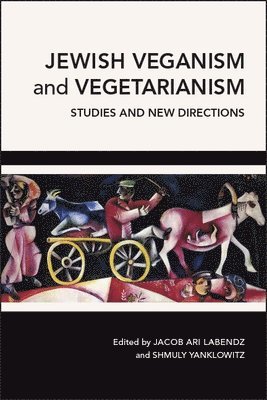
A multidisciplinary approach to the study of veganism, vegetarianism, and meat avoidance among Jews, both historical and contemporary.In recent decades, as more Jews have adopted plant-based lifestyles, Jewish vegan and vegetarian movements have become increasingly prominent. This book explores the intellectual, religious, and historical roots of veganism and vegetarianism among Jews and presents compelling new directions in Jewish thought, ethics, and foodways. The contributors, including scholars, rabbis, and activists, explore how Judaism has inspired Jews to eschew animal products and how such choices, even when not directly inspired by Judaism, have enriched and helped define Jewishness. Individually, and as a collection, the chapters in this book provide an opportunity to meditate on what may make veganism and vegetarianism particularly Jewish, as well as the potential distinctiveness of Jewish veganism and vegetarianism. The authors also examine the connections between Jewish veganism and vegetarianism and other movements, while calling attention to divisions among Jewish vegans and vegetarians, to the specific challenges of fusing Jewishness and a plant-based lifestyle, and to the resistance Jewish vegans and vegetarians can face from parts of the Jewish community. The book's various perspectives represent the cultural, theological, and ideological diversity among Jews invested in such conversations and introduce prominent debates within their movements.
1 347 kr
Kommande
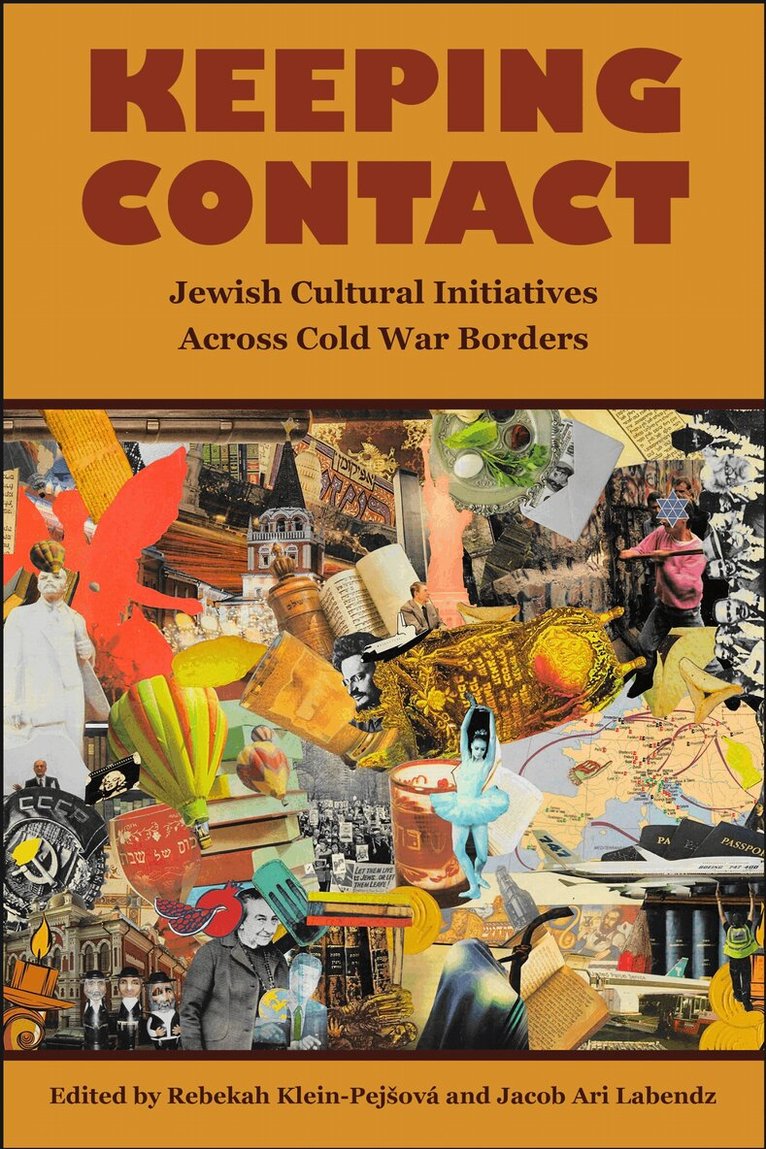
Keeping Contact: Jewish Cultural Initiatives Across Cold War Borders builds upon discussions of Jewish survival and cultural viability after the Holocaust in Eastern and Central Europe, including the Soviet Union. This book confronts both a shifting postwar geopolitical landscape and the remnants of devastated European Jewish populations with their global diasporas, tragically and radically transformed. The volume traces the flow of ideas, people, cultural practices and materials, and even bodily remains across securitized Cold War borders, as the postwar geography of European Jewish life largely shifted to Israel and North America. How did Jews and Jewish institutions across hostile Cold War geopolitical boundaries seek and maintain contact with each other? Contact meant continuity. Contact was a means of mapping the Cold War terrain, of exploring strategies of adaptation, conservation, and reconstruction. It meant rabbis' reprised visits to the USSR, wholesale movement of libraries, dissent, dashed dreams of belonging, and urns of ashes.
552 kr
Kommande
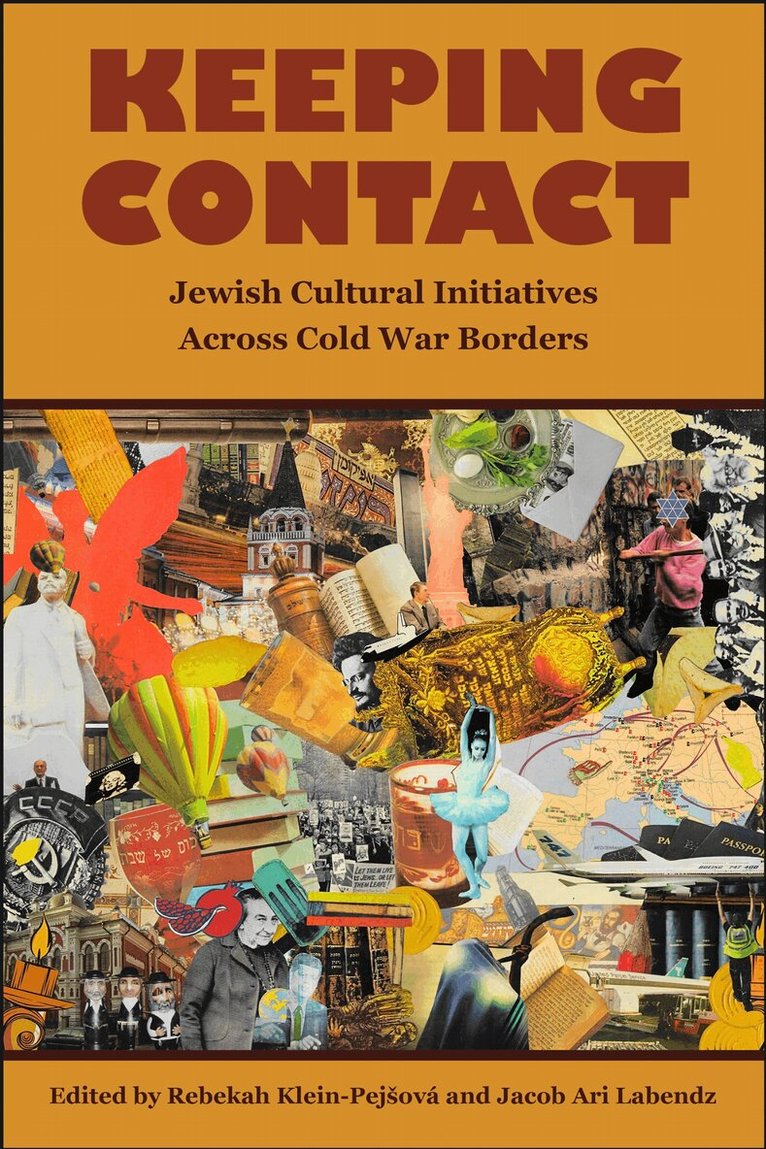
Keeping Contact: Jewish Cultural Initiatives Across Cold War Borders builds upon discussions of Jewish survival and cultural viability after the Holocaust in Eastern and Central Europe, including the Soviet Union. This book confronts both a shifting postwar geopolitical landscape and the remnants of devastated European Jewish populations with their global diasporas, tragically and radically transformed. The volume traces the flow of ideas, people, cultural practices and materials, and even bodily remains across securitized Cold War borders, as the postwar geography of European Jewish life largely shifted to Israel and North America. How did Jews and Jewish institutions across hostile Cold War geopolitical boundaries seek and maintain contact with each other? Contact meant continuity. Contact was a means of mapping the Cold War terrain, of exploring strategies of adaptation, conservation, and reconstruction. It meant rabbis' reprised visits to the USSR, wholesale movement of libraries, dissent, dashed dreams of belonging, and urns of ashes.