Rebekah Klein-Pejšová - Böcker
Visar alla böcker från författaren Rebekah Klein-Pejšová. Handla med fri frakt och snabb leverans.
3 produkter
3 produkter
440 kr
Skickas inom 7-10 vardagar
In the aftermath of World War I, the largely Hungarian-speaking Jews in Slovakia faced the challenge of reorienting their political loyalties from defeated Hungary to newly established Czechoslovakia. Rebekah Klein-Pejšová examines the challenges Slovak Jews faced as government officials, demographers, and police investigators continuously tested their loyalty. Focusing on "Jewish nationality" as a category of national identity, Klein-Pejšová shows how Jews recast themselves as loyal citizens of Czechoslovakia. Mapping Jewish Loyalties in Interwar Slovakia traces how the interwar state saw and understood minority loyalty and underscores how loyalty preceded identity in the redrawn map of east central Europe.
1 347 kr
Kommande
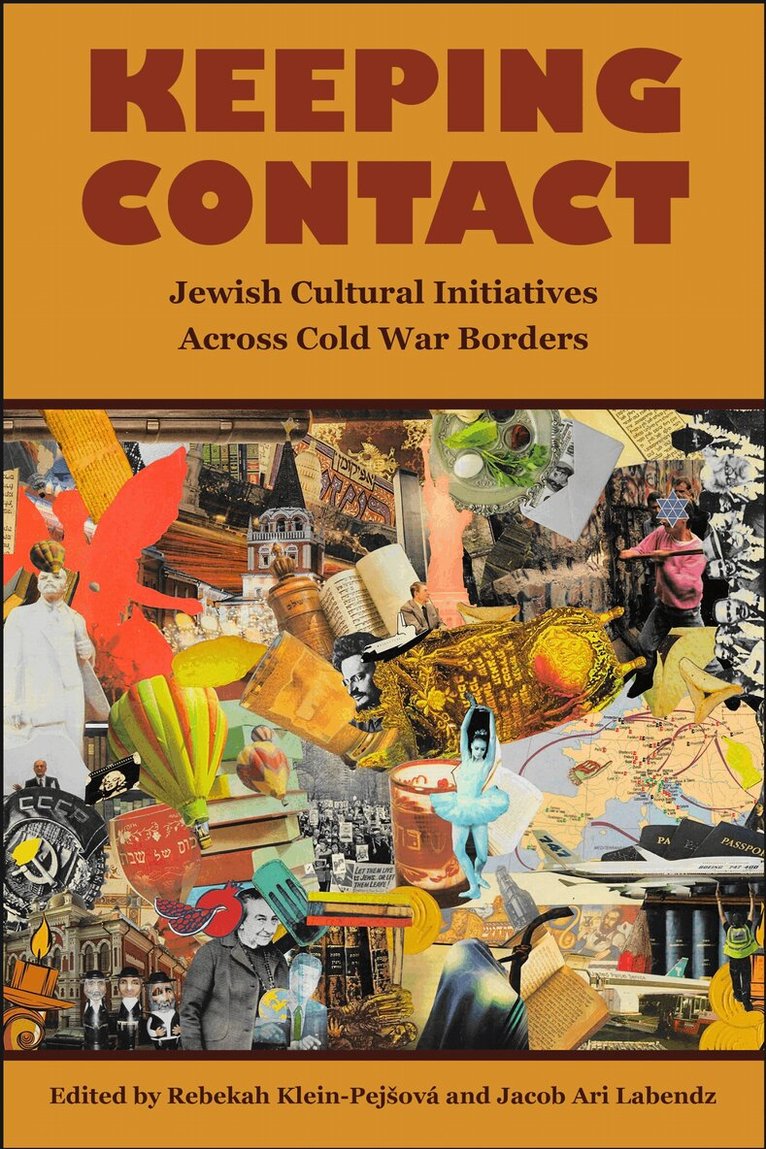
Keeping Contact: Jewish Cultural Initiatives Across Cold War Borders builds upon discussions of Jewish survival and cultural viability after the Holocaust in Eastern and Central Europe, including the Soviet Union. This book confronts both a shifting postwar geopolitical landscape and the remnants of devastated European Jewish populations with their global diasporas, tragically and radically transformed. The volume traces the flow of ideas, people, cultural practices and materials, and even bodily remains across securitized Cold War borders, as the postwar geography of European Jewish life largely shifted to Israel and North America. How did Jews and Jewish institutions across hostile Cold War geopolitical boundaries seek and maintain contact with each other? Contact meant continuity. Contact was a means of mapping the Cold War terrain, of exploring strategies of adaptation, conservation, and reconstruction. It meant rabbis' reprised visits to the USSR, wholesale movement of libraries, dissent, dashed dreams of belonging, and urns of ashes.
552 kr
Kommande
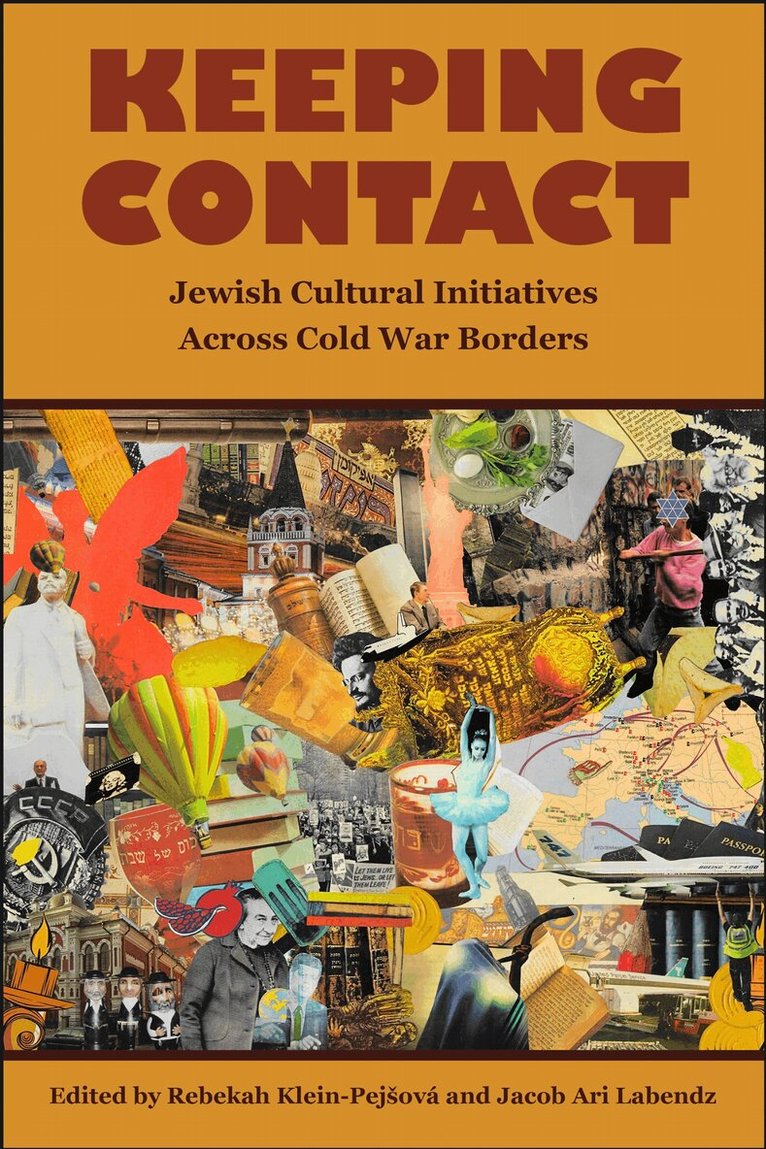
Keeping Contact: Jewish Cultural Initiatives Across Cold War Borders builds upon discussions of Jewish survival and cultural viability after the Holocaust in Eastern and Central Europe, including the Soviet Union. This book confronts both a shifting postwar geopolitical landscape and the remnants of devastated European Jewish populations with their global diasporas, tragically and radically transformed. The volume traces the flow of ideas, people, cultural practices and materials, and even bodily remains across securitized Cold War borders, as the postwar geography of European Jewish life largely shifted to Israel and North America. How did Jews and Jewish institutions across hostile Cold War geopolitical boundaries seek and maintain contact with each other? Contact meant continuity. Contact was a means of mapping the Cold War terrain, of exploring strategies of adaptation, conservation, and reconstruction. It meant rabbis' reprised visits to the USSR, wholesale movement of libraries, dissent, dashed dreams of belonging, and urns of ashes.