Jacob F. H. Smith - Böcker
Visar alla böcker från författaren Jacob F. H. Smith. Handla med fri frakt och snabb leverans.
3 produkter
3 produkter
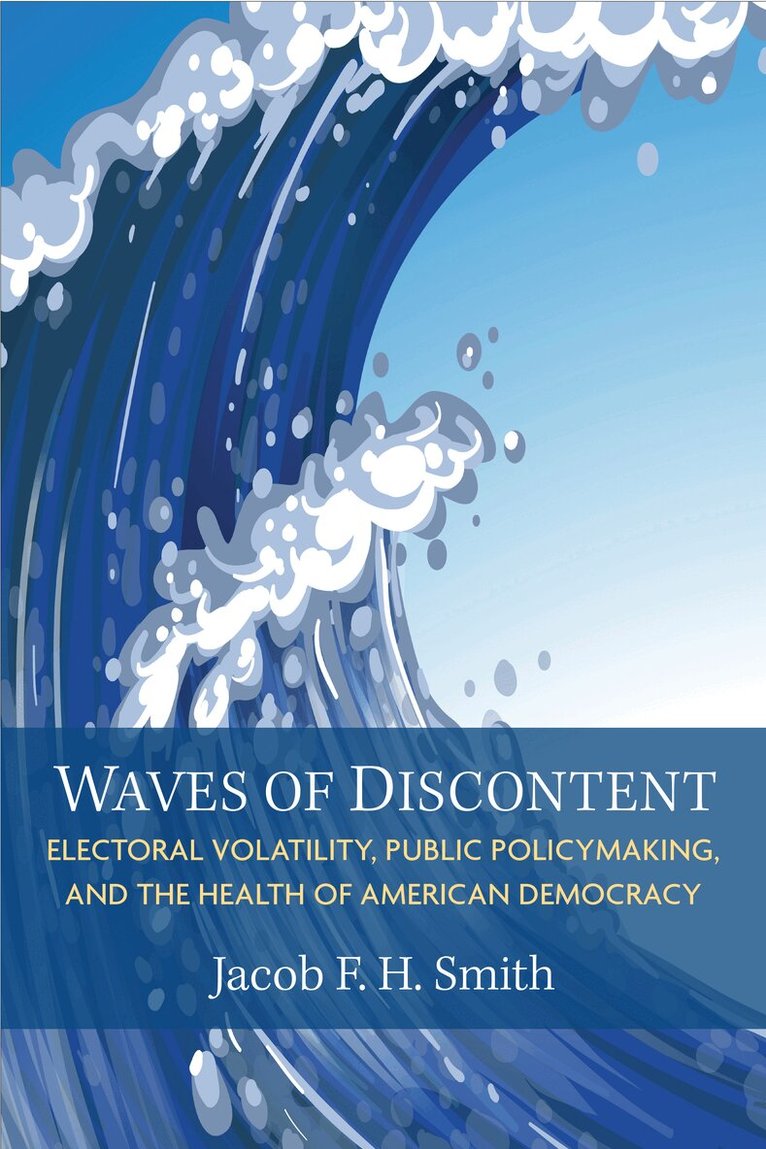
Waves of Discontent
Electoral Volatility, Public Policymaking, and the Health of American Democracy
Häftad, Engelska, 2025
360 kr
Skickas inom 7-10 vardagar
After a period of relative calm in congressional elections prior to 2006, America has experienced a series of highly competitive, volatile national elections. Since then, at least one of the US House, US Senate, and presidency has flipped party control—often with a large House or Senate seat swing—with the exception of the 2012 election. In Waves of Discontent, Jacob F. H. Smith argues that a pervasive feeling of displeasure in the American public has caused this increase in electoral volatility. Conducting statistical analyses of a wide array of surveys, Smith found that these feelings of displeasure translate to lower turnout among voters from the president’s party and a higher percentage of independents voting for the other party. Subsequently, he conducted a content analysis of New York Times articles to look at the connection between unrest in American society and seat swings in congressional elections, even before the existence of polling. Examining the consequences of volatility in congressional elections reveals that political amateurs are more likely to win in wave years than in normal years. Based on this data, Smith presents a new theory about the policy process—the policy doom loop—in which frustration among voters at both the inability of Congress to pass policy and anger at policies that actually do pass results in even more churn in congressional elections. Waves of Discontent offers some suggestions to promote constructive policymaking efforts in Washington to reduce frustration in the electorate.
992 kr
Skickas inom 7-10 vardagar
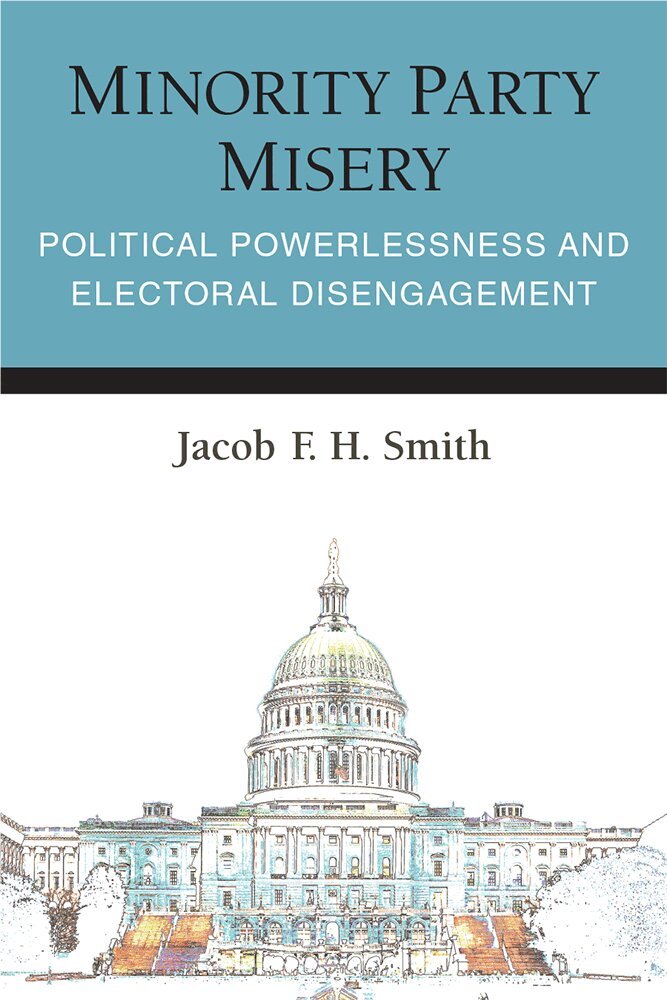
This book examines the role of minority party status on politicians’ engagement in electoral politics. Jacob Smith argues that politicians are more likely to be engaged in electoral politics when they expect their party to be in the majority in Congress after the next election and less likely when they anticipate their party will be in the minority. This effect is particularly likely to hold true in recent decades where parties disagree on a substantial number of issues. Politicians whose party will be in the majority have a clear incentive to engage in electoral politics because their preferred policies have a credible chance of passing if they are in the majority. In contrast, it is generally difficult for minority party lawmakers to get a hearing on—much less advance—their preferred policies, particularly when institutional rules inside Congress favor the majority party. Instead, minority party lawmakers spend most of their time fighting losing battles against policy proposals from the majority party. Minority Party Misery examines the consequences of the powerlessness that politicians feel from continually losing battles to the majority party in Congress. Its findings have important consequences for democratic governance, as highly qualified minority party politicians may choose to leave office due to their dismal circumstances rather than continue to serve until their party eventually reenters the majority.
Waves of Discontent
Electoral Volatility, Public Policymaking, and the Health of American Democracy
Inbunden, Engelska, 2025
1 121 kr
Skickas inom 7-10 vardagar
After a period of relative calm in congressional elections prior to 2006, America has experienced a series of highly competitive, volatile national elections. Since then, at least one of the US House, US Senate, and presidency has flipped party control—often with a large House or Senate seat swing—with the exception of the 2012 election. In Waves of Discontent, Jacob F. H. Smith argues that a pervasive feeling of displeasure in the American public has caused this increase in electoral volatility. Conducting statistical analyses of a wide array of surveys, Smith found that these feelings of displeasure translate to lower turnout among voters from the president’s party and a higher percentage of independents voting for the other party. Subsequently, he conducted a content analysis of New York Times articles to look at the connection between unrest in American society and seat swings in congressional elections, even before the existence of polling. Examining the consequences of volatility in congressional elections reveals that political amateurs are more likely to win in wave years than in normal years. Based on this data, Smith presents a new theory about the policy process—the policy doom loop—in which frustration among voters at both the inability of Congress to pass policy and anger at policies that actually do pass results in even more churn in congressional elections. Waves of Discontent offers some suggestions to promote constructive policymaking efforts in Washington to reduce frustration in the electorate.