Jaime Marroquín Arredondo – författare
Visar alla böcker från författaren Jaime Marroquín Arredondo. Handla med fri frakt och snabb leverans.
5 produkter
5 produkter
Inbunden, Engelska, 2019
715 kr
Skickas inom 10-15 vardagar
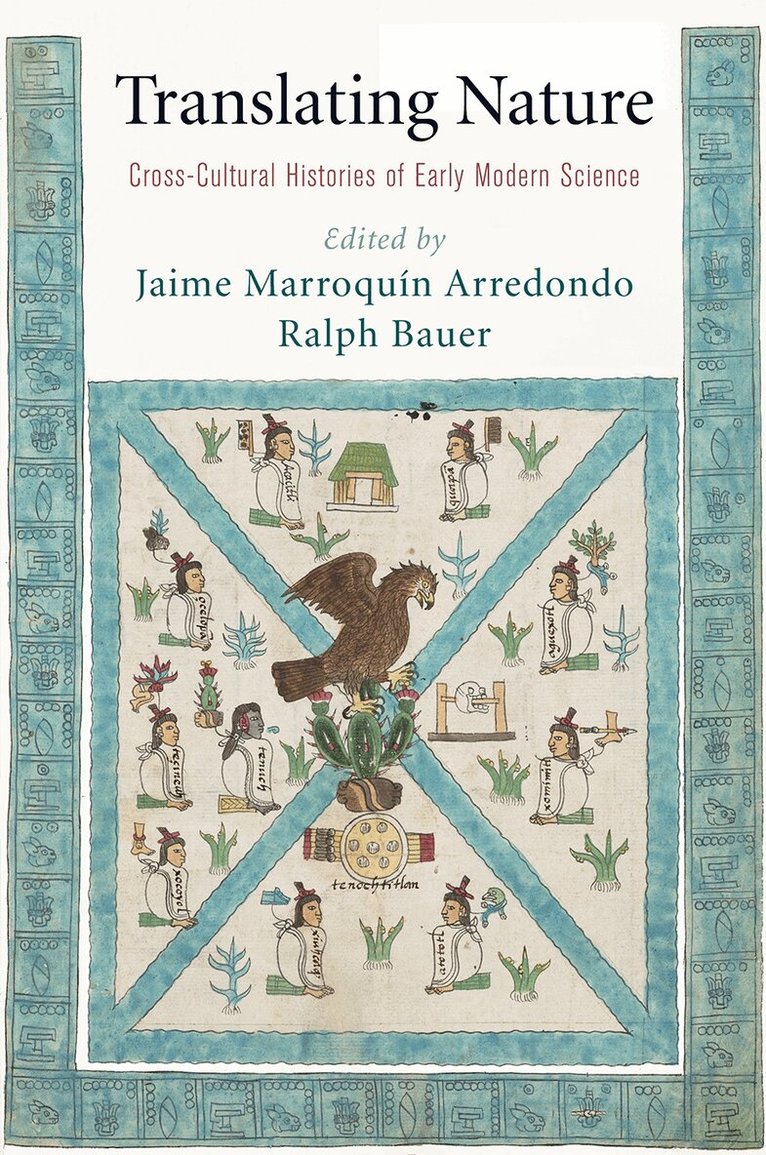
Translating Nature recasts the era of early modern science as an age not of discovery but of translation. As Iberian and Protestant empires expanded across the Americas, colonial travelers encountered, translated, and reinterpreted Amerindian traditions of knowledge-knowledge that was later translated by the British, reading from Spanish and Portuguese texts. Translations of natural and ethnographic knowledge therefore took place across multiple boundaries-linguistic, cultural, and geographical-and produced, through their transmissions, the discoveries that characterize the early modern era. In the process, however, the identities of many of the original bearers of knowledge were lost or hidden in translation.The essays in Translating Nature explore the crucial role that the translation of philosophical and epistemological ideas played in European scientific exchanges with American Indians; the ethnographic practices and methods that facilitated appropriation of Amerindian knowledge; the ideas and practices used to record, organize, translate, and conceptualize Amerindian naturalist knowledge; and the persistent presence and influence of Amerindian and Iberian naturalist and medical knowledge in the development of early modern natural history. Contributors highlight the global nature of the history of science, the mobility of knowledge in the early modern era, and the foundational roles that Native Americans, Africans, and European Catholics played in this age of translation.Contributors: Ralph Bauer, Daniela Bleichmar, William Eamon, Ruth Hill, Jaime MarroquÍn Arredondo, Sara Miglietti, Luis Millones Figueroa, Marcy Norton, Christopher Parsons, Juan Pimentel, Sarah Rivett, John Slater.
E-bok
Engelska, 2019992 kr
Läs direkt efter köp
Translating Nature recasts the era of early modern science as an age not of discovery but of translation. As Iberian and Protestant empires expanded across the Americas, colonial travelers encountered, translated, and reinterpreted Amerindian traditions of knowledge-knowledge that was later translated by the British, reading from Spanish and Portuguese texts. Translations of natural and ethnographic knowledge therefore took place across multiple boundaries-linguistic, cultural, and geographical-and produced, through their transmissions, the discoveries that characterize the early modern era. In the process, however, the identities of many of the original bearers of knowledge were lost or hidden in translation.The essays in Translating Nature explore the crucial role that the translation of philosophical and epistemological ideas played in European scientific exchanges with American Indians; the ethnographic practices and methods that facilitated appropriation of Amerindian knowledge; the ideas and practices used to record, organize, translate, and conceptualize Amerindian naturalist knowledge; and the persistent presence and influence of Amerindian and Iberian naturalist and medical knowledge in the development of early modern natural history. Contributors highlight the global nature of the history of science, the mobility of knowledge in the early modern era, and the foundational roles that Native Americans, Africans, and European Catholics played in this age of translation.Contributors: Ralph Bauer, Daniela Bleichmar, William Eamon, Ruth Hill, Jaime MarroquÍn Arredondo, Sara Miglietti, Luis Millones Figueroa, Marcy Norton, Christopher Parsons, Juan Pimentel, Sarah Rivett, John Slater.
E-bok
Spanska, 2016316 kr
Läs direkt efter köp
El descubrimiento, conquista y colonización de América son temas recurrentes en la historiografía de Occidente. Poco se ha escrito, sin embargo, acerca de la descripción del Nuevo Mundo, empresa que desbordó los modelos intelectuales y retóricos de la Antigüedad y dio inicio a la epistemología moderna. En Diálogos con Quetzalcóatl: humanismo, etnografía y ciencia (1492-1577), Jaime Marroquín Arredondo demuestra que la llamada Revolución Científica tiene evidentes orígenes en las historias etnográficas y naturales compuestas por los humanistas españoles y nahuas en México-Nueva España durante el siglo XVI. En México, los humanistas intentaron incorporar la ciencia y la ética mesoamericanas a la filosofía natural y moral de Occidente. Su experta transformación retórica de la historia en método empírico de investigación de la realidad de las culturas y la naturaleza de América, contribuyó sin duda al desarrollo de las nuevas prácticas empíricas y del nuevo marco epistemológico para el estudio de la realidad que caracterizarían a la nueva ciencia. Los inicios de la ciencia natural son en buena medida un ejercicio de traducción cultural. La metódica y racionalista desacralización de la naturaleza, paradigma de la modernidad, comienza con la obtención y transformación retóricas del conocimiento mesoamericano.
Häftad, Spanska, 2025
584 kr
Skickas inom 3-6 vardagar
E-bok
Spanska, 2025588 kr
Läs direkt efter köp
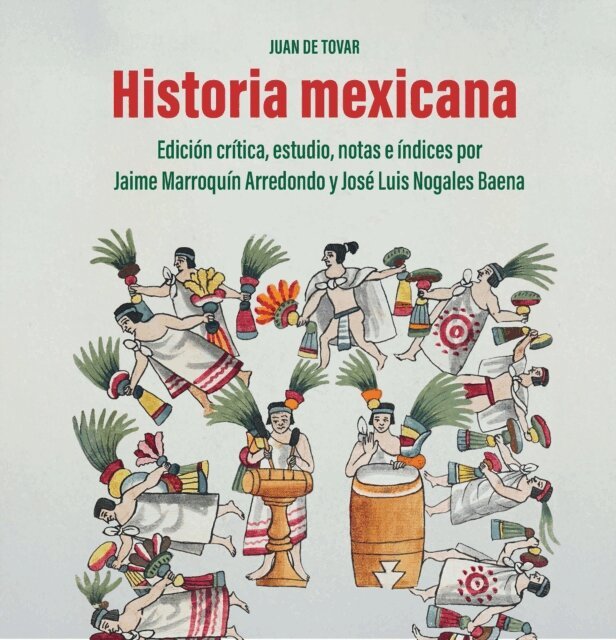
Esta es la primera edicion completa del texto comprendido en el llamado Codice Tovar (ca. 1587), el cual hemos intitulado Historia mexicana. Su elaboracion fue coordinada por el sacerdote mexicano Juan de Tovar, al parecer el primer jesuita mestizo de Nueva Espana, quien se refirio al manuscrito como una "e;historia mexicana"e;. La obra, cuya fuente principal es la Historia de las Indias de Nueva Espana, de Diego Duran, sintetiza mas de sesenta anos de investigaciones hispanas acerca de la historia, la religion y la ciencia nahuas. Conscientes de la comun censura a las historias del antiguo Mexico en esos anos, el equipo de Tovar escribio e ilustro la que pretendia ser una nueva historia oficial mexica y una narrativa fundacional del reino de la Nueva Espana. Narra, a partir del cotejo de diversas fuentes indigenas, la historia de la ultima nacion en partir de la mitica region de Aztlan y asentarse en los valles de Texcoco y Tlaxcala; su relato termina con la tragica muerte de Moctezuma Xocoyotzin. Incluye un breve tratado etnografico acerca de los principales rituales del mundo nahua en los anos que precedieron a la llegada europea, asi como un calendario de las veintenas o meses nahuas, asimiladas a los meses cristianos y con descripciones de las fiestas del ciclo agricola mesoamericano.