Jaishree K. Odin – författare
Visar alla böcker från författaren Jaishree K. Odin. Handla med fri frakt och snabb leverans.
3 produkter
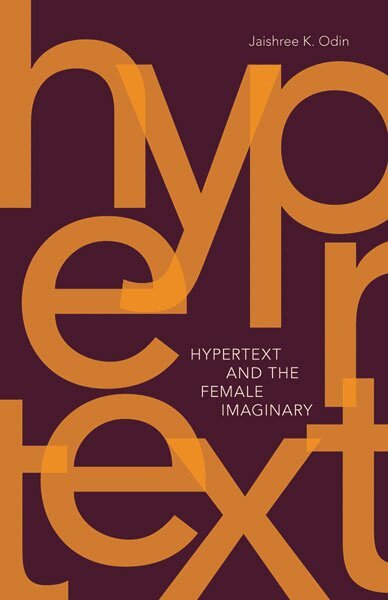
Hypertext and the Female Imaginary
Häftad, 2010
275 kr
Lägg i varukorg
In Hypertext and the Female Imaginary, Jaishree K. Odin reveals how media that use hypertextual strategies of narrative fragmentation provocatively engage questions of gender or cultural difference. Odin addresses hypertext on two levels: as an artistic technique in electronic or film narratives …
Globalization and Higher Education
Av Jaishree K. Odin, Peter T. Manicas
Häftad, 2004
305 kr
Lägg i varukorg
Post-secondary education is a massive globalizing industry with a potential for growth that cannot be overestimated. By 2010 there will be 100 million people in the world, all fully qualified to proceed from secondary to tertiary education, but there will be no room left on any campus. A …
Globalization and Higher Education
Av Jaishree K. Odin, Peter T. Manicas
Inbunden, 2004
631 kr
Tillfälligt slut
Post-secondary education is a massive globalizing industry with a potential for growth that cannot be overestimated. By 2010 there will be 100 million people in the world, all fully qualified to proceed from secondary to tertiary education, but there will be no room left on any campus. A …