Jake Robinson – författare
Visar alla böcker från författaren Jake Robinson. Handla med fri frakt och snabb leverans.
7 produkter
7 produkter
135 kr
Skickas
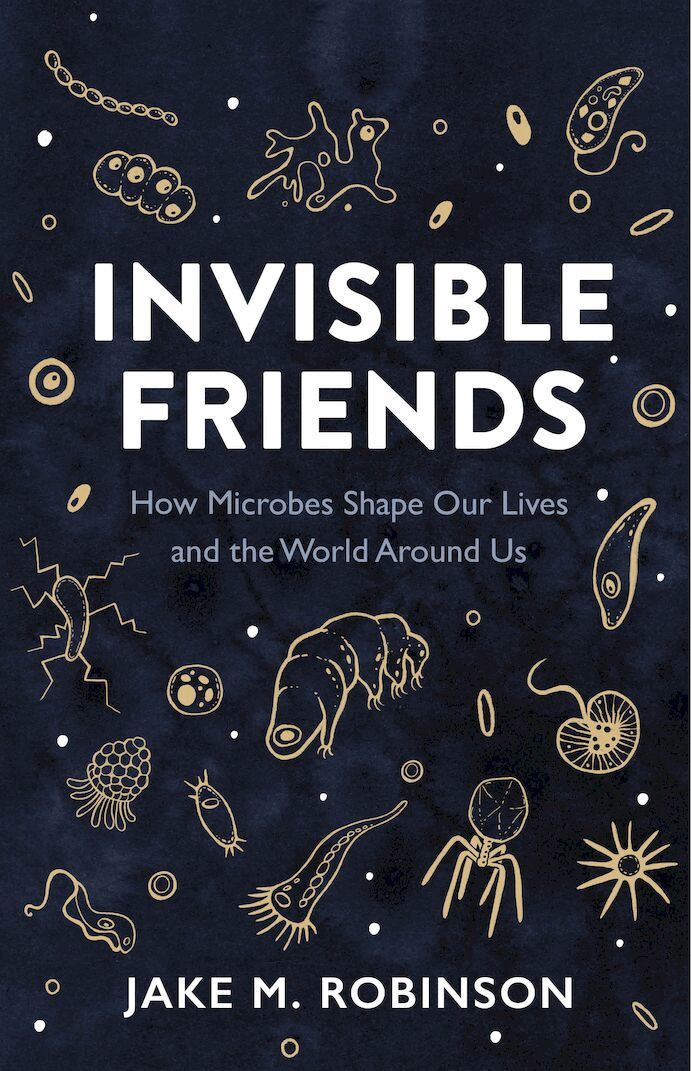
As we continue to live through a pandemic, all eyes are on microbes: an imperceptible and pervasive threat that hangs heavy on the air and clings to surfaces. But the reality of micro-organisms is far more diverse and life-sustaining than such a notion would have us believe (hence the title of this book). Not only are they omnipresent, but we are highly attuned to their workings – both in the world at large and right here within our own bodies. Meanwhile, cutting-edge microbiome research is changing our understanding of reality, challenging fundamental concepts of free will and individuality. Threaded through everything are microbes: the very glue that holds ecosystems together.This topical, engaging and original book counters the prevailing narrative of microbes as the bane of society, along the way providing much-needed clarity on the overwhelmingly beneficial role they play. We discover how the microbiome is highly relevant to environmental and social equity issues, while there’s also discussion about how microbes may influence our decisions: even the way we think about how we think may need to be revisited. Invisible Friends introduces the reader to a vast, pullulating cohort of minute life – friends you never knew you had.
188 kr
Skickas
As we continue to live through a pandemic, all eyes are on microbes: an imperceptible and pervasive threat that hangs heavy on the air and clings to surfaces. But the reality of micro-organisms is far more diverse and life-sustaining than such a notion would have us believe (hence the title of this book). Not only are they omnipresent, but we are highly attuned to their workings – both in the world at large and right here within our own bodies. Meanwhile, cutting-edge microbiome research is changing our understanding of reality, challenging fundamental concepts of free will and individuality. Threaded through everything are microbes: the very glue that holds ecosystems together.This topical, engaging and original book counters the prevailing narrative of microbes as the bane of society, along the way providing much-needed clarity on the overwhelmingly beneficial role they play. We discover how the microbiome is highly relevant to environmental and social equity issues, while there’s also discussion about how microbes may influence our decisions: even the way we think about how we think may need to be revisited. Invisible Friends introduces the reader to a vast, pullulating cohort of minute life – friends you never knew you had.
220 kr
Skickas
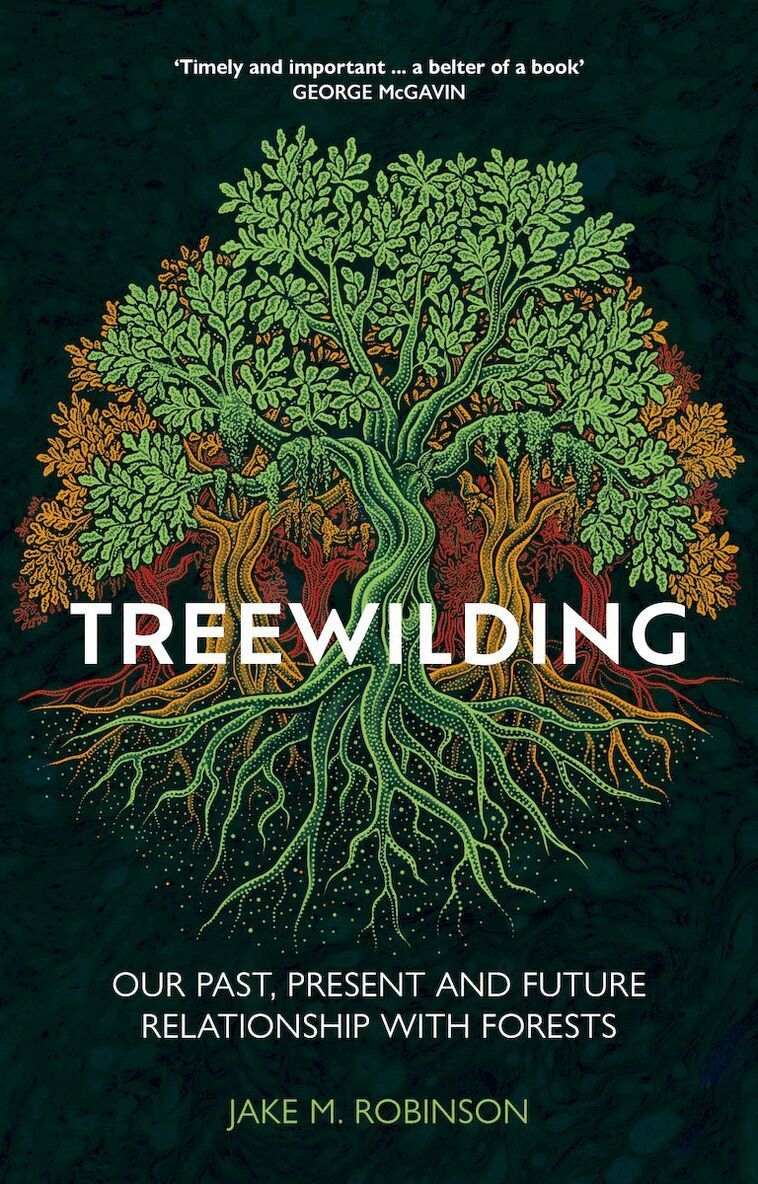
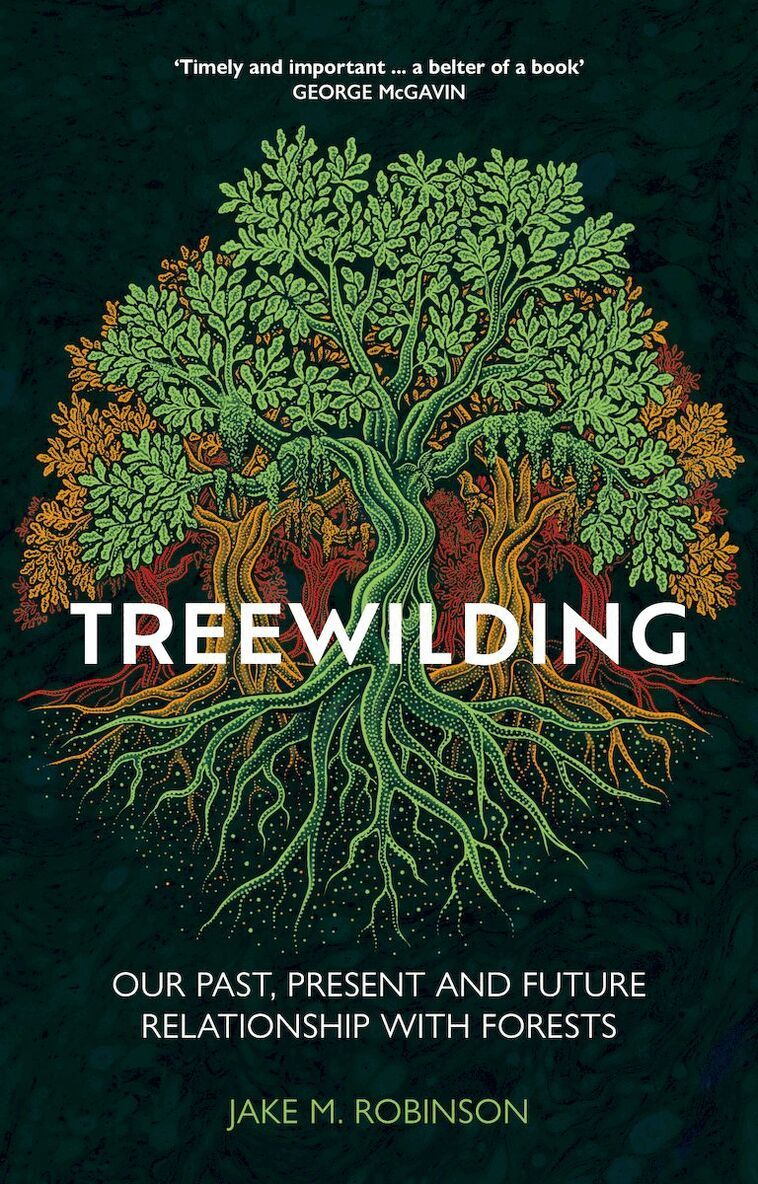
As we clear millions of hectares of forests globally, the challenge of restoring these precious ecosystems becomes ever more pressing. The stakes are high: a staggering 95% of Earth’s land could succumb to degradation by 2050. While the task might appear straightforward – simply plant millions of trees – the reality is far more perplexing. Haphazard tree-planting in unsuitable locations can wreak havoc on ecosystems and jeopardise the livelihoods of local communities.The surge of interest in restoring forests has ushered in a wave of greenwashing, where deceptive environmental marketing and scientific mishaps undermine genuine efforts. Yet this new focus also brings forth a plethora of solutions and many rays of hope. Amidst such a landscape, cutting-edge science and Indigenous knowledge together can redefine our understanding in a way that not only helps regenerate nature but also allows human communities to thrive.This original, topical and engaging book navigates the complex realm of forest restoration. It reveals how a nuanced approach is required – one that integrates the latest scientific advancements (for instance in microbial ecology, acoustic technology and epigenetics), Indigenous leadership and a holistic understanding of the interconnectedness of life within these vital ecosystems. Treewilding asks us to reflect on our relationship with trees and how we must see the woods (intricate social and ecological systems) for the wood (timber) – a realisation that is perhaps the biggest ‘secret’ to restoring nature.
360 kr
Tillfälligt slut
348 kr
Tillfälligt slut
227 kr
Skickas
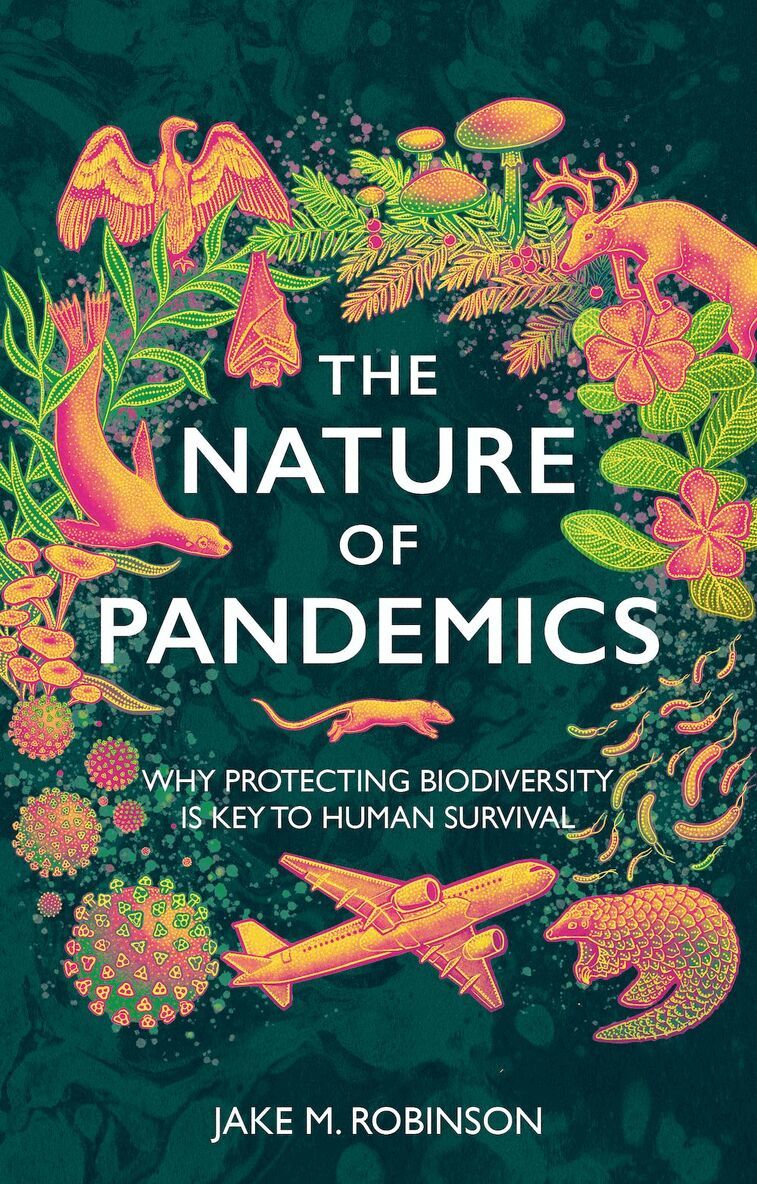
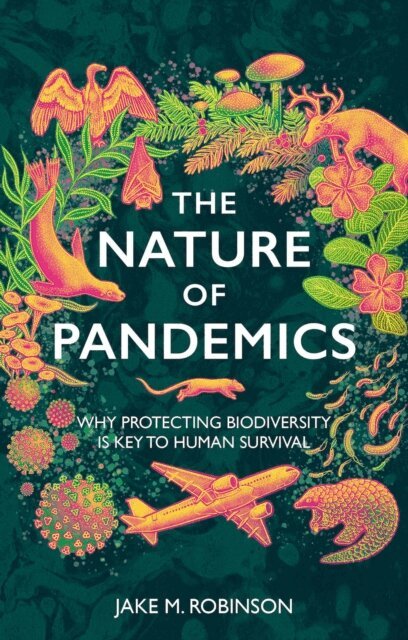
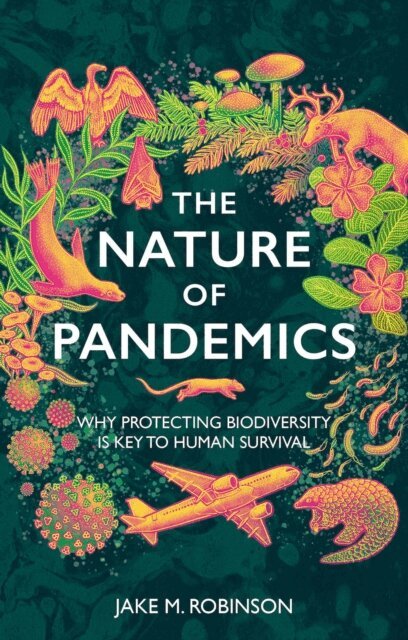
When will the next pandemic arrive? For wildlife, it’s already here.The Nature of Pandemics explores an unspoken truth: how our actions are driving wildlife pandemics across the world. Highlighting the interconnectedness of human, (non-human) animal and environmental health, it examines historical and contemporary pandemics and considers the importance of conservation and restoration efforts, presenting a compelling case for rethinking how we approach pandemic prevention.This timely book reframes pandemics as ecological crises that require ecological solutions, unravelling the relationship between biodiversity, ecosystem health and pandemic risk. It reveals how climate change and human activities such as habitat destruction and the wildlife trade contribute to the emergence of infectious diseases, taking the reader through likely candidates for the next pandemic. An in-depth analysis of historical pandemics links past outbreaks, such as the bubonic plague in Eyam, to modern epidemiological challenges. The book also investigates human–wildlife conflict and social equity issues, demonstrating how deforestation and land-use change drive spillovers and how poorer communities disproportionately bear the brunt of outbreaks.Pandemics pose an escalating global threat, their frequency increasing due to human-induced environmental changes. Prevention is not just down to medical preparedness but also about restoring and protecting biodiversity. By offering solutions such as green prescriptions, ecosystem restoration and sustainable policies, this book sets out an exciting interdisciplinary perspective that merges microbiology, ecology, epidemiology and restoration science.
167 kr
Kommande
As we clear millions of hectares of forests globally, the challenge of restoring these precious ecosystems becomes ever more pressing. The stakes are high: a staggering 95% of Earth’s land could succumb to degradation by 2050. While the task might appear straightforward – simply plant millions of trees – the reality is far more perplexing. Haphazard tree-planting in unsuitable locations can wreak havoc on ecosystems and jeopardise the livelihoods of local communities.The surge of interest in restoring forests has ushered in a wave of greenwashing, where deceptive environmental marketing and scientific mishaps undermine genuine efforts. Yet this new focus also brings forth a plethora of solutions and many rays of hope. Amidst such a landscape, cutting-edge science and Indigenous knowledge together can redefine our understanding in a way that not only helps regenerate nature but also allows human communities to thrive.This original, topical and engaging book navigates the complex realm of forest restoration. It reveals how a nuanced approach is required – one that integrates the latest scientific advancements (for instance in microbial ecology, acoustic technology and epigenetics), Indigenous leadership and a holistic understanding of the interconnectedness of life within these vital ecosystems. Treewilding asks us to reflect on our relationship with trees and how we must see the woods (intricate social and ecological systems) for the wood (timber) – a realisation that is perhaps the biggest ‘secret’ to restoring nature.