James A. Kapaló – författare
Visar alla böcker från författaren James A. Kapaló. Handla med fri frakt och snabb leverans.
9 produkter
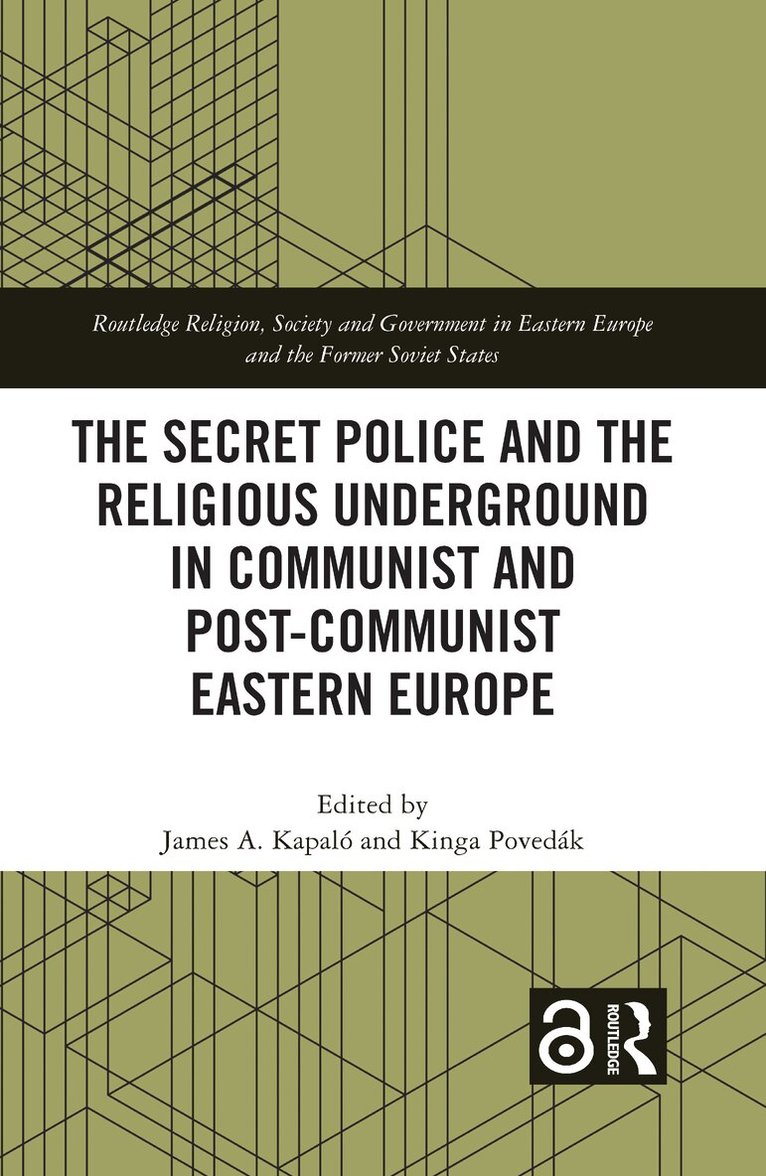
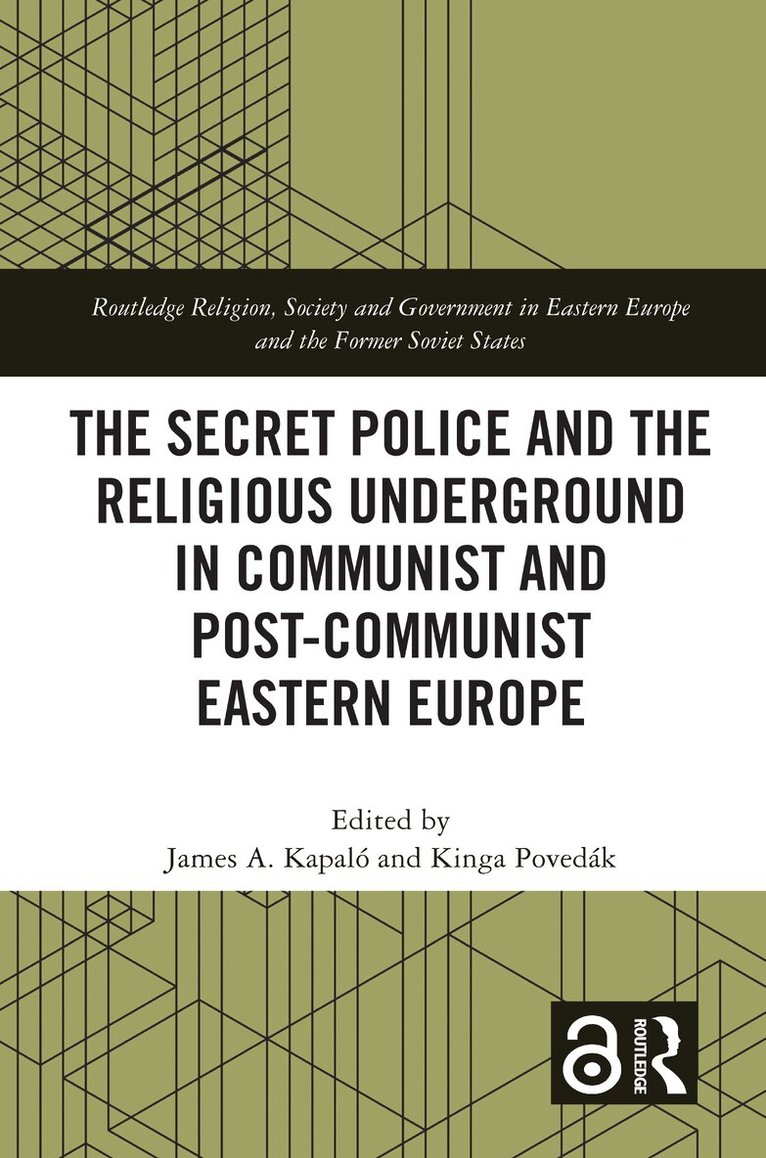
Secret Police and the Religious Underground in Communist and Post-Communist Eastern Europe
Av James A. Kapaló, Kinga Povedák
Inbunden, 2021
2834 kr
Lägg i varukorg
This book addresses the complex intersection of secret police operations and the formation of the religious underground in communist-era Eastern Europe. It discusses how religious groups were perceived as dangerous to the totalitarian state whilst also being extremely vulnerable and yet at the same …
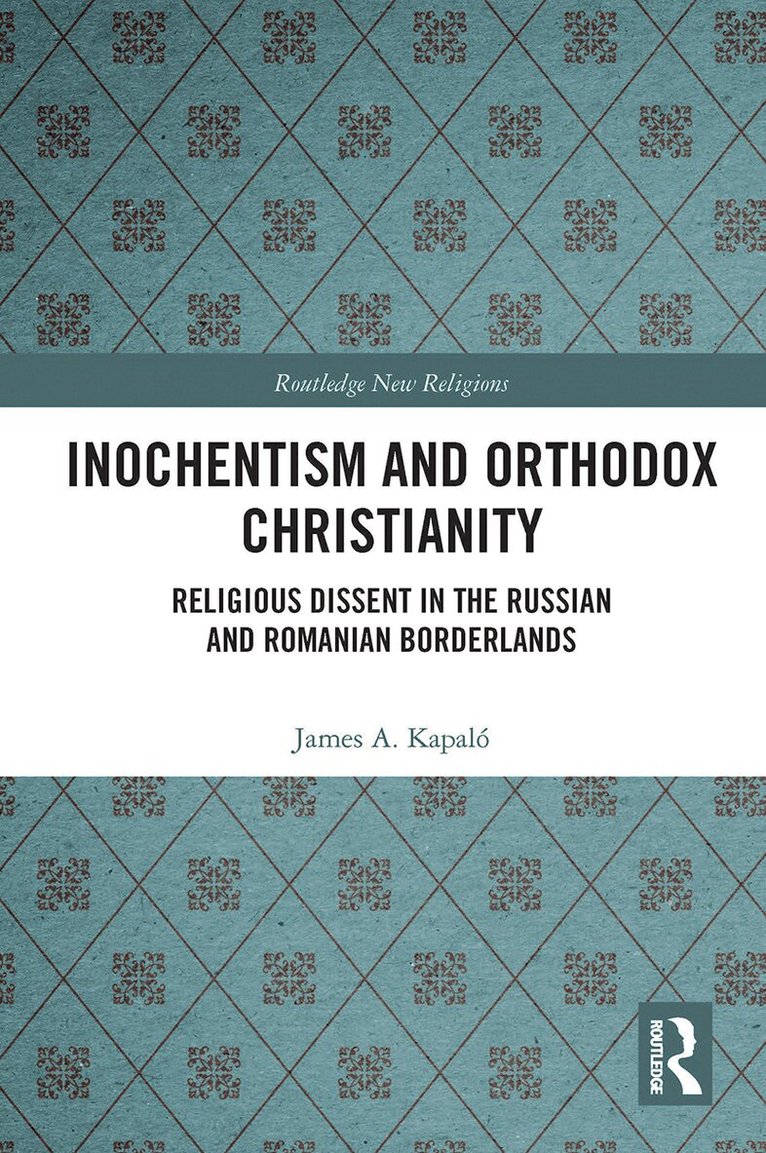
Inochentism and Orthodox Christianity
Religious Dissent in the Russian and Romanian Borderlands
Häftad, 2021
704 kr
Lägg i varukorg
This book explores the history and evolution of Inochentism, a controversial new religious movement that emerged in the Russian and Romanian borderlands of what is now Moldova and Ukraine in the context of the Russian revolutionary period. Inochentism centres around the charismatic preaching of …
Secret Police and the Religious Underground in Communist and Post-Communist Eastern Europe
Av Kinga Povedak, James A. Kapalo
E-bok, 2021
779 kr
Lägg i varukorg
This book addresses the complex intersection of secret police operations and the formation of the religious underground in communist-era Eastern Europe. It discusses how religious groups were perceived as dangerous to the totalitarian state whilst also being extremely vulnerable and yet at the same …
Secret Police and the Religious Underground in Communist and Post-Communist Eastern Europe
Av Kinga Povedak, James A. Kapalo
E-bok, 2021
779 kr
Lägg i varukorg
This book addresses the complex intersection of secret police operations and the formation of the religious underground in communist-era Eastern Europe. It discusses how religious groups were perceived as dangerous to the totalitarian state whilst also being extremely vulnerable and yet at the same …
Secret Police and the Religious Underground in Communist and Post-Communist Eastern Europe
Av James A. Kapaló, Kinga Povedák
Häftad, 2023
693 kr
Lägg i varukorg
This book addresses the complex intersection of secret police operations and the formation of the religious underground in communist-era Eastern Europe. It discusses how religious groups were perceived as dangerous to the totalitarian state whilst also being extremely vulnerable and yet at the same …
Inochentism and Orthodox Christianity
Religious Dissent in the Russian and Romanian Borderlands
E-bok, 2019
831 kr
Lägg i varukorg
This book explores the history and evolution of Inochentism, a controversial new religious movement that emerged in the Russian and Romanian borderlands of what is now Moldova and Ukraine in the context of the Russian revolutionary period. Inochentism centres around the charismatic preaching of …
Inochentism and Orthodox Christianity
Religious Dissent in the Russian and Romanian Borderlands
E-bok, 2019
831 kr
Lägg i varukorg
This book explores the history and evolution of Inochentism, a controversial new religious movement that emerged in the Russian and Romanian borderlands of what is now Moldova and Ukraine in the context of the Russian revolutionary period. Inochentism centres around the charismatic preaching of …
Inochentism and Orthodox Christianity
Religious Dissent in the Russian and Romanian Borderlands
Inbunden, 2019
695 kr
Lägg i varukorg
This book explores the history and evolution of Inochentism, a controversial new religious movement that emerged in the Russian and Romanian borderlands of what is now Moldova and Ukraine in the context of the Russian revolutionary period. Inochentism centres around the charismatic preaching of …
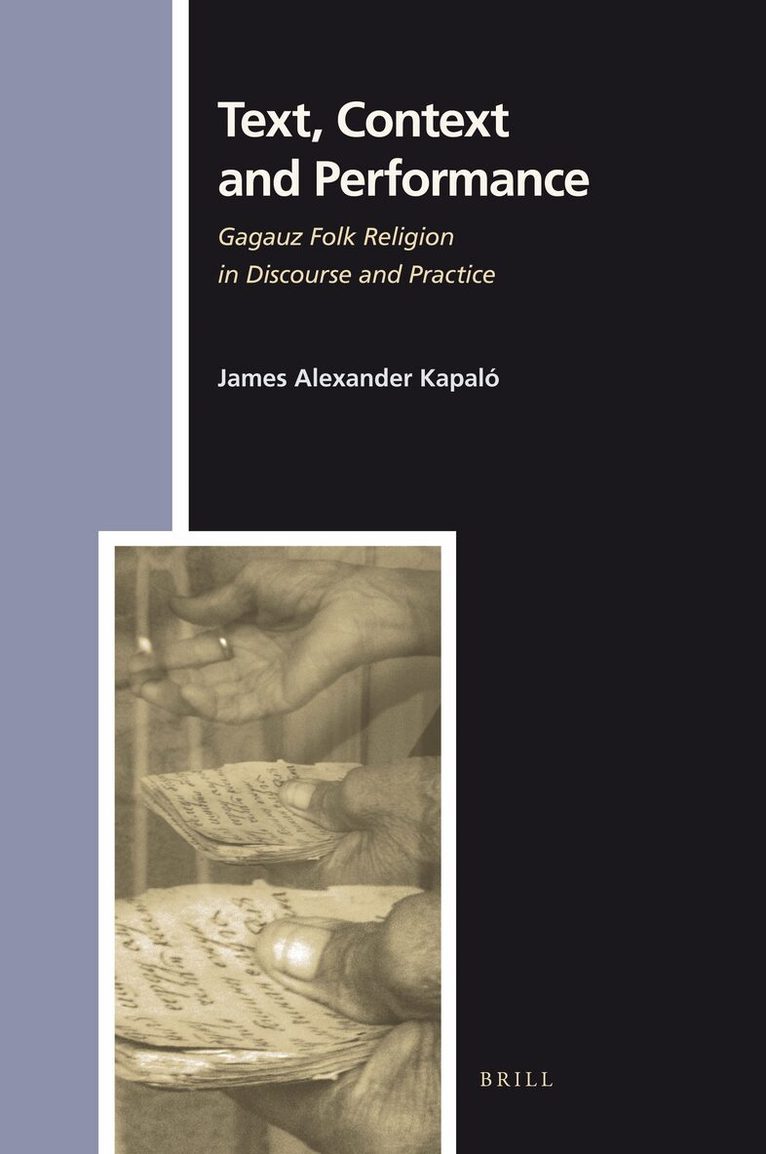
Text, Context and Performance
Gagauz Folk Religion in Discourse and Practice
Inbunden, 2011
2909 kr
Lägg i varukorg
Past scholarship on the Gagauz people has focused on their ethnic origins and the tension between their Christian faith and Turkish linguistic identity. This study, based on extensive fieldwork in the Republic of Moldova, approaches the problem of this central dichotomy in Gagauz identity through …