James Currey – författare
Visar alla böcker från författaren James Currey. Handla med fri frakt och snabb leverans.
3 produkter
3 produkter
272 kr
Skickas inom 11-20 vardagar
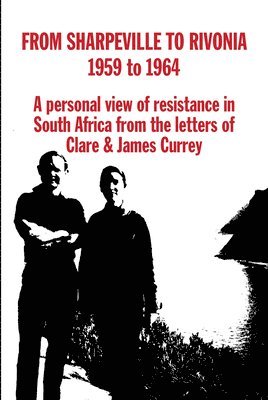
1959 was the year James Currey arrived in South Africa and found a nation in crisis. Hopes of change rose and foundered over the next five years. Letters and vivid conversations capture the excitement of daily life and political drama. The extra-parliamentary opposition had used non-violent means of protest since 1952, but on 21 March 1960 the police shot and killed 69 peaceful protesters in Sharpeville. It was a turning point. In March 1960 some 35,000 Africans protested on Cape Town and the police responded with further savagery. Shortly after Randolph Vigne, Neville Rubin, Tim Holmes and James Currey founded The New African a radical review of politics and the arts. The intense comings and goings of a small magazine served as effective cover for acts of sabotage. In July 1964 Randolph Vigne appealed to Clare and James to enable him escape. Clare had no hesitation; ‘Randolph and Gillian are our friends’, she said. James used his British passport, to buy a ticket on a Norwegian freighter so that Vigne could travel to Montreal. Two days later Clare and James flew out of Johannesburg.
240 kr
Skickas inom 7-10 vardagar
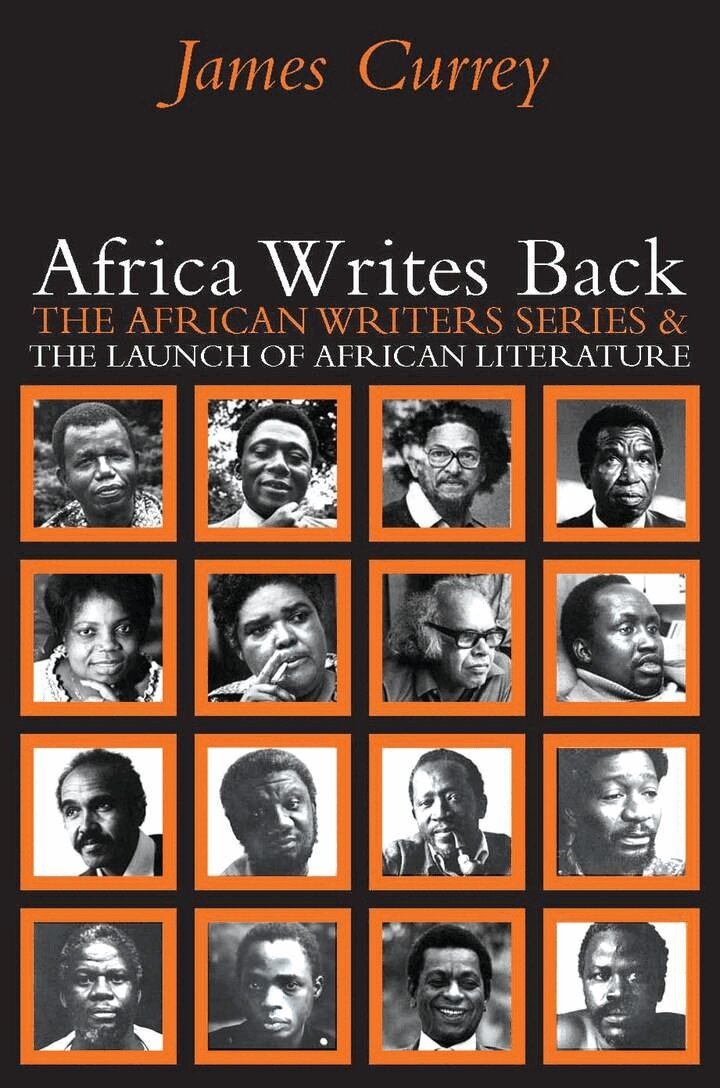
Africa Writes Back
The African Writers Series and the Launch of African Literature
Häftad, Engelska, 2008
386 kr
Skickas inom 7-10 vardagar
In 2012 the African Writers Series celebrated its 50th anniversary. Africa Writes Back tells the publishing story behind some of the books and authors in the series.Africa Writes Back was published in 2008 to coincide with the 50th anniversary of the publication of Chinua Achebe's Things Fall Apart - the novel which provided the impetus for the foundation of the Heinemann African Writers Series in 1962 with Chinua Achebe as the Editorial Adviser. With the 60th anniversary of the AWS being celebrated in 2022, James Currey's book has a new resonance.'... not only the story of a publishing enterprise of great significance; it is also a large part of the story of African literature and its dissemination in the latter half of the twentieth century. The manuscript is full of the drama of that enterprise, the drama of dealing with the mother house, William Heinemann, of dealing with the often intractable political constraints dominating the intellectual space across Africa, and not least of all dealing with the writers themselves - with their ambitions,their temperaments, their financial needs and, at time, their perception of a colonial relationship between themselves and a European publishing house.' - Clive Wake, Emeritus Professor of Modern Languages, University of Kent at Canterbury.North America: Ohio U Press; Ghana: Sub-Saharan Publishers; South Africa: Wits U Press; Nigeria: HEBN; Kenya: EAEP; Zimbabwe: Weaver Press