James Delbourgo – författare
Visar alla böcker från författaren James Delbourgo. Handla med fri frakt och snabb leverans.
11 produkter
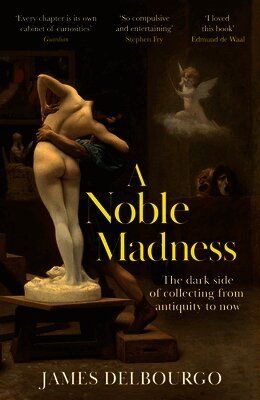
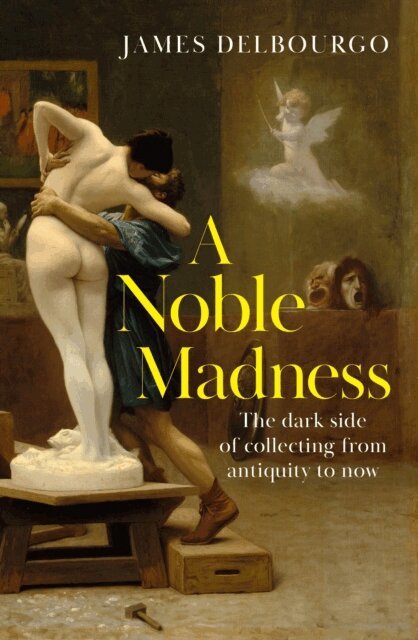
Noble Madness
The dark side of collecting from antiquity to now
Häftad, 2026
173 kr
Lägg i varukorg
'A magisterial rethinking of why we collect. I loved this book' Edmund de Waal'Magnificent . . . so compulsive and entertaining' Stephen Fry'Give it to the collector in your life, and watch sparks fly!' Cathy Gere'A delight to read and ponder' Jackson Lears'A tour de force of scholarship and …
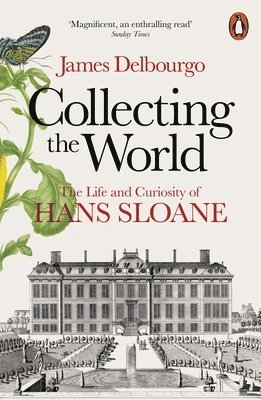
Collecting the World
The Life and Curiosity of Hans Sloane
Häftad, 2018
198 kr
Lägg i varukorg
Hans Sloane was the greatest collector of his time, and one of the greatest of all time. His name is familiar today through the London streets and squares named after him, but the man himself, and his achievements, are almost forgotten.Born in the north of Ireland, Sloane made his fortune as a …
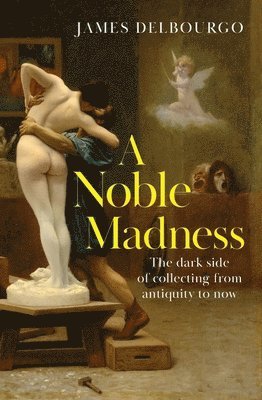
Noble Madness
The dark side of collecting from antiquity to now
Inbunden, 2025
284 kr
Lägg i varukorg
'A magisterial rethinking of why we collect. I loved this book' Edmund de Waal'Magnificent . . . so compulsive and entertaining' Stephen Fry'Give it to the collector in your life, and watch sparks fly!' Cathy Gere'A delight to read and ponder' Jackson Lears'A tour de force of scholarship and …
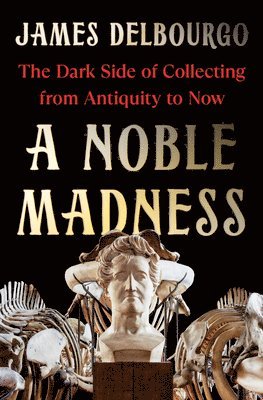
Noble Madness
The Dark Side of Collecting from Antiquity to Now
Inbunden, 2025
269 kr
Lägg i varukorg
Collectors are often praised for their taste in art or contributions to science, and considered great public benefactors. But collectors have also been seen as dangerous obsessives who love objects too much. Why? From looters and idolaters to fin de siècle decadents and Freudian psychos, A Noble …
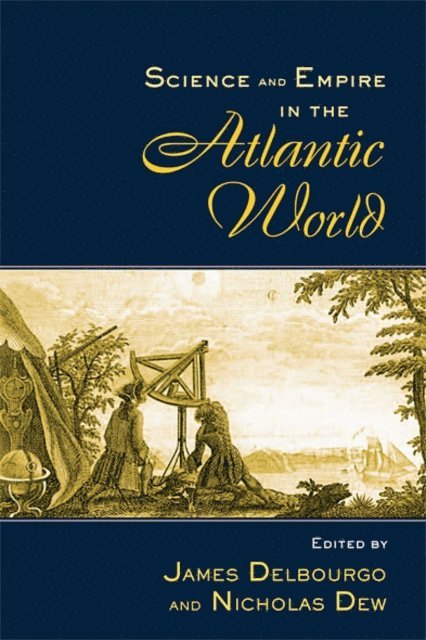
Science and Empire in the Atlantic World
Av James Delbourgo, Nicholas Dew
Inbunden, 2007
2736 kr
Lägg i varukorg
Science and Empire in the Atlantic World is the first book in the growing field of Atlantic Studies to examine the production of scientific knowledge in the Atlantic world from a comparative and international perspective. Rather than focusing on a specific scientific field or single national …
Science and Empire in the Atlantic World
Av James Delbourgo, Nicholas Dew
Häftad, 2007
646 kr
Lägg i varukorg
Science and Empire in the Atlantic World is the first book in the growing field of Atlantic Studies to examine the production of scientific knowledge in the Atlantic world from a comparative and international perspective. Rather than focusing on a specific scientific field or single national …
Most Amazing Scene of Wonders
Electricity and Enlightenment in Early America
Inbunden, 2006
430 kr
Lägg i varukorg
Benjamin Franklin's invention of the lightning rod is the founding fable of American science, but Franklin was only one of many early Americans fascinated by electricity. As a dramatically new physical experience, electricity amazed those who dared to tame the lightning and set it coursing through …
Collecting the World
The Life and Curiosity of Hans Sloane
E-bok, 2017
125 kr
Lägg i varukorg
Hans Sloane was a young doctor from Northern Ireland who made his way in London and eventually become physician to the king and much of London society. In his youth he made a defining visit to Jamaica, where he began collecting 'curiosities' of all kinds. He eventually became the centre of a …
Science and Empire in the Atlantic World
Av Nicholas Dew, James Delbourgo
E-bok, 2008
768 kr
Lägg i varukorg
Science and Empire in the Atlantic World is the first book in the growing field of Atlantic Studies to examine the production of scientific knowledge in the Atlantic world from a comparative and international perspective. Rather than focusing on a specific scientific field or single national …
Science and Empire in the Atlantic World
Av Nicholas Dew, James Delbourgo
E-bok, 2008
785 kr
Lägg i varukorg
Science and Empire in the Atlantic World is the first book in the growing field of Atlantic Studies to examine the production of scientific knowledge in the Atlantic world from a comparative and international perspective. Rather than focusing on a specific scientific field or single national …
Noble Madness
The dark side of collecting from antiquity to now
E-bok, 2025
39 kr
Lägg i varukorg
''A magisterial rethinking of why we collect. I loved this book'' Edmund de Waal ''Magnificent . . . so compulsive and entertaining'' Stephen Fry ''Give it to the collector in your life, and watch sparks fly!'' Cathy Gere ''A delight to read and ponder'' Jackson Lears ''A tour de force of …