James Dunk - Böcker
Visar alla böcker från författaren James Dunk. Handla med fri frakt och snabb leverans.
3 produkter
3 produkter
2 150 kr
Skickas inom 10-15 vardagar
Paper has been the material of bureaucracy, and paperwork performs functions of order, control, and surveillance. Knowledge Making: Historians, Archives and Bureaucracy explores how those functions transform over time, allowing private challenges to the public narratives created by institutions and governments.Paperwork and bureaucratic systems have determined what we know about the past. It seems that now, as the digital is overtaking paper (though mirroring its forms), historians are able to see the significance of the materiality of paper and its role in knowledge making – because it is no longer taken for granted.The contributors to this volume discuss the ways in which public and private institutions – asylums, hospitals, and armies – developed bureaucratic systems which have determined the parameters of our access to the past. The authors present case studies of paperwork in different national contexts, which engage with themes of privacy and public accountability, the beginning of record-keeping practices, and their ‘ends’, both in the sense of their purposes and in what happens to paper after the work has finished, including preservation and curation in repositories of various kinds, through to the place of paper and paperwork in a ‘paperless’ world.The chapters in this book were originally published in a special issue of Rethinking History: The Journal of Theory and Practice.
593 kr
Skickas inom 10-15 vardagar
Paper has been the material of bureaucracy, and paperwork performs functions of order, control, and surveillance. Knowledge Making: Historians, Archives and Bureaucracy explores how those functions transform over time, allowing private challenges to the public narratives created by institutions and governments.Paperwork and bureaucratic systems have determined what we know about the past. It seems that now, as the digital is overtaking paper (though mirroring its forms), historians are able to see the significance of the materiality of paper and its role in knowledge making – because it is no longer taken for granted.The contributors to this volume discuss the ways in which public and private institutions – asylums, hospitals, and armies – developed bureaucratic systems which have determined the parameters of our access to the past. The authors present case studies of paperwork in different national contexts, which engage with themes of privacy and public accountability, the beginning of record-keeping practices, and their ‘ends’, both in the sense of their purposes and in what happens to paper after the work has finished, including preservation and curation in repositories of various kinds, through to the place of paper and paperwork in a ‘paperless’ world.The chapters in this book were originally published in a special issue of Rethinking History: The Journal of Theory and Practice.
264 kr
Skickas inom 7-10 vardagar
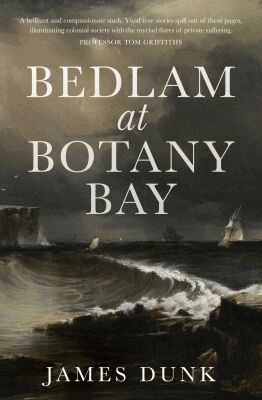
What happened when people went mad in the fledgling colony of New South Wales? In this important new history of the late eighteenth and early nineteenth centuries, we find out through the correspondence of tireless colonial secretaries, the brazen language of lawyers and judges and firebrand politicians, and heartbreaking letters from siblings, parents and friends. We also hear from the mad themselves. Class, gender and race became irrelevant as illness, chaos and delusion afflicted convicts exiled from their homes and living under the weight of imperial justice; ex-convicts and small settlers as they grappled with the country they had taken from its Indigenous inhabitants, as well as officers, officials and wealthy colonists who sought to guide the course of European history in Australia.This not a history of the miserable institutions built for the mentally ill, or those living within them, or the people in charge of the asylums. These stories of madness are woven together into a narrative about freedom and possibilities, and collapse and unravelling. The book looks at people at the edge of the world finding themselves at the edge of sanity, and is about their strategies for survival. This is a new story of colonial Australia, cast as neither a grim and fatal shore nor an antipodean paradise, but a place where the full range of humanity wrestled with the challenges of colonisation.The first book-length history of madness at the beginning ofEuropean AustraliaOriginal and evocative, it grapples seriously with the place ofmadness in Australia’s convict historyThe book’s intimate descriptions of madness and the response to itgive a unique picture of life in the early colony through the lens ofmental illnessAwareness of mental health continues to rise globally. This bookexplores efforts to understand and to treat madness before asylums,hospitals and doctors made madness a medical problem.Meticulously researched by James Dunk, a young emerginghistorian of medicine and colonialism