James E. Gilman - Böcker
Visar alla böcker från författaren James E. Gilman. Handla med fri frakt och snabb leverans.
7 produkter
7 produkter
1 653 kr
Skickas inom 5-8 vardagar
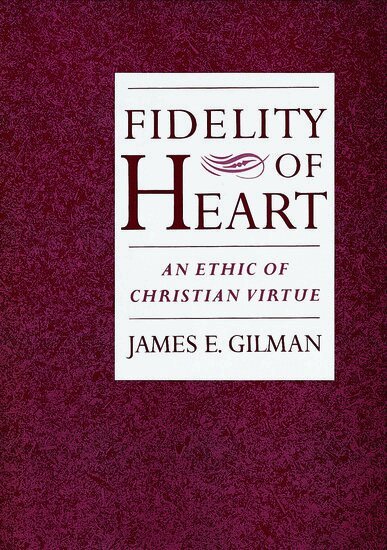
What does it take to follow and not merely admire Jesus? How do religious affections reshape the practice of Christian values like love, peace, justice, and compassion? How can they possess both universal truth and local meaning? What role can they play in public life? In Fidelity of Heart Gilman answers these questions, while showing, in an innovative and provocative approach, how Christians can practice these values in ways continuous with the life of Jesus.
1 343 kr
Skickas inom 10-15 vardagar
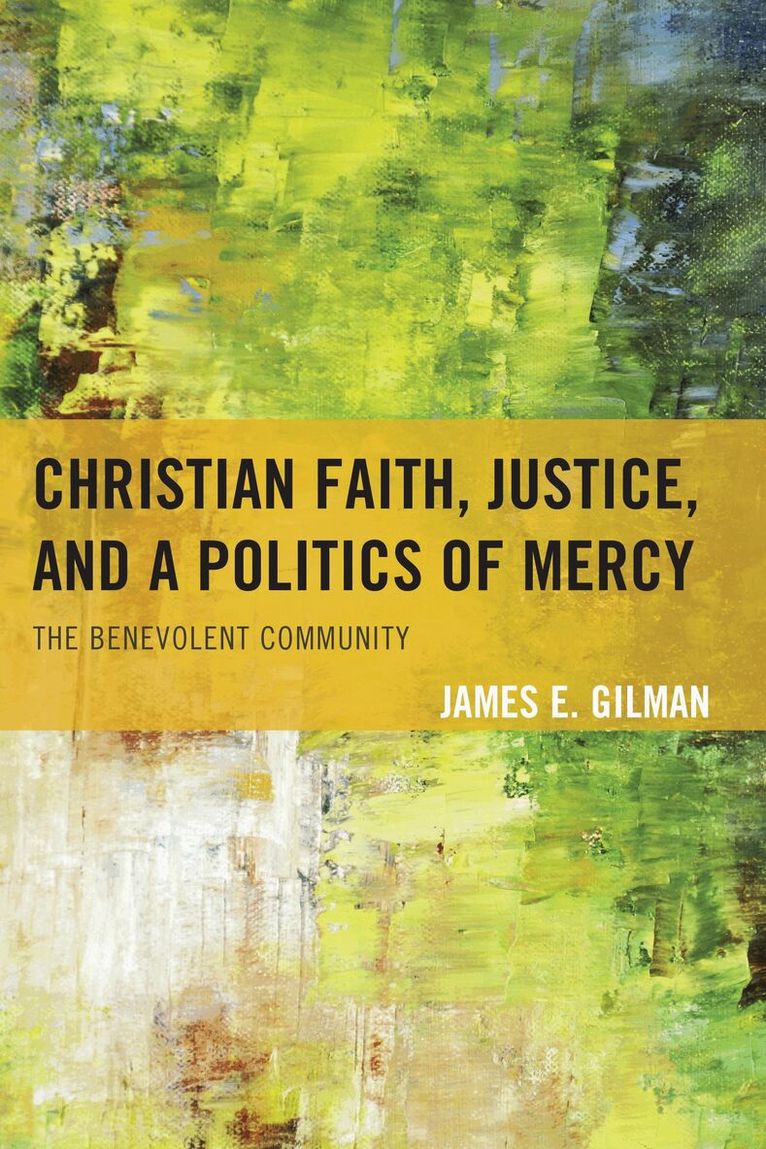
Christian Faith, Justice, and a Politics of Mercy: The Benevolent Community assumes that the most profound moral conflict today is between two virtues—justice and mercy. Gilman argues that the two are organically linked through the common experience of compassion. In an unjust world, justice cannot establish itself, but requires, in public as well as private life, projects of merciful benevolence. Mercy alone has the power to subvert patterns of injustice, and mercy and projects of benevolence are tailored to establish and sustain patterns of justice, especially fair economic outcomes. To show this, against Rawl’s Difference Principle, Gilman argues for a Distribution Principle, which states that social and economic inequalities should be addressed by policies that directly and primarily benefit the least advantaged members of society, while at the same time minimizing burdens and/or maximizing benefits for the most advantaged. Along the way he shows how in the United States benevolence as a public virtue was disestablished along with religion; how it might and should be re-established without re-establishing religion; and how the Christian tradition provides resources for evolving morally from a liberal, procedural practice of justice to one that embraces egalitarian, economic justice as well. Finally, he demonstrates how in the global community today, Christianity and other traditions can and should make “benevolent community” a reality.
1 276 kr
Skickas inom 10-15 vardagar
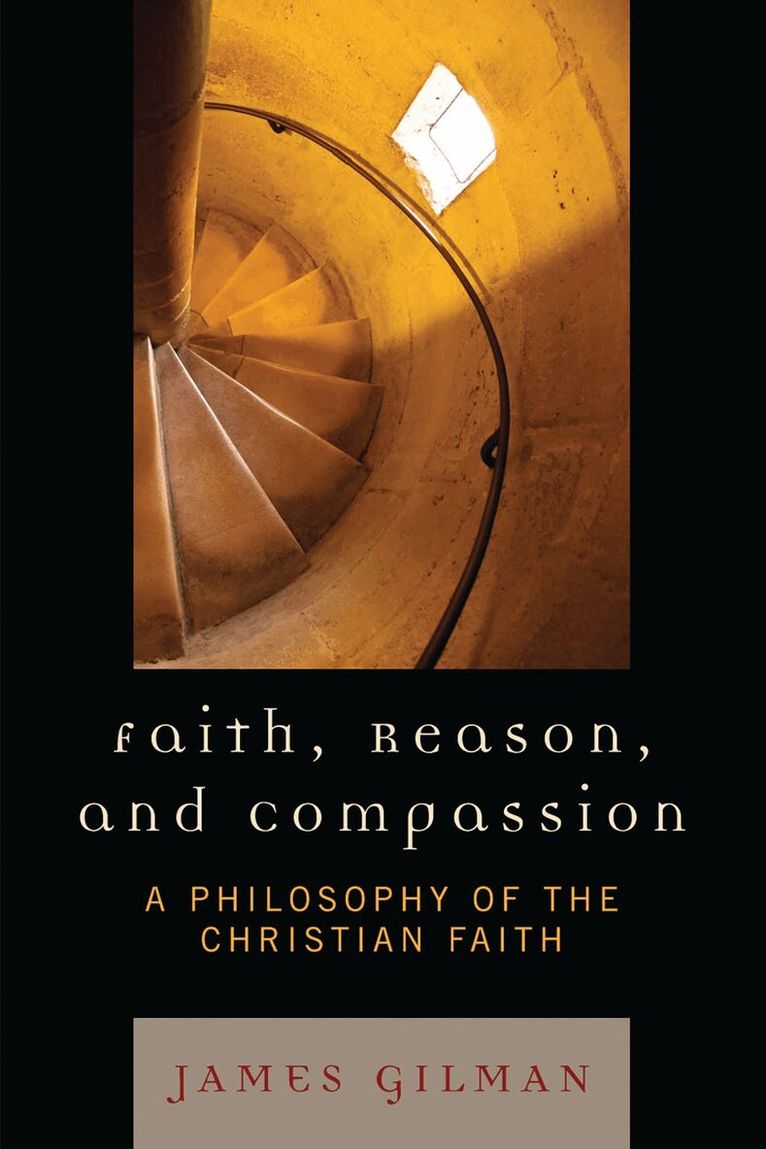
What is the relationship between faith and reason? How should faith and reason situate themselves in relation to each other? These are the chief questions that James Gilman seeks to address in Faith, Reason, and Compassion: A Philosophy of the Christian Faith. An innovative new book in philosophy of religion, it treats the problems typical of the discipline in an untypical way, with a methodology that presupposes a particular religious tradition, in this case Christianity, and that reenfranchises emotions (e.g., compassion) as crucial to shaping solutions to philosophical problems.Developing a methodology on the basis of three principles: the principle of symmetry, asymmetry, and supersymmetry, Gilman confiscates these three terms from physics and deploys them collectively as a metaphor in service to a method whereby the problems belonging to philosophy of religion can be critically and constructively treated. While ideal for courses in philosophy of religion, this book stretches across disciplines and is also ideal for use in Christian ethics and theology courses.
434 kr
Skickas inom 10-15 vardagar
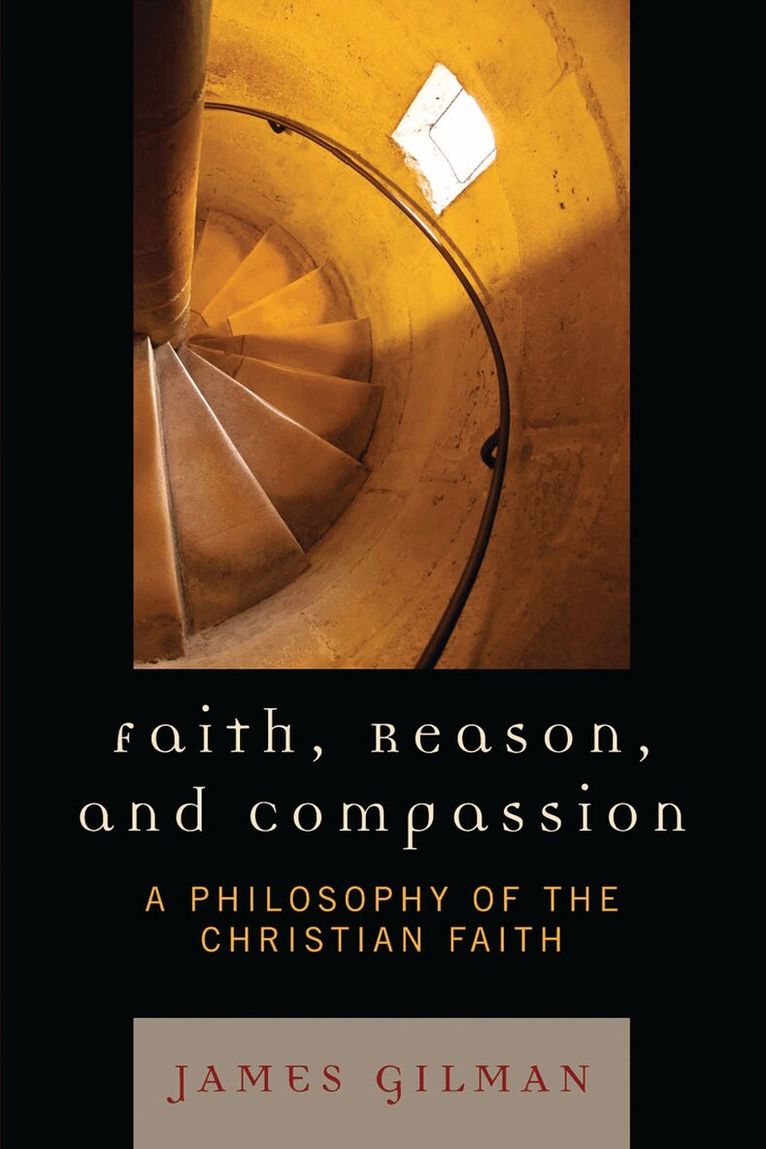
What is the relationship between faith and reason? How should faith and reason situate themselves in relation to each other? These are the chief questions that James Gilman seeks to address in Faith, Reason, and Compassion: A Philosophy of the Christian Faith. An innovative new book in philosophy of religion, it treats the problems typical of the discipline in an untypical way, with a methodology that presupposes a particular religious tradition, in this case Christianity, and that reenfranchises emotions (e.g., compassion) as crucial to shaping solutions to philosophical problems.Developing a methodology on the basis of three principles: the principle of symmetry, asymmetry, and supersymmetry, Gilman confiscates these three terms from physics and deploys them collectively as a metaphor in service to a method whereby the problems belonging to philosophy of religion can be critically and constructively treated. While ideal for courses in philosophy of religion, this book stretches across disciplines and is also ideal for use in Christian ethics and theology courses.
292 kr
Kommande
1 076 kr
Skickas inom 10-15 vardagar
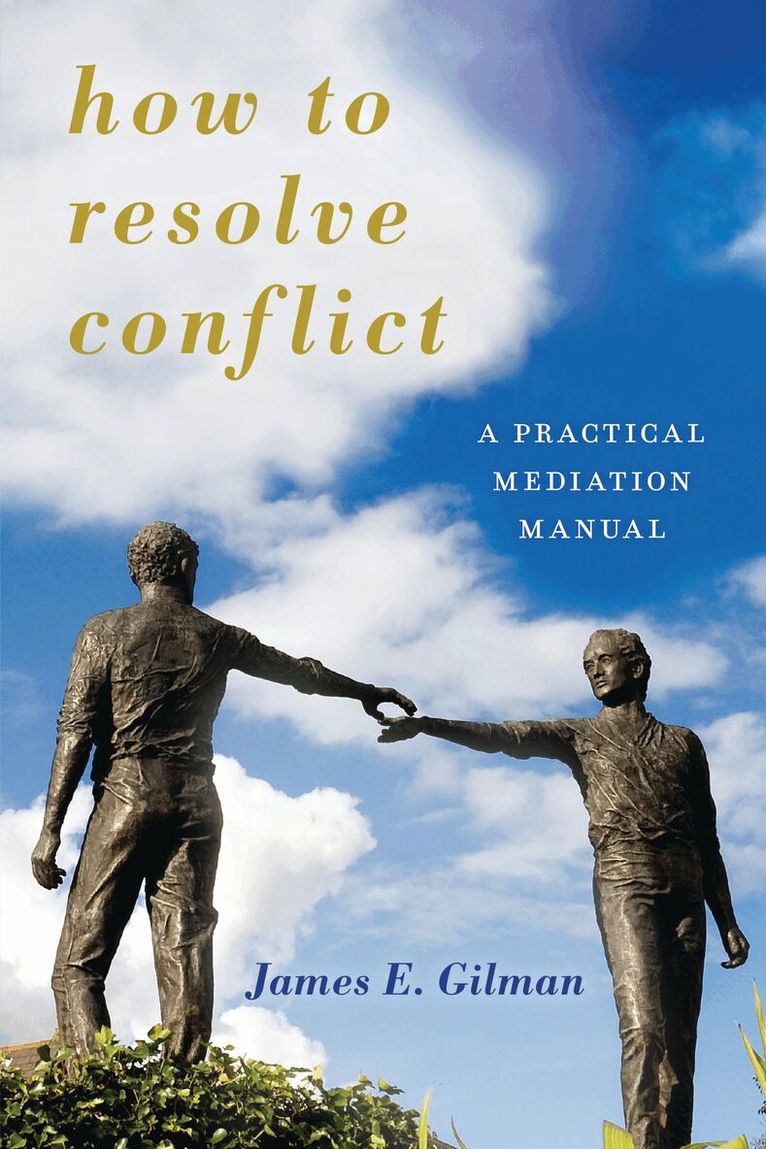
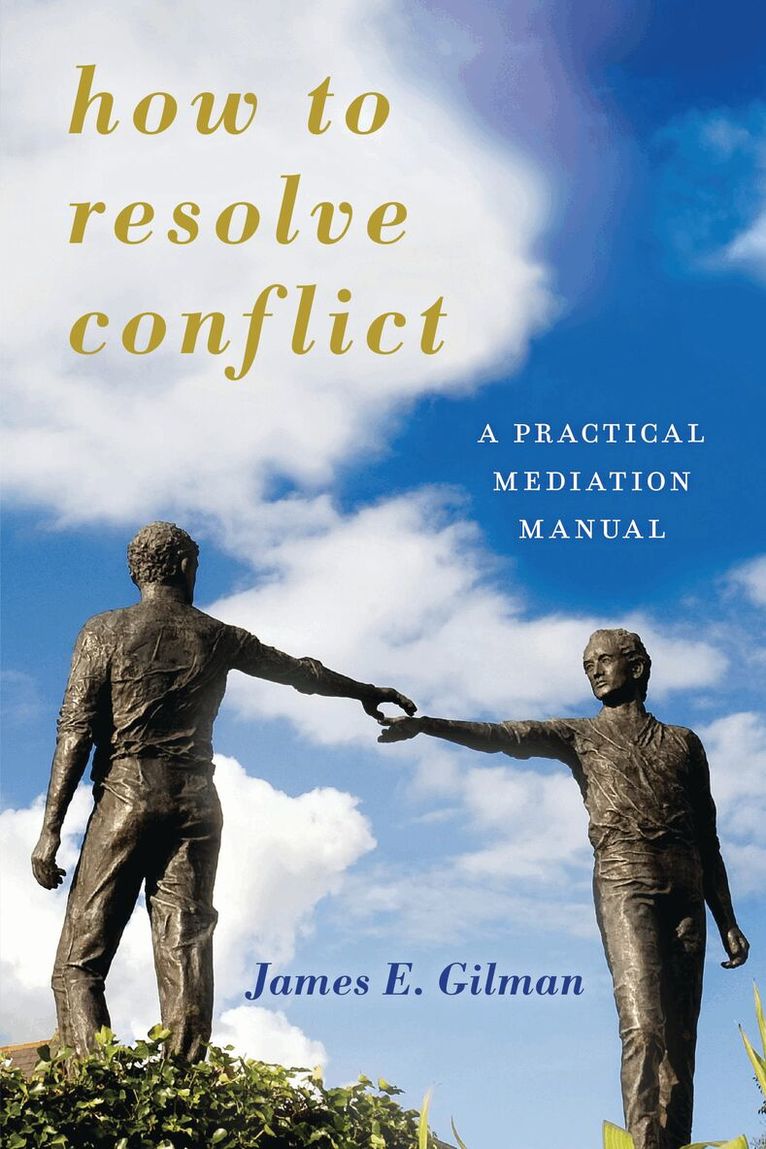
A guide to the practice of mediation as a means of resolving conflict, this short how-to manual includes all the resources needed to teach and train mediators in the skills of conflict resolution. It explains the conceptual framework of conflict and peacemaking, the stages and steps of the mediation process, and the resources necessary to conduct mediation sessions, including practice through role-playing.The book is divided into three parts: Theory, Process, and Practice. Part I provides a conceptual framework for understanding conflict and mediation. It discusses the sources of conflict, the dynamics of power imbalances, how mediation counteracts them, and familiar styles for managing conflicts. Part II describes the stages of the mediation process. It begins with orientation and preparation for the mediation session before outlining each of the five stages of the mediation process along with a range of communication skills crucial to the success of each stage. Part III focuses on several familiar areas of human experience in which the practice of mediation is common, such as family and domestic mediation, business and organizational mediation, international mediation, and education. These chapters include customary forms and techniques used in resolving conflicts. The final chapter includes materials to manage and conduct mediation role-playing exercises.
434 kr
Skickas inom 10-15 vardagar
A guide to the practice of mediation as a means of resolving conflict, this short how-to manual includes all the resources needed to teach and train mediators in the skills of conflict resolution. It explains the conceptual framework of conflict and peacemaking, the stages and steps of the mediation process, and the resources necessary to conduct mediation sessions, including practice through role-playing.The book is divided into three parts: Theory, Process, and Practice. Part I provides a conceptual framework for understanding conflict and mediation. It discusses the sources of conflict, the dynamics of power imbalances, how mediation counteracts them, and familiar styles for managing conflicts. Part II describes the stages of the mediation process. It begins with orientation and preparation for the mediation session before outlining each of the five stages of the mediation process along with a range of communication skills crucial to the success of each stage. Part III focuses on several familiar areas of human experience in which the practice of mediation is common, such as family and domestic mediation, business and organizational mediation, international mediation, and education. These chapters include customary forms and techniques used in resolving conflicts. The final chapter includes materials to manage and conduct mediation role-playing exercises.