James E. Lewis Jr. – författare
Visar alla böcker från författaren James E. Lewis Jr.. Handla med fri frakt och snabb leverans.
6 produkter
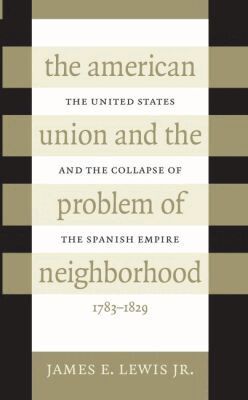
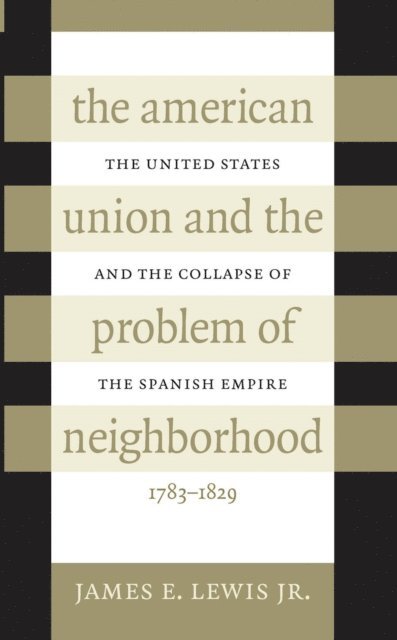
American Union and the Problem of Neighborhood
The United States and the Collapse of the Spanish Empire, 1783-1829
Häftad, 1998
487 kr
Lägg i varukorg
In this book, James Lewis demonstrates the centrality of American ideas about and concern for the union of the states in the policymaking of the early republic. For four decades after the nation's founding in the 1780s, he says, this focus on securing a union operated to blur the line between …
American Union and the Problem of Neighborhood
The United States and the Collapse of the Spanish Empire, 1783-1829
E-bok, 2000
524 kr
Lägg i varukorg
In this book, James Lewis demonstrates the centrality of American ideas about and concern for the union of the states in the policymaking of the early republic. For four decades after the nation''s founding in the 1780s, he says, this focus on securing a union operated to blur the line between …
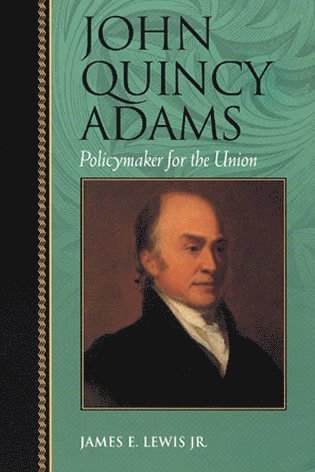
John Quincy Adams
Policymaker for the Union
Häftad, 2001
637 kr
Lägg i varukorg
This new book focuses on John Quincy Adams's extensive role in foreign policy, including his years as secretary of state and as president. Brief but thorough, John Quincy Adams: Policymaker for the Union analyzes Adams's foreign policy accomplishments during key moments in American history, …
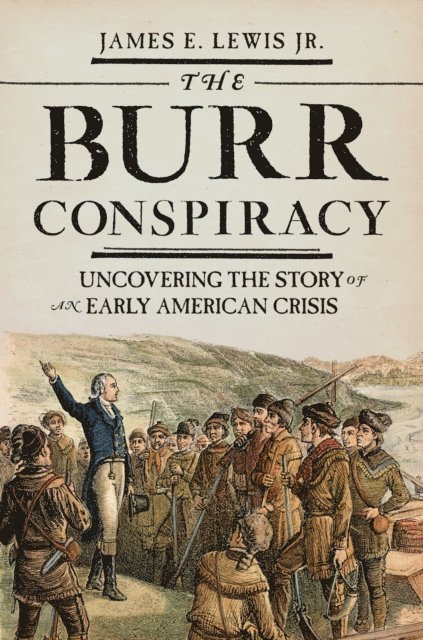
Burr Conspiracy
Uncovering the Story of an Early American Crisis
E-bok, 2017
265 kr
Lägg i varukorg
A multifaceted portrait of the early American republic as seen through the lens of the Burr Conspiracy In 1805 and 1806, Aaron Burr, former vice president of the newly formed American republic, traveled through the Trans-Appalachian West gathering support for a mysterious enterprise, for which he …
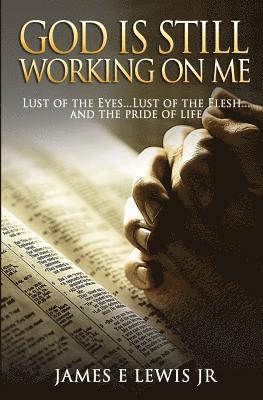
God Is Still Working on Me: "The Excuses that we use to justify our actions"
Häftad
143 kr
Lägg i varukorg
American Union and the Problem of Neighborhood
The United States and the Collapse of the Spanish Empire, 1783-1829
E-bok, 2000
535 kr
Lägg i varukorg
In this book, James Lewis demonstrates the centrality of American ideas about and concern for the union of the states in the policymaking of the early republic. For four decades after the nation''s founding in the 1780s, he says, this focus on securing a union operated to blur the line between …