James E. Westheider - Böcker
Visar alla böcker från författaren James E. Westheider. Handla med fri frakt och snabb leverans.
4 produkter
4 produkter
901 kr
Skickas inom 10-15 vardagar
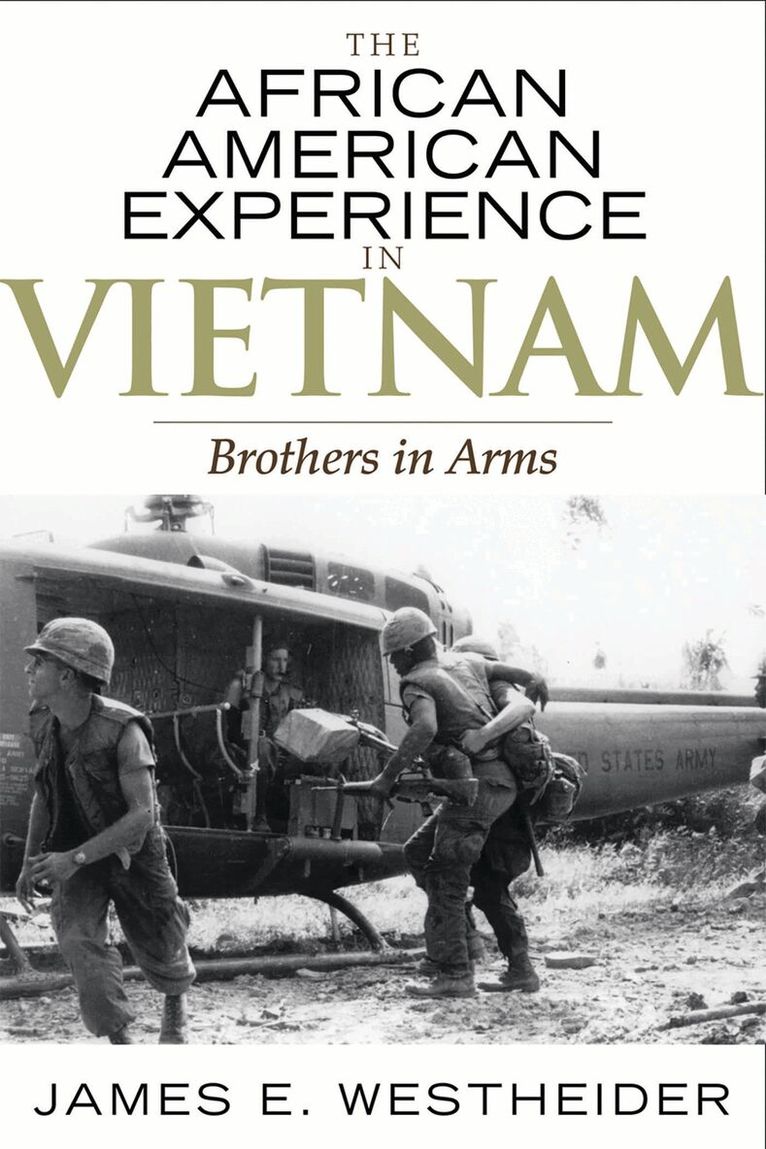
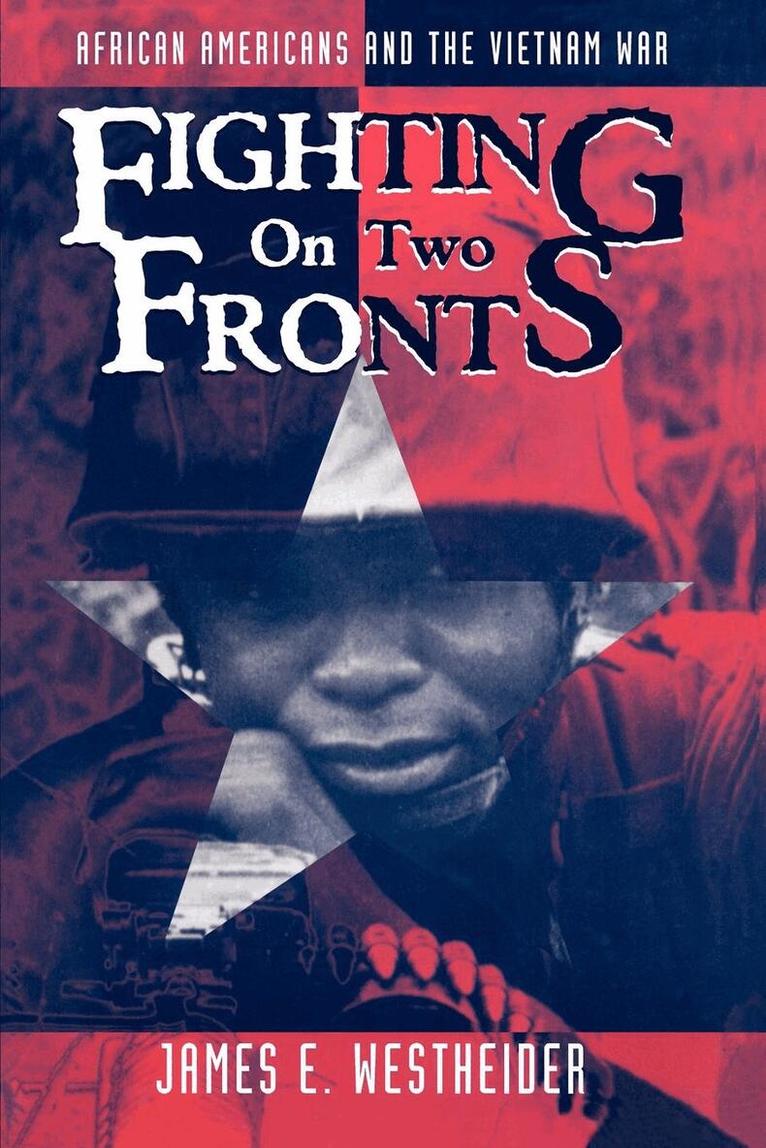
In this book James E. Westheider explores the social and professional paradoxes facing African-American soldiers in Vietnam. Service in the military started as a demonstration of the merits of integration as blacks competed with whites on a near equal basis for the first time. Military service, especially service in Vietnam, helped shape modern black culture and fostered a sense of black solidarity in the Armed Forces. But as the war progressed, racial violence became a major problem for the Armed Forces as they failed to keep pace with the sweeping changes in civilian society. Despite the boasts of the Department of Defense, personal and institutional racism remained endemic to the system. Westheider tells this story expertly and accessibly by providing the history and background of African American participation in the U.S. Armed Forces then following all the way through to the experience of African Americans returning home from the Vietnam war.
447 kr
Skickas inom 10-15 vardagar
In this book James E. Westheider explores the social and professional paradoxes facing African-American soldiers in Vietnam. Service in the military started as a demonstration of the merits of integration as blacks competed with whites on a near equal basis for the first time. Military service, especially service in Vietnam, helped shape modern black culture and fostered a sense of black solidarity in the Armed Forces. But as the war progressed, racial violence became a major problem for the Armed Forces as they failed to keep pace with the sweeping changes in civilian society. Despite the boasts of the Department of Defense, personal and institutional racism remained endemic to the system. Westheider tells this story expertly and accessibly by providing the history and background of African American participation in the U.S. Armed Forces then following all the way through to the experience of African Americans returning home from the Vietnam war.
1 197 kr
Skickas inom 10-15 vardagar
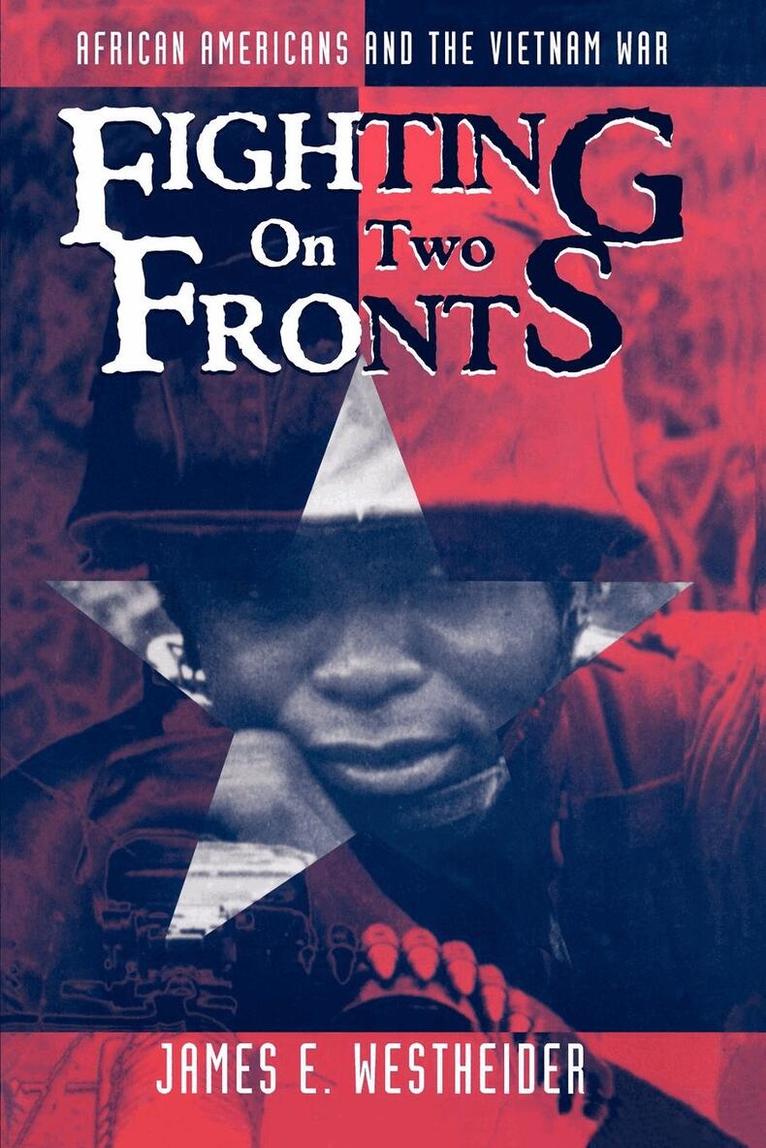
The first complete picture of the African American experience in the Vietnam WarThe racial tensions that have long plagued American society exist to a much lesser extent in the military where the bond of common pursuit and shared experience renders race less relevant. Or so conventional wisdom has long held.In this dramatic history of race relations during the Vietnam war, James E. Westheider illustrates how American soldiers in Vietnam grappled with many of the same racial conflicts that were tearing apart their homeland thousands of miles away. Over seven years in the making, Fighting on Two Fronts draws on interviews with dozens of Vietnam veterans—black and white—and official Pentagon documents to paint the first complete picture of the African American experience in Vietnam.Westheider reveals how preconceptions and petty misunderstandings often exacerbated racial anxieties during the conflict. Military barbers, for instance, were often inexperienced with black hair, leading black soldiers to cut each other's hair, an act perceived as separatist by their white counterparts. Similarly, black soldiers often greeted one another with a ritualized handshake, or dap, as a sign of solidarity, the unfamiliarity of which threatened many white soldiers and was a source of resentment until it was banned in 1973.Despite ample evidence of institutional racism in the armed forces, the military elite responded only when outbreaks of racial violence became disruptive enough to threaten military discipline and attract negative attention from the civilian world. A crucial addition to our understanding of Vietnam, Fighting on Two Fronts is a compelling example of the new military history at its finest.
375 kr
Skickas inom 7-10 vardagar
The first complete picture of the African American experience in the Vietnam WarThe racial tensions that have long plagued American society exist to a much lesser extent in the military where the bond of common pursuit and shared experience renders race less relevant. Or so conventional wisdom has long held.In this dramatic history of race relations during the Vietnam war, James E. Westheider illustrates how American soldiers in Vietnam grappled with many of the same racial conflicts that were tearing apart their homeland thousands of miles away. Over seven years in the making, Fighting on Two Fronts draws on interviews with dozens of Vietnam veterans—black and white—and official Pentagon documents to paint the first complete picture of the African American experience in Vietnam.Westheider reveals how preconceptions and petty misunderstandings often exacerbated racial anxieties during the conflict. Military barbers, for instance, were often inexperienced with black hair, leading black soldiers to cut each other's hair, an act perceived as separatist by their white counterparts. Similarly, black soldiers often greeted one another with a ritualized handshake, or dap, as a sign of solidarity, the unfamiliarity of which threatened many white soldiers and was a source of resentment until it was banned in 1973.Despite ample evidence of institutional racism in the armed forces, the military elite responded only when outbreaks of racial violence became disruptive enough to threaten military discipline and attract negative attention from the civilian world. A crucial addition to our understanding of Vietnam, Fighting on Two Fronts is a compelling example of the new military history at its finest.