James G. Lennox - Böcker
Visar alla böcker från författaren James G. Lennox. Handla med fri frakt och snabb leverans.
14 produkter
14 produkter
1 245 kr
Skickas inom 7-10 vardagar
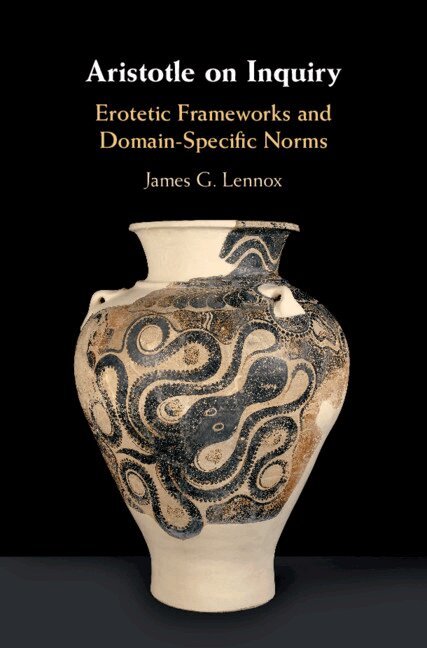
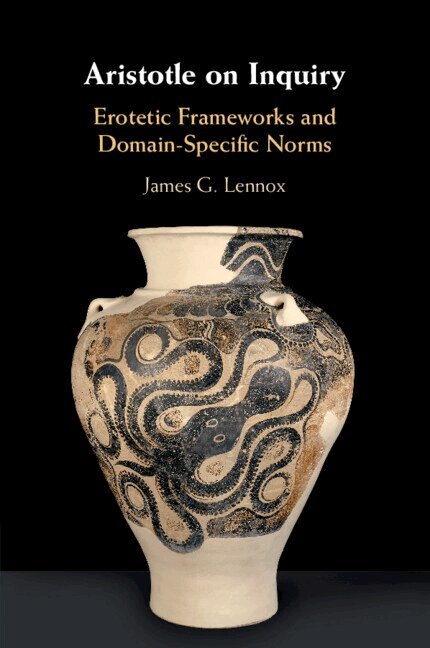
Aristotle is a rarity in the history of philosophy and science - he is a towering figure in the history of both disciplines. Moreover, he devoted a great deal of philosophical attention to the nature of scientific knowledge. How then do his philosophical reflections on scientific knowledge impact his actual scientific inquiries? In this book James Lennox sets out to answer this question. He argues that Aristotle has a richly normative view of scientific inquiry, and that those norms are of two kinds: a general, question-guided framework applicable to all scientific inquiries, and domain-specific norms reflecting differences in the target of inquiry and in the means of observation available to researchers. To see these norms of inquiry in action, the second half of this book examines Aristotle's investigations of animals, the soul, material compounds, the motions of heavenly bodies, and respiration.
705 kr
Skickas inom 7-10 vardagar
Aristotle's biological works - constituting over 25% of his surviving corpus and for centuries largely unstudied by philosophically oriented scholars - have been the subject of an increasing amount of attention of late. This collection brings together some of the best work that has been done in this area, with the aim of exhibiting the contribution that close study of these treatises can make to the understanding of Aristotle's philosophy. The book is divided into four parts, each with an introduction which places its essays in relation to each other and to the wider issues of the book as a whole. The first part is an overview of the relationship of Aristotle's biology to his philosophy; the other three each concentrate on a set of issues central to Aristotelian study - definition and demonstration; teleology and necessity in nature; and metaph themes such as the unity of matter and form and the nature of substance.
1 113 kr
Skickas inom 7-10 vardagar
In addition to being one of the world's most influential philosophers, Aristotle can also be credited with the creation of both the science of biology and the philosophy of biology. He was the first thinker to treat the investigations of the living world as a distinct inquiry with its own special concepts and principles. This book focuses on a seminal event in the history of biology - Aristotle's delineation of a special branch of theoretical knowledge devoted to the systematic investigation of animals. Aristotle approached the creation of zoology with the tools of subtle and systematic philosophies of nature and of science that were then carefully tailored to the investigation of animals. The papers collected in this 2001 volume, written by a pre-eminent figure in the field of Aristotle's philosophy and biology, examine Aristotle's approach to biological inquiry and explanation, his concepts of matter, form and kind, and his teleology.
410 kr
Skickas inom 7-10 vardagar
In addition to being one of the world's most influential philosophers, Aristotle can also be credited with the creation of both the science of biology and the philosophy of biology. He was the first thinker to treat the investigations of the living world as a distinct inquiry with its own special concepts and principles. This book focuses on a seminal event in the history of biology - Aristotle's delineation of a special branch of theoretical knowledge devoted to the systematic investigation of animals. Aristotle approached the creation of zoology with the tools of subtle and systematic philosophies of nature and of science that were then carefully tailored to the investigation of animals. The papers collected in this 2001 volume, written by a pre-eminent figure in the field of Aristotle's philosophy and biology, examine Aristotle's approach to biological inquiry and explanation, his concepts of matter, form and kind, and his teleology.
1 192 kr
Skickas inom 7-10 vardagar
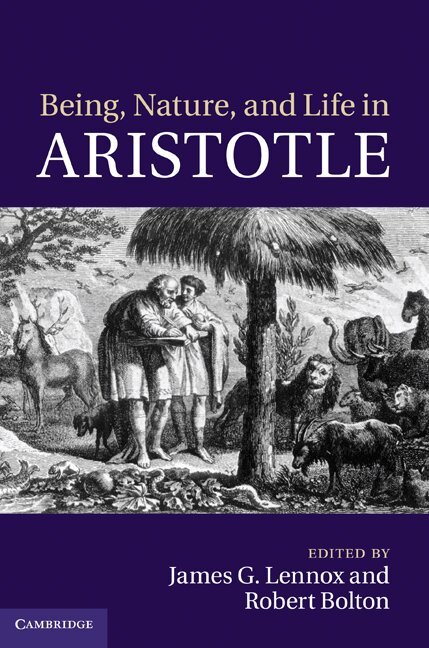
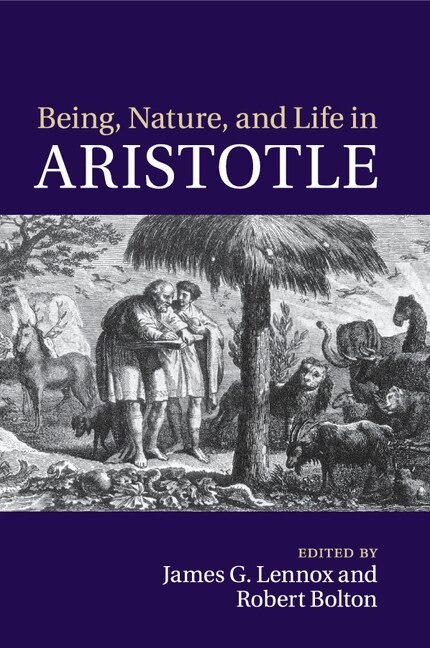
This volume of essays explores major connected themes in Aristotle's metaphysics, philosophy of nature, and ethics, especially themes related to essence, definition, teleology, activity, potentiality, and the highest good. The volume is united by the belief that all aspects of Aristotle's work need to be studied together if any one of the areas of thought is to be fully understood. Many of the papers were contributions to a conference at the University of Pittsburgh entitled 'Being, Nature, and Life in Aristotle', to honor Professor Allan Gotthelf's many contributions to the field of ancient philosophy; a few are contributions from those who were invited but could not attend. The contributors, all longstanding friends of Professor Gotthelf, are among the most accomplished scholars in the field of ancient philosophy today.
541 kr
Skickas inom 7-10 vardagar
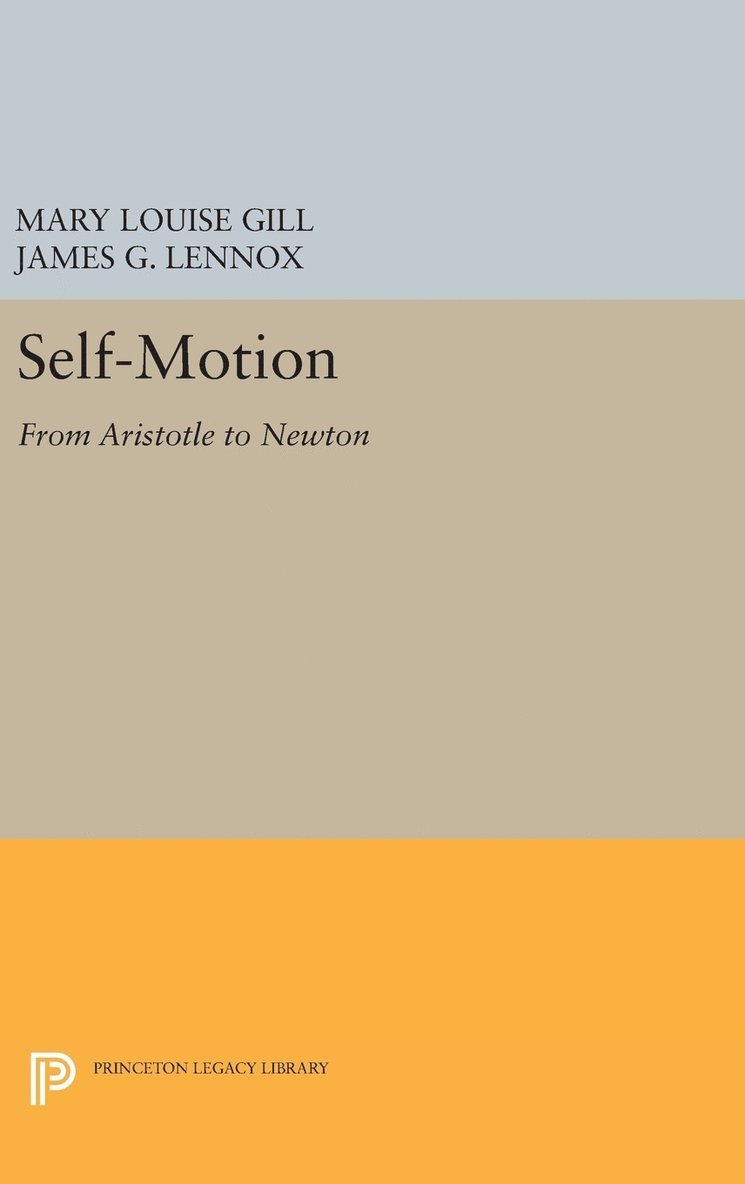
The concept of self-motion is not only fundamental in Aristotle's argument for the Prime Mover and in ancient and medieval theories of nature, but it is also central to many theories of human agency and moral responsibility. In this collection of mostly new essays, scholars of classical, Hellenistic, medieval, and early modern philosophy and science explore the question of whether or not there are such things as self-movers, and if so, what their self-motion consists in. They trace the development of the concept of self-motion from its formulation in Aristotle's metaphysics, cosmology, and philosophy of nature through two millennia of philosophical, religious, and scientific thought.This volume contains "Self-Movers" (David Furley), "Aristotle on Self-Motion" (Mary Louise Gill), "Aristotle on Perception, Appetition, and Self-Motion" (Cynthia Freeland), "Self-Movement and External Causation" (Susan Sauve Meyer), "Aristotle on the Mind's Self-Motion" (Michael Wedin), "Mind and Motion in Aristotle" (Christopher Shields), "Aristotle's Prime Mover" (Aryeh Kosman), "The Transcendence of the Prime Mover" (Lindsay Judson), "Self-Motion in Stoic Philosophy" (David Hahm), "Duns Scotus on the Reality of Self-Change" (Peter King), "Ockham, Self-Motion, and the Will" (Calvin Normore), and "Natural Motion and Its Causes: Newton on the 'Vis Insita' of Bodies" (J. E. McGuire). Originally published in 1994. The Princeton Legacy Library uses the latest print-on-demand technology to again make available previously out-of-print books from the distinguished backlist of Princeton University Press. These editions preserve the original texts of these important books while presenting them in durable paperback and hardcover editions.The goal of the Princeton Legacy Library is to vastly increase access to the rich scholarly heritage found in the thousands of books published by Princeton University Press since its founding in 1905.
2 567 kr
Skickas inom 3-6 vardagar
The concept of self-motion is not only fundamental in Aristotle's argument for the Prime Mover and in ancient and medieval theories of nature, but it is also central to many theories of human agency and moral responsibility. In this collection of mostly new essays, scholars of classical, Hellenistic, medieval, and early modern philosophy and science explore the question of whether or not there are such things as self-movers, and if so, what their self-motion consists in. They trace the development of the concept of self-motion from its formulation in Aristotle's metaphysics, cosmology, and philosophy of nature through two millennia of philosophical, religious, and scientific thought.This volume contains "Self-Movers" (David Furley), "Aristotle on Self-Motion" (Mary Louise Gill), "Aristotle on Perception, Appetition, and Self-Motion" (Cynthia Freeland), "Self-Movement and External Causation" (Susan Sauve Meyer), "Aristotle on the Mind's Self-Motion" (Michael Wedin), "Mind and Motion in Aristotle" (Christopher Shields), "Aristotle's Prime Mover" (Aryeh Kosman), "The Transcendence of the Prime Mover" (Lindsay Judson), "Self-Motion in Stoic Philosophy" (David Hahm), "Duns Scotus on the Reality of Self-Change" (Peter King), "Ockham, Self-Motion, and the Will" (Calvin Normore), and "Natural Motion and Its Causes: Newton on the 'Vis Insita' of Bodies" (J. E. McGuire). Originally published in 1994. The Princeton Legacy Library uses the latest print-on-demand technology to again make available previously out-of-print books from the distinguished backlist of Princeton University Press. These editions preserve the original texts of these important books while presenting them in durable paperback and hardcover editions.The goal of the Princeton Legacy Library is to vastly increase access to the rich scholarly heritage found in the thousands of books published by Princeton University Press since its founding in 1905.
1 570 kr
Skickas inom 7-10 vardagar
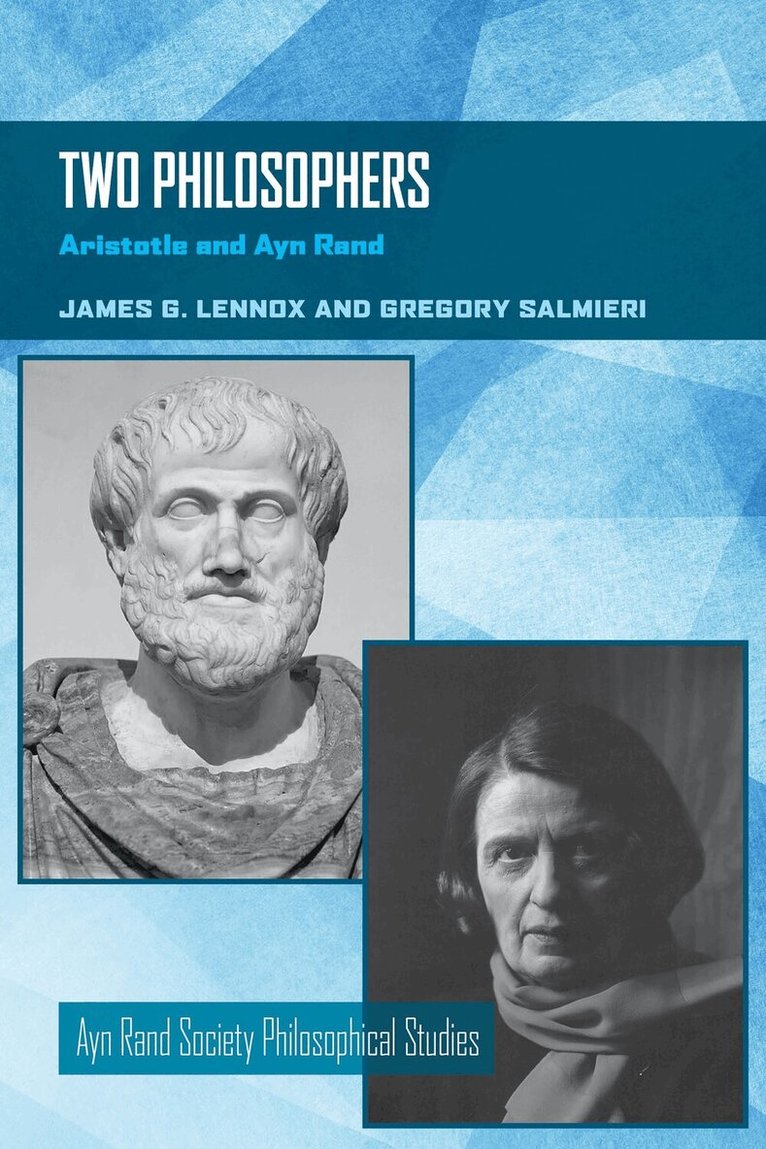
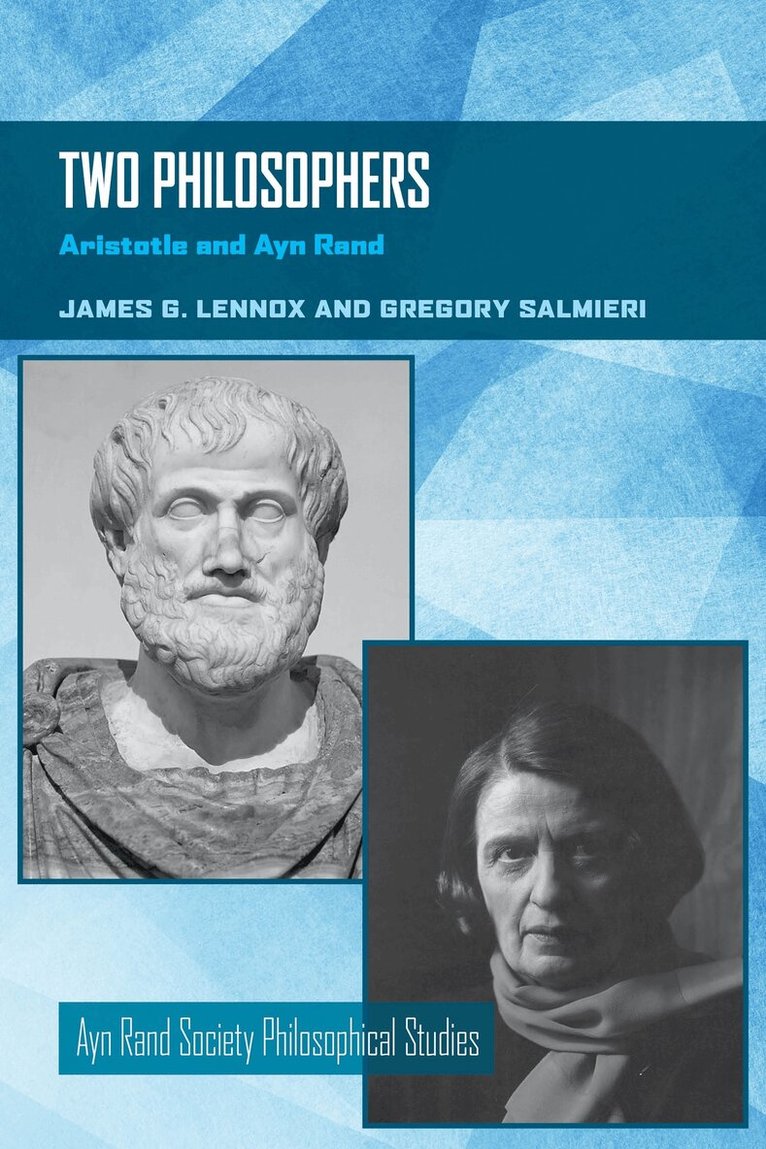
“If there is a philosophical Atlas who carries the whole of Western civilization on his shoulders,” Ayn Rand wrote, “it is Aristotle. He has been opposed, misinterpreted, misrepresented, and—like an axiom—used by his enemies in the very act of denying him. Whatever intellectual progress men have achieved rests on his achievements.” Such tributes to Aristotle in Rand’s writing have led many readers to study his works. And a number of these, including some of the contributors to this volume, would go on to become scholars of both Aristotle and Rand. It is fitting, then, that there should be an exploration of the relationship between their two philosophies. As the fourth volume in the Ayn Rand Society Philosophical Studies series, this collection originated in presentations at meetings of the Ayn Rand Society of the American Philosophical Association. It fosters a deeper appreciation for Ayn Rand’s place in the Aristotelian tradition and in the history of philosophy more generally.
585 kr
Skickas inom 7-10 vardagar
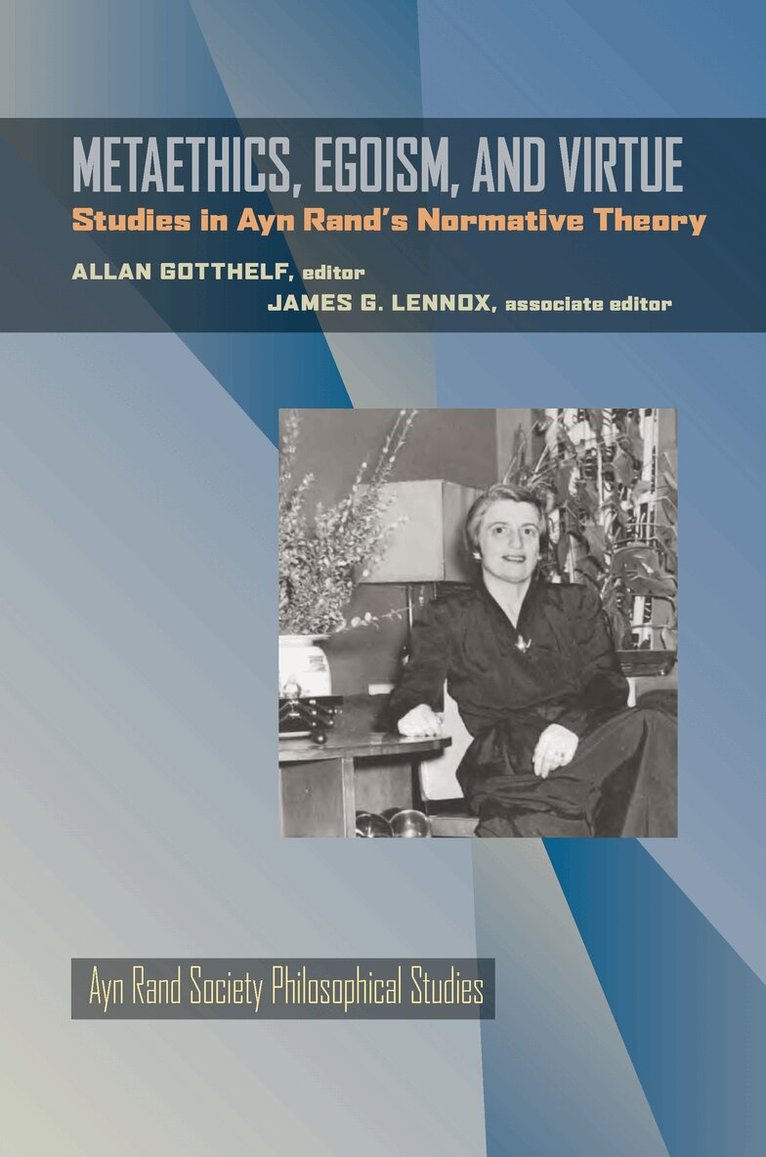
Philosopher-novelist Ayn Rand (1905–1982) is a cultural phenomenon. Her books have sold more than 25 million copies, and countless individuals speak of her writings as having significantly influenced their lives. In spite of the popular interest in her ideas, or perhaps because of it, RandÆs work has until recently received little serious attention from academics. Though best known among philosophers for her strong support of egoism in ethics and capitalism in politics, there is an increasingly widespread awareness of both the range and the systematic character of RandÆs philosophic thought. This new series, developed in conjunction with the Ayn Rand Society, an affiliated group of the American Philosophical Association, Eastern Division, seeks a fuller scholarly understanding of this highly original and influential thinker.The first volume starts not with the metaphysical and epistemological fundamentals of RandÆs thought, but with central aspects of her ethical theory. Though her endorsement of ethical egoism is well-known—one of her most familiar essay collections is The Virtue of Selfishness—the character of her egoism is not. The chapters in this volume address the basis of her egoism in a virtue-centered normative ethics; her account of how moral norms in general are themselves based on a fundamental choice by an agent to value his own life; and how her own approach to the foundations of ethics is to be compared and contrasted with familiar approaches in the analytic ethical tradition. Philosophers interested in the objectivity of value, in the way ethical theory is (and is not) virtue-based, and in acquiring a serious understanding of an egoistic moral theory worthy of attention will find much to consider in this volume, which includes critical responses to several of its main essays.
387 kr
Skickas inom 7-10 vardagar
The philosopher and novelist Ayn Rand (1905-1982) is a cultural phenomenon. Her books have sold more than twenty-eight million copies, and countless individuals speak of her writings as having significantly influenced their lives. Despite her popularity, Rand’s philosophy of Objectivism has received little serious attention from academic philosophers. Concepts and Their Role in Knowledge offers scholarly analysis of key elements of Ayn Rand’s radically new approach to epistemology. The four essays, by contributors intimately familiar with this area of her work, discuss Rand’s theory of concepts - including its new account of abstraction and essence - and its central role in her epistemology; how that view leads to a distinctive conception of the justification of knowledge; her realist account of perceptual awareness and its role in the acquisition of knowledge; and finally, the implications of that theory for understanding the growth of scientific knowledge. The volume concludes with critical commentary on the essays by distinguished philosophers with differing philosophical viewpoints and the author’s responses to those commentaries. This is the second book published in Ayn Rand Society Philosophical Studies, which was developed in conjunction with the Ayn Rand Society to offer a fuller scholarly understanding of this highly original and influential thinker. The Ayn Rand Society, an affiliated group of the American Philosophical Association, Eastern Division, seeks to foster scholarly study by philosophers of the philosophical thought and writings of Ayn Rand.
472 kr
Skickas inom 7-10 vardagar
“If there is a philosophical Atlas who carries the whole of Western civilization on his shoulders,” Ayn Rand wrote, “it is Aristotle. He has been opposed, misinterpreted, misrepresented, and—like an axiom—used by his enemies in the very act of denying him. Whatever intellectual progress men have achieved rests on his achievements.” Such tributes to Aristotle in Rand’s writing have led many readers to study his works. And a number of these, including some of the contributors to this volume, would go on to become scholars of both Aristotle and Rand. It is fitting, then, that there should be an exploration of the relationship between their two philosophies. As the fourth volume in the Ayn Rand Society Philosophical Studies series, this collection originated in presentations at meetings of the Ayn Rand Society of the American Philosophical Association. It fosters a deeper appreciation for Ayn Rand’s place in the Aristotelian tradition and in the history of philosophy more generally.
850 kr
Skickas inom 11-20 vardagar
A reprint of the Prentice-Hall edition of 1992.Prepared by nine distinguished philosophers and historians of science, this thoughtful reader represents a cooperative effort to provide an introduction to the philosophy of science focused on cultivating an understanding of both the workings of science and its historical and social context. Selections range from discussions of topics in general methodology to a sampling of foundational problems in various physical, biological, behavioral, and social sciences. Each chapter contains a list of suggested readings and study questions.
376 kr
Skickas inom 7-10 vardagar
Aristotle is a rarity in the history of philosophy and science - he is a towering figure in the history of both disciplines. Moreover, he devoted a great deal of philosophical attention to the nature of scientific knowledge. How then do his philosophical reflections on scientific knowledge impact his actual scientific inquiries? In this book James Lennox sets out to answer this question. He argues that Aristotle has a richly normative view of scientific inquiry, and that those norms are of two kinds: a general, question-guided framework applicable to all scientific inquiries, and domain-specific norms reflecting differences in the target of inquiry and in the means of observation available to researchers. To see these norms of inquiry in action, the second half of this book examines Aristotle's investigations of animals, the soul, material compounds, the motions of heavenly bodies, and respiration.
428 kr
Skickas inom 7-10 vardagar
This volume of essays explores major connected themes in Aristotle's metaphysics, philosophy of nature, and ethics, especially themes related to essence, definition, teleology, activity, potentiality, and the highest good. The volume is united by the belief that all aspects of Aristotle's work need to be studied together if any one of the areas of thought is to be fully understood. Many of the papers were contributions to a conference at the University of Pittsburgh entitled 'Being, Nature, and Life in Aristotle', to honor Professor Allan Gotthelf's many contributions to the field of ancient philosophy; a few are contributions from those who were invited but could not attend. The contributors, all longstanding friends of Professor Gotthelf, are among the most accomplished scholars in the field of ancient philosophy today.