James G. Thomas Jr - Böcker
Visar alla böcker från författaren James G. Thomas Jr. Handla med fri frakt och snabb leverans.
14 produkter
14 produkter
1 358 kr
Skickas inom 10-15 vardagar
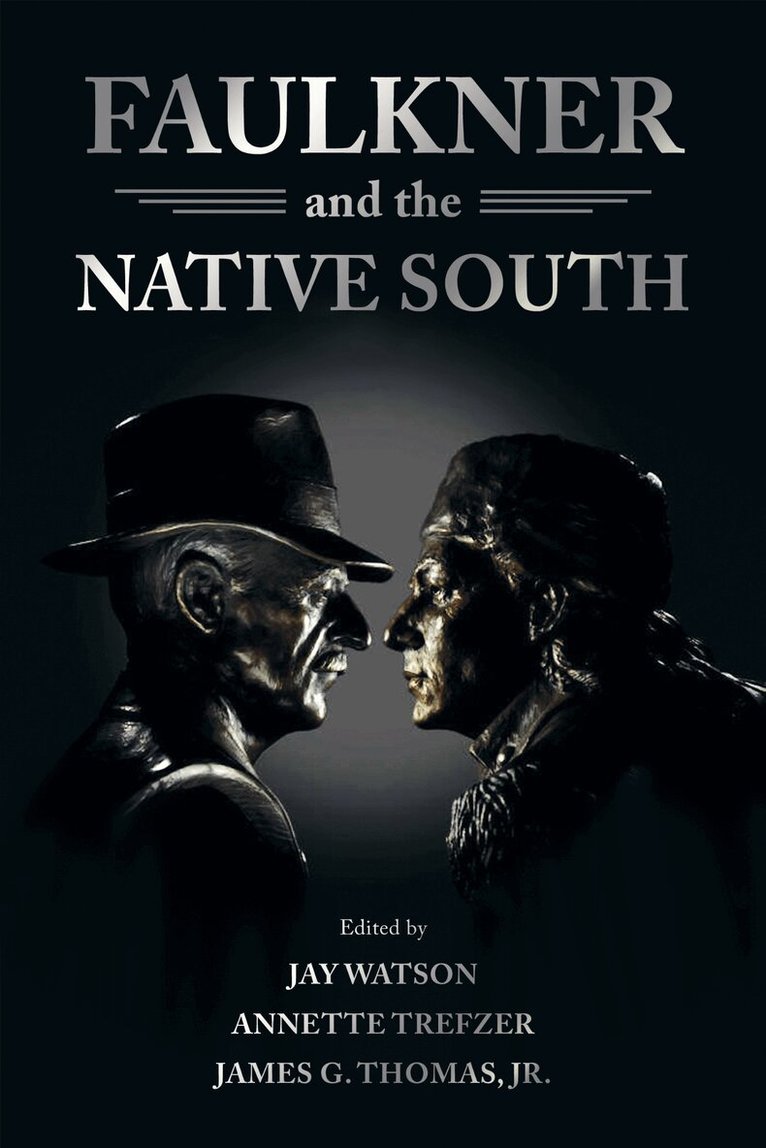
Contributions by Eric Gary Anderson, Melanie R. Anderson, Jodi A. Byrd, Gina Caison, Robbie Ethridge, Patricia Galloway, LeAnne Howe, John Wharton Lowe, Katherine M. B. Osburn, Melanie Benson Taylor, Annette Trefzer, and Jay Watson From new insights into the Chickasaw sources and far-reaching implications of Faulkner's fictional place-name ""Yoknapatawpha,"" to discussions that reveal the potential for indigenous land-, family-, and story-based methodologies to deepen understanding of Faulkner's fiction (including but not limited to the novels and stories he devoted explicitly to Native American topics), the eleven essays of this volume advance the critical analysis of Faulkner's Native South and the Native South's Faulkner. Critics push beyond assessments of the historical accuracy of his Native representations and the colonial hybridity of his Indian characters. Essayists turn instead to indigenous intellectual culture for new models, problems, and questions to bring to Faulkner studies. Along the way, readers are treated to illuminating comparisons between Faulkner's writings and the work of a number of Native American authors, filmmakers, tribal leaders, and historical figures. Faulkner and the Native South brings together Native and non-Native scholars in a stimulating and often surprising critical dialogue about the indigenous wellsprings of Faulkner's creative energies and about Faulkner's own complicated presence in Native American literary history.
1 216 kr
Skickas inom 10-15 vardagar
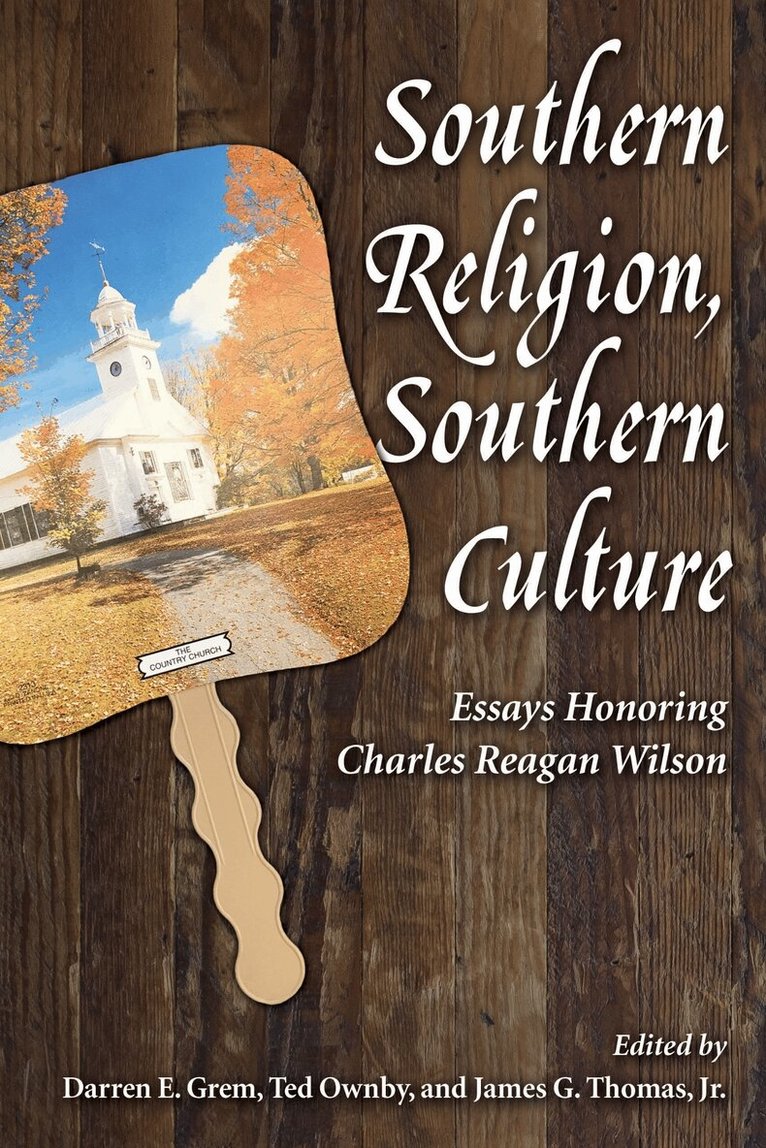
Contributions by Ryan L. Fletcher, Darren E. Grem, Paul Harvey, Alicia Jackson, Ted Ownby, Otis W. Pickett, Arthur Remillard, Chad Seales, and Randall J. StephensOver more than three decades of teaching at the University of Mississippi, Charles Reagan Wilson's research and writing transformed southern studies in key ways. This volume pays tribute to and extends Wilson's seminal work on southern religion and culture. Using certain episodes and moments in southern religious history, the essays examine the place and power of religion in southern communities and society. It emulates Wilson's model, featuring both majority and minority voices from archives and applying a variety of methods to explain the South's religious diversity and how religion mattered in many arenas of private and public life, often with life-or-death stakes.The volume first concentrates on churches and ministers, and then considers religious and cultural constructions outside formal religious bodies and institutions. It examines the faiths expressed via the region's fields, streets, homes, public squares, recreational venues, roadsides, and stages. In doing so, this book shows that Wilson's groundbreaking work on religion is an essential part of southern studies and crucial for fostering deeper understanding of the South's complicated history and culture.
1 358 kr
Skickas inom 10-15 vardagar
Contributions by W. Fitzhugh Brundage, Jordan Burke, Rebecca Bennett Clark, James C. Cobb, Anna Creadick, Colin Dayan, Wai Chee Dimock, Sarah E. Gardner, Hannah Godwin, Brooks E. Hefner, Andrew B. Leiter, Sean McCann, Conor Picken, Natalie J. Ring, Calvin Schermerhorn, and Jay Watson.William Faulkner remains a historian's writer. A distinguished roster of historians have referenced Faulkner in their published work. They are drawn to him as a fellow historian, a shaper of narrative reflections on the meaning of the past; as a historiographer, a theorist, and dramatist of the fraught enterprise of doing history; and as a historical figure himself, especially following his mid-century emergence as a public intellectual after winning the Nobel Prize for Literature.This volume brings together historians and literary scholars to explore the many facets of Faulkner's relationship to history: the historical contexts of his novels and stories; his explorations of the historiographic imagination; his engagement with historical figures from both the regional and national past; his influence on professional historians; his pursuit of alternate modes of temporal awareness; and the histories of print culture that shaped the production, reception, and criticism of Faulkner's work.Contributors draw on the history of development in the Mississippi Valley, the construction of Confederate memory, the history and curriculum of Harvard University, twentieth-century debates over police brutality and temperance reform, the history of modern childhood, and the literary histories of anti-slavery writing and pulp fiction to illuminate Faulkner's work. Others in the collection explore the meaning of Faulkner's fiction for such professional historians as C. Vann Woodward and Albert Bushnell Hart. In these ways and more, Faulkner and History offers fresh insights into one of the most persistent and long-recognized elements of the Mississippian's artistic vision.
416 kr
Skickas inom 7-10 vardagar
Contributions by W. Fitzhugh Brundage, Jordan Burke, Rebecca Bennett Clark, James C. Cobb, Anna Creadick, Colin Dayan, Wai Chee Dimock, Sarah E. Gardner, Hannah Godwin, Brooks E. Hefner, Andrew B. Leiter, Sean McCann, Conor Picken, Natalie J. Ring, Calvin Schermerhorn, and Jay Watson.William Faulkner remains a historian's writer. A distinguished roster of historians have referenced Faulkner in their published work. They are drawn to him as a fellow historian, a shaper of narrative reflections on the meaning of the past; as a historiographer, a theorist, and dramatist of the fraught enterprise of doing history; and as a historical figure himself, especially following his mid-century emergence as a public intellectual after winning the Nobel Prize for Literature.This volume brings together historians and literary scholars to explore the many facets of Faulkner's relationship to history: the historical contexts of his novels and stories; his explorations of the historiographic imagination; his engagement with historical figures from both the regional and national past; his influence on professional historians; his pursuit of alternate modes of temporal awareness; and the histories of print culture that shaped the production, reception, and criticism of Faulkner's work.Contributors draw on the history of development in the Mississippi Valley, the construction of Confederate memory, the history and curriculum of Harvard University, twentieth-century debates over police brutality and temperance reform, the history of modern childhood, and the literary histories of anti-slavery writing and pulp fiction to illuminate Faulkner's work. Others in the collection explore the meaning of Faulkner's fiction for such professional historians as C. Vann Woodward and Albert Bushnell Hart. In these ways and more, Faulkner and History offers fresh insights into one of the most persistent and long-recognized elements of the Mississippian's artistic vision.
422 kr
Skickas inom 10-15 vardagar
With contributions by Greg Barnhisel, John N. Duvall, Kristin Fujie, Sarah E. Gardner, Jaime Harker, Kristi Rowan Humphreys, Robert Jackson, Mary A. Knighton, Jennifer Nolan, Carl Rollyson, Tim A. Ryan, Jay Satterfield, Erin A. Smith, Jay Watson, and Yung-Hsing Wu.William Faulkner's first ventures into print culture began far from the world of highbrow New York publishing houses such as Boni & Liveright or Random House and little magazines such as the Double Dealer. With that diverse publishing history in mind, this collection explores Faulkner's multifaceted engagements, as writer and reader, with the US and international print cultures of his era, along with how these cultures have mediated his relationship with various twentieth- and twenty-first-century Audiences.These essays address the place of Faulkner and his writings in the creation, design, publishing, marketing, reception, and collecting of books, in the culture of twentieth-century magazines, journals, newspapers, and other periodicals (from pulp to avant-garde), in the history of modern readers and readerships, and in the construction and cultural politics of literary authorship.Several Contributors focus on Faulkner's sensational 1931 novel Sanctuary to illustrate the author's multifaceted relationship to the print ecology of his time, tracing the novel's path from the wellsprings of Faulkner's artistic vision to the novel's reception among reviewers, tastemakers, intellectuals, and other readers of the early 1930s. Other essayists discuss Faulkner's early notices, the Saturday Review of Literature, Saturday Evening Post, men's magazines of the 1950s, and Cold War modernism.
378 kr
Skickas inom 10-15 vardagar
Contributions by Ryan L. Fletcher, Darren E. Grem, Paul Harvey, Alicia Jackson, Ted Ownby, Otis W. Pickett, Arthur Remillard, Chad Seales, and Randall J. StephensOver more than three decades of teaching at the University of Mississippi, Charles Reagan Wilson's research and writing transformed southern studies in key ways. This volume pays tribute to and extends Wilson's seminal work on southern religion and culture. Using certain episodes and moments in southern religious history, the essays examine the place and power of religion in southern communities and society. It emulates Wilson's model, featuring both majority and minority voices from archives and applying a variety of methods to explain the South's religious diversity and how religion mattered in many arenas of private and public life, often with life-or-death stakes.The volume first concentrates on churches and ministers, and then considers religious and cultural constructions outside formal religious bodies and institutions. It examines the faiths expressed via the region's fields, streets, homes, public squares, recreational venues, roadsides, and stages. In doing so, this book shows that Wilson's groundbreaking work on religion is an essential part of southern studies and crucial for fostering deeper understanding of the South's complicated history and culture.
1 358 kr
Skickas inom 10-15 vardagar
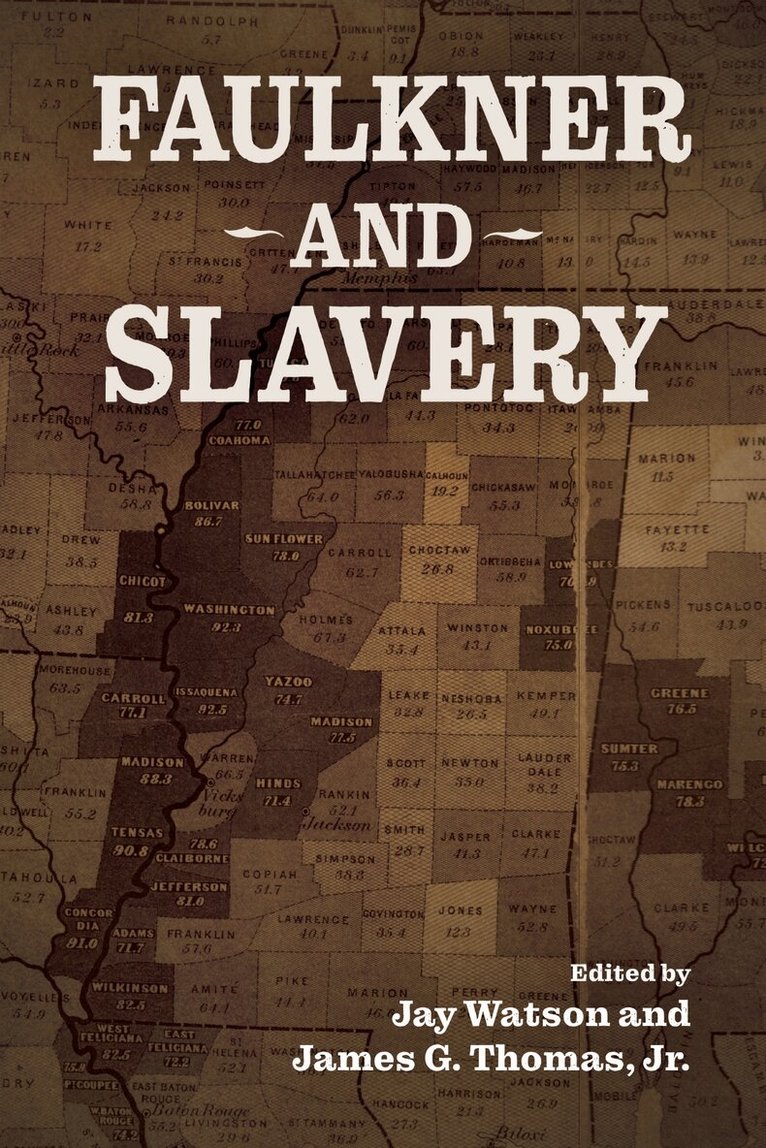
Contributions by Tim Armstrong, Edward A. Chappell, W. Ralph Eubanks, Amy A. Foley, Michael Gorra, Sherita L. Johnson, Andrew B. Leiter, John T. Matthews, Julie Beth Napolin, Erin Penner, Stephanie Rountree, Julia Stern, Jay Watson, and Randall WilhelmIn 1930, the same year he moved into Rowan Oak, a slave-built former plantation home in his hometown of Oxford, Mississippi, William Faulkner published his first work of fiction that gave serious attention to the experience and perspective of an enslaved individual. For the next two decades, Faulkner repeatedly returned to the theme of slavery and to the figures of enslaved people in his fiction, probing the racial, economic, and political contours of his region, nation, and hemisphere in work such as The Sound and the Fury; Light in August; Absalom, Absalom!; and Go Down, Moses.Faulkner and Slavery is the first collection to address the myriad legacies of African chattel slavery in the writings and personal history of one of the twentieth century's most incisive authors on US slavery and the long ordeal of race in the Americas. Contributors to the volume examine the constitutive links among slavery, capitalism, and modernity across Faulkner's oeuvre. They study how the history of slavery at the University of Mississippi informs writings like Absalom, Absalom! and trace how slavery's topologies of the rectilinear grid or square run up against the more reparative geography of the oval in Faulkner's narratives. Contributors explore how the legacies of slavery literally sound and resound across centuries of history, and across multiple novels and stories in Faulkner's fictional county of Yoknapatawpha, and they reveal how the author's remodeling work on his own residence brought him into an uncomfortable engagement with the spatial and architectural legacies of chattel slavery in north Mississippi. Faulkner and Slavery offers a timely intervention not only in the critical study of the writer's work but in ongoing national and global conversations about the afterlives of slavery and the necessary work of antiracism.
422 kr
Skickas inom 10-15 vardagar
From new insights into the Chickasaw sources and far-reaching implications of Faulkner’s fictional place-name "Yoknapatawpha," to discussions that reveal the potential for indigenous land-, family-, and story-based methodologies to deepen understanding of Faulkner’s fiction (including but not limited to the novels and stories he devoted explicitly to Native American topics), the eleven essays of this volume advance the critical analysis of Faulkner’s Native South and the Native South’s Faulkner. Critics push beyond assessments of the historical accuracy of his Native representations and the colonial hybridity of his Indian characters. Essayists turn instead to indigenous intellectual culture for new models, problems, and questions to bring to Faulkner studies. Along the way, readers are treated to illuminating comparisons between Faulkner’s writings and the work of a number of Native American authors, filmmakers, tribal leaders, and historical figures.Faulkner and the Native South brings together Native and non-Native scholars in a stimulating and often surprising critical dialogue about the indigenous wellsprings of Faulkner’s creative energies and about Faulkner’s own complicated presence in Native American literary history.Contributions by Eric Gary Anderson, Melanie R. Anderson, Jodi A. Byrd, Gina Caison, Robbie Ethridge, Patricia Galloway, LeAnne Howe, John Wharton Lowe, Katherine M. B. Osburn, Melanie Benson Taylor, Annette Trefzer, and Jay Watson.
422 kr
Skickas inom 10-15 vardagar
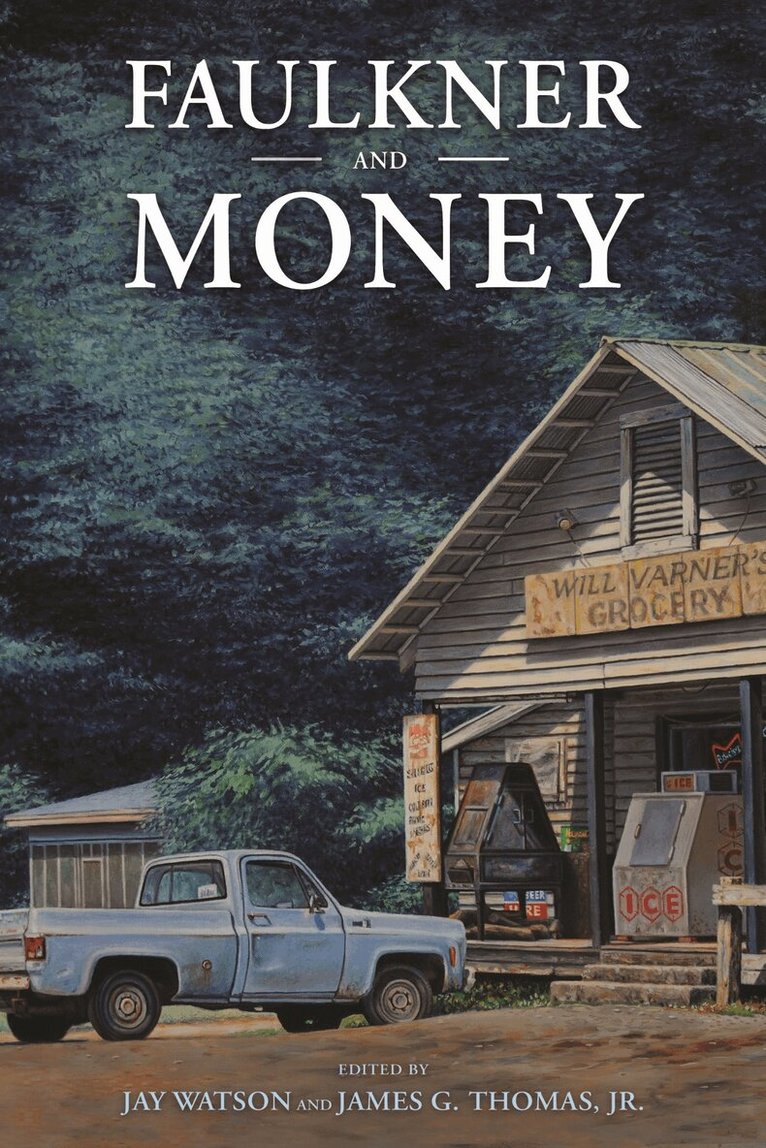
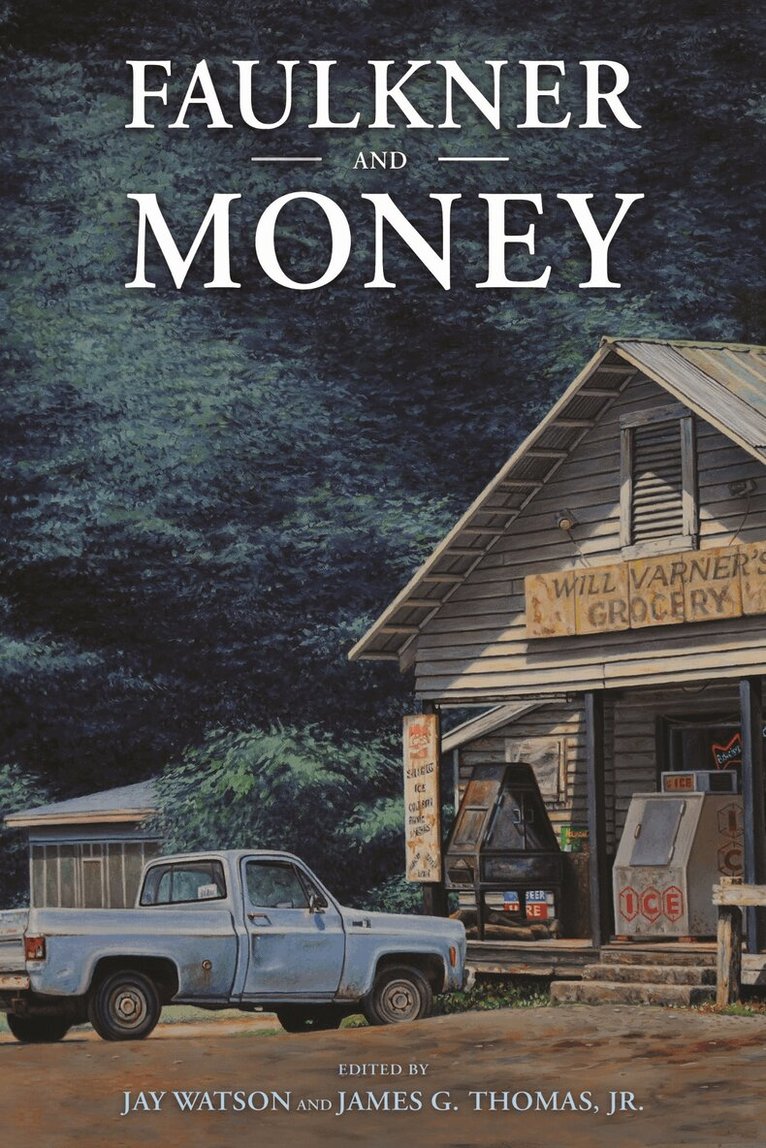
Contributions by Ted Atkinson, Gloria J. Burgess, David A. Davis, Sarah E. Gardner, Richard Godden, Ryan Heryford, Robert Jackson, Gavin Jones, Mary A. Knighton, Peter Lurie, John T. Matthews, Myka Tucker-Abramson, Michael Wainwright, Jay Watson, and Michael ZeitlinThe matter of money touches a writer's life at every point—in the need to make ends meet; in dealings with agents, editors, publishers, and bookstores; and in the choice of subject matter and the minutiae of imagined worlds. William Faulkner's Yoknapatawpha was no exception. The people and communities he wrote about stayed deeply entangled in personal, national, and even global networks of industry, commerce, and finance, as did the author himself. Faulkner's economic biography often followed, but occasionally bucked, the tumultuous economic trends of the twentieth century. The Faulkner met within these pages is among modern literature's most incisive and encyclopedic critics of what one contemporary theorist calls the madness of economic reason.Faulkner and Money brings together a distinguished group of scholars to explore the economic contexts of Faulkner's life and work, to follow the proverbial money toward new insights into the Nobel Laureate and new questions about his art. Essays in this collection address economies of debt and gift giving in Intruder in the Dust; the legacies of commodity fetishism in Sanctuary and of twentieth-century capitalism's financial turn in The Town; the pegging of self-esteem to financial acumen in the career of The Sound and the Fury's Jason Compson; the representational challenges posed by poverty and failure in Faulkner's Frenchman's Bend tales; the economics of regional readership and the Depression-era literary market; the aesthetic, monetary, and psychological rewards of writing for Hollywood; and the author's role as benefactor to an aspiring African American college student in the 1950s.
1 358 kr
Skickas inom 10-15 vardagar
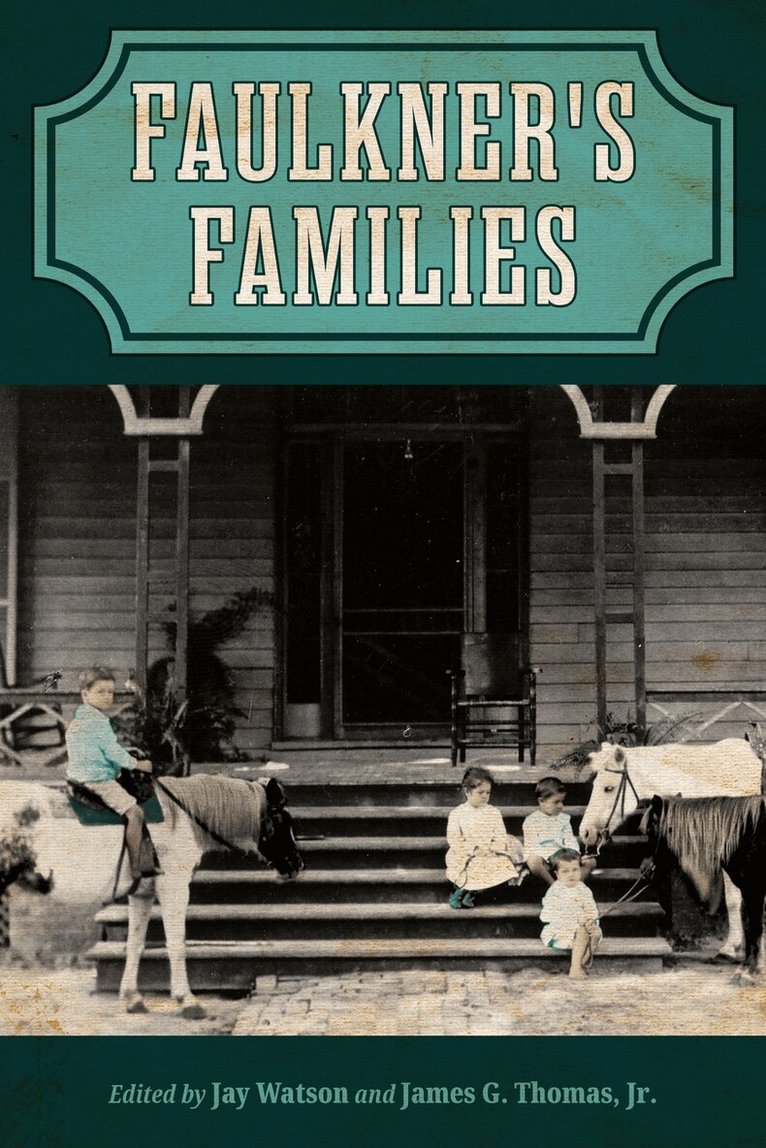
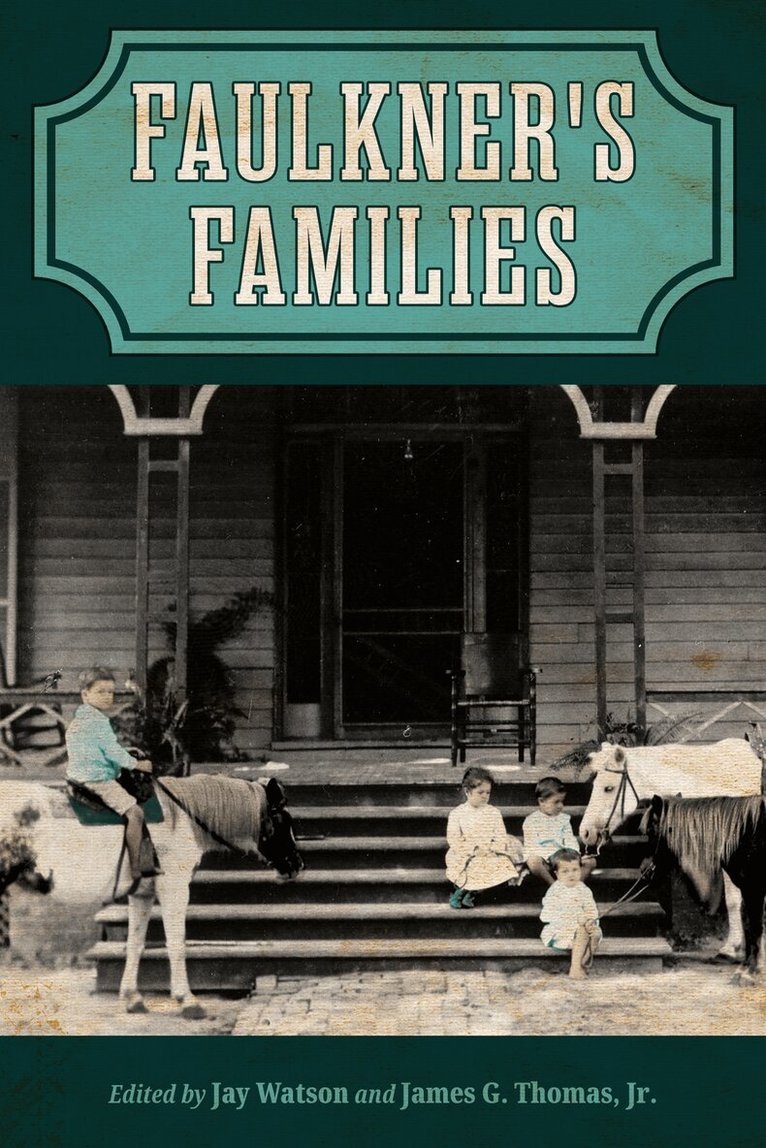
Contributions by Josephine Adams, Jeff Allred, Garry Bertholf, Maxwell Cassity, John N. Duvall, Katherine Henninger, Maude Hines, Robert Jackson, Julie Beth Napolin, Rebecca Nisetich, George Porter Thomas, Jay Watson, and Yuko YamamotoIf it seems outrageous to suggest that one of the twentieth century’s most important literary cartographers of the private recesses of consciousness is also among its great novelists of family, William Faulkner nonetheless fits the bill on both counts. Family played an outsized role in both his life and his writings, often in deeply problematic ways, surfacing across his oeuvre in a dazzling range of distorted, defamiliarized, and transgressive forms, while on other occasions serving as a crucible for crushing forces of conformity, convention, and tradition. The dozen essays featured in this collection approach Faulkner’s many families—actual and imagined—as especially revealing windows to his work and his world. In Faulkner's Families, contributors explore the role of the child in Faulkner’s vision of family and regional society; sibling relations throughout the author's body of work; the extension of family networks beyond blood lineage and across racial lines; the undutiful daughters of Yoknapatawpha County; the critical power of family estrangement and subversive genealogies in Faulkner’s imagination; forms of queer and interspecies kinship; the epidemiological imagination of Faulkner’s notorious Snopes family as social contagion; the experiences of the African American families who worked on the writer’s Greenfield Farm property; and Faulkner’s role in promoting a Cold War–era ideology of "the family of man" in post–World War II Japan.
416 kr
Skickas inom 7-10 vardagar
Contributions by Josephine Adams, Jeff Allred, Garry Bertholf, Maxwell Cassity, John N. Duvall, Katherine Henninger, Maude Hines, Robert Jackson, Julie Beth Napolin, Rebecca Nisetich, George Porter Thomas, Jay Watson, and Yuko YamamotoIf it seems outrageous to suggest that one of the twentieth century’s most important literary cartographers of the private recesses of consciousness is also among its great novelists of family, William Faulkner nonetheless fits the bill on both counts. Family played an outsized role in both his life and his writings, often in deeply problematic ways, surfacing across his oeuvre in a dazzling range of distorted, defamiliarized, and transgressive forms, while on other occasions serving as a crucible for crushing forces of conformity, convention, and tradition. The dozen essays featured in this collection approach Faulkner’s many families—actual and imagined—as especially revealing windows to his work and his world. In Faulkner's Families, contributors explore the role of the child in Faulkner’s vision of family and regional society; sibling relations throughout the author's body of work; the extension of family networks beyond blood lineage and across racial lines; the undutiful daughters of Yoknapatawpha County; the critical power of family estrangement and subversive genealogies in Faulkner’s imagination; forms of queer and interspecies kinship; the epidemiological imagination of Faulkner’s notorious Snopes family as social contagion; the experiences of the African American families who worked on the writer’s Greenfield Farm property; and Faulkner’s role in promoting a Cold War–era ideology of "the family of man" in post–World War II Japan.
416 kr
Skickas inom 7-10 vardagar
Contributions by Tim Armstrong, Edward A. Chappell, W. Ralph Eubanks, Amy A. Foley, Michael Gorra, Sherita L. Johnson, Andrew B. Leiter, John T. Matthews, Julie Beth Napolin, Erin Penner, Stephanie Rountree, Julia Stern, Jay Watson, and Randall WilhelmIn 1930, the same year he moved into Rowan Oak, a slave-built former plantation home in his hometown of Oxford, Mississippi, William Faulkner published his first work of fiction that gave serious attention to the experience and perspective of an enslaved individual. For the next two decades, Faulkner repeatedly returned to the theme of slavery and to the figures of enslaved people in his fiction, probing the racial, economic, and political contours of his region, nation, and hemisphere in work such as The Sound and the Fury; Light in August; Absalom, Absalom!; and Go Down, Moses.Faulkner and Slavery is the first collection to address the myriad legacies of African chattel slavery in the writings and personal history of one of the twentieth century’s most incisive authors on US slavery and the long ordeal of race in the Americas. Contributors to the volume examine the constitutive links among slavery, capitalism, and modernity across Faulkner’s oeuvre. They study how the history of slavery at the University of Mississippi informs writings like Absalom, Absalom! and trace how slavery’s topologies of the rectilinear grid or square run up against the more reparative geography of the oval in Faulkner’s narratives. Contributors explore how the legacies of slavery literally sound and resound across centuries of history, and across multiple novels and stories in Faulkner’s fictional county of Yoknapatawpha, and they reveal how the author’s remodeling work on his own residence brought him into an uncomfortable engagement with the spatial and architectural legacies of chattel slavery in north Mississippi. Faulkner and Slavery offers a timely intervention not only in the critical study of the writer’s work but in ongoing national and global conversations about the afterlives of slavery and the necessary work of antiracism.
1 339 kr
Skickas inom 7-10 vardagar
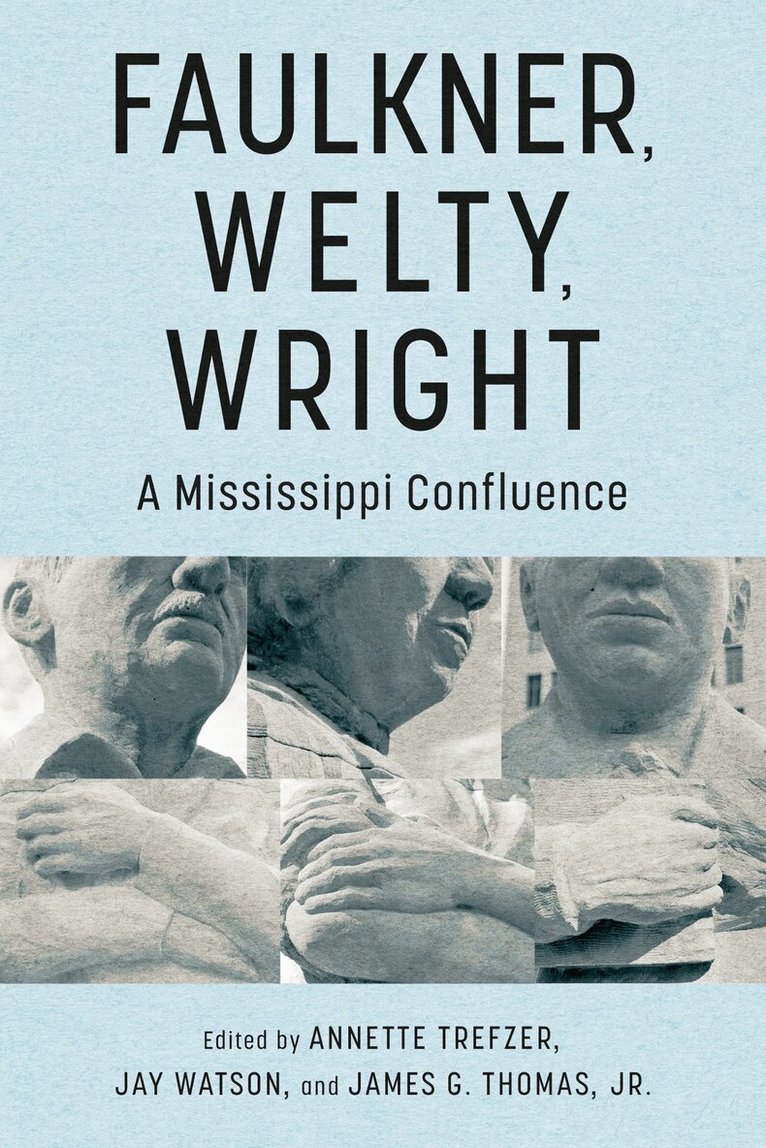
Contributions by Anita DeRouen, Susan V. Donaldson, Julia Eichelberger, W. Ralph Eubanks, Sarah Ford, Bernard Joy, John Wharton Lowe, Anne MacMaster, Rebecca Mark, Suzanne Marrs, Donnie McMahand, Kevin Murphy, Harriet Pollack, Annette Trefzer, Jay Watson, and Ryoichi YamaneWorking closely in each other’s orbit in Mississippi, William Faulkner, Eudora Welty, and Richard Wright created lasting portraits of southern culture, each from a distinctly different vantage point. Taking into consideration their personal, political, and artistic ways of responding to the histories and realities of their time and place, Faulkner, Welty, Wright: A Mississippi Confluence offers comparative scholarship that forges new connections—or, as Welty might say, traces new confluences—across texts, authors, identities, and traditions.In the collection, contributors discuss Faulkner’s Light in August; Sanctuary; Go Down, Moses; As I Lay Dying; ""A Rose for Emily""; and ""That Evening Sun""; Welty’s One Writer’s Beginnings; One Time, One Place; The Optimist’s Daughter; Losing Battles; ""Why I Live at the P.O.""; ""Livvie""; ""Moon Lake""; ""The Burning""; ""Where Is the Voice Coming From?""; and ""The Demonstrators""; and Wright’s Native Son; The Long Dream; 12 Million Black Voices; Black Boy; Lawd Today!; ""The Man Who Lived Underground""; ""The Ethics of Living Jim Crow""; and ""Long Black Song.""Acknowledging that Mississippi ground was never level for any of the three writers, the fourteen essays in this volume turn from the familiar strategies of single-author criticism toward a mode of analysis more receptive to the fluid mergings of creative currents, placing Wright, Welty, and Faulkner in comparative relationship to each other as well as to other Mississippi writers such as Margaret Walker, Lewis Nordan, Natasha Trethewey, Jesmyn Ward, Steve Yarbrough, and Kiese Laymon. Doing so deepens and enriches our understanding of these literary giants and the Mississippi modernism they made together.
356 kr
Skickas inom 7-10 vardagar
Contributions by Anita DeRouen, Susan V. Donaldson, Julia Eichelberger, W. Ralph Eubanks, Sarah Ford, Bernard Joy, John Wharton Lowe, Anne MacMaster, Rebecca Mark, Suzanne Marrs, Donnie McMahand, Kevin Murphy, Harriet Pollack, Annette Trefzer, Jay Watson, and Ryoichi YamaneWorking closely in each other’s orbit in Mississippi, William Faulkner, Eudora Welty, and Richard Wright created lasting portraits of southern culture, each from a distinctly different vantage point. Taking into consideration their personal, political, and artistic ways of responding to the histories and realities of their time and place, Faulkner, Welty, Wright: A Mississippi Confluence offers comparative scholarship that forges new connections—or, as Welty might say, traces new confluences—across texts, authors, identities, and traditions.In the collection, contributors discuss Faulkner’s Light in August; Sanctuary; Go Down, Moses; As I Lay Dying; ""A Rose for Emily""; and ""That Evening Sun""; Welty’s One Writer’s Beginnings; One Time, One Place; The Optimist’s Daughter; Losing Battles; ""Why I Live at the P.O.""; ""Livvie""; ""Moon Lake""; ""The Burning""; ""Where Is the Voice Coming From?""; and ""The Demonstrators""; and Wright’s Native Son; The Long Dream; 12 Million Black Voices; Black Boy; Lawd Today!; ""The Man Who Lived Underground""; ""The Ethics of Living Jim Crow""; and ""Long Black Song.""Acknowledging that Mississippi ground was never level for any of the three writers, the fourteen essays in this volume turn from the familiar strategies of single-author criticism toward a mode of analysis more receptive to the fluid mergings of creative currents, placing Wright, Welty, and Faulkner in comparative relationship to each other as well as to other Mississippi writers such as Margaret Walker, Lewis Nordan, Natasha Trethewey, Jesmyn Ward, Steve Yarbrough, and Kiese Laymon. Doing so deepens and enriches our understanding of these literary giants and the Mississippi modernism they made together.