James Grehan - Böcker
Visar alla böcker från författaren . Handla med fri frakt och snabb leverans.
4 produkter
4 produkter
476 kr
Skickas inom 5-8 vardagar
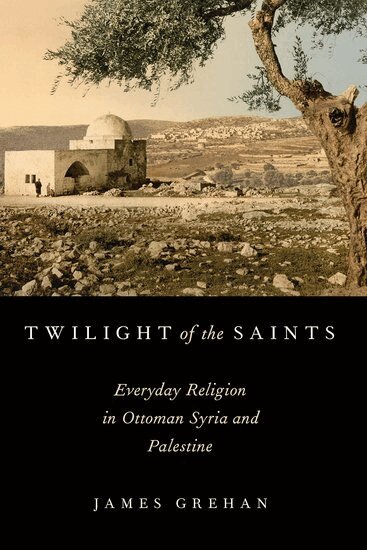
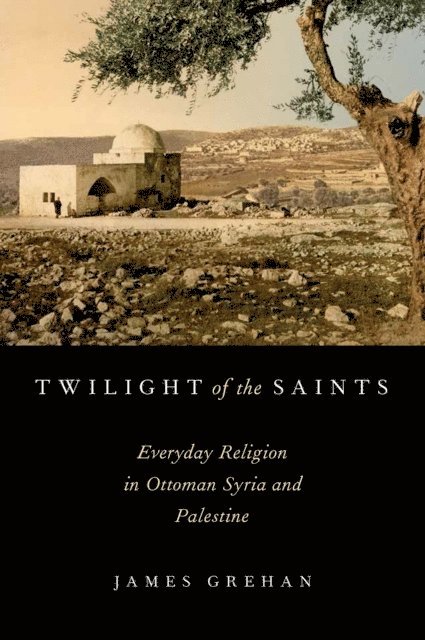
In this study of everyday religious culture in early modern Syria and Palestine, James Grehan offers a social history that looks beyond conventional ways of thinking about religion in the Middle East. The most common narratives about the region introduce us to the separate traditions of Islam, Christianity, and Judaism, highlighting how each one has created its own distinctive traditions and communities. Twilight of the Saints offers a reinterpretation of religious and cultural history in a region which is today associated with division and violence. Exploring the religious habits of ordinary people, from the late seventeenth to the end of the nineteenth century, when the region was part of the Ottoman Empire, Grehan shows that members of different religious groups participated in a common, overarching religious culture that was still visible at the beginning of the twentieth century.Most evident in the countryside, though present everywhere, this religious mainstream thrived in a society in which few people had access to formal religious teachings. This older, folk religious culture was steeped in notions and rituals that the modern world, with its mainly theological conception of religion, has utterly repudiated. Indeed, the people of Syria and Palestine today would hardly recognize religion as it was experienced in the not-so-distant past. Only by uncovering this lost lived religion, argues Grehan, can we appreciate the largely unacknowledged revolution in religion that has taken place in the region over the last century.
1 217 kr
Skickas inom 5-8 vardagar
In this study of everyday religious culture in early modern Syria and Palestine, James Grehan offers a social history that looks beyond conventional ways of thinking about religion in the Middle East. The most common narratives about the region introduce us to the separate traditions of Islam, Christianity, and Judaism, highlighting how each one has created its own distinctive traditions and communities. Twilight of the Saints offers a reinterpretation of religious and cultural history in a region which is today associated with division and violence. Exploring the religious habits of ordinary people, from the late seventeenth to the end of the nineteenth century, when the region was part of the Ottoman Empire, Grehan shows that members of different religious groups participated in a common, overarching religious culture that was still visible at the beginning of the twentieth century. Most evident in the countryside, though present everywhere, this religious mainstream thrived in a society in which few people had access to formal religious teachings. This older, folk religious culture was steeped in notions and rituals that the modern world, with its mainly theological conception of religion, has utterly repudiated. Indeed, the people of Syria and Palestine today would hardly recognize religion as it was experienced in the not-so-distant past. Only by uncovering this lost lived religion, argues Grehan, can we appreciate the largely unacknowledged revolution in religion that has taken place in the region over the last century.
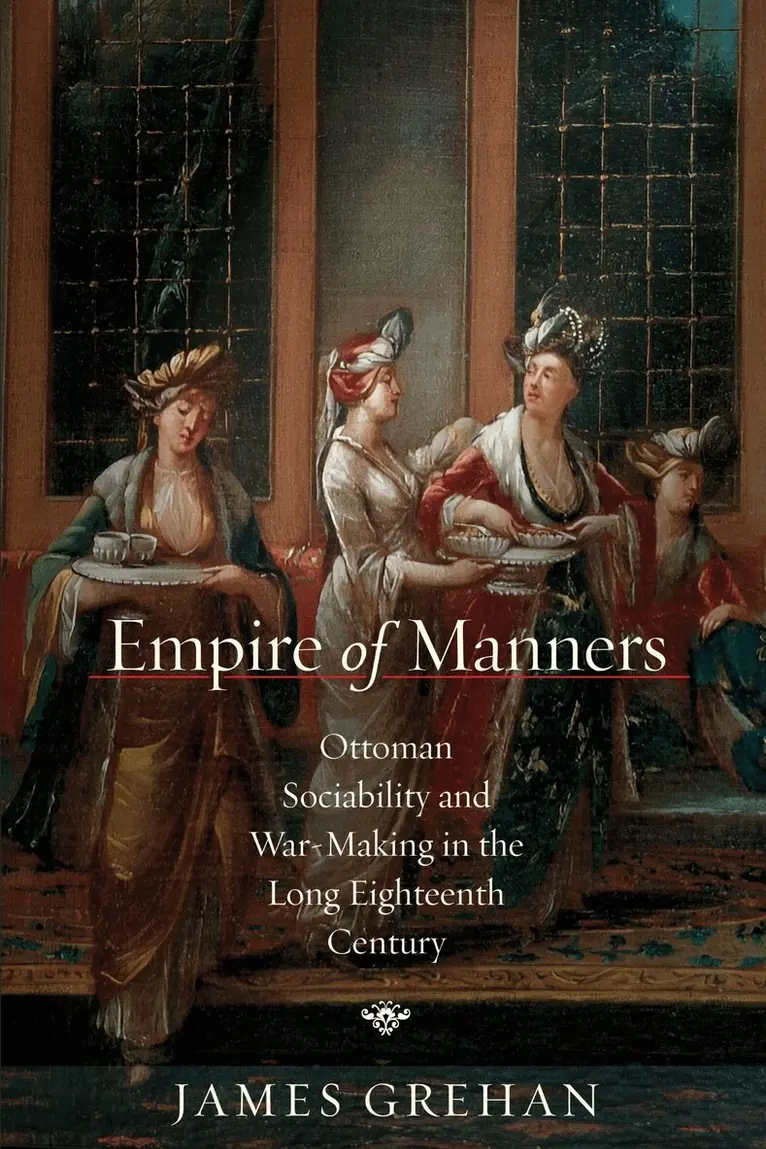
Empire of Manners
Ottoman Sociability and War-Making in the Long Eighteenth Century
Inbunden, Engelska, 2025
1 528 kr
Skickas inom 7-10 vardagar
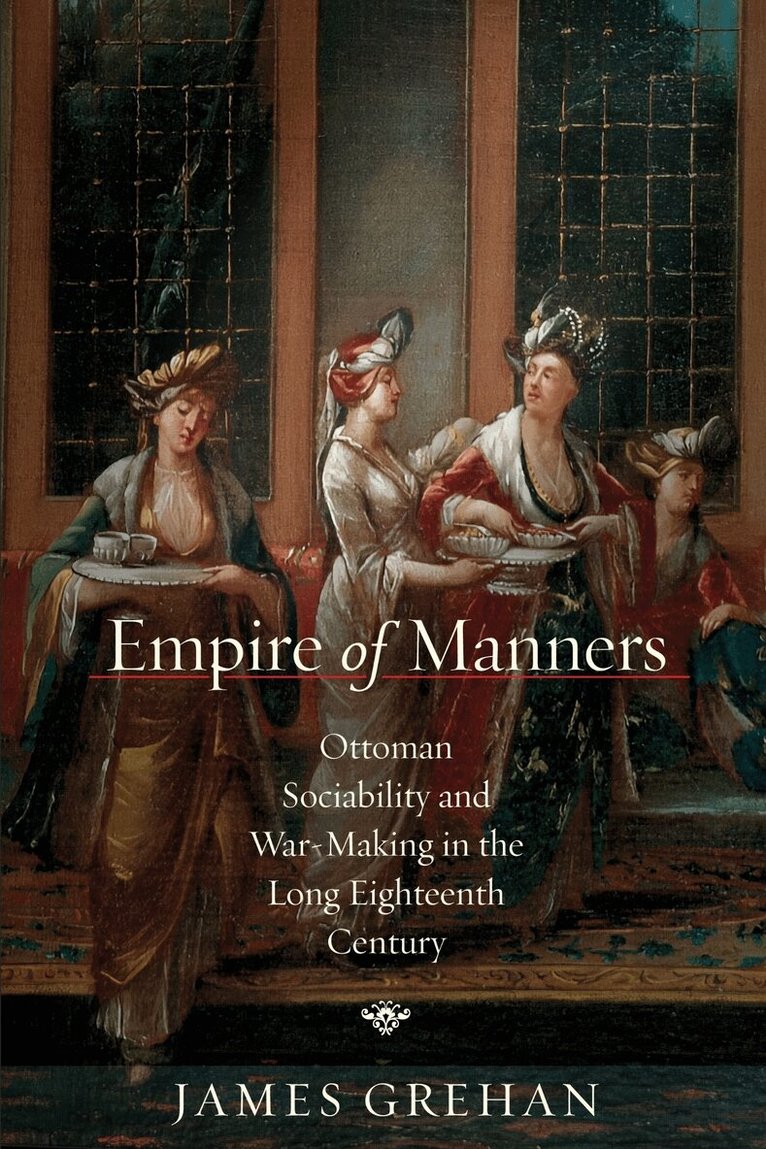
It is easy to believe that manners are empty gestures, little more than social artifice or practiced etiquette whose sole purpose is to project civility and facilitate social interaction. But if we look more closely, they can tell us much more than we might first suppose, revealing what conventional accounts of state, economy, and religion often ignore. With this book, James Grehan offers a panoramic view of manners and sociability across the eighteenth-century Ottoman Empire, from the Balkans to the Middle East to North Africa. Studying chronicles, biographical dictionaries, and travel accounts, he throws new light on the inner dynamics of Ottoman society during a transitional period in Ottoman history which has too often been misunderstood.Empire of Manners proposes a new way of thinking about the history of manners, arguing that violence and war-making, as much as civility and etiquette, have a central role in shaping them. The eighteenth century proved to be a turning point in this paradoxical relationship between violence and manners as war-making turned into a substantially more complex and costly enterprise, leaving a deeper and wider social footprint. The interplay between violence and manners, an unlikely couple, unexpectedly narrates the Ottoman path to the modern age.
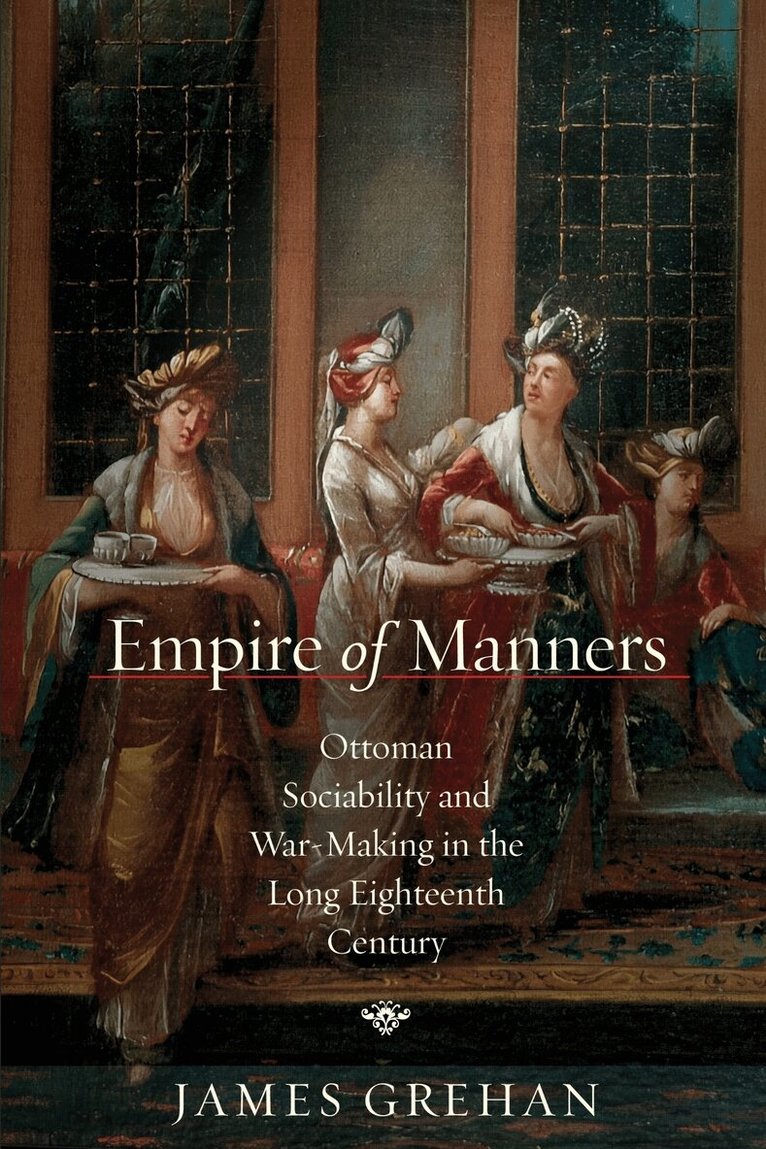
Empire of Manners
Ottoman Sociability and War-Making in the Long Eighteenth Century
Häftad, Engelska, 2025
370 kr
Skickas
It is easy to believe that manners are empty gestures, little more than social artifice or practiced etiquette whose sole purpose is to project civility and facilitate social interaction. But if we look more closely, they can tell us much more than we might first suppose, revealing what conventional accounts of state, economy, and religion often ignore. With this book, James Grehan offers a panoramic view of manners and sociability across the eighteenth-century Ottoman Empire, from the Balkans to the Middle East to North Africa. Studying chronicles, biographical dictionaries, and travel accounts, he throws new light on the inner dynamics of Ottoman society during a transitional period in Ottoman history which has too often been misunderstood.Empire of Manners proposes a new way of thinking about the history of manners, arguing that violence and war-making, as much as civility and etiquette, have a central role in shaping them. The eighteenth century proved to be a turning point in this paradoxical relationship between violence and manners as war-making turned into a substantially more complex and costly enterprise, leaving a deeper and wider social footprint. The interplay between violence and manners, an unlikely couple, unexpectedly narrates the Ottoman path to the modern age.