James H Adams - Böcker
Visar alla böcker från författaren James H Adams. Handla med fri frakt och snabb leverans.
4 produkter
4 produkter
Report of the Special Committee of the House of Representatives of South Carolina, on So Much of the Message of His Excellency, Gov. Jas. H. Adams, as Relates to Slavery and the Slave Trade.
Häftad, Engelska, 2012
238 kr
Skickas inom 3-6 vardagar
1 213 kr
Skickas inom 10-15 vardagar
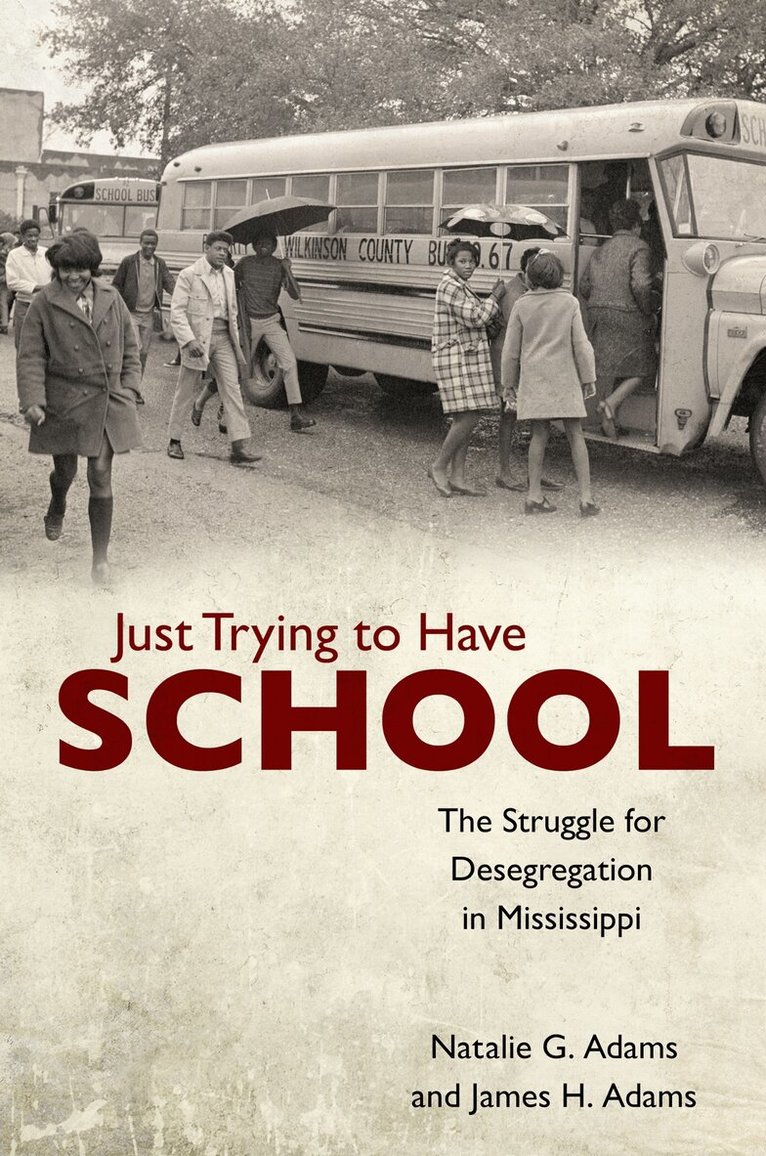
After the 1954 Brown v. Board of Education ruling, no state fought longer or harder to preserve segregated schools than Mississippi. This massive resistance came to a crashing halt in October 1969 when the Supreme Court ruled in Alexander v. Holmes Board of Education that ""the obligation of every school district is to terminate dual school systems at once and to operate now and hereafter only unitary schools."" Thirty of the thirty-three Mississippi districts named in the case were ordered to open as desegregated schools after Christmas break. With little guidance from state officials and no formal training or experience in effective school desegregation processes, ordinary people were thrown into extraordinary circumstances. However, their stories have been largely ignored in desegregation literature. Based on meticulous archival research and oral history interviews with over one hundred parents, teachers, students, principals, superintendents, community leaders, and school board members, Natalie G. Adams and James H. Adams explore the arduous and complex task of implementing school desegregation. How were bus routes determined? Who lost their position as principal? Who was assigned to what classes? Without losing sight of the important macro forces in precipitating social change, the authors shift attention to how the daily work of ""just trying to have school"" helped shape the contours of school desegregation in communities still living with the decisions made fifty years ago.
377 kr
Skickas inom 10-15 vardagar
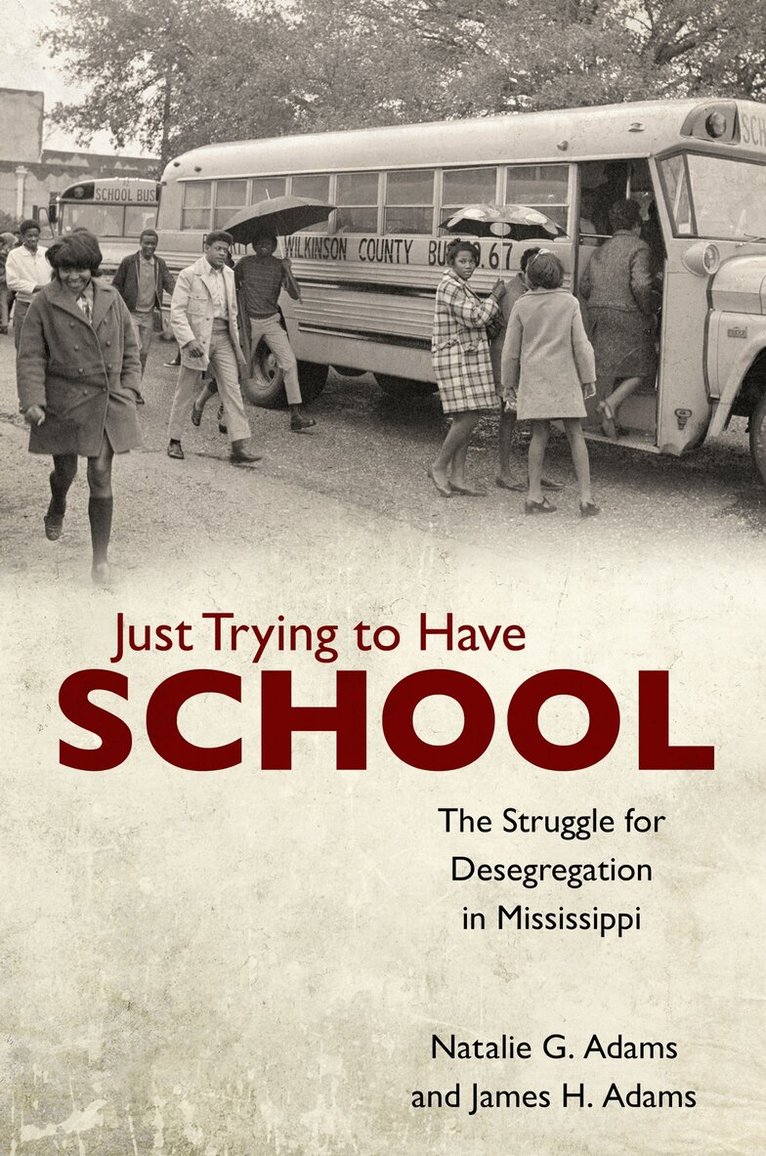
After the 1954 Brown v. Board of Education ruling, no state fought longer or harder to preserve segregated schools than Mississippi. This massive resistance came to a crashing halt in October 1969 when the Supreme Court ruled in Alexander v. Holmes Board of Education that ""the obligation of every school district is to terminate dual school systems at once and to operate now and hereafter only unitary schools."" Thirty of the thirty-three Mississippi districts named in the case were ordered to open as desegregated schools after Christmas break. With little guidance from state officials and no formal training or experience in effective school desegregation processes, ordinary people were thrown into extraordinary circumstances. However, their stories have been largely ignored in desegregation literature. Based on meticulous archival research and oral history interviews with over one hundred parents, teachers, students, principals, superintendents, community leaders, and school board members, Natalie G. Adams and James H. Adams explore the arduous and complex task of implementing school desegregation. How were bus routes determined? Who lost their position as principal? Who was assigned to what classes? Without losing sight of the important macro forces in precipitating social change, the authors shift attention to how the daily work of ""just trying to have school"" helped shape the contours of school desegregation in communities still living with the decisions made fifty years ago.
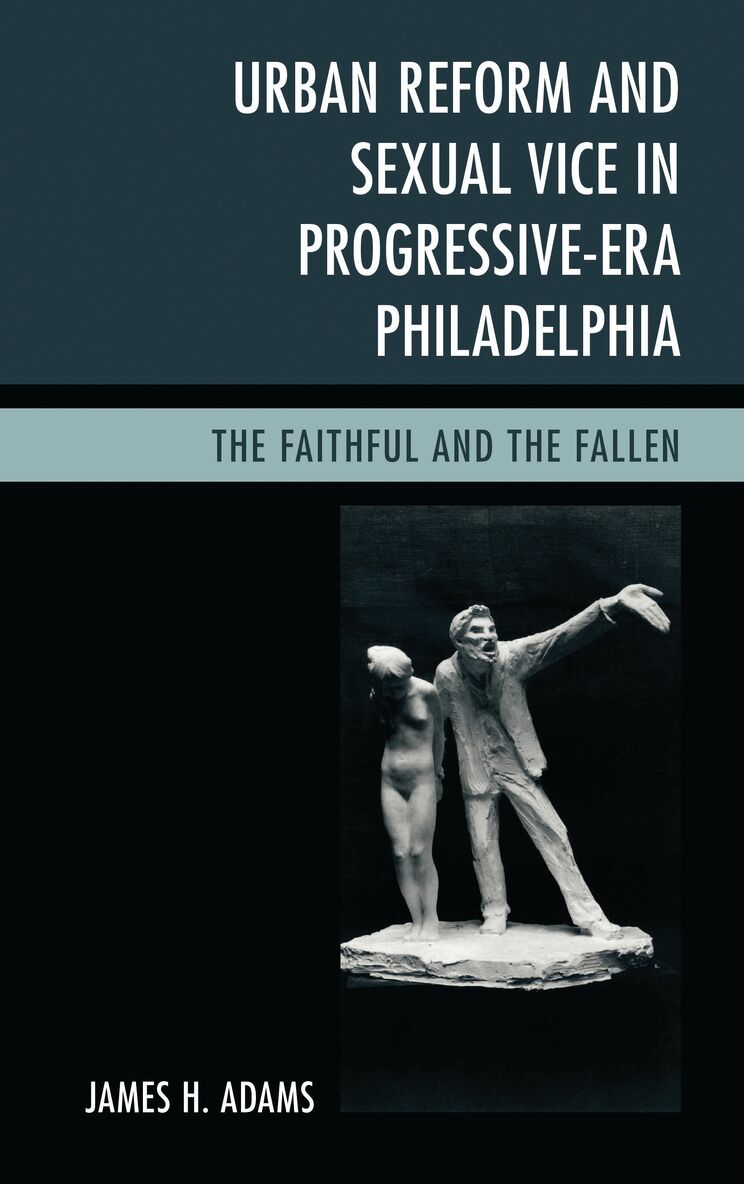
Urban Reform and Sexual Vice in Progressive-Era Philadelphia
The Faithful and the Fallen
Inbunden, Engelska, 2015
1 314 kr
Skickas inom 10-15 vardagar
This book examines the intersection and interplay between Progressive-Era rhetoric regarding commercialized vice and the realities of prostitution in early-twentieth-century Philadelphia. Arguing that any study of commercial sexual vice in a historical context is difficult given the paucity of evidence, this work instead focuses on reformers’ construction of a cultural view of prostitution, which Adams argues was based more upon their perceptions of the trade than on reality itself. Looking at the urban core of the city, Progressive reformers saw vice, immorality, and decay—but as they frequently had little face-to-face interaction with prostitutes plying their trade, they were forced to construct culturally fueled archetypes to explain what they believed they saw. Ultimately, reformers in Philadelphia were battling against a rhetorical creation of their own design, and any study of anti-vice reform in the early twentieth century tells us more about the relationship between activists and the government than it does about vice itself.