James H. Howard - Böcker
Visar alla böcker från författaren James H. Howard. Handla med fri frakt och snabb leverans.
6 produkter
6 produkter
274 kr
Skickas inom 10-15 vardagar
The Canadian Sioux are descendants of Santees, Yanktonais, and Tetons from the United States who sought refuge in Canada during the 1860s and 1870s. Living today on eight reserves in Manitoba and Saskatchewan, they have been largely neglected by anthropologists and historians and are the least well known of all the Sioux groups. This study by a long-time student of Sioux and other Indian cultures fills that gap in the literature. Based on fieldwork done in the 1970s supplemented by written sources, The Canadian Sioux presents a descriptive reconstruction of their traditional culture, many aspects of which are still practiced or remembered by Canadian Sioux today although long forgotten by their relatives in the United States. It is rich in detail and presents an abundance of new information on topics such as tribal divisions, documented history and traditional history, warfare, their economy, social life, philosophy and religion, and ceremonialism. Nearly half the book is devoted to Canadian Sioux religion and describes such ceremonies as the vision quest, medicine feast, medicine dance, sun dance, warrior society dances, and the Ghost Dance.A welcome addition to American Indian ethnography, James H. Howard's study provides a valuable overview of Canadian Sioux culture and a fine introduction to these little-known groups.
212 kr
Skickas inom 10-15 vardagar
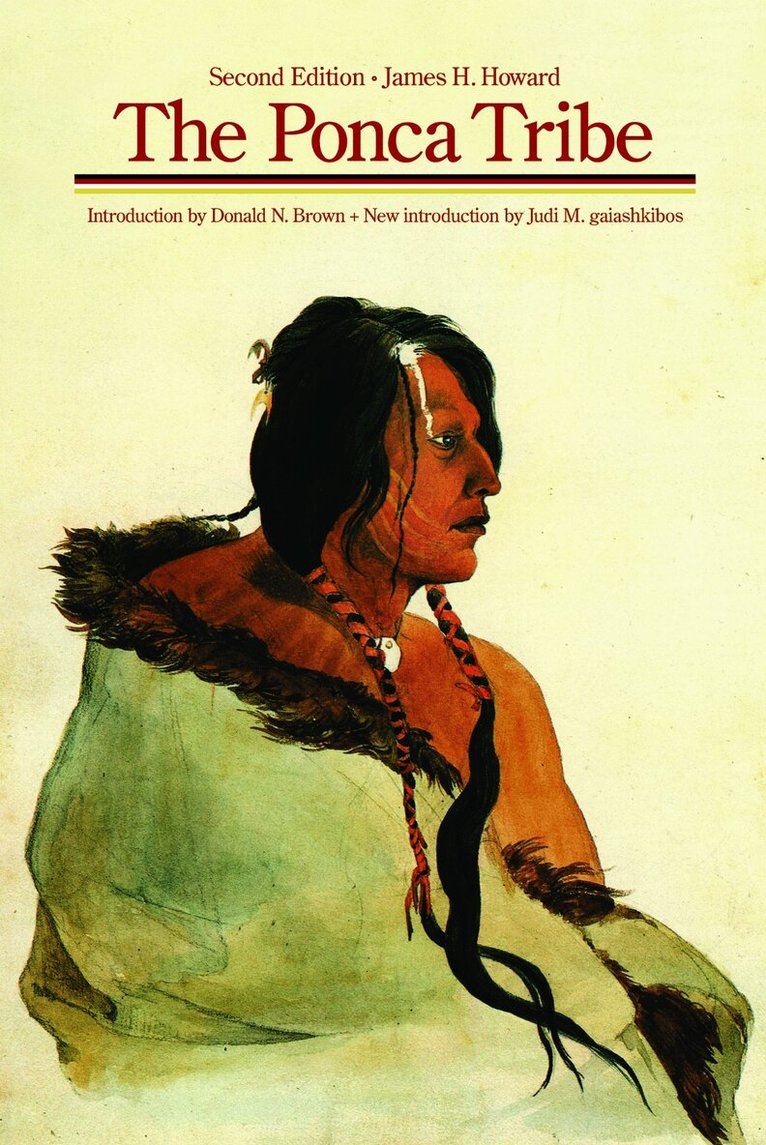
The culture of the Ponca Indians is less well known than their misfortunes. A model of research and clarity, The Ponca Tribe is still the most complete account of these Indians who inhabited the upper central plains. Peaceably inclined and never numerous, they built earth-lodge villages, cultivated gardens, and hunted buffalo. James H. Howard considers their historic situation in present-day South Dakota and Nebraska, their trade with Europeans and relations with the U.S. government, and, finally, their loss of land along the Niobrara River and forced removal to Indian Territory. The tragic events surrounding the 1877 removal, culminating in the arrest and trial of Chief Standing Bear, are only part of the Ponca story. Howard, a respected ethnologist, traces the tribe's origins and early history. Aided by Ponca informants, he presents their way of life in his descriptions of Ponca lodgings, arts and crafts, clothing and ornaments, food, tools and weapons, dogs and horses, kinship system, governance, sexual practices, and religious ceremonies and dances. He tells what is known about a proud (and ultimately divided) tribe that was led down a "trail of tears."The Ponca Tribe was originally published in 1965 as a bulletin of the Smithsonian Institution's Bureau of American Ethnology.
312 kr
Skickas inom 10-15 vardagar
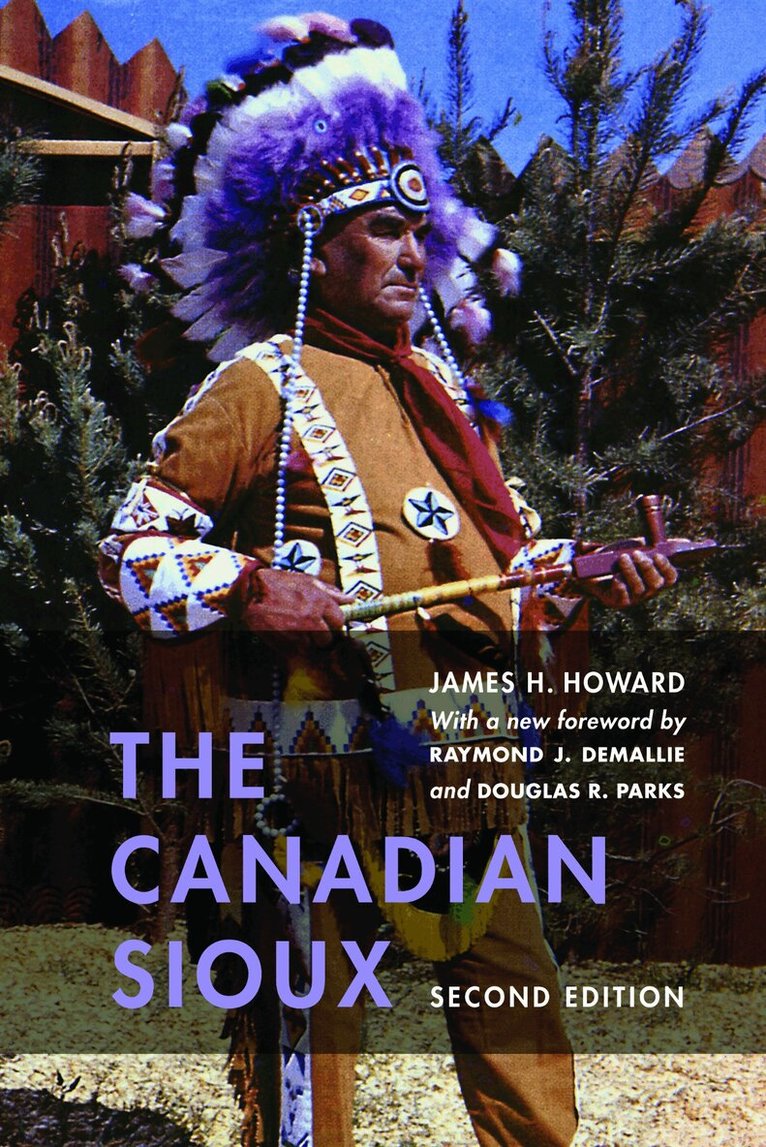
The Canadian Sioux are descendants of Santees, Yanktonais, and Tetons from the United States who sought refuge in Canada during the 1860s and 1870s. Living today on eight reserves in Manitoba and Saskatchewan, they are the least studied of all the Sioux groups. This book, originally published in 1984, helps fill that gap in the literature and remains relevant even in the twenty-first century. Based on Howard's fieldwork in the 1970s and supplemented by written sources, The Canadian Sioux, Second Edition descriptively reconstructs their traditional culture, many aspects of which are still practiced or remembered by Canadian Sioux although long forgotten by their relatives in the United States. Rich in detail, it presents an abundance of information on topics such as tribal divisions, documented history and traditional history, warfare, economy, social life, philosophy and religion, and ceremonialism. Nearly half the book is devoted to Canadian Sioux religion and describes such ceremonies as the Vision Quest, the Medicine Feast, the Medicine Dance, the Sun Dance, warrior society dances, and the Ghost Dance. This second edition includes previously unpublished images, many of them photographed by Howard, and some of his original drawings.
220 kr
Skickas inom 10-15 vardagar
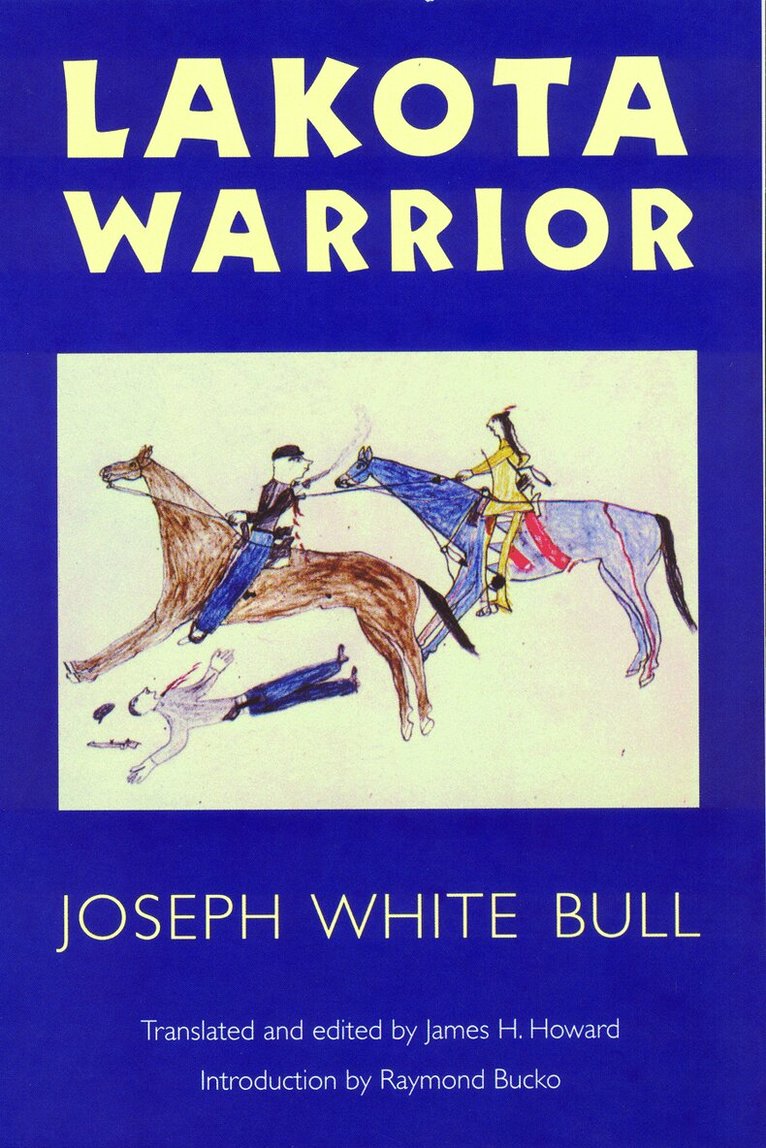
With his own words and images, Joseph White Bull tells of his memorable life and exploits as a Lakota warrior in the late nineteenth century. The son of a Miniconjou chief and nephew of Sitting Bull of the Hunkpapas, White Bull was an accomplished warrior. He participated in the Fetterman and Wagon-Box fights, and fought at the Little Big Horn, contending that he was the warrior who killed Custer. Many years later, White Bull was persuaded to recount the outstanding events of his life. The result is this remarkable autobiography, consisting of text and drawings. In addition to relating White Bull's accomplishments in war, the narrative includes events from his youth, details of Lakota culture, and an extended Lakota winter count.This bilingual edition, originally published as The Warrior Who Killed Custer (Nebraska 1968), features White Bull's story in its original Lakota, his drawings, and an English translation. The manuscript was translated and edited by James H. Howard, author of The Canadian Sioux (Nebraska 1984) and The Ponca Tribe (Nebraska 1995).
240 kr
Skickas inom 10-15 vardagar
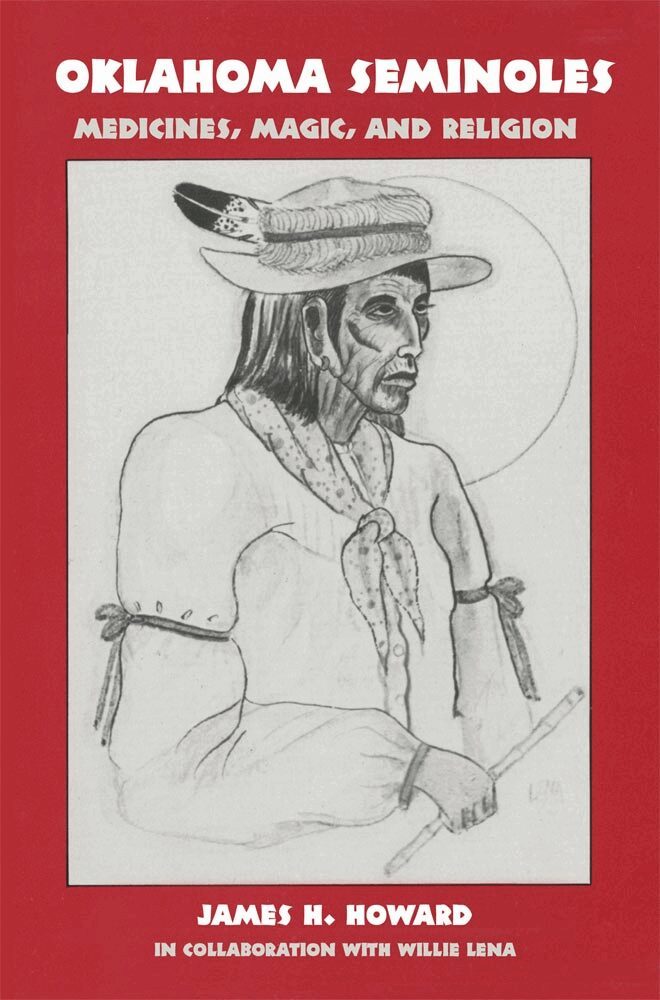
Mention the name Seminole and most Americans think of the Florida segment of the tribe - Indian men in colorful shirts poling dugouts through the black waters of the Everglades and women sewing patchwork in palmetto-thatched chickees. But another Seminole population, much larger in numbers, lives in the prairie and scrub oak hill country of Oklahoma.Studies of the Oklahoma segment of the tribe have been few, and James H. Howard's objective in writing this book has been to record the richness of Seminole culture in the West, presenting that culture as it is seen and interpreted by its more traditional members in Oklahoma today.Much of the Seminole culture is held in common, but many differences have grown up between the two groups since the ""Trail of Tears"" separated them in the 1830s. This does not necessarily mean greater acculturation to white ways by the Oklahoma Seminoles. In some instances the Oklahomans are the more traditional, in that they retain cultural forms mentioned in early records but long forgotten in Florida.Howard documents contributions from many persons, but the greatest amount of information came from Willie Lena, a Seminole town chief who lives in Wewoka, Oklahoma. Born in 1912 and reared by his conservative grandparents, Lena was shielded from the white culture during his childhood and carefully trained in Seminole ways and values. Recognized since his youth as a traditionalist leader, Lena has a lively intelligence, artistic talent, and a warm personality that have led him to serve as an enthusiastic ambassador of his own culture both to the younger generation of Seminoles and Creeks and to non-Indians as well.In a detailed report of Seminole culture as it is found in Oklahoma today, Howard has included chapters on herbal and non-herbal remedies, magic and witchcraft, supernaturals, the Green Corn Ceremony, the nighttime dances and other ceremonials, sports and games, mortuary practices, and other aspects of the Seminole world. Based on firsthand information and extensive fieldwork, Howard's descriptions are appealing and immediate. He also displays extensive knowledge of the related literature, and parallel material recorded in earlier sources is often cited for comparison. Lena's illustrations add further interest and authenticity to the book.Seminole culture, with its unique attitudes and beliefs and distinctly Southeastern Indian worldview, has persisted in spite of more than four hundred years of exposure to European and American culture. It is quite clear from the material presented in this book that there will continue to be American Indians in Oklahoma who proudly call themselves ""Seminole"" for many years to come.
Shawnee!
The Ceremonialism of a Native Indian Tribe and Its Cultural Background
Häftad, Engelska, 1981
377 kr
Skickas inom 10-15 vardagar
In spite of the important role of the Shawnee tribe of American Indians in the Colonial period and the early years of the American republic, they have been virtually ignored by the scholarly world. Anthropologists have paid little attention to the Shawnees, despite the tribe's rich culture and pivotal position among the other tribes in eastern North America.In this first comprehensive account of Shawnee culture, Dr. Howard assembled data concerning the tribe by utilizing published accounts, documents, maps, photographs, and paintings; and by visiting present-day Shawnees and participating in their ceremonies, games and everyday activities. The work is embellished with musical notations of Shawnee songs, maps, heirloom photographs and several photographs taken by the author during his fieldwork. Of particular interest is a remarkable series of paintings of Shawnee life by gifted Shawnee artist, Earnest Spybuck.