James H. Moor – författare
Visar alla böcker från författaren James H. Moor. Handla med fri frakt och snabb leverans.
8 produkter
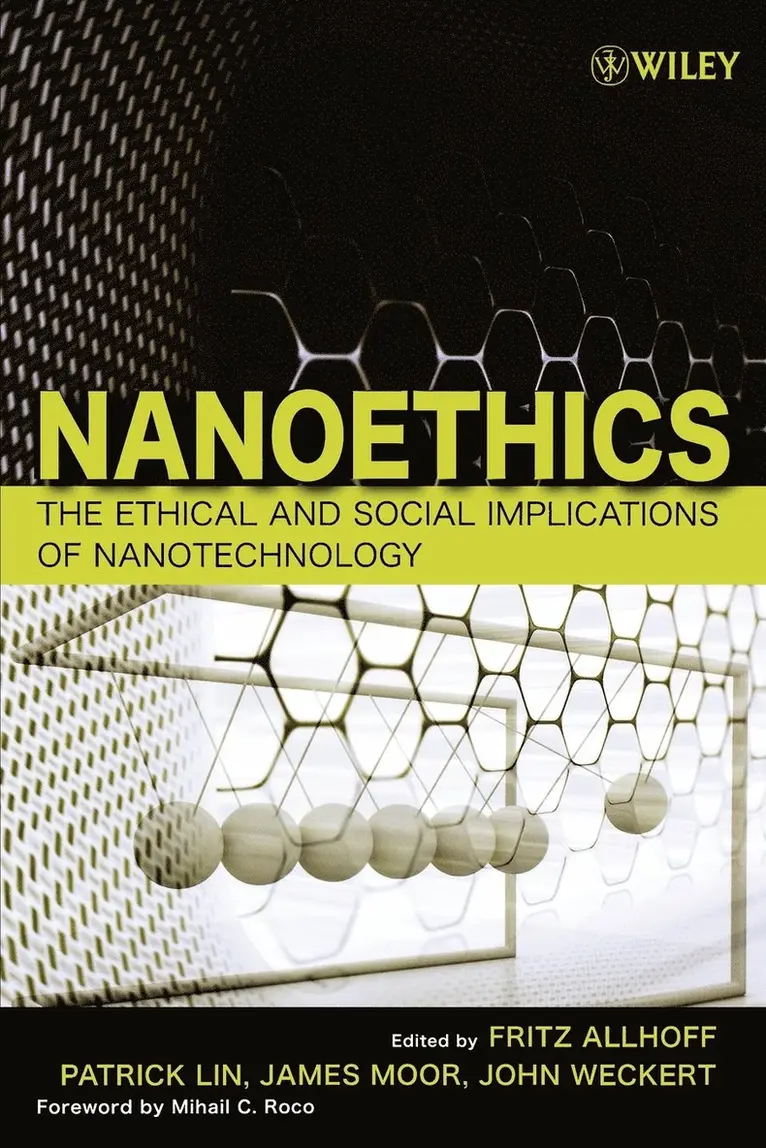
Nanoethics
The Ethical and Social Implications of Nanotechnology
Av Fritz Allhoff, Patrick Lin m. fl.
Häftad, 2007
762 kr
Lägg i varukorg
Nanotechnology will eventually impact every area of our world Nanoethics seeks to examine the potential risks and rewards of applications of nanotechnology. This up-to-date anthology gives the reader an introduction to and basic foundation in nanotechnology and nanoethics, and then delves into …
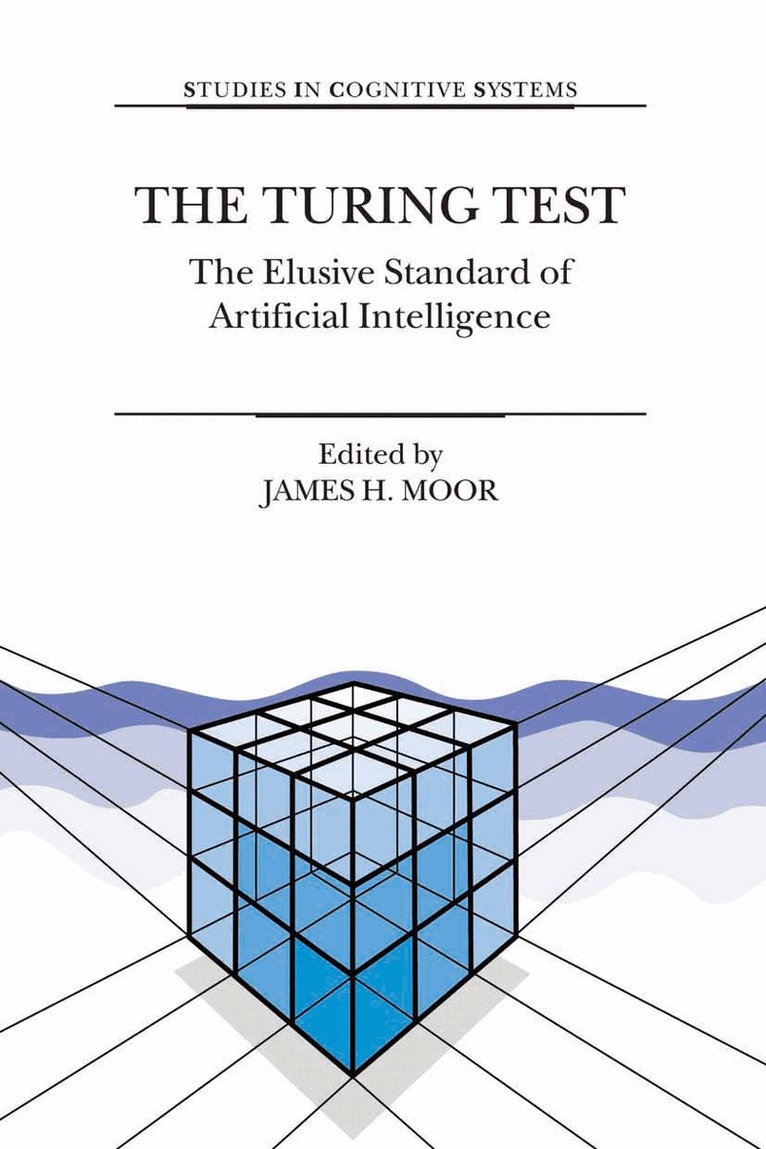
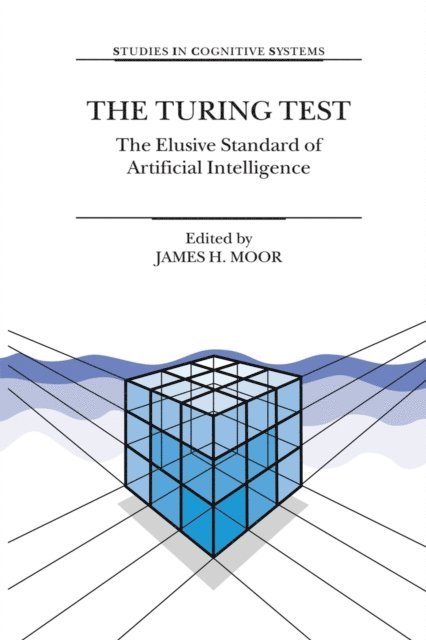
Turing Test
The Elusive Standard of Artificial Intelligence
Inbunden, 2003
1647 kr
Lägg i varukorg
In 1950 Alan Turing (1912-1954) published his famous article, "Computing Machinery and Intelligence" in the journal Mind. This article is arguably the most influential and widely read article in the philosophy of artificial intelligence. Indeed, most of the debate in the philosophy of artificial …
Turing Test
The Elusive Standard of Artificial Intelligence
Häftad, 2003
1647 kr
Lägg i varukorg
In 1950 Alan Turing (1912-1954) published his famous article, "Computing Machinery and Intelligence" in the journal Mind. This article is arguably the most influential and widely read article in the philosophy of artificial intelligence. Indeed, most of the debate in the philosophy of artificial …
CyberPhilosophy
The Intersection of Philosophy and Computing
Av Moor, Tw Bynum Tw m. fl.
Häftad, 2002
288 kr
Lägg i varukorg
This cutting edge volume provides an overview of the dynamic new field of cyberphilosophy – the intersection of philosophy and computing. Offers an overview of the latest developments in the dynamic new field of cyberphilosophy. Shows how computing is influencing all major areas of philosophy, and …
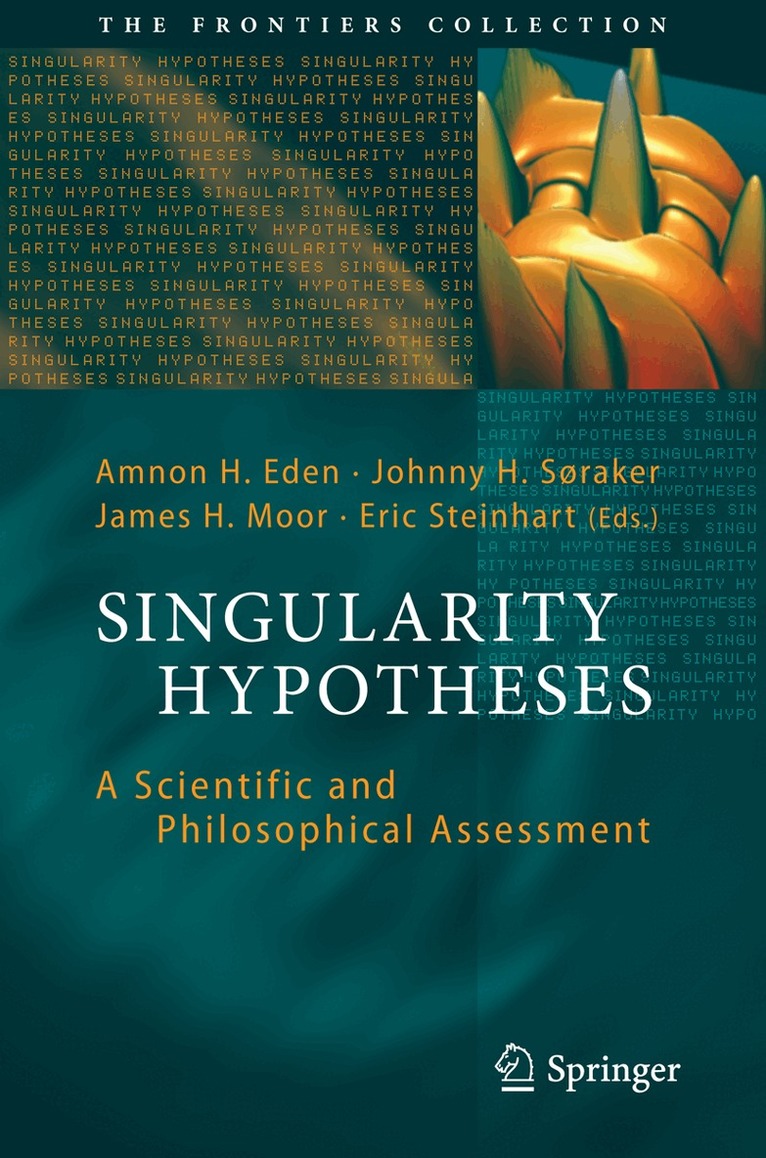
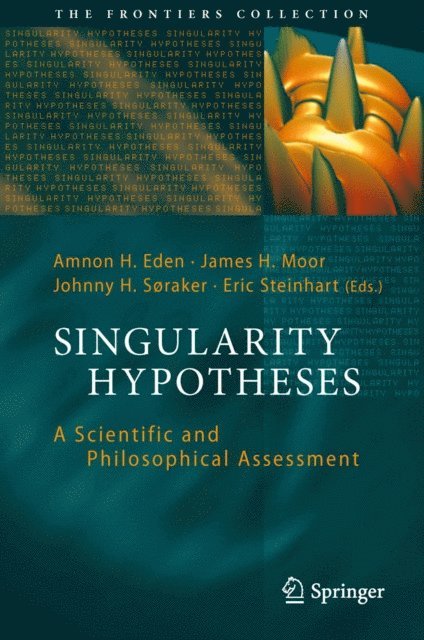
Singularity Hypotheses
A Scientific and Philosophical Assessment
Av Amnon H. Eden, James H Moor m. fl.
Inbunden, 2013
825 kr
Lägg i varukorg
Singularity Hypotheses: A Scientific and Philosophical Assessment offers authoritative, jargon-free essays and critical commentaries on accelerating technological progress and the notion of technological singularity. It focuses on conjectures about the intelligence explosion, transhumanism, and …
Singularity Hypotheses
A Scientific and Philosophical Assessment
Av Eric Steinhart, Johnny H Soraker m. fl.
E-bok, 2013
1059 kr
Lägg i varukorg
Singularity Hypotheses: A Scientific and Philosophical Assessment offers authoritative, jargon-free essays and critical commentaries on accelerating technological progress and the notion of technological singularity. It focuses on conjectures about the intelligence explosion, transhumanism, and …
Singularity Hypotheses
A Scientific and Philosophical Assessment
Av Amnon H. Eden, James H Moor m. fl.
Häftad, 2015
825 kr
Lägg i varukorg
Singularity Hypotheses: A Scientific and Philosophical Assessment offers authoritative, jargon-free essays and critical commentaries on accelerating technological progress and the notion of technological singularity. It focuses on conjectures about the intelligence explosion, transhumanism, and …
Turing Test
The Elusive Standard of Artificial Intelligence
E-bok, 2012
2111 kr
Lägg i varukorg
In 1950 Alan Turing (1912-1954) published his famous article, "Computing Machinery and Intelligence" in the journal Mind. This article is arguably the most influential and widely read article in the philosophy of artificial intelligence. Indeed, most of the debate in the philosophy of artificial …