James H. Read – författare
Visar alla böcker från författaren James H. Read. Handla med fri frakt och snabb leverans.
6 produkter
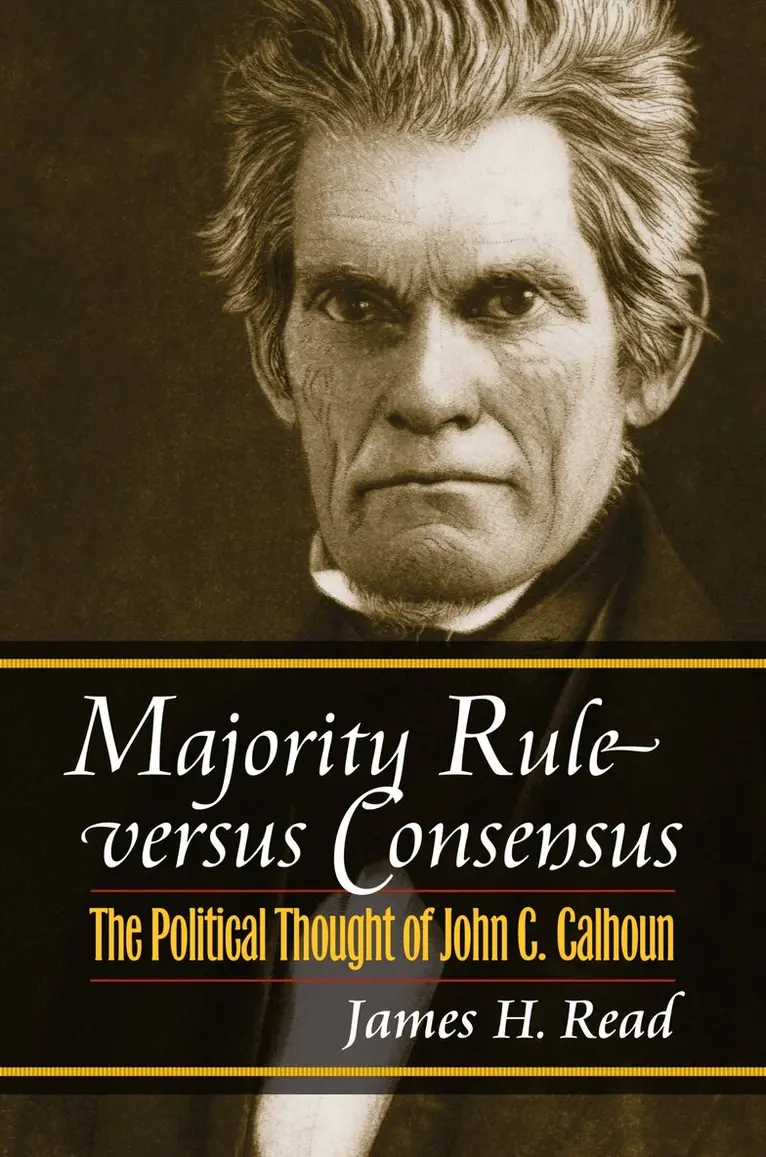
Majority Rule Versus Consensus
The Political Thought of John C. Calhoun
Inbunden, 2009
627 kr
Lägg i varukorg
John C. Calhoun may be best known for his stature in the U.S. Senate and his controversial defense of slavery, but he is also a key figure in American political thought. The staunchest advocate of the consensus model of government as an alternative to majority rule, he proposed government not by …
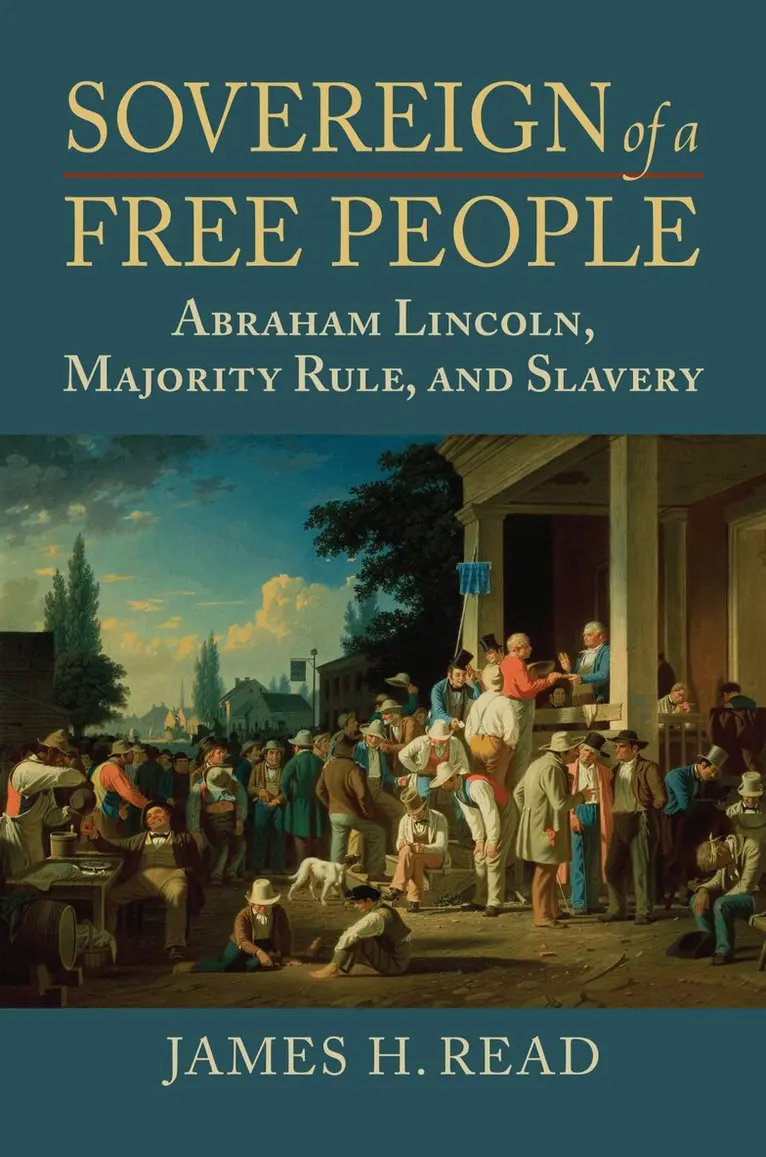
Sovereign of a Free People
Lincoln, Slavery, and Majority Rule
Inbunden, 2023
472 kr
Lägg i varukorg
When Abraham Lincoln was sworn into office, seven slave states had preemptively seceded rather than recognize the legitimacy of his election. In his first inaugural address on March 4, 1861, Lincoln replied to the secessionists and set forth a principled defense of majority rule as “the only true …
Sovereign of a Free People
Lincoln, Slavery, and Majority Rule
E-bok, 2024
460 kr
Lägg i varukorg
When Abraham Lincoln was sworn into office, seven slave states had preemptively seceded rather than recognize the legitimacy of his election. In his first inaugural address on March 4, 1861, Lincoln replied to the secessionists and set forth a principled defense of majority rule as “the only true …
Power Versus Liberty
Madison, Hamilton, Wilson and Jefferson
Häftad, 2000
312 kr
Lägg i varukorg
Does every increase in the power of government entail a loss of liberty for the people? This text examines how four key founders of the American Republic wrestled with this question during its first two decades.
Power versus Liberty
Madison, Hamilton, Wilson, and Jefferson
E-bok, 2000
404 kr
Lägg i varukorg
Does every increase in the power of government entail a loss of liberty for the people? James H. Read examines how four key Founders--James Madison, Alexander Hamilton, James Wilson, and Thomas Jefferson--wrestled with this question during the first two decades of the American Republic. Power …
Doorstep Democracy
Face-to-Face Politics in the Heartland
Häftad, 2008
202 kr
Tillfälligt slut
The quest for elected office-one conversation at a timeThe famous Tip O’Neill axiom “all politics is local” comes alive in this chronicle of Democrat James H. Read’s hard-fought but unsuccessful-by 98 votes-bid for state legislature in the socially conservative communities of Stearns and Morrison …