James Joseph Buss - Böcker
Visar alla böcker från författaren James Joseph Buss. Handla med fri frakt och snabb leverans.
4 produkter
4 produkter
392 kr
Skickas inom 10-15 vardagar
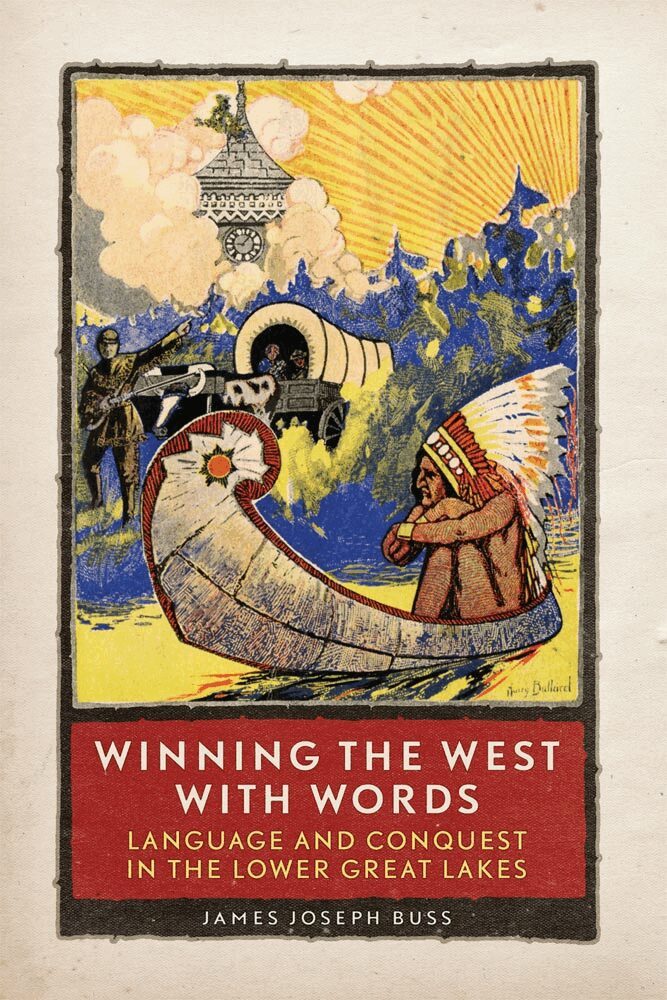
Indian Removal was a process both physical and symbolic, accomplished not only at gunpoint but also through language. In the Midwest, white settlers came to speak and write of Indians in the past tense, even though they were still present. Winning the West with Words explores the ways nineteenth-century Anglo-Americans used language, rhetoric, and narrative to claim cultural ownership of the region that comprises present-day Ohio, Indiana, and Illinois.Historian James Joseph Buss borrows from literary studies, geography, and anthropology to examine images of stalwart pioneers and vanished Indians used by American settlers in portraying an empty landscape in which they established farms, towns, and ""civilized"" governments. He demonstrates how this now-familiar narrative came to replace a more complicated history of cooperation, adaptation, and violence between peoples of different cultures.Buss scrutinizes a wide range of sources - travel journals, captivity narratives, treaty council ceremonies, settler petitions, artistic representations, newspaper editorials, late-nineteenth-century county histories, and public celebrations such as regional fairs and centennial pageants and parades - to show how white Americans used language, metaphor, and imagery to accomplish the symbolic removal of Native peoples from the region south of the Great Lakes. Ultimately, he concludes that the popular image of the white yeoman pioneer was employed to support powerful narratives about westward expansion, American democracy, and unlimited national progress. Buss probes beneath this narrative of conquest to show the ways Indians, far from being passive, participated in shaping historical memory - and often used Anglo-Americans' own words to subvert removal attempts.By grounding his study in place rather than focusing on a single group of people, Buss goes beyond the conventional uses of history, giving readers a new understanding not just of the history of the Midwest but of the power of creation narratives.
268 kr
Skickas inom 10-15 vardagar
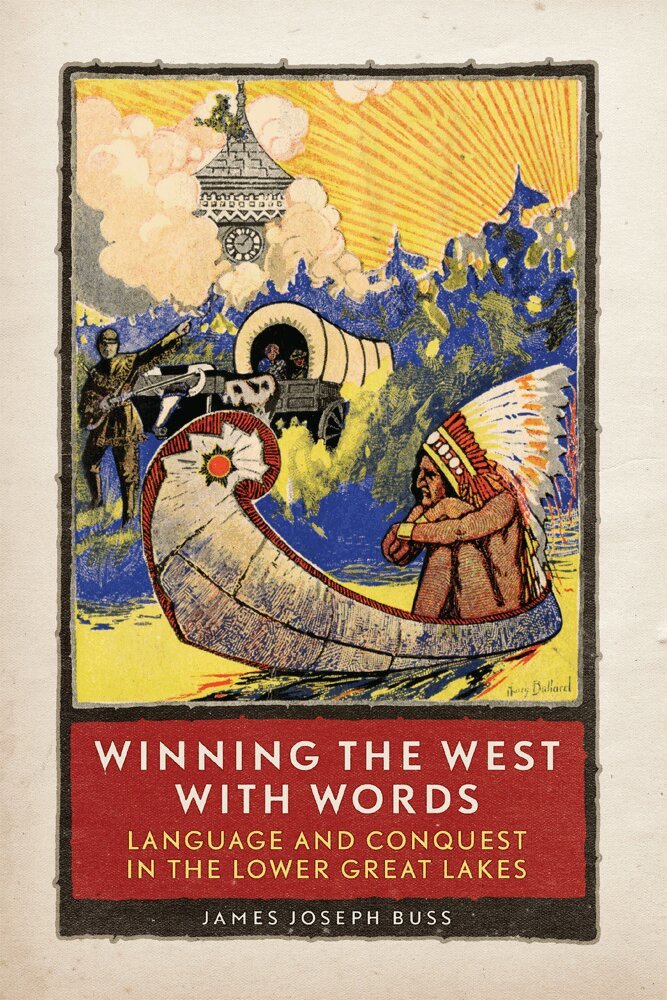
Indian Removal was a process both physical and symbolic, accomplished not only at gunpoint but also through language. In the Midwest, white settlers came to speak and write of Indians in the past tense, even though they were still present. Winning the West with Words explores the ways nineteenth-century Anglo-Americans used language, rhetoric, and narrative to claim cultural ownership of the region that comprises present-day Ohio, Indiana, and Illinois.Historian James Joseph Buss borrows from literary studies, geography, and anthropology to examine images of stalwart pioneers and vanished Indians used by American settlers in portraying an empty landscape in which they established farms, towns, and ""civilized"" governments. He demonstrates how this now-familiar narrative came to replace a more complicated history of cooperation, adaptation, and violence between peoples of different cultures.Buss scrutinizes a wide range of sources - travel journals, captivity narratives, treaty council ceremonies, settler petitions, artistic representations, newspaper editorials, late-nineteenth-century county histories, and public celebrations such as regional fairs and centennial pageants and parades - to show how white Americans used language, metaphor, and imagery to accomplish the symbolic removal of Native peoples from the region south of the Great Lakes. Ultimately, he concludes that the popular image of the white yeoman pioneer was employed to support powerful narratives about westward expansion, American democracy, and unlimited national progress. Buss probes beneath this narrative of conquest to show the ways Indians, far from being passive, participated in shaping historical memory - and often used Anglo-Americans' own words to subvert removal attempts.By grounding his study in place rather than focusing on a single group of people, Buss goes beyond the conventional uses of history, giving readers a new understanding not just of the history of the Midwest but of the power of creation narratives.
Beyond Two Worlds
Critical Conversations on Language and Power in Native North America
Inbunden, Engelska, 2014
1 215 kr
Tillfälligt slut
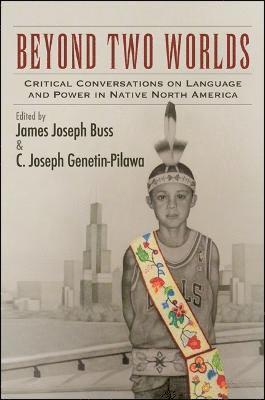
Examines the origins, efficacy, legacy, and consequences of envisioning both Native and non-Native "worlds."Beyond Two Worlds brings together scholars of Native history and Native American studies to offer fresh insights into the methodological and conceptual significance of the "two-worlds framework." They address the following questions: Where did the two-worlds framework originate? How has it changed over time? How does it continue to operate in today's world? Most people recognize the language of binaries birthed by the two-worlds trope-savage and civilized, East and West, primitive and modern. For more than four centuries, this lexicon has served as a grammar for settler colonialism. While many scholars have chastised this type of terminology in recent years, the power behind these words persists. With imagination and a critical evaluation of how language, politics, economics, and culture all influence the expectations that we place on one another, the contributors to this volume rethink the two-worlds trope, adding considerably to our understanding of the past and present.
Beyond Two Worlds
Critical Conversations on Language and Power in Native North America
Häftad, Engelska, 2015
463 kr
Tillfälligt slut
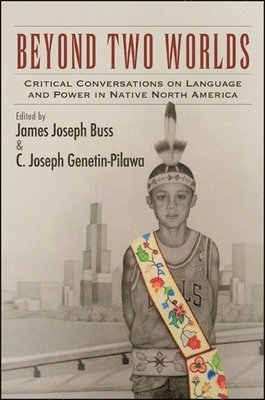
Examines the origins, efficacy, legacy, and consequences of envisioning both Native and non-Native "worlds."Beyond Two Worlds brings together scholars of Native history and Native American studies to offer fresh insights into the methodological and conceptual significance of the "two-worlds framework." They address the following questions: Where did the two-worlds framework originate? How has it changed over time? How does it continue to operate in today's world? Most people recognize the language of binaries birthed by the two-worlds trope-savage and civilized, East and West, primitive and modern. For more than four centuries, this lexicon has served as a grammar for settler colonialism. While many scholars have chastised this type of terminology in recent years, the power behind these words persists. With imagination and a critical evaluation of how language, politics, economics, and culture all influence the expectations that we place on one another, the contributors to this volume rethink the two-worlds trope, adding considerably to our understanding of the past and present.