James K. McConica – författare
Visar alla böcker från författaren James K. McConica. Handla med fri frakt och snabb leverans.
5 produkter
Erasmus and His Books
Av Egbertus Van Gulik, James K. McConica m. fl.
Inbunden, 2018
1891 kr
Lägg i varukorg
What became of Erasmus’ books? The most famous scholar of his day died in peaceful prosperity and in the company of celebrated and responsible friends. His zeal for useful books was insatiable. Indeed, he had taken care to insure that after his death they would pass to an appreciative noble owner, …
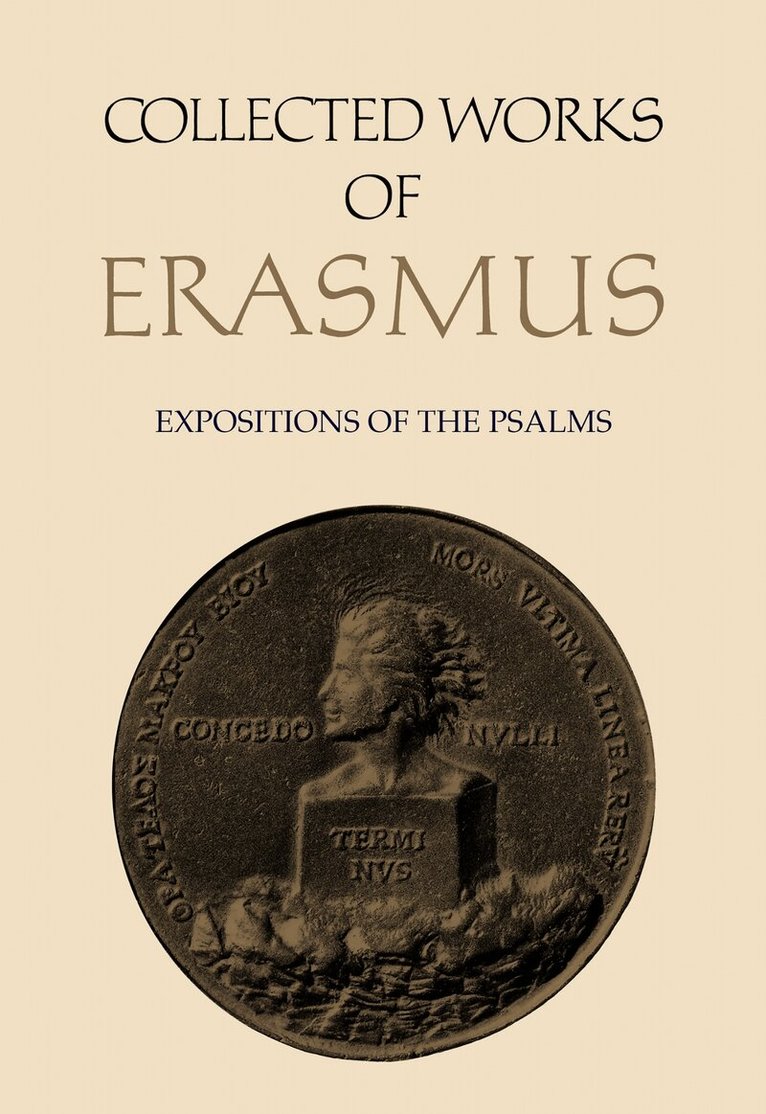
Collected Works of Erasmus
Expositions of the Psalms, Volume 65
Av Desiderius Erasmus, James K. McConica
Inbunden, 2010
1322 kr
Lägg i varukorg
Consisting of Erasmus' commentary on psalms 38, 83, and 14, this is the third and final volume of the Expositions of the Psalms in the Collected Works of Erasmus. Dating from the last years of Erasmus' life, they represent his mature thoughts on the great crisis facing western Christendom.During …
Collected Works of Erasmus
Expositions of the Psalms, Volume 65
Av Desiderius Erasmus, James K. McConica m. fl.
E-bok, 2010
1693 kr
Lägg i varukorg
Consisting of Erasmus' commentary on psalms 38, 83, and 14, this is the third and final volume of the Expositions of the Psalms in the Collected Works of Erasmus. Dating from the last years of Erasmus' life, they represent his mature thoughts on the great crisis facing western Christendom.During …
Erasmus and His Books
Av Egbertus Van Gulik, James K. McConica m. fl.
E-bok, 2018
2329 kr
Lägg i varukorg
What became of Erasmus’ books? The most famous scholar of his day died in peaceful prosperity and in the company of celebrated and responsible friends. His zeal for useful books was insatiable. Indeed, he had taken care to insure that after his death they would pass to an appreciative noble owner, …
Erasmus and His Books
Av Egbertus Van Gulik, James K. McConica m. fl.
E-bok, 2016
2329 kr
Lägg i varukorg
What became of Erasmus’ books? The most famous scholar of his day died in peaceful prosperity and in the company of celebrated and responsible friends. His zeal for useful books was insatiable. Indeed, he had taken care to insure that after his death they would pass to an appreciative noble owner, …