James Krippner - Böcker
Visar alla böcker från författaren James Krippner. Handla med fri frakt och snabb leverans.
2 produkter
2 produkter
564 kr
Tillfälligt slut
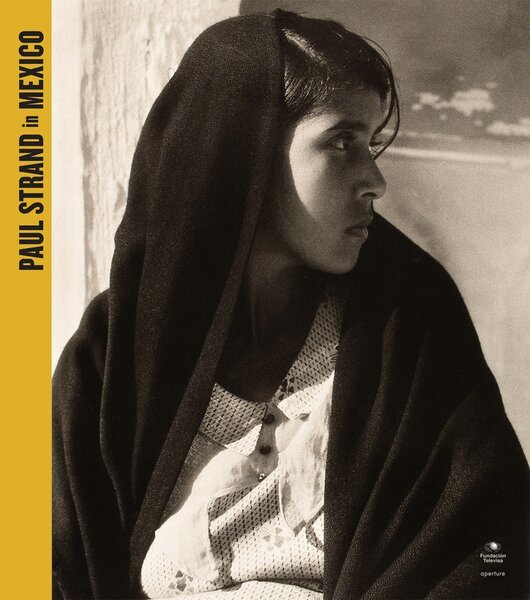
A lusciously produced monograph, Paul Strand in Mexico tells the story of Strand’s journeys through Mexico in the early 1930s. In search of a fresh start, Strand traveled to Mexico City in late 1932 at the invitation of Carlos Chávez, the eminent Mexican composer and conductor. The work he created during this key period reflects a time of intense productivity, creative renewal, and the evolution of Strand’s foundational idea of the “collective portrait,” in which he depicted a region through photographs of individuals, still lifes, and studies of architecture and religious subjects. The first publication to chronicle this pivotal time in Strand’s career (1932–34), Paul Strand in Mexico demonstrates how, through his photographic studies and work in film, Strand deepened his involvement with Mexican art, society, and revolutionary politics. Shedding new light on this little-known chapter of Strand’s life, author James Krippner’s in-depth, scholarly analysis brings together primary research from distinguished archives and institutions in both Mexico and the United States, and Mexican photo-historian Alfonso Morales contributes an essay contextualizing this remarkable body of work within the cannon of Mexican photography and film of the 1930s. Additionally, the appendix serves as the catalogue raisonné of Strand’s entire photographic output in Mexico. The culmination of Strand’s time in Mexico was his collaboration with Emilio Gómez Muriel and Academy Award–winning director Fred Zinnemann on the groundbreaking film, Redes (The Wave; 1936). A remastered DVD version of the film is included with this essential volume.
1 121 kr
Skickas inom 5-8 vardagar
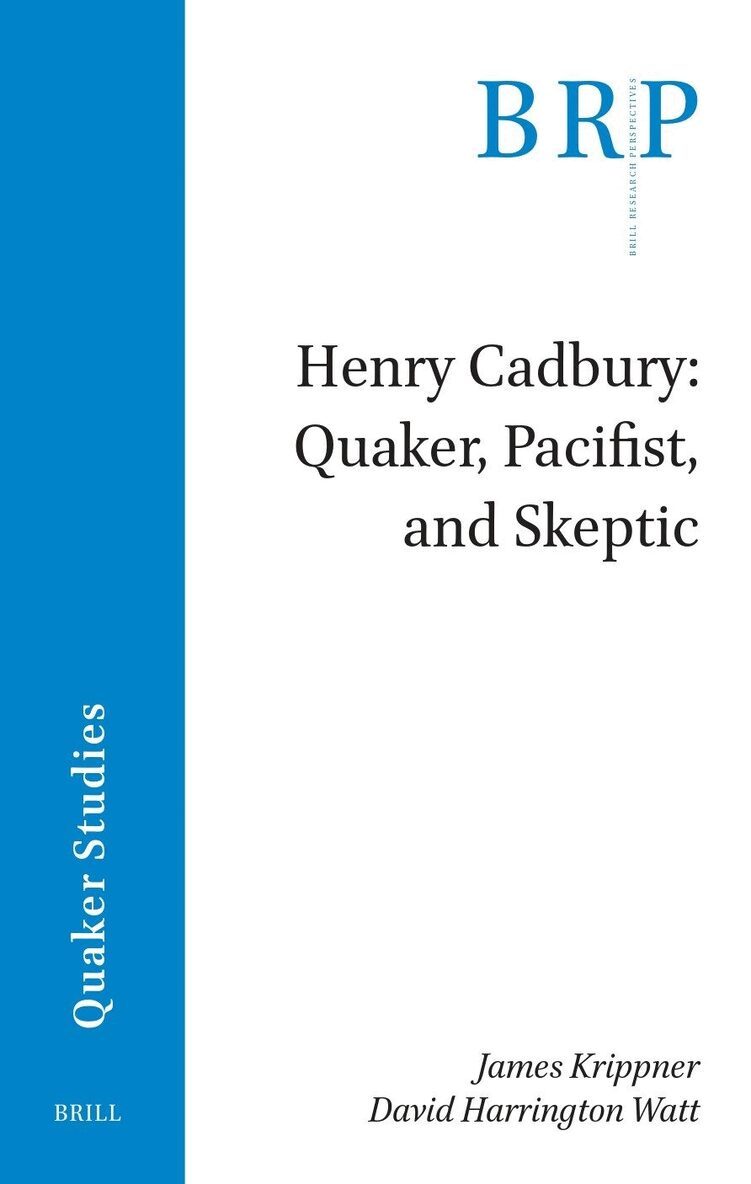
This book introduces readers to the life, thought, social activism and political conflicts of the Quaker intellectual and peace activist Henry Cadbury (1883-1974). Born into an established Orthodox Philadelphia Quaker family, Cadbury was among the most prominent Quaker intellectuals of his day. During his lifetime, he was well known as a contributor to one of the most important English translations of the Bible (the Revised Standard Version) and wrote scores of articles and books on the early history of Christianity and the history of the Society of Friends. He also had enormous influence over what may be the single best institutional instantiation of the Quaker commitment to nonviolence—the American Friends Service Committee (AFSC), an organization Cadbury helped to found in 1917 and served throughout his long lifetime. When the AFSC was awarded the Nobel Peace Prize in 1947, Cadbury was asked to accept the prize on its behalf.