James L. Baughman - Böcker
Visar alla böcker från författaren James L. Baughman. Handla med fri frakt och snabb leverans.
4 produkter
4 produkter
432 kr
Skickas inom 10-15 vardagar
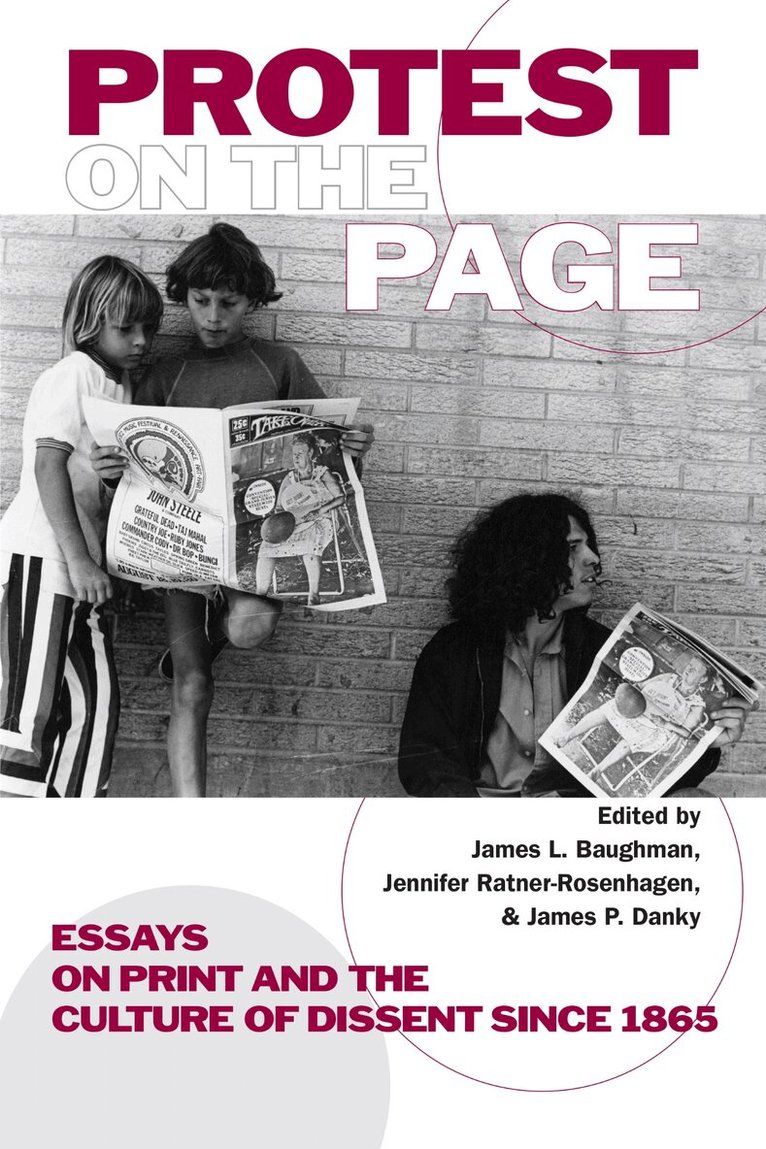
Understanding print as a tool for dissent is essential to understanding how Americans have negotiated difference in a pluralist society. Protest on the Page explores the intertwined histories of print and protest in the United States from Reconstruction to the present. As these ten essays demonstrate, protestors of all political and religious persuasions, as well as aesthetic and ethical temperaments, have used the printed page to wage battles over free speech; to test racial, class, sexual, and even culinary boundaries; and to alter the moral landscape in American life. These included vegetarians and anarchists at the advent of the twentieth century, midcentury evangelicals and tween comic book readers, and GIs and feminists in the 1970s–80s.
650 kr
Skickas inom 5-8 vardagar
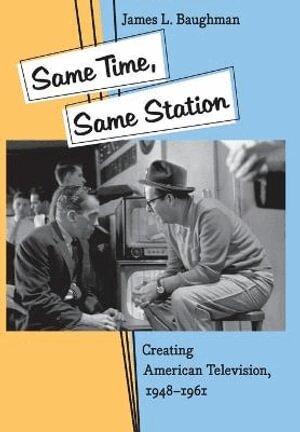
Ever wonder how American television came to be the much-derided, advertising-heavy home to reality programming, formulaic situation comedies, hapless men, and buxom, scantily clad women? Could it have been something different, focusing instead on culture, theater, and performing arts? In Same Time, Same Station, historian James L. Baughman takes readers behind the scenes of early broadcasting, examining corporate machinations that determined the future of television. Split into two camps-those who thought TV could meet and possibly raise the expectations of wealthier, better-educated post-war consumers and those who believed success meant mimicking the products of movie houses and radio-decision makers fought a battle of ideas that peaked in the 1950s, just as TV became a central facet of daily life for most Americans. Baughman's engagingly written account of the brief but contentious debate shows how the inner workings and outward actions of the major networks, advertisers, producers, writers, and entertainers ultimately made TV the primary forum for entertainment and information.The tale of television's founding years reveals a series of decisions that favored commercial success over cultural aspiration.
Republic of Mass Culture
Journalism, Filmmaking, and Broadcasting in America since 1941
Inbunden, Engelska, 2006
619 kr
Skickas inom 5-8 vardagar
The new edition of James L. Baughman's successful book The Republic of Mass Culture examines the advent of television and the impact it had on the established mass media-radio, film, newspapers, and magazines. When television captured the largest share of the mass audience by the late 1950s, rival media were forced to target smaller, subgroup markets with novel content: rock 'n' roll for teenage radio listeners in the 1950s, sexually explicit films that began to appear in the 1960s, and analytical newspaper reporting in the 1970s and 1980s. The growing popularity of cable TV posed new complications, especially for network television. The capacity of individual media industries to adapt not only determined their success or failure but also shaped the content of their products. Two new chapters examine media entrants like Fox News, technologies such as the Internet, and increasing industry concentration. Baughman discusses significant changes in media economics and audience demand that are having profound effects on radio program formats, television news coverage, and the very existence of newspapers.Carefully drawing on interdisciplinary communication research, The Republic of Mass Culture presents a lively analysis of the shifting objectives and challenges of the media industries.
Republic of Mass Culture
Journalism, Filmmaking, and Broadcasting in America since 1941
Häftad, Engelska, 2006
267 kr
Tillfälligt slut
The new edition of James L. Baughman's successful book The Republic of Mass Culture examines the advent of television and the impact it had on the established mass media-radio, film, newspapers, and magazines. When television captured the largest share of the mass audience by the late 1950s, rival media were forced to target smaller, subgroup markets with novel content: rock 'n' roll for teenage radio listeners in the 1950s, sexually explicit films that began to appear in the 1960s, and analytical newspaper reporting in the 1970s and 1980s. The growing popularity of cable TV posed new complications, especially for network television. The capacity of individual media industries to adapt not only determined their success or failure but also shaped the content of their products. Two new chapters examine media entrants like Fox News, technologies such as the Internet, and increasing industry concentration. Baughman discusses significant changes in media economics and audience demand that are having profound effects on radio program formats, television news coverage, and the very existence of newspapers.Carefully drawing on interdisciplinary communication research, The Republic of Mass Culture presents a lively analysis of the shifting objectives and challenges of the media industries.