James L. Guth – författare
Visar alla böcker från författaren James L. Guth. Handla med fri frakt och snabb leverans.
11 produkter
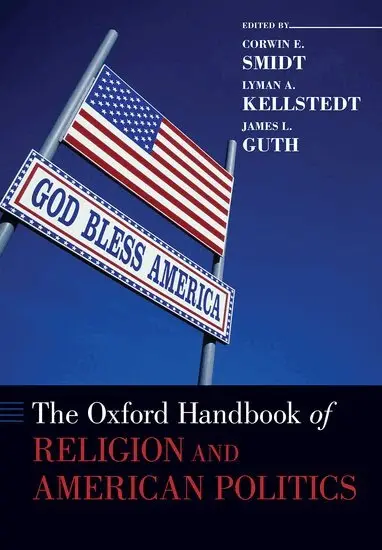
The Oxford Handbook of Religion and American Politics
Av Corwin E. Smidt, Lyman A. Kellstedt m. fl.
Häftad, 2017
968 kr
Lägg i varukorg
Religion is, and has always been, a powerful force in American politics. Over the past three decades, the study of religion and politics has gone from being ignored by the scholarly community to being a major focus of research. Yet, because this important research is not easily accessible to …
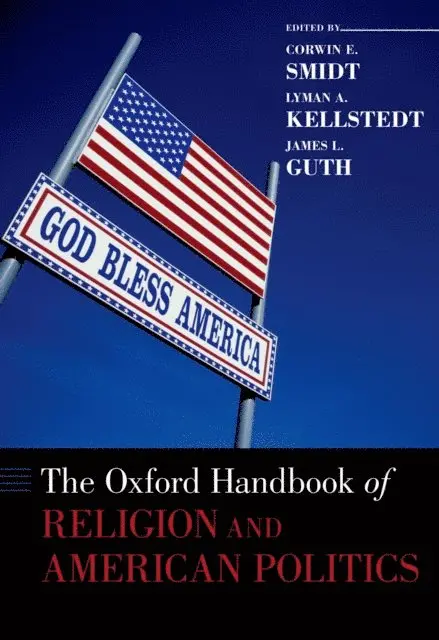
Oxford Handbook of Religion and American Politics
Av James L. Guth, Lyman Kellstedt m. fl.
E-bok, 2009
660 kr
Lägg i varukorg
Religion is, and has always been, a powerful force in American politics. Over the past three decades, the study of religion and politics has gone from being ignored by the scholarly community to being a major focus of research. Yet, because this important research is not easily accessible to …
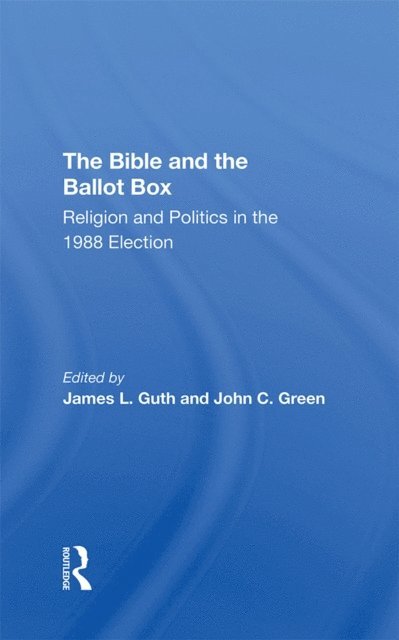
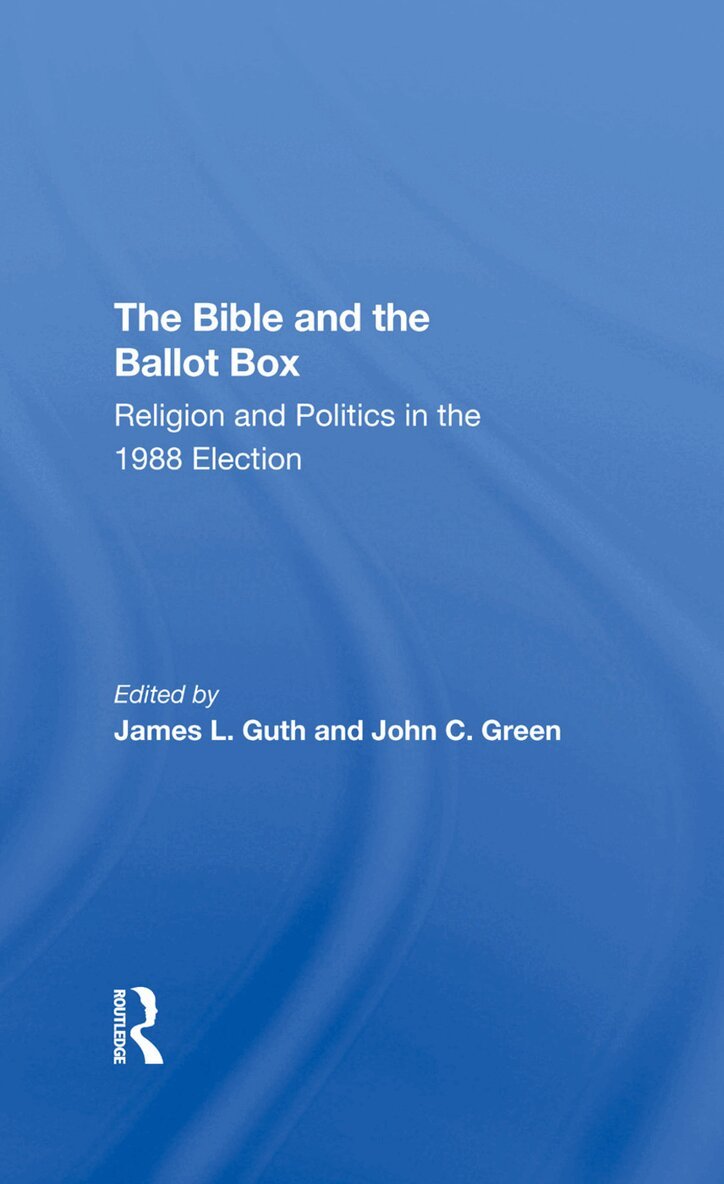
Bible And The Ballot Box
Religion And Politics In The 1988 Election
Häftad, 2021
691 kr
Lägg i varukorg
The 1988 elections abruptly brought the importance of religion in American politics into sharp focus. Two ministers, Pat Robertson and Jesse Jackson, sought their party's presidential nominations by mobilizing key religious constituencies. In addition, a host of other religious groups, from the …
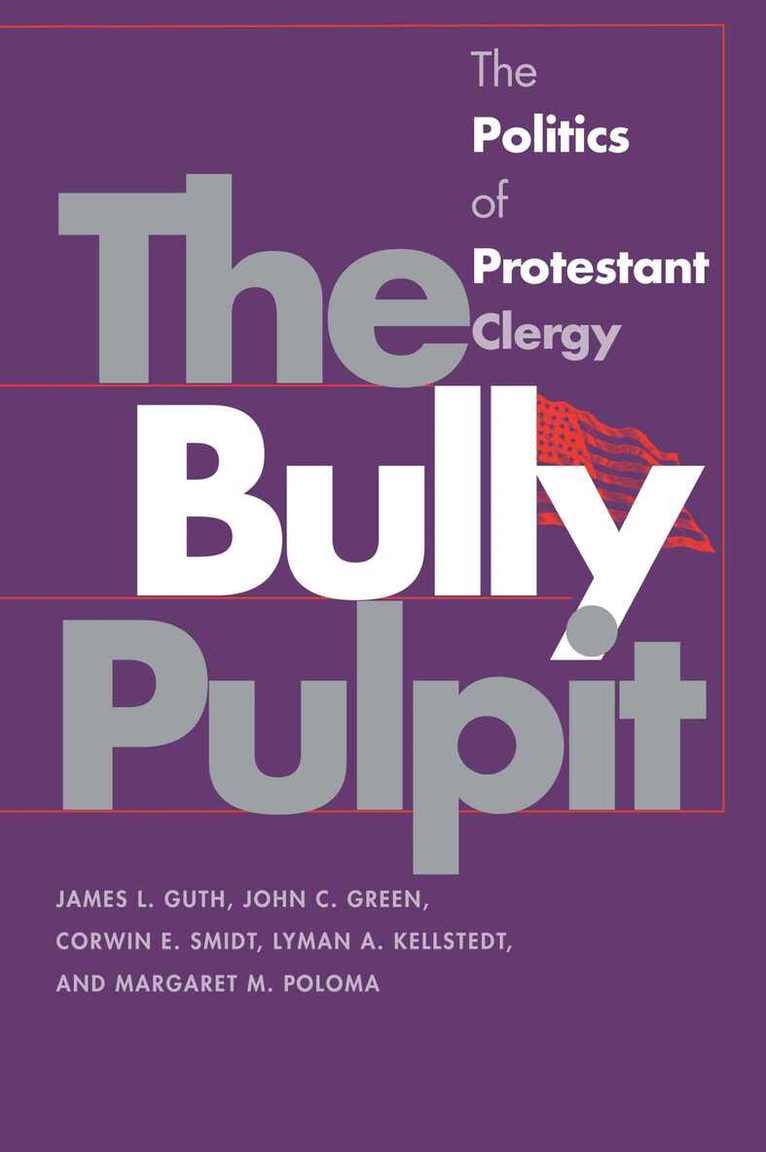
Bully Pulpit
The Politics of Protestant Clergy
Av James L. Guth, John C. Green
Häftad, 1997
332 kr
Lägg i varukorg
In this study of clergy and politics, five social scientists tell how and why the technological orthodoxy and modernism that divides American Protestants into two camps increasingly correlates with today's political climate.
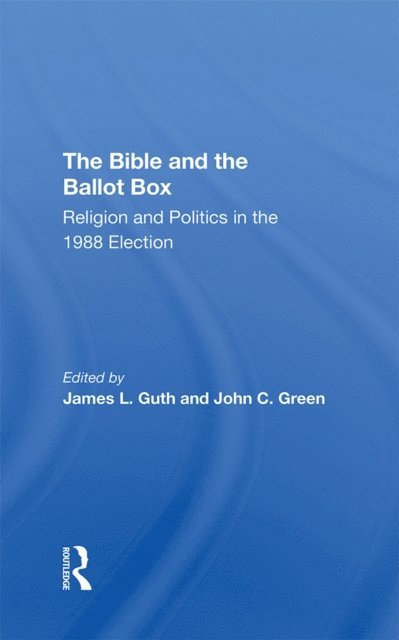
Bible And The Ballot Box
Religion And Politics In The 1988 Election
E-bok, 2019
796 kr
Lägg i varukorg
The 1988 elections abruptly brought the importance of religion in American politics into sharp focus. Two ministers, Pat Robertson and Jesse Jackson, sought their party''s presidential nominations by mobilizing key religious constituencies. In addition, a host of other religious groups, from the …
Bible And The Ballot Box
Religion And Politics In The 1988 Election
E-bok, 2019
814 kr
Lägg i varukorg
The 1988 elections abruptly brought the importance of religion in American politics into sharp focus. Two ministers, Pat Robertson and Jesse Jackson, sought their party''s presidential nominations by mobilizing key religious constituencies. In addition, a host of other religious groups, from the …
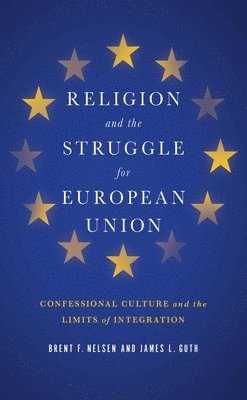
Religion and the Struggle for European Union
Confessional Culture and the Limits of Integration
Av Brent F. Nelsen, James L. Guth
Häftad, 2015
643 kr
Lägg i varukorg
In Religion and the Struggle for European Union, Brent F. Nelsen and James L. Guth delve into the powerful role of religion in shaping European attitudes on politics, political integration, and the national and continental identities of its leaders and citizens. Nelsen and Guth contend that for …
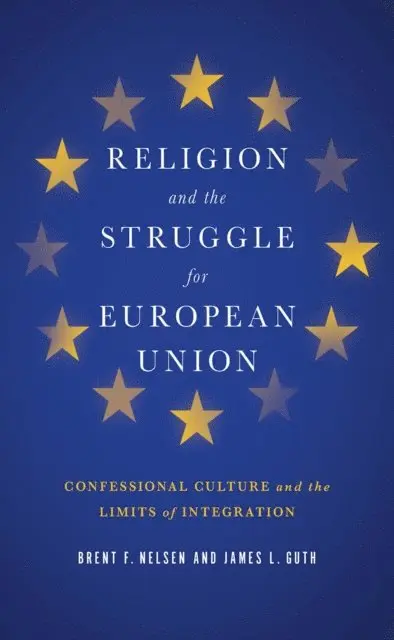
Religion and the Struggle for European Union
Confessional Culture and the Limits of Integration
Av James L. Guth, Brent F. Nelsen
E-bok, 2015
733 kr
Lägg i varukorg
In Religion and the Struggle for European Union, Brent F. Nelsen and James L. Guth delve into the powerful role of religion in shaping European attitudes on politics, political integration, and the national and continental identities of its leaders and citizens. Nelsen and Guth contend that for …
Religion and the Struggle for European Union
Confessional Culture and the Limits of Integration
Av Brent F. Nelsen, James L. Guth
Inbunden, 2015
1861 kr
Lägg i varukorg
In Religion and the Struggle for European Union, Brent F. Nelsen and James L. Guth delve into the powerful role of religion in shaping European attitudes on politics, political integration, and the national and continental identities of its leaders and citizens. Nelsen and Guth contend that for …
Bible And The Ballot Box
Religion And Politics In The 1988 Election
Inbunden, 2019
2474 kr
Tillfälligt slut
The 1988 elections abruptly brought the importance of religion in American politics into sharp focus. Two ministers, Pat Robertson and Jesse Jackson, sought their party's presidential nominations by mobilizing key religious constituencies. In addition, a host of other religious groups, from the …
Bully Pulpit
The Politics of Protestant Clergy
Av James L. Guth, John C. Green
Inbunden, 1997
1126 kr
Tillfälligt slut
In this study of clergy and politics, five social scientists tell how and why the technological orthodoxy and modernism that divides American Protestants into two camps increasingly correlates with today's political climate.