James Lees-Milne – författare
Visar alla böcker från författaren James Lees-Milne. Handla med fri frakt och snabb leverans.
10 produkter
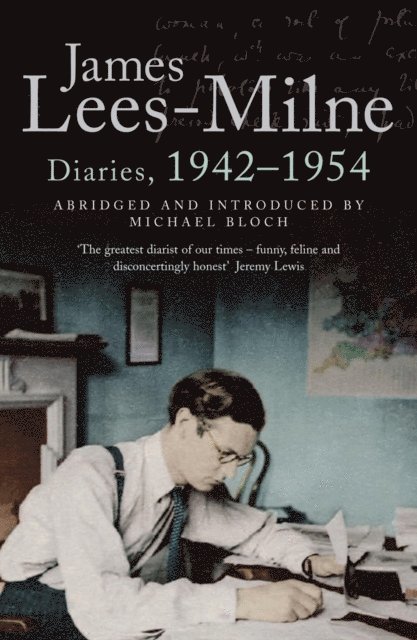
Diaries, 1942-1954
Av James Lees-Milne, Michael Bloch
Häftad, 2007
179 kr
Lägg i varukorg
James Lees-Milne (1908-97) made his name as the country house expert of the National Trust and for being a versatile author. But he is now best known for the remarkable diary he kept for most of his adult life, which has been compared with that of Samuel Pepys and hailed as 'a treasure of …
Harold Nicolson: Volume I
A Biography, 1886–1929
Häftad, 2012
362 kr
Lägg i varukorg
'An absorbing portrait of an extinct type of Englishman.' Sunday Times'A scintillating, pointillist portrait of the beginnings of a career and a marriage.' TimesHarold Nicolson - great diplomat, diarist and raconteur - moved in numerous worlds and knew an extraordinary number of distinguished …
Harold Nicolson: Volume II
A Biography, 1930–1968
Häftad, 2012
332 kr
Lägg i varukorg
This second volume of James Lees-Milne's masterly biography opens at a turning point in Harold Nicolson's life: he was miserable at the Evening Standard and disillusioned with Mosley's New Party but his move to Sissinghurst, where he and his wife would design one of the most beautiful gardens in …
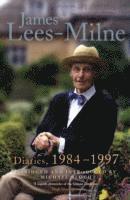
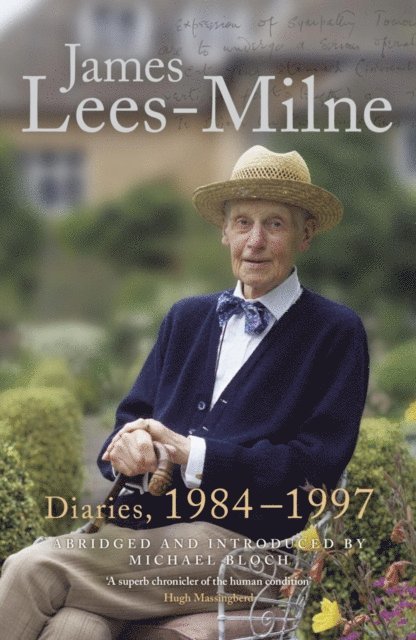
Diaries, 1984-1997
Av James Lees-Milne, Michael Bloch m. fl.
Häftad, 2009
179 kr
Lägg i varukorg
Despite advancing years, James Lees-Milne's descriptions of the people he meets, the houses he visits and country life on the Duke of Beaufort's Badminton estate are sharper than ever.He continues to enjoy a wide variety of experiences, and vividly recaptures a weekend at Chatsworth, a monastic …
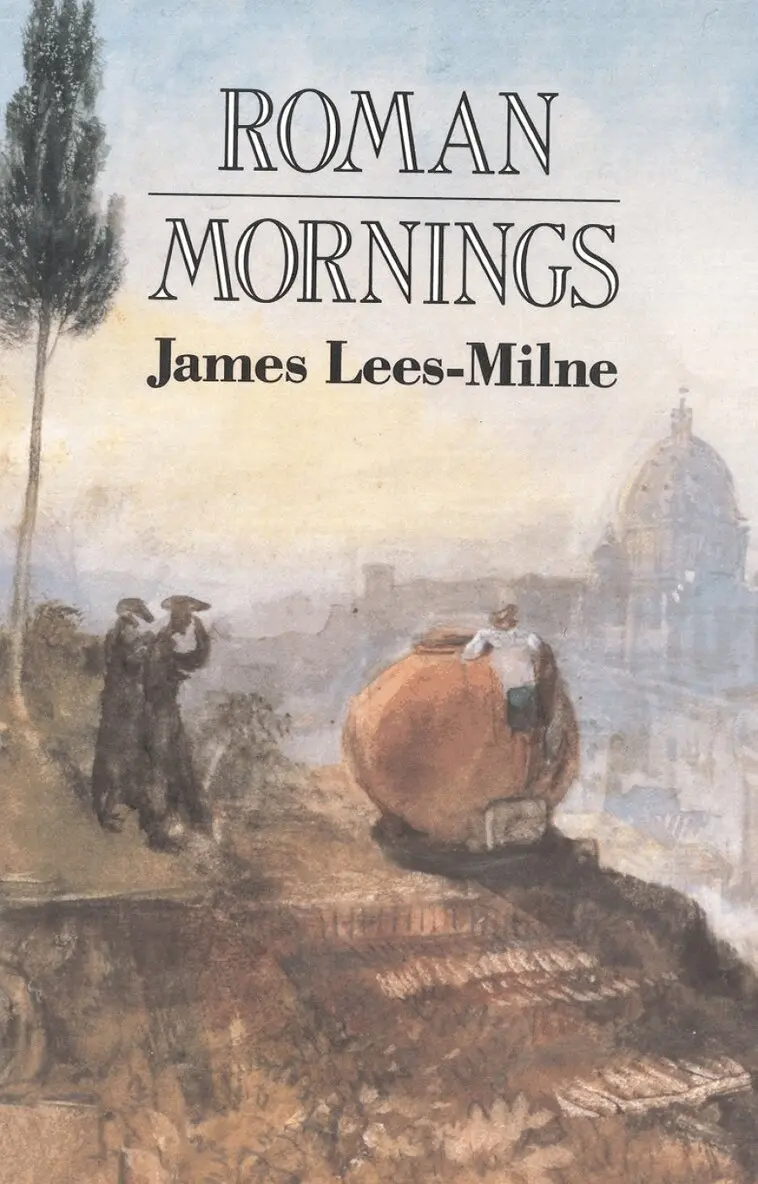
Roman Mornings
Häftad, 1998
187 kr
Lägg i varukorg
The author writes in his introduction that evening is the magical moment to wander about Rome: "That is the moment to see the city of conflicting moods as it always has been and still is, hateful and holy, wicked and wise, pagan and papal, sometimes so beautiful that it is scarcely to be endured, …
Diaries, 1942-1954
Av Michael Bloch, James Lees-Milne
E-bok, 2011
45 kr
Lägg i varukorg
The diaries of the National Trust''s country house expert James Lees-Milne (1908-97) have been hailed as ''one of the treasures of contemporary English literature''. The first of three, this volume, which includes interesting material omitted when the diaries were originally published during the …
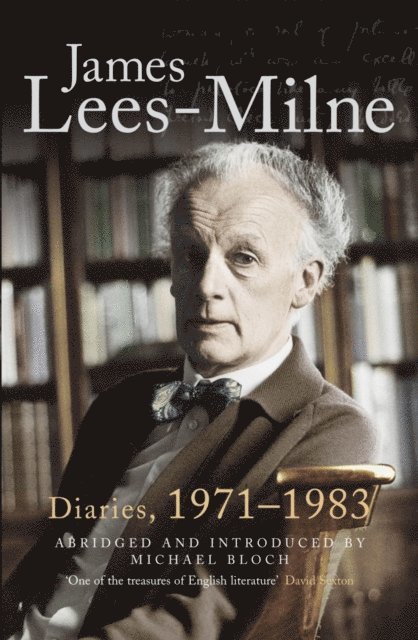
Diaries, 1971-1983
Av Michael Bloch, James Lees-Milne
E-bok, 2011
45 kr
Lägg i varukorg
Funny, indiscreet, candid, touching and sharply observed, this second compilation from James Lees-Milne''s celebrated diaries covers his life during his sixties and early seventies, when he was living in Gloucestershire with his formidable wife Alvilde. It vividly portrays life on the Badminton …
Diaries, 1984-1997
Av Michael Bloch, James Lees-Milne
E-bok, 2011
45 kr
Lägg i varukorg
This final compilation from James Lees-Milne''s celebrated diaries covers the last fourteen years of his life, when he was living on the Duke of Beaufort''s Badminton estate. Old age and infirmity have not dimmed his sharpness, literary skill or interest in the world around him, and his reflection …