James M. Córdova – författare
Visar alla böcker från författaren James M. Córdova. Handla med fri frakt och snabb leverans.
2 produkter
2 produkter
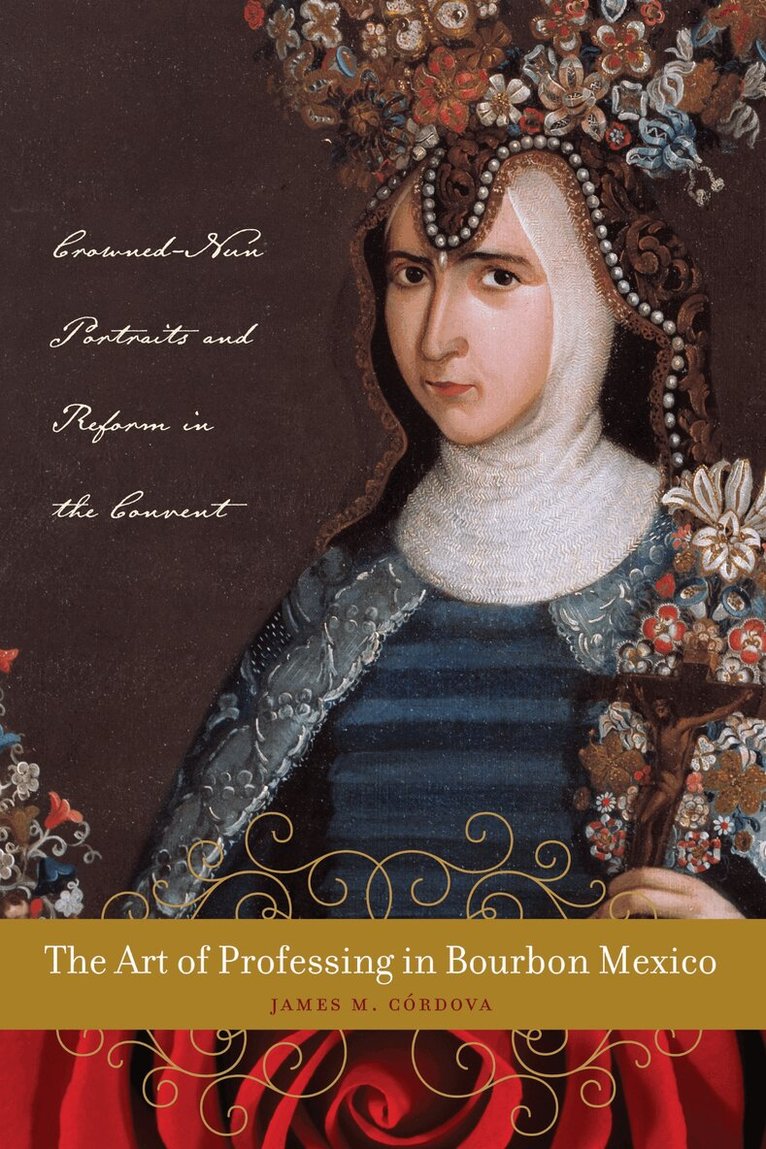
Art of Professing in Bourbon Mexico
Crowned-Nun Portraits and Reform in the Convent
Inbunden, Engelska, 2014
605 kr
Skickas inom 7-10 vardagar
In the eighteenth century, New Spaniards (colonial Mexicans) so lauded their nuns that they developed a local tradition of visually opulent portraits, called monjas coronadas or “crowned nuns,” that picture their subjects in regal trappings at the moment of their religious profession and in death. This study identifies these portraits as markers of a vibrant and changing society that fused together indigenous and Euro-Christian traditions and ritual practices to construct a new and complex religious identity that was unique to New Spain.To discover why crowned-nun portraits, and especially the profession portrait, were in such demand in New Spain, this book offers a pioneering interpretation of these works as significant visual contributions to a local counter-colonial discourse. James M. CÓrdova demonstrates that the portraits were a response to the Spanish crown’s project to modify and modernize colonial society-a series of reforms instituted by the Bourbon monarchs that threatened many nuns’ religious identities in New Spain. His analysis of the portraits’ rhetorical devices, which visually combined Euro-Christian and Mesoamerican notions of the sacred, shows how they promoted local religious and cultural values as well as client-patron relations, all of which were under scrutiny by the colonial Church. Combining visual evidence from images of the “crowned nun” with a discussion of the nuns’ actual roles in society, CÓrdova reveals that nuns found their greatest agency as Christ’s brides, a title through which they could, and did, challenge the Church’s authority when they found it intolerable.
545 kr
Skickas inom 3-6 vardagar
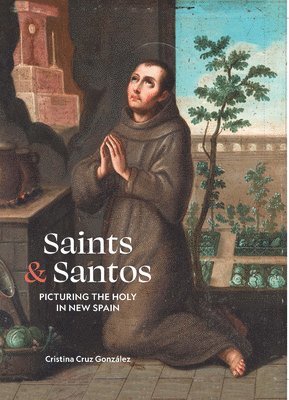
Explore how sacred art evolved in early Mexico, adapting to local cultures and artistic traditions.This beautifully illustrated book reveals the importance of saints in New Spain, a viceroyalty that was part of the Spanish Empire from 1521–1821, covering modern-day Mexico, Central America, and the US Southwest. In the late sixteenth century, Rome’s attempts to manage sanctity as an official process had a profound impact throughout Spain and the Spanish viceroyalties. Saintly devotions traveled to Mexico, and circulated within the vast territory as images or print, then to be transformed by New Spain’s own communities. Drawing on collections from Mexico and the United States, this book examines the role of images in the construction of the holy: these paintings, sculptures, and engravings routinely used to propagate, celebrate, and venerate saintly figures, and used in official beatification and canonization proceedings. The relationship between sanctity and the pictorial is a long, revered tradition that continues in the work of New Mexico’s santero artists today.