
James McMichael – författare
Visar alla böcker från författaren James McMichael. Handla med fri frakt och snabb leverans.
7 produkter
7 produkter
502 kr
Tillfälligt slut
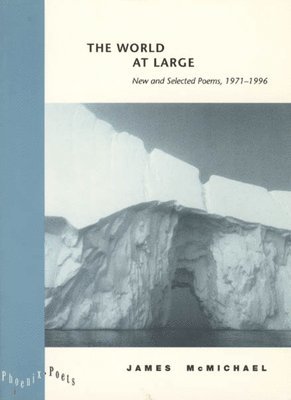
The World at Large brings together the best of James McMichael's poetry and includes works that appear for the first time in this volume. With the publication of the new poems, McMichael surpasses even the formally daring and psychologically penetrating poetry that has characterized his work thus far.
348 kr
Skickas inom 5-8 vardagar
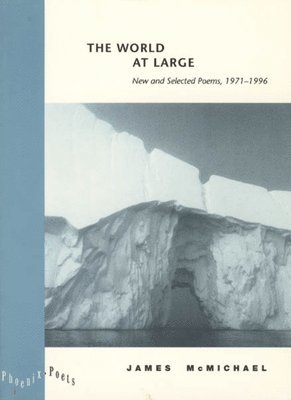
The World at Large brings together the best of James McMichael's poetry and includes works that appear for the first time in this volume. With the publication of the new poems, McMichael surpasses even the formally daring and psychologically penetrating poetry that has characterized his work thus far.

427 kr
Tillfälligt slut
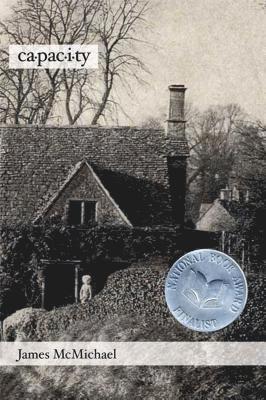
James McMichael's psychologically penetrating long poem traces a man's twenty-year entanglement with a woman; the events that brought them together; the settings in which the two spent their time, together and alone; and the circumstances that led to their eventual separation.
181 kr
Skickas inom 5-8 vardagar
235 kr
Skickas inom 3-6 vardagar
700 kr
Skickas inom 3-6 vardagar
For James McMichael, Joyce's Ulysses invites the wide range of interpretations it has received: what it also does is to prod its interpreters to put the book to some just use. If Ulysses were more conventional than it is, McMichael claims, its readers could set more comfortable limits for themselves in their responses to it, limits that did not extend beyond Ulysses into their dealings with persons in the world. But what happens instead is that the singularly unconventional narrative structure of Ulysses keeps reminding them that the story they are being told about any of the characters is the same kind of story they tell themselves whenever they think about a person. It reminds them that every person needs to be responded to justly and that the justice of their response to any person depends on how justly they characterize that person in their thoughts. McMichael insists that it is justice that Joyce himself most wants.Distinguishing Joyce not only from the immature Stephen Dedalus but also from Ulysses' perfectly unresponsive narrator, this study describes Joyce's tacit but discomforting plea that Ulysses be judged not so much for its literary mastery as for the degree to which it is a just response to persons in need. Originally published in 1991. The Princeton Legacy Library uses the latest print-on-demand technology to again make available previously out-of-print books from the distinguished backlist of Princeton University Press. These editions preserve the original texts of these important books while presenting them in durable paperback and hardcover editions. The goal of the Princeton Legacy Library is to vastly increase access to the rich scholarly heritage found in the thousands of books published by Princeton University Press since its founding in 1905.
1 634 kr
Skickas inom 3-6 vardagar
For James McMichael, Joyce's Ulysses invites the wide range of interpretations it has received: what it also does is to prod its interpreters to put the book to some just use. If Ulysses were more conventional than it is, McMichael claims, its readers could set more comfortable limits for themselves in their responses to it, limits that did not extend beyond Ulysses into their dealings with persons in the world. But what happens instead is that the singularly unconventional narrative structure of Ulysses keeps reminding them that the story they are being told about any of the characters is the same kind of story they tell themselves whenever they think about a person. It reminds them that every person needs to be responded to justly and that the justice of their response to any person depends on how justly they characterize that person in their thoughts. McMichael insists that it is justice that Joyce himself most wants.Distinguishing Joyce not only from the immature Stephen Dedalus but also from Ulysses' perfectly unresponsive narrator, this study describes Joyce's tacit but discomforting plea that Ulysses be judged not so much for its literary mastery as for the degree to which it is a just response to persons in need. Originally published in 1991. The Princeton Legacy Library uses the latest print-on-demand technology to again make available previously out-of-print books from the distinguished backlist of Princeton University Press. These editions preserve the original texts of these important books while presenting them in durable paperback and hardcover editions. The goal of the Princeton Legacy Library is to vastly increase access to the rich scholarly heritage found in the thousands of books published by Princeton University Press since its founding in 1905.