James Mumford - Böcker
Visar alla böcker från författaren James Mumford. Handla med fri frakt och snabb leverans.
8 produkter
8 produkter
651 kr
Skickas inom 5-8 vardagar
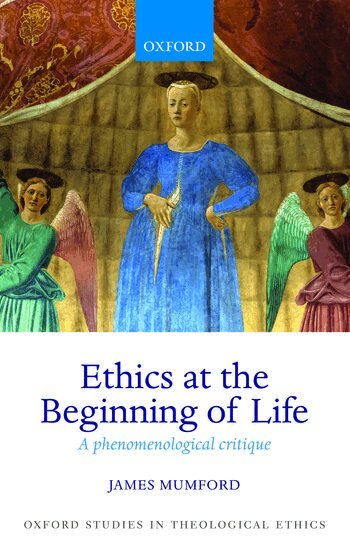
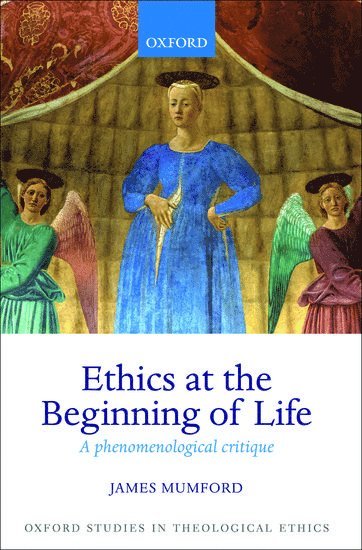
Many of the most controversial moral decisions we face hinge upon competing descriptions of life, and never is this truer than at the beginning of life. James Mumford draws upon phenomenology (a branch of continental philosophy) to question the descriptive adequacy, the essential 'purchase upon reality', of many of the approaches, attitudes and arguments which make up beginning of life ethics today. He argues that many of the most prevalent positions and practices in our late modern culture have simply failed to take into account the reality of human emergence, the particular way that new members of our species first appear in the world. Historically, phenomenologists have been far more interested in death than in birth. Mumford therefore first develops his own phenomenological investigation of human emergence, taking leads and developing approaches from phenomenologists both French and German, both living and dead. In the second half of the book phenomenology is finally applied to ethics, and acute moral questions are divided into two kinds: first those concerning 'what' it is that we are dealing; and, secondly, the more contextual 'where' questions relating to the situation in which the subject is found. Finally, although this book primarily constitutes a philosophical rather than a religious critique of contemporary ethics, with the findings from continental philosophy being brought to bear upon core convictions of English-speaking 'liberal' moral and political philosophers, Mumford concludes by exploring an alternative theological basis for human rights which might fill the vacuum created.
2 006 kr
Skickas inom 7-10 vardagar
Many of the most controversial moral decisions we face hinge upon competing descriptions of life, and never is this truer than at the beginning of life. James Mumford draws upon phenomenology (a branch of continental philosophy) to question the descriptive adequacy, the essential 'purchase upon reality', of many of the approaches, attitudes and arguments which make up beginning of life ethics today. He argues that many of the most prevalent positions and practices in our late modern culture have simply failed to take into account the reality of human emergence, the particular way that new members of our species first appear in the world. Historically, phenomenologists have been far more interested in death than in birth. Mumford therefore first develops his own phenomenological investigation of human emergence, taking leads and developing approaches from phenomenologists both French and German, both living and dead. In the second half of the book phenomenology is finally applied to ethics, and acute moral questions are divided into two kinds: first those concerning 'what' it is that we are dealing; and, secondly, the more contextual 'where' questions relating to the situation in which the subject is found. Finally, although this book primarily constitutes a philosophical rather than a religious critique of contemporary ethics, with the findings from continental philosophy being brought to bear upon core convictions of English-speaking 'liberal' moral and political philosophers, Mumford concludes by exploring an alternative theological basis for human rights which might fill the vacuum created.
339 kr
Skickas inom 5-8 vardagar
190 kr
Skickas inom 5-8 vardagar
231 kr
Kommande
We've never had so much help. We've never been in more anguish. That's the paradox. Mental illness is (mercifully) no longer stigmatised. We're far more open than our grandparents were. Way more of us are seeking help. Why, then, are we being continually told that 'current levels of good mental health are disturbingly low'? If so many people are in therapy, why do we still have a mental health epidemic?Cynics puncture the paradox by denying the reality of mental illness. The diagnoses are dubious, they say; sensitivity is masquerading as suffering . . .But it's not the suffering which is suspect. It's the treatment. Yet while many books have questioned the efficacy of pharmacological interventions, strangely, the talking cure remains a sacred cow. What if therapy's not only failing to resolve the crisis but making it worse?What is it about therapy that's exacerbating our problems? When the difference between True and False, Right and Wrong, Up and Down, becomes a matter of varying viewpoints, we are witnessing the triumph of the therapeutic. But is in fact psychology, from its Freudian inception and across its many contemporary modalities, marked by a chilling nihilism that is ultimately bad for our health? Therapized answers exactly this.
186 kr
Kommande
We've never had so much help. We've never been in more anguish. That's the paradox. Mental illness is (mercifully) no longer stigmatised. We're far more open than our grandparents were. Way more of us are seeking help. Why, then, are we being continually told that 'current levels of good mental health are disturbingly low'? If so many people are in therapy, why do we still have a mental health epidemic?Cynics puncture the paradox by denying the reality of mental illness. The diagnoses are dubious, they say; sensitivity is masquerading as suffering . . .But it's not the suffering which is suspect. It's the treatment. Yet while many books have questioned the efficacy of pharmacological interventions, strangely, the talking cure remains a sacred cow. What if therapy's not only failing to resolve the crisis but making it worse?What is it about therapy that's exacerbating our problems? When the difference between True and False, Right and Wrong, Up and Down, becomes a matter of varying viewpoints, we are witnessing the triumph of the therapeutic. But is in fact psychology, from its Freudian inception and across its many contemporary modalities, marked by a chilling nihilism that is ultimately bad for our health? Therapized answers exactly this.
188 kr
Skickas inom 7-10 vardagar
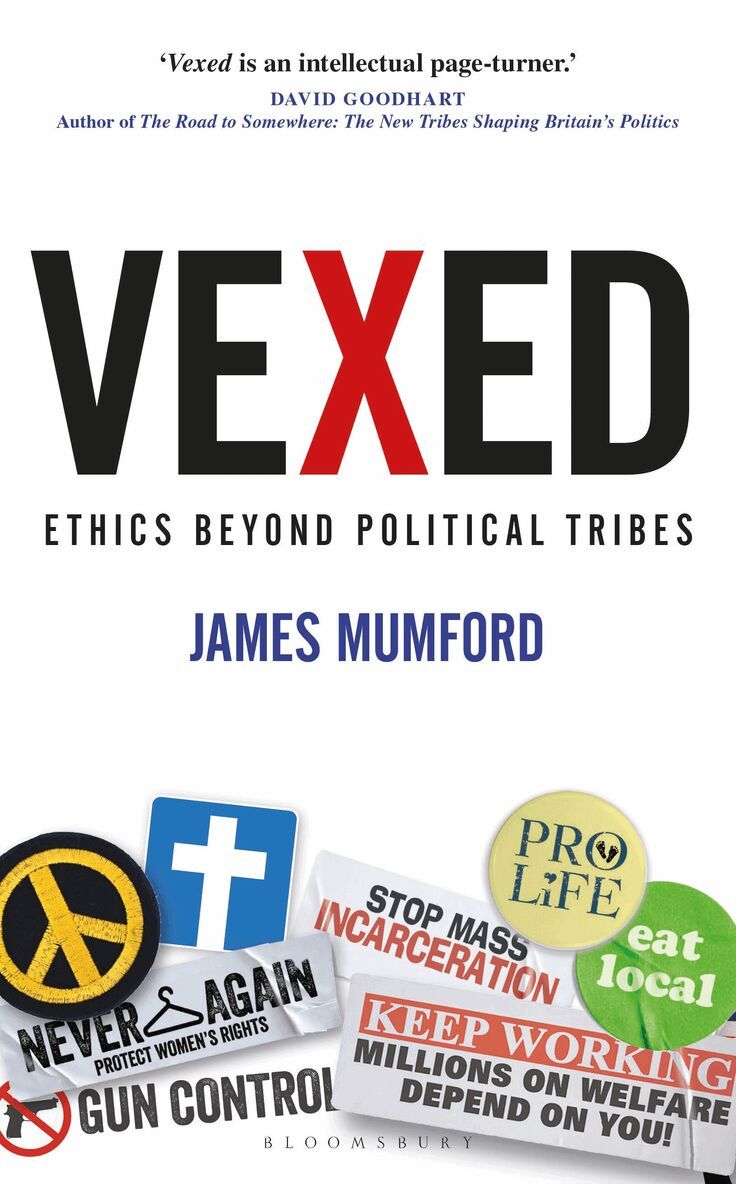
Across the democratic West, politics has become deeply polarised and profoundly personal. Challenge someone’s political views and increasingly you challenge their very being.And yet, do our political tribes even make sense? Look carefully, and on the most important ethical issues of the age – assisted dying, social welfare, sexual liberation, abortion, gun control, the environment, technology, justice – the instinctive positions of both the Left and the Right are riven with contradictions. In this refreshing and eye-opening book, James Mumford, a public thinker and independent commentator, questions the basic assumptions of our political groups. His challenge is simple: ‘Why should believing strongly about one topic mean the automatic adoption of so many others?’Vexed is an essential and provocative account that will appeal to anyone of independent thought, and a welcome call for new reflection on the moral issues most relevant to our modern way of life.
341 kr
Skickas inom 5-8 vardagar