James Mussell - Böcker
Visar alla böcker från författaren James Mussell. Handla med fri frakt och snabb leverans.
4 produkter
4 produkter
Science, Time and Space in the Late Nineteenth-Century Periodical Press
Movable Types
Häftad, Engelska, 2019
509 kr
Skickas inom 10-15 vardagar
James Mussell reads nineteenth-century scientific debates in light of recent theoretical discussions of scientific writing to propose a new methodology for understanding the periodical press in terms of its movements in time and space. That there is no disjunction between text and object is already recognized in science studies, Mussell argues; however, this principle should also be extended to our understanding of print culture within its cultural context. He provides historical accounts of scientific controversy, documents references to time and space in the periodical press, and follows magazines and journals as they circulate through society to shed new light on the dissemination and distribution of periodicals, authorship and textual authority, and the role of mediation in material culture. Well-known writers like H. G. Wells and Arthur Conan Doyle are discovered in new contexts, while other authors, publishers, editors, and scientists are discussed for the first time. Mussell is persuasive in showing how his methodology increases our understanding of the process of transformation and translation that underpins the production of print and informs current debates about the status of digital publication and the preservation of archival material in electronic forms. Adding to the book's usefulness are an extended bibliography and a discussion of recent debates regarding digital publication.
Science, Time and Space in the Late Nineteenth-Century Periodical Press
Movable Types
Inbunden, Engelska, 2007
1 574 kr
Skickas inom 10-15 vardagar
James Mussell reads nineteenth-century scientific debates in light of recent theoretical discussions of scientific writing to propose a new methodology for understanding the periodical press in terms of its movements in time and space. That there is no disjunction between text and object is already recognized in science studies, Mussell argues; however, this principle should also be extended to our understanding of print culture within its cultural context. He provides historical accounts of scientific controversy, documents references to time and space in the periodical press, and follows magazines and journals as they circulate through society to shed new light on the dissemination and distribution of periodicals, authorship and textual authority, and the role of mediation in material culture. Well-known writers like H. G. Wells and Arthur Conan Doyle are discovered in new contexts, while other authors, publishers, editors, and scientists are discussed for the first time. Mussell is persuasive in showing how his methodology increases our understanding of the process of transformation and translation that underpins the production of print and informs current debates about the status of digital publication and the preservation of archival material in electronic forms. Adding to the book's usefulness are an extended bibliography and a discussion of recent debates regarding digital publication.
783 kr
Skickas inom 7-10 vardagar
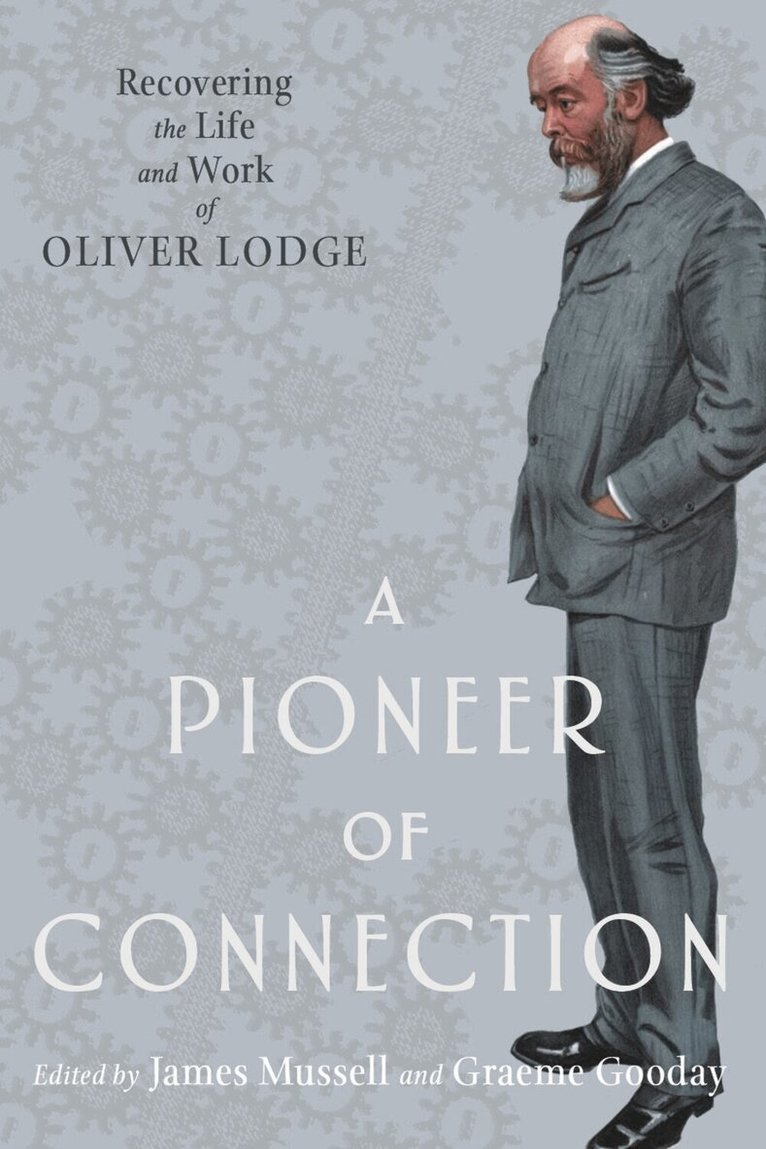
Sir Oliver Lodge was a polymathic scientific figure who linked the Victorian Age with the Second World War, a reassuring figure of continuity across his long life and career. A physicist and spiritualist, inventor and educator, author and authority, he was one of the most famous public figures of British science in the late nineteenth and early twentieth centuries. A pioneer in the invention of wireless communication and later of radio broadcasting, he was foundational for twentieth-century media technology and a tireless communicator who wrote upon and debated many of the pressing interests of the day in the sciences and far beyond. Yet since his death, Lodge has been marginalized. By uncovering the many aspects of his life and career, and the changing dynamics of scientific authority in an era of specialization, contributors to this volume reveal how figures like Lodge fell out of view as technical experts came to dominate the public understanding of science in the second half of the twentieth century. They account for why he was so greatly cherished by many of his contemporaries, examine the reasons for his eclipse, and consider what Lodge, a century on, might teach us about taking a more integrated approach to key scientific controversies of the day.
615 kr
Skickas inom 5-8 vardagar
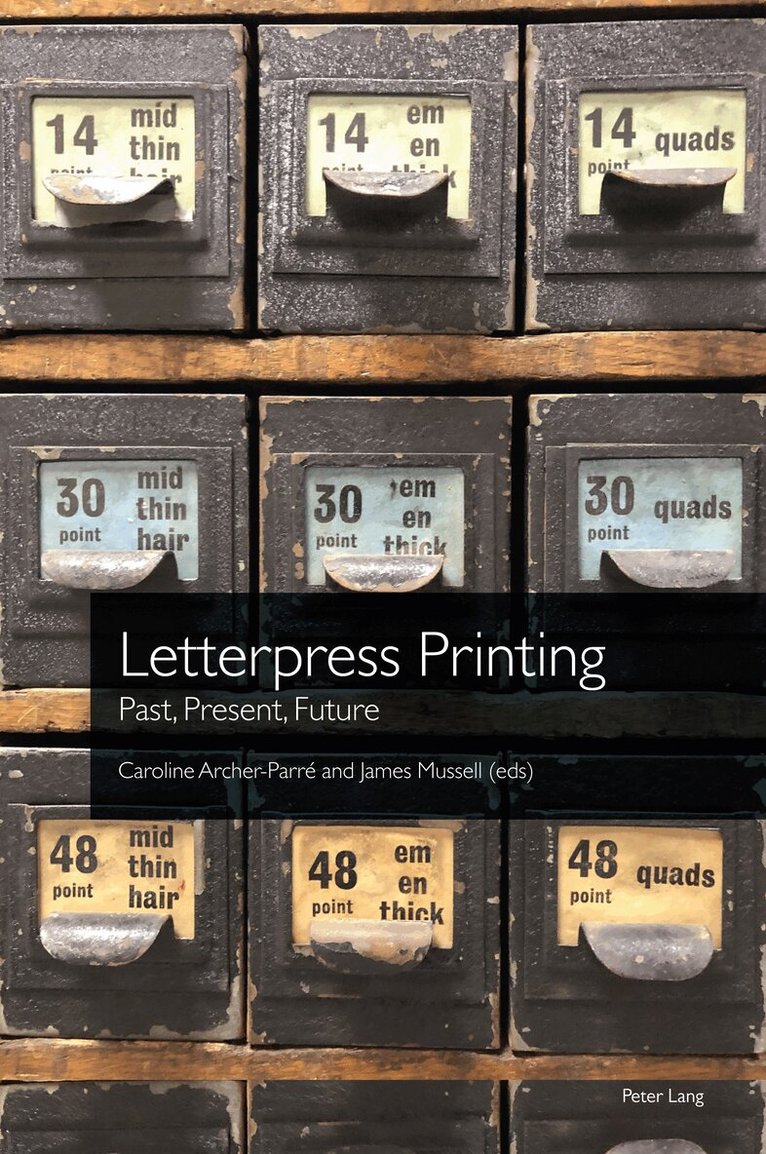
Letterpress Printing: Past, Present, Future brings together scholars, curators, collectors and printers to assess the current state of letterpress printing. It acknowledges the decline of letterpress as a commercial printing technique and considers the risks this poses for letterpress’s future. However, in describing the many uses to which letterpress is put and the diverse communities of printers who still work with it, the book celebrates the tenacity of letterpress as a process which continues to thrive despite such challenges. Letterpress Printing examines the continuing life of letterpress and applauds its revival through describing the circumstances in which it flourishes and the many ways it is now used. By setting this revival in the context of its ostensible decline, the book sets out the ways in which current practice draws upon and preserves the history of printing while taking it in new and unexpected directions.