James N. Green – författare
Visar alla böcker från författaren James N. Green. Handla med fri frakt och snabb leverans.
19 produkter
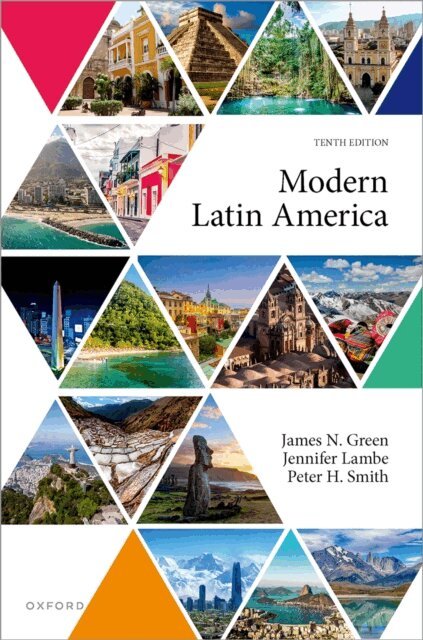
Modern Latin America
Av Peter H. Smith, Jennifer Lambe m. fl.
E-bok, 2025
672 kr
Lägg i varukorg
Featuring stimulating, anecdotal boxes, Modern Latin America uses case studies to discuss the primary countries and patterns of development in the region over the past 200 years. The authors examine such central themes as the Iberian-New World interaction, racial prejudices and policy, economic …
Beyond Carnival
Male Homosexuality in Twentieth-Century Brazil
Häftad, 2001
436 kr
Lägg i varukorg
For many foreign observers, Brazil still conjures up a collage of exotic images, ranging from the camp antics of Carmen Miranda to the bronzed girl (or boy) from Ipanema moving sensually over the white sands of Rio's beaches. Among these tropical fantasies is that of the uninhibited and licentious …
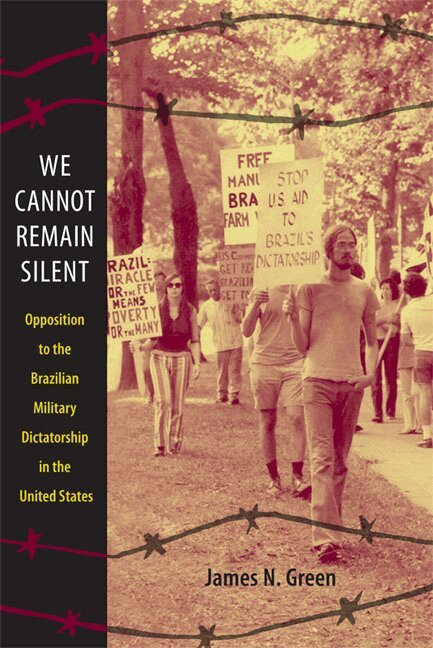
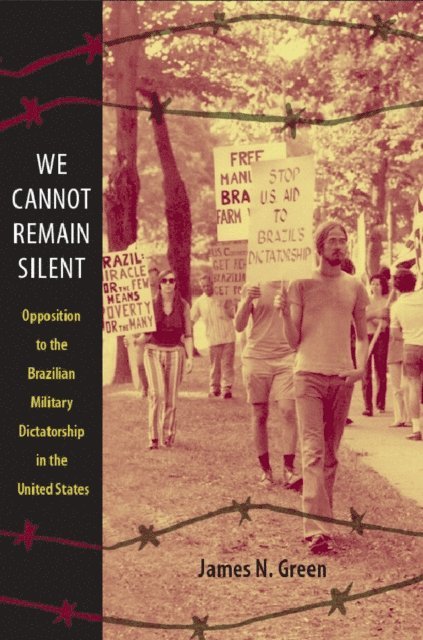
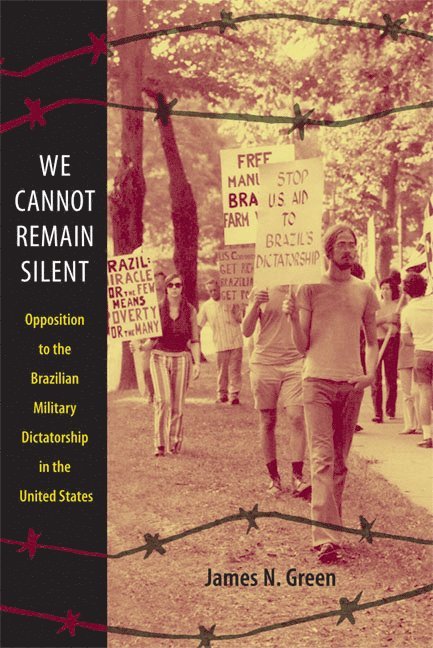
We Cannot Remain Silent
Opposition to the Brazilian Military Dictatorship in the United States
Häftad, 2010
454 kr
Lägg i varukorg
In 1964, Brazil’s democratically elected, left-wing government was ousted in a coup and replaced by a military junta. The Johnson administration quickly recognized the new government. The U.S. press and members of Congress were nearly unanimous in their support of the “revolution” and the coup …
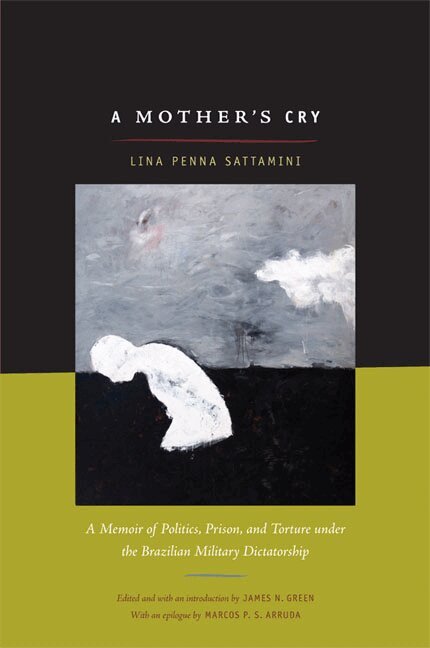
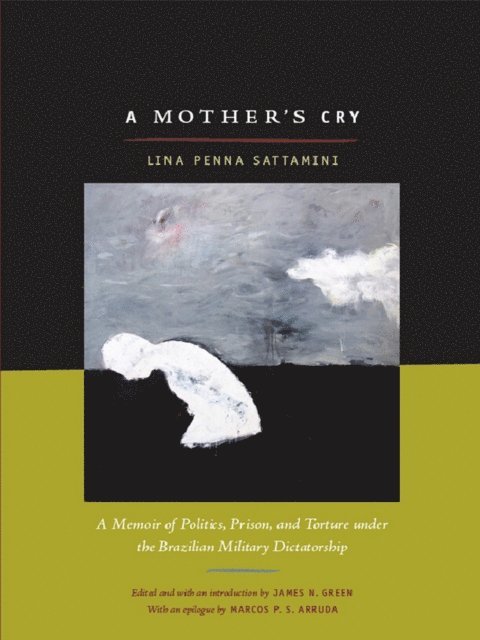
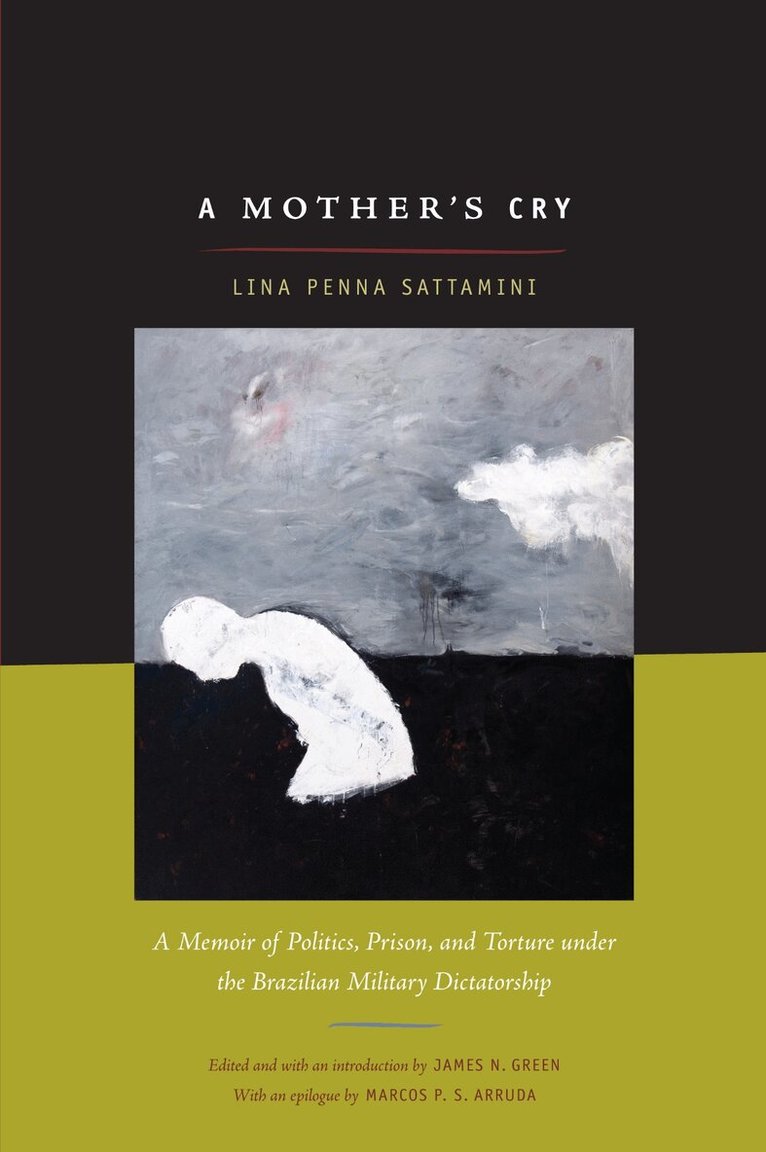
Mother's Cry
A Memoir of Politics, Prison, and Torture Under the Brazilian Military Dictatorship
Av Lina Sattamini, James N. Green
Häftad, 2010
364 kr
Lägg i varukorg
During the late 1960s and early 1970s, Brazil’s dictatorship arrested, tortured, and interrogated many people it suspected of subversion; hundreds of those arrested were killed in prison. In May 1970, Marcos P. S. Arruda, a young political activist, was seized in SÃo Paulo, imprisoned, and …
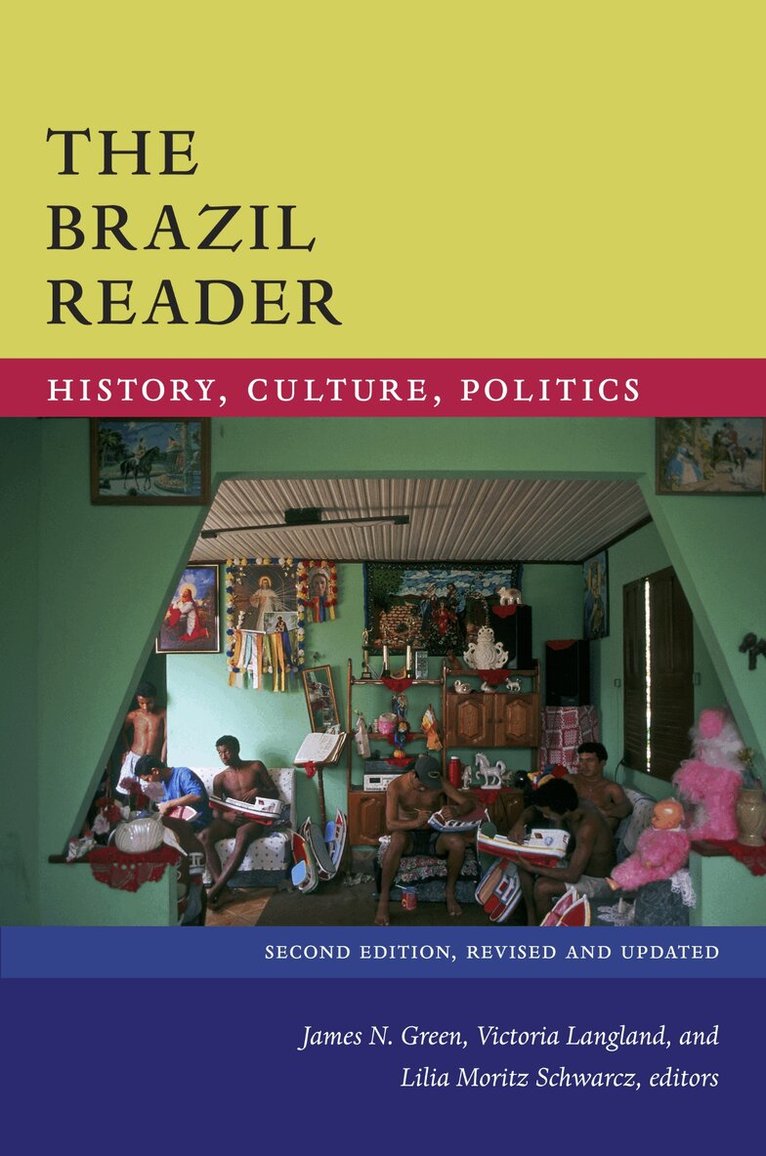
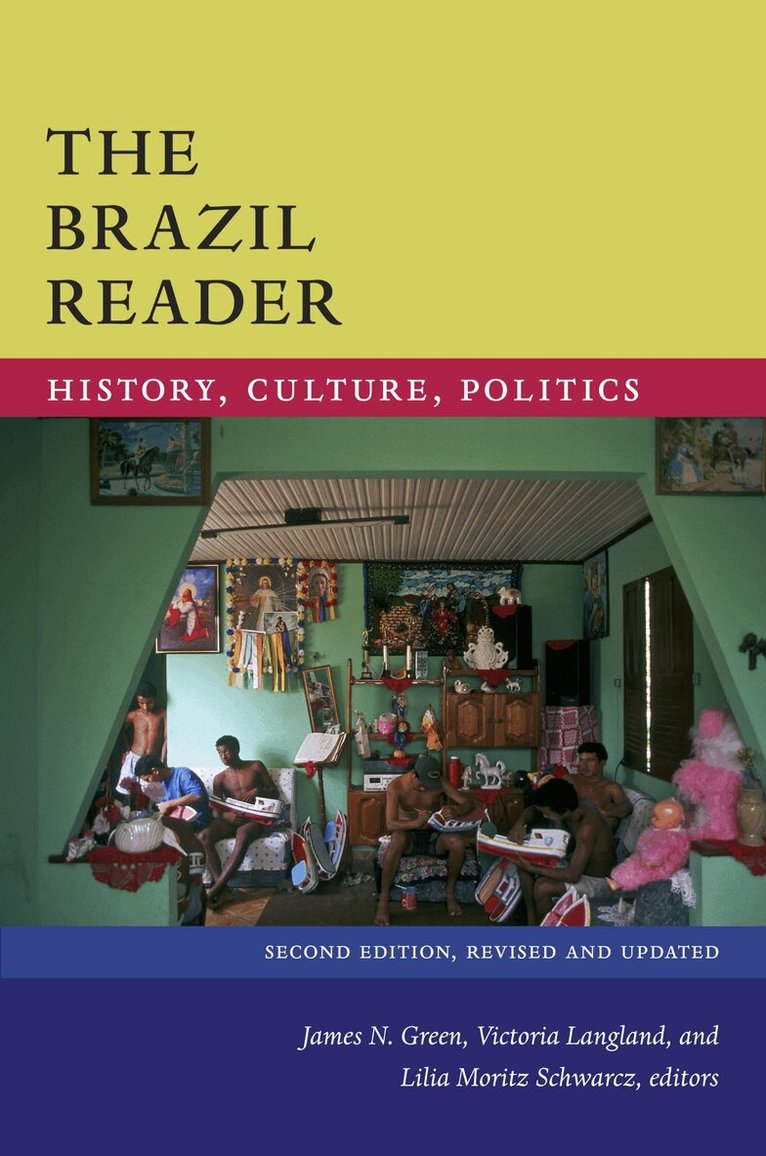
Brazil Reader
History, Culture, Politics
Av James N. Green, Victoria Langland m. fl.
Inbunden, 2019
1577 kr
Lägg i varukorg
From the first encounters between the Portuguese and indigenous peoples in 1500 to the current political turmoil, the history of Brazil is much more complex and dynamic than the usual representations of it as the home of Carnival, soccer, the Amazon, and samba would suggest. This extensively …
Brazil Reader
History, Culture, Politics
Av James N. Green, Victoria Langland m. fl.
Häftad, 2019
382 kr
Lägg i varukorg
From the first encounters between the Portuguese and indigenous peoples in 1500 to the current political turmoil, the history of Brazil is much more complex and dynamic than the usual representations of it as the home of Carnival, soccer, the Amazon, and samba would suggest. This extensively …
Brazil Reader
History, Culture, Politics
Av Lilia Moritz Schwarcz, Victoria Langland m. fl.
E-bok, 2018
570 kr
Lägg i varukorg
From the first encounters between the Portuguese and indigenous peoples in 1500 to the current political turmoil, the history of Brazil is much more complex and dynamic than the usual representations of it as the home of Carnival, soccer, the Amazon, and samba would suggest. This extensively …
We Cannot Remain Silent
Opposition to the Brazilian Military Dictatorship in the United States
E-bok, 2010
671 kr
Lägg i varukorg
In 1964, Brazil’s democratically elected, left-wing government was ousted in a coup and replaced by a military junta. The Johnson administration quickly recognized the new government. The U.S. press and members of Congress were nearly unanimous in their support of the “revolution” and the coup …
Mother's Cry
A Memoir of Politics, Prison, and Torture under the Brazilian Military Dictatorship
Av Lina Sattamini, James N. Green
E-bok, 2010
519 kr
Lägg i varukorg
During the late 1960s and early 1970s, Brazil’s dictatorship arrested, tortured, and interrogated many people it suspected of subversion; hundreds of those arrested were killed in prison. In May 1970, Marcos P. S. Arruda, a young political activist, was seized in São Paulo, imprisoned, and …
Pierre Eugène Du Simitière
Curator of America's First Museum & Archivist of the American Revolution
Av Gordon Marshall, James N. Green m. fl.
Häftad, 2026
321 kr
Lägg i varukorg
Among the prized acquisitions of the Library Company of Philadelphia is the collection of more than 1500 books, pamphlets, broadsides, newspapers, and prints once belonging to Pierre Eugène Du Simitière (1737-1784). The collection, which was first displayed in a 1985 exhibition of the Geneva-born …
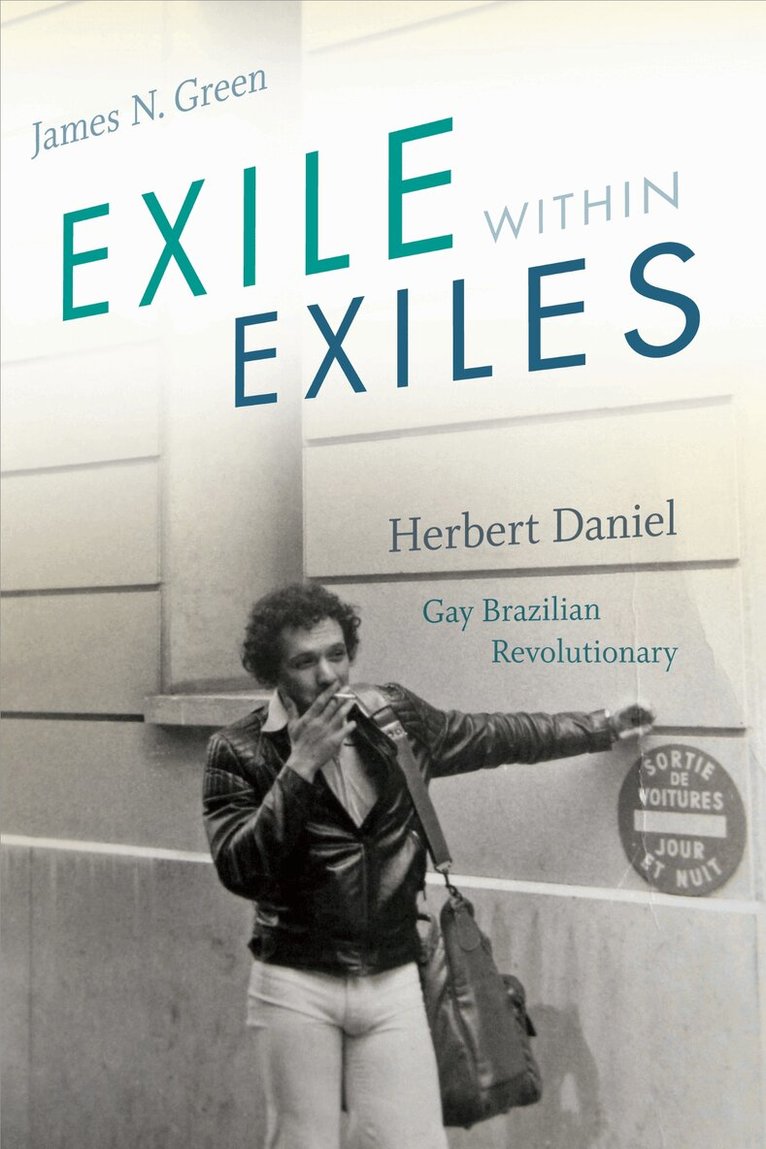
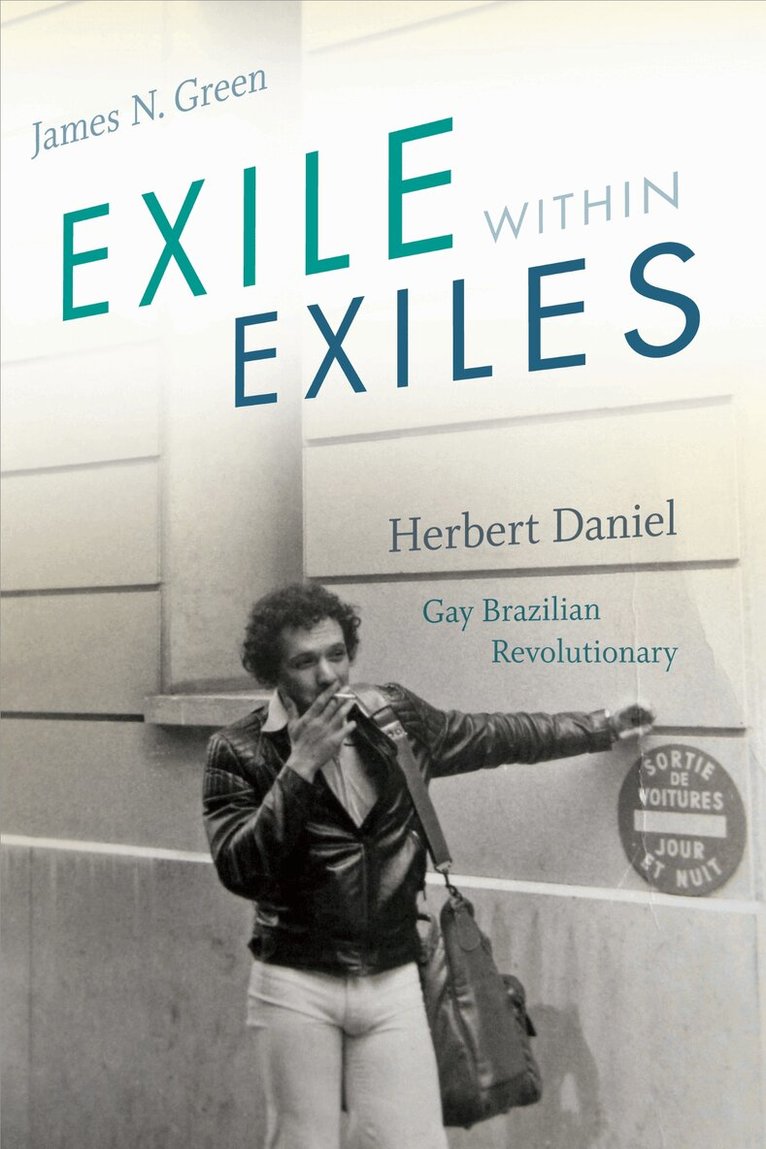
Exile Within Exiles
Herbert Daniel, Gay Brazilian Revolutionary
Inbunden, 2018
1670 kr
Lägg i varukorg
Herbert Daniel was a significant and complex figure in Brazilian leftist revolutionary politics and social activism from the mid-1960s until his death in 1992. As a medical student, he joined a revolutionary guerrilla organization but was forced to conceal his sexual identity from his comrades, a …
Exile Within Exiles
Herbert Daniel, Gay Brazilian Revolutionary
Häftad, 2018
408 kr
Lägg i varukorg
Herbert Daniel was a significant and complex figure in Brazilian leftist revolutionary politics and social activism from the mid-1960s until his death in 1992. As a medical student, he joined a revolutionary guerrilla organization but was forced to conceal his sexual identity from his comrades, a …
Exile within Exiles
Herbert Daniel, Gay Brazilian Revolutionary
E-bok, 2018
587 kr
Lägg i varukorg
Herbert Daniel was a significant and complex figure in Brazilian leftist revolutionary politics and social activism from the mid-1960s until his death in 1992. As a medical student, he joined a revolutionary guerrilla organization but was forced to conceal his sexual identity from his comrades, a …
Exile and the Politics of Exclusion in the Americas
Av Luis Roinger, James N. Green m. fl.
Inbunden, 2012
1957 kr
Lägg i varukorg
This collection of essays brings together leading experts in the study of exile and expatriation, whose historical and comparative perspectives enable readers to understand the phenomenon of forced displacement in the Americas. Political exile, a major political practice throughout most of the …
Exile and the Politics of Exclusion in the Americas
Av Luis Roinger, James N. Green m. fl.
Häftad, 2014
635 kr
Lägg i varukorg
This collection of essays brings together leading experts in the study of exile and expatriation, whose historical and comparative perspectives enable readers to understand the phenomenon of forced displacement in the Americas. Political exile, a major political practice throughout most of the …
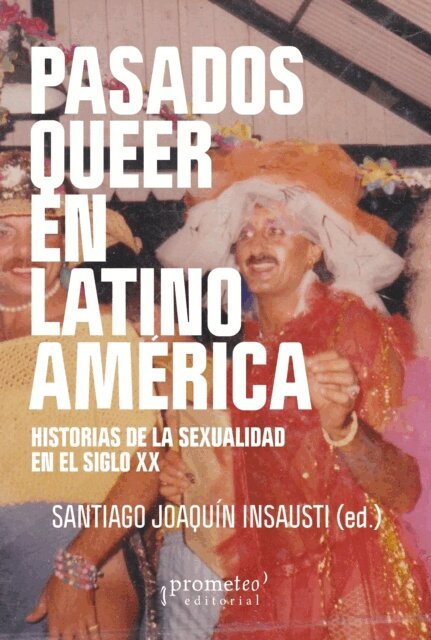
Pasados queer en Latinoamérica
historias de la sexualidad en el siglo XX
Av James N. Green, Pablo Ben m. fl.
E-bok, 2026
179 kr
Lägg i varukorg
Este libro constituye la primera compilación dedicada exclusivamente a la historia queer latinoamericana. Durante décadas, la historiografía ha desatendido lo queer, pero este libro demuestra que no se trata de un tema marginal: repensar la sexualidad y el género en el pasado posibilita reescribir …
Beyond Carnival
Male Homosexuality in Twentieth-Century Brazil
Inbunden, 2000
652 kr
Tillfälligt slut
For many foreign observers, Brazil still conjures up a collage of exotic images, ranging from the camp antics of Carmen Miranda to the bronzed girl (or boy) from Ipanema moving sensually over the white sands of Rio's beaches. Among these tropical fantasies is that of the uninhibited and licentious …
We Cannot Remain Silent
Opposition to the Brazilian Military Dictatorship in the United States
Inbunden, 2010
1851 kr
Tillfälligt slut
In 1964, Brazil’s democratically elected, left-wing government was ousted in a coup and replaced by a military junta. The Johnson administration quickly recognized the new government. The U.S. press and members of Congress were nearly unanimous in their support of the “revolution” and the coup …
Mother's Cry
A Memoir of Politics, Prison, and Torture Under the Brazilian Military Dictatorship
Av Lina Sattamini, James N. Green
Inbunden, 2010
1314 kr
Tillfälligt slut
During the late 1960s and early 1970s, Brazil’s dictatorship arrested, tortured, and interrogated many people it suspected of subversion; hundreds of those arrested were killed in prison. In May 1970, Marcos P. S. Arruda, a young political activist, was seized in SÃo Paulo, imprisoned, and …