James N. Sater – författare
Visar alla böcker från författaren James N. Sater. Handla med fri frakt och snabb leverans.
11 produkter
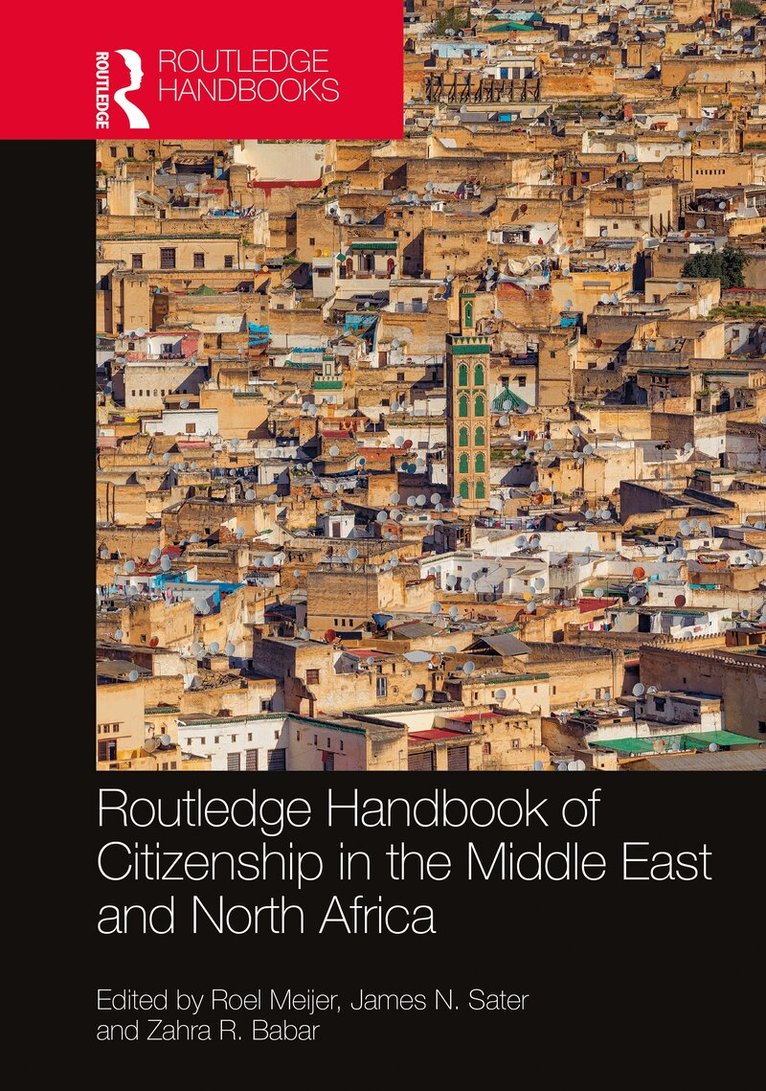
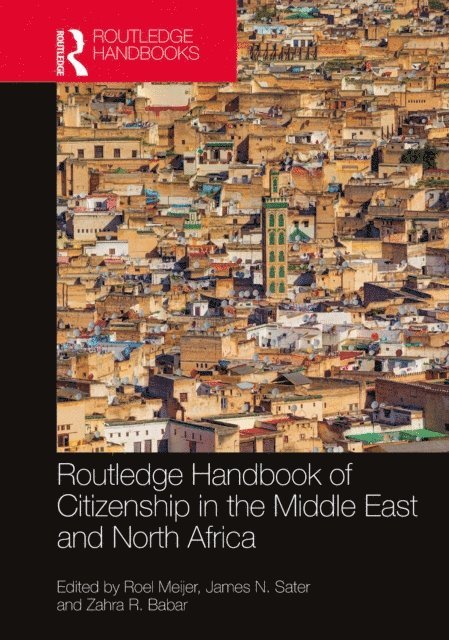
Routledge Handbook of Citizenship in the Middle East and North Africa
Av Roel Meijer, James N. Sater m. fl.
Inbunden, 2020
3781 kr
Lägg i varukorg
This comprehensive Handbook gives an overview of the political, social, economic and legal dimensions of citizenship in the Middle East and North Africa from the nineteenth century to the present. The terms citizen and citizenship are mostly used by researchers in an off-hand, self-evident manner. …
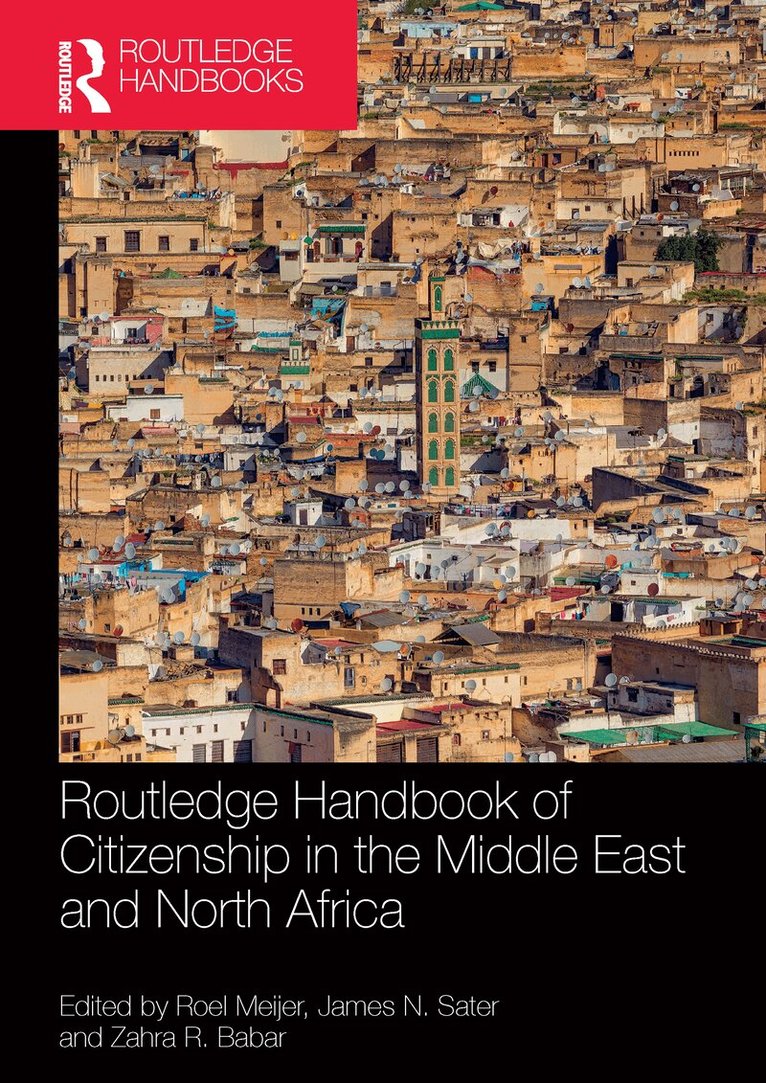
Routledge Handbook of Citizenship in the Middle East and North Africa
Av Roel Meijer, James N. Sater m. fl.
Häftad, 2023
718 kr
Lägg i varukorg
This comprehensive Handbook gives an overview of the political, social, economic and legal dimensions of citizenship in the Middle East and North Africa from the nineteenth century to the present. The terms citizen and citizenship are mostly used by researchers in an off-hand, self-evident manner. …
Civil Society and Political Change in Morocco
Inbunden, 2007
2512 kr
Lägg i varukorg
Taking Morocco as its focus, this book looks at the political change in the country since 1990. It places particular emphasis on key topics, such as civil society, human rights and reform, as vital issues for understanding the developments in the contemporary Middle East.
Civil Society and Political Change in Morocco
Häftad, 2011
747 kr
Lägg i varukorg
Taking Morocco as its focus, this book looks at the political change in the country since 1990. It places particular emphasis on key topics, such as civil society, human rights and reform, as vital issues for understanding the developments in the contemporary Middle East.
Routledge Handbook of Citizenship in the Middle East and North Africa
Av Zahra R. Babar, James N. Sater m. fl.
E-bok, 2020
781 kr
Lägg i varukorg
This comprehensive Handbook gives an overview of the political, social, economic and legal dimensions of citizenship in the Middle East and North Africa from the nineteenth century to the present. The terms citizen and citizenship are mostly used by researchers in an off-hand, self-evident manner. …
Routledge Handbook of Citizenship in the Middle East and North Africa
Av Zahra R. Babar, James N. Sater m. fl.
E-bok, 2020
781 kr
Lägg i varukorg
This comprehensive Handbook gives an overview of the political, social, economic and legal dimensions of citizenship in the Middle East and North Africa from the nineteenth century to the present. The terms citizen and citizenship are mostly used by researchers in an off-hand, self-evident manner. …
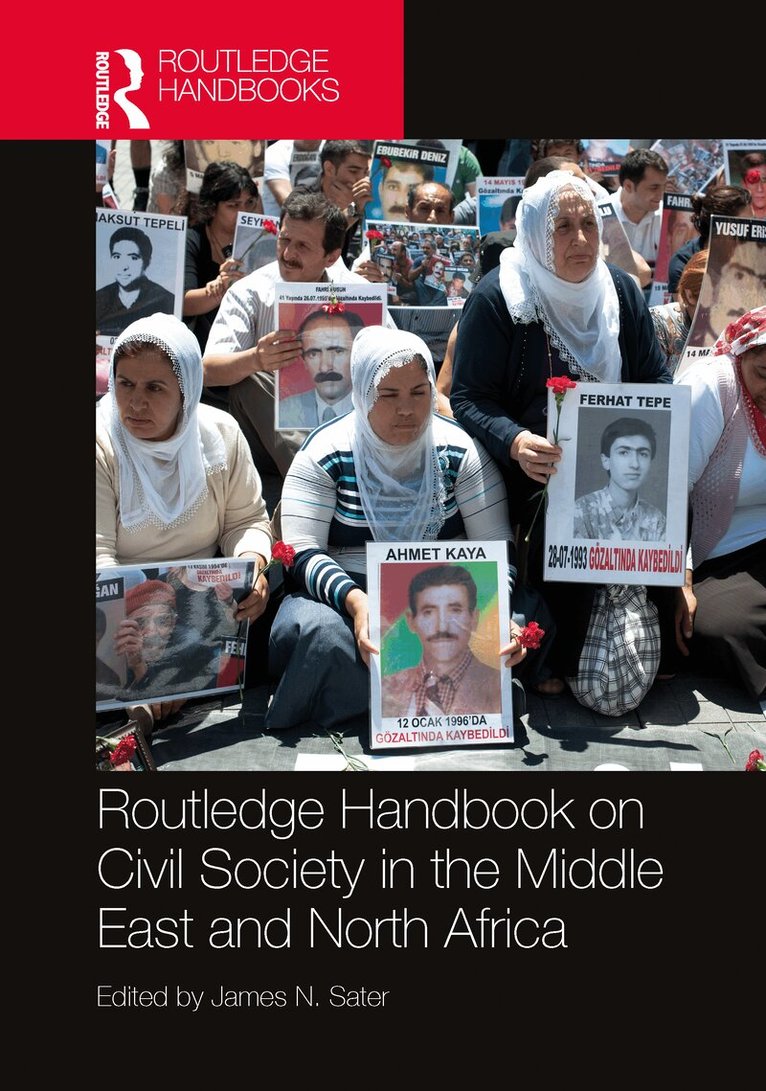
Routledge Handbook on Civil Society in the Middle East and North Africa
Inbunden, 2026
3781 kr
Lägg i varukorg
Routledge Handbook on Civil Society in the Middle East and North Africa provides a comprehensive and multidimensional exploration of civil society across the MENA region, tracing its historical emergence, diverse expressions, and contemporary transformations.Moving beyond simplified narratives, the …
Routledge Handbook on Civil Society in the Middle East and North Africa
E-bok, 2026
953 kr
Lägg i varukorg
Routledge Handbook on Civil Society in the Middle East and North Africa provides a comprehensive and multidimensional exploration of civil society across the MENA region, tracing its historical emergence, diverse expressions, and contemporary transformations.Moving beyond simplified narratives, the …
Routledge Handbook on Civil Society in the Middle East and North Africa
E-bok, 2026
932 kr
Lägg i varukorg
Routledge Handbook on Civil Society in the Middle East and North Africa provides a comprehensive and multidimensional exploration of civil society across the MENA region, tracing its historical emergence, diverse expressions, and contemporary transformations.Moving beyond simplified narratives, the …
Civil Society and Political Change in Morocco
E-bok, 2007
883 kr
Lägg i varukorg
Taking Morocco as its focus, this book looks at the political change in the country since 1990. It places particular emphasis on key topics, such as civil society, human rights and reform, as vital issues for understanding the developments in the contemporary Middle East.
Civil Society and Political Change in Morocco
E-bok, 2007
864 kr
Lägg i varukorg
Taking Morocco as its focus, this book looks at the political change in the country since 1990. It places particular emphasis on key topics, such as civil society, human rights and reform, as vital issues for understanding the developments in the contemporary Middle East.