James Nati – författare
Visar alla böcker från författaren James Nati. Handla med fri frakt och snabb leverans.
4 produkter
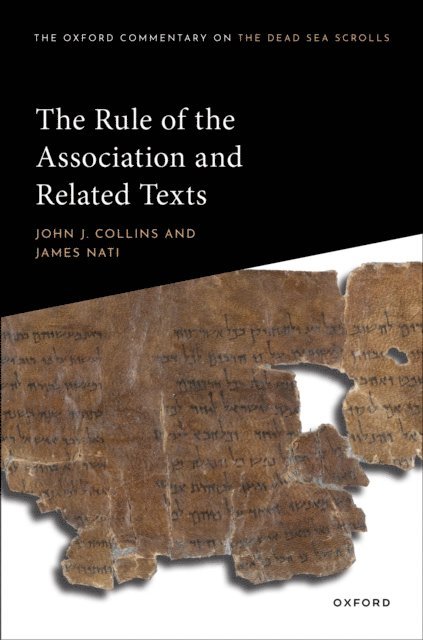
Rule of the Association and Related Texts
Av James Nati, John J. Collins
E-bok, 2024
1375 kr
Lägg i varukorg
The Rule of the Association (1QS; Serek ha-Yahad) is the primary description of the sectarian community described in the Dead Sea Scrolls. It was one of the first Scrolls published, in 1951. Several related fragmentary scrolls subsequently came to light. This book provides text, translation, and …
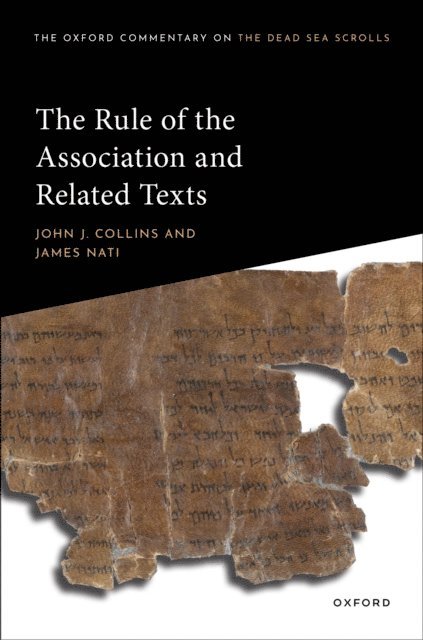
Rule of the Association and Related Texts
Av James Nati, John J. Collins
E-bok, 2024
1375 kr
Lägg i varukorg
The Rule of the Association (1QS; Serek ha-Yahad) is the primary description of the sectarian community described in the Dead Sea Scrolls. It was one of the first Scrolls published, in 1951. Several related fragmentary scrolls subsequently came to light. This book provides text, translation, and …
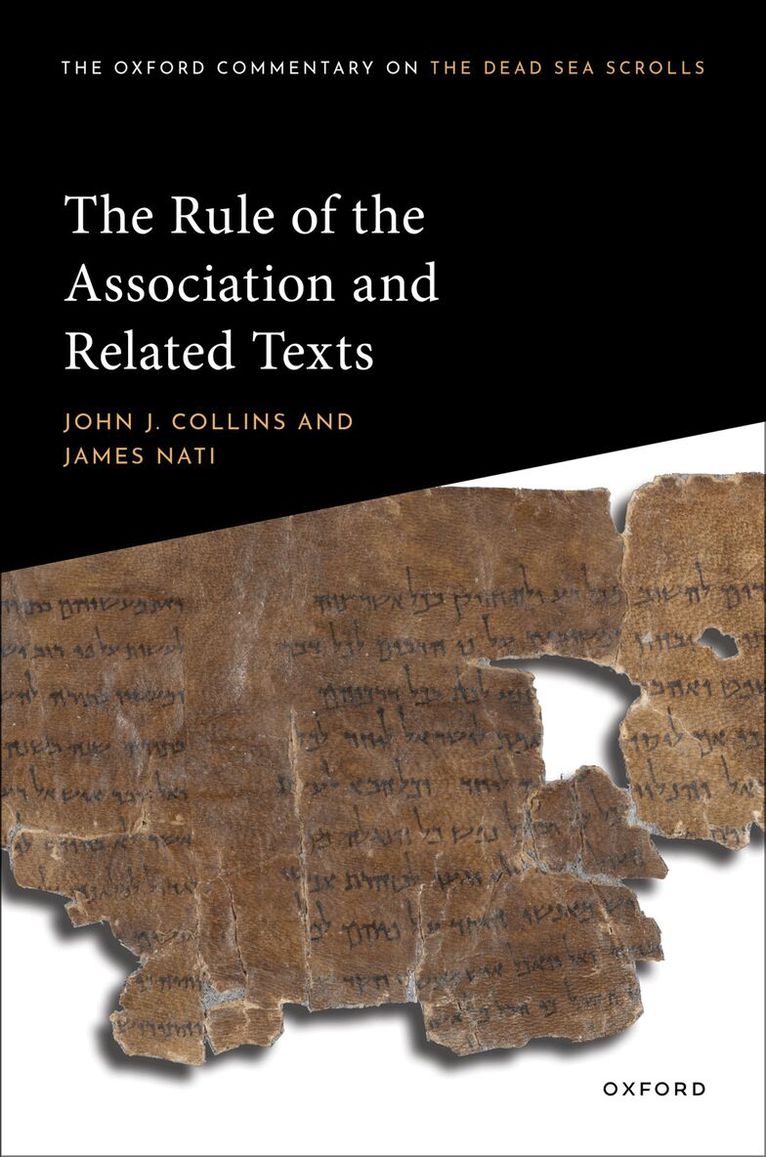
The Rule of the Association and Related Texts
Av John J. Collins, James Nati
Inbunden, 2024
1332 kr
Lägg i varukorg
The Rule of the Association (1QS; Serek ha-Yahad) is the primary description of the sectarian community described in the Dead Sea Scrolls. It was one of the first Scrolls published, in 1951. Several related fragmentary scrolls subsequently came to light. This book provides text, translation, and …
Textual Criticism and the Ontology of Literature in Early Judaism
An Analysis of the Serekh ha-Yaḥad
Av James Nati
Inbunden, 2021
2022 kr
Lägg i varukorg
The Dead Sea Scrolls have demonstrated the fluidity of biblical and early Jewish texts in antiquity. How did early Jewish scribes understand the nature of their pluriform literature? How should modern textual critics deal with these fluid texts?Centered on the Serekh ha-Yaḥad – or Community Rule – …