James Parisot - Böcker
Visar alla böcker från författaren James Parisot. Handla med fri frakt och snabb leverans.
6 produkter
6 produkter
751 kr
Skickas inom 10-15 vardagar
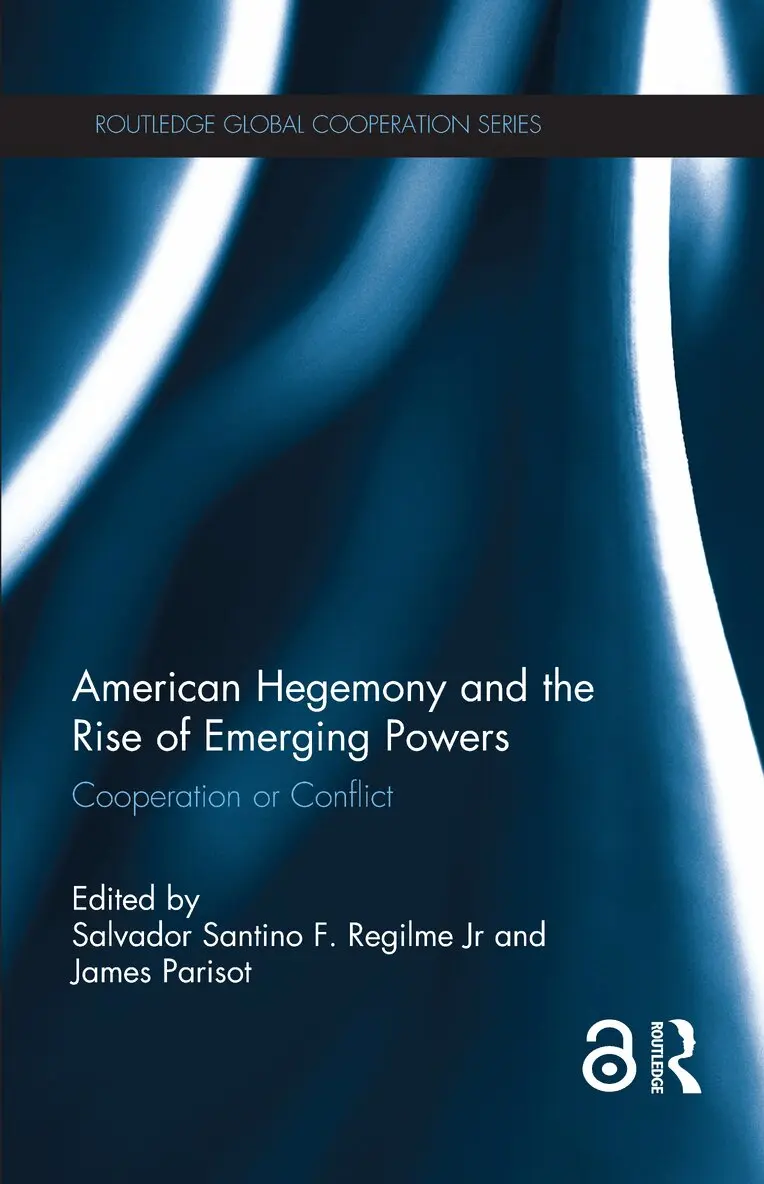
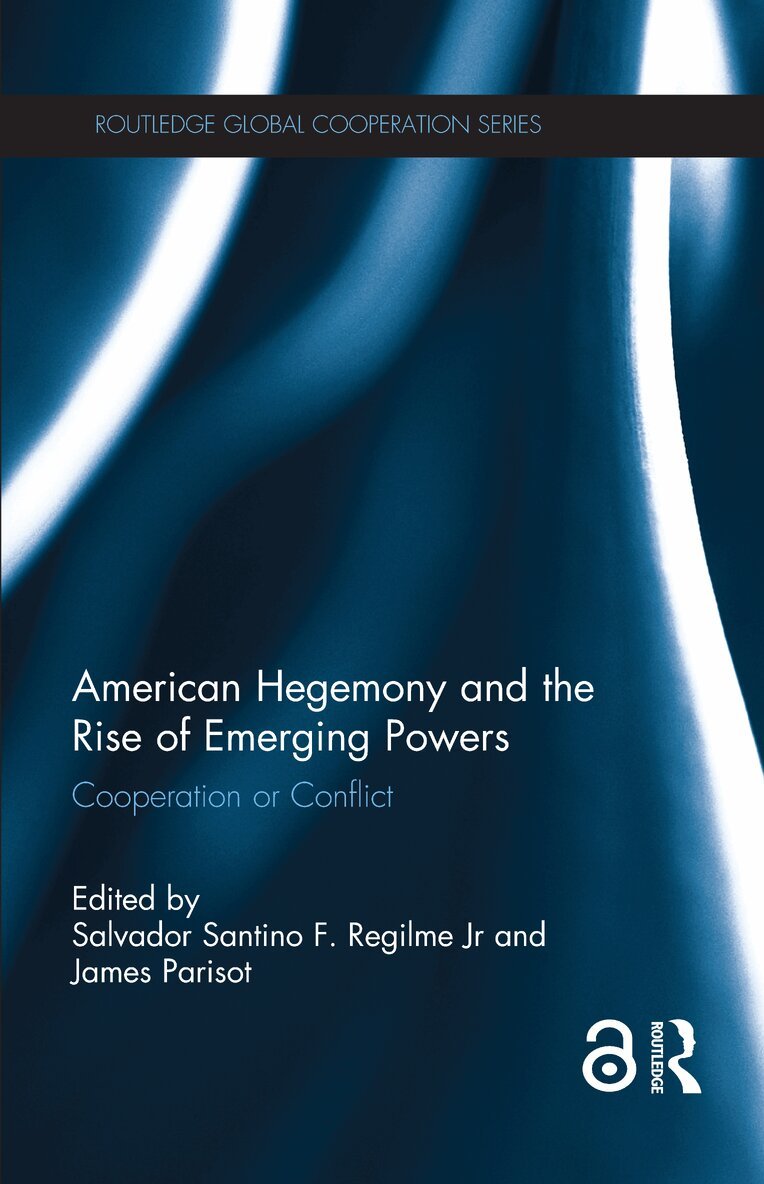
Over the last decade, the United States' position as the world's most powerful state has appeared increasingly unstable. The US invasions of Afghanistan and Iraq, non-traditional security threats, global economic instability, the apparent spread of authoritarianism and illiberal politics, together with the rise of emerging powers from the Global South have led many to predict the end of Western dominance on the global stage. This book brings together scholars from international relations, economics, history, sociology and area studies to debate the future of US leadership in the international system. The book analyses the past, present and future of US hegemony in key regions in the Asia-Pacific, Latin America, Middle East, Europe and Africa – while also examining the dynamic interactions of US hegemony with other established, rising and re-emerging powers such as Russia, China, Japan, India, Turkey and South Africa. American Hegemony and the Rise of Emerging Powers explores how changes in the patterns of cooperation and conflict among states, regional actors and transnational non-state actors have affected the rise of emerging global powers and the suggested decline of US leadership. Scholars, students and policy practitioners who are interested in the future of the US-led international system, the rise of emerging powers from the Global South and related global policy challenges will find this multidisciplinary volume an invaluable guide to the shifting position of American hegemony.
421 kr
Kommande
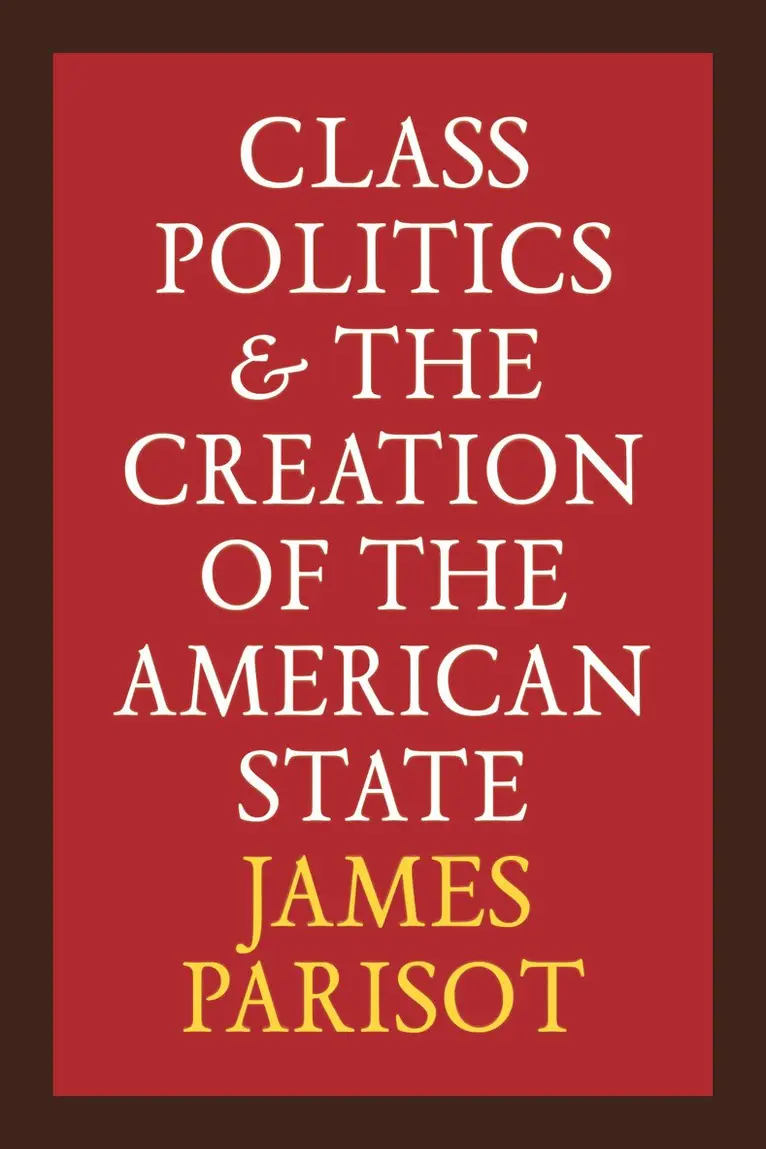
Why does the American federal government seem to prioritize elite capitalist interests over those of other groups? Class Politics and the Creation of the American State draws on a wide range of sources—personal letters, official government documents, private notes, and newspaper articles—to reveal that the federal government was built to give the emerging capitalist elite a way to consolidate and institutionalize their power. Challenging both liberal and conservative interpretations about what the US Constitution means, this book tells a new story about how the American state took shape.The framers of the Constitution constructed an image of the state, enshrined in the Constitution, that presented their power as universal: a system meant to serve all Americans equally. This image helped legitimize the new order, even if the rising capitalist class stood to benefit most of all. Since the United States of the late 1780s was not yet a fully capitalist society, the state that was built opened space for less capitalistically incorporated social classes, including some artisans and yeoman farmers, to have limited representation. Class Politics and the Creation of the American State shows how the structure of the early American state worked primarily to advance capitalist interests, while incorporating other groups enough to maintain a sense of broad representation and inclusion.
1 137 kr
Kommande
Why does the American federal government seem to prioritize elite capitalist interests over those of other groups? Class Politics and the Creation of the American State draws on a wide range of sources—personal letters, official government documents, private notes, and newspaper articles—to reveal that the federal government was built to give the emerging capitalist elite a way to consolidate and institutionalize their power. Challenging both liberal and conservative interpretations about what the US Constitution means, this book tells a new story about how the American state took shape.The framers of the Constitution constructed an image of the state, enshrined in the Constitution, that presented their power as universal: a system meant to serve all Americans equally. This image helped legitimize the new order, even if the rising capitalist class stood to benefit most of all. Since the United States of the late 1780s was not yet a fully capitalist society, the state that was built opened space for less capitalistically incorporated social classes, including some artisans and yeoman farmers, to have limited representation. Class Politics and the Creation of the American State shows how the structure of the early American state worked primarily to advance capitalist interests, while incorporating other groups enough to maintain a sense of broad representation and inclusion.
262 kr
Skickas inom 7-10 vardagar
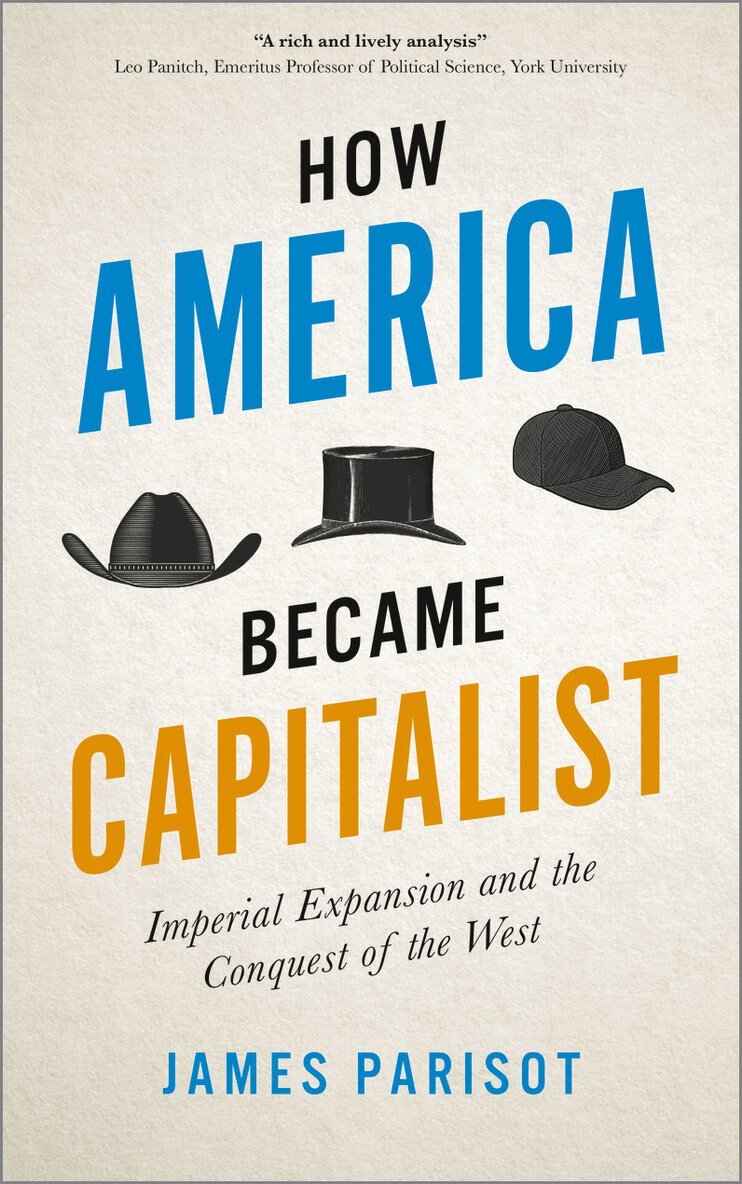
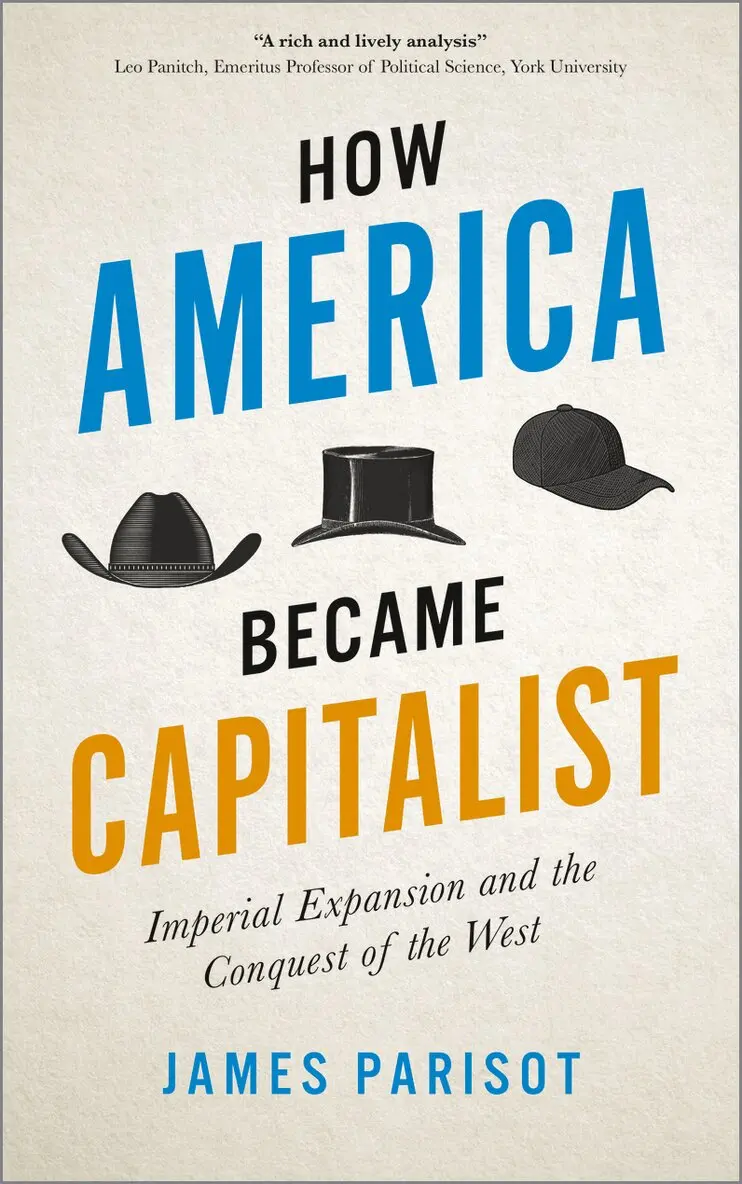
Has America always been capitalist? Today, the US sees itself as the heartland of the international capitalist system, its society and politics intertwined deeply with its economic system. This book looks at the history of North America from the founding of the colonies to debunk the myth that America is 'naturally' capitalist.From the first white-settler colonies, capitalist economic elements were apparent, but far from dominant, and did not drive the early colonial advance into the West. Society, too, was far from homogeneous - as the role of the state fluctuated. Racial identities took time to imprint, and slavery, whilst at the heart of American imperialism, took both capitalist and less-capitalist forms. Additionally, gender categories and relations were highly complex, as standards of `manhood' and `womanhood' shifted over time to accommodate capitalism, and as there were always some people challenging this binary. By looking at this fascinating and complex picture, James Parisot weaves a groundbreaking historical materialist perspective on the history of American expansion.
How America Became Capitalist
Imperial Expansion and the Conquest of the West
Inbunden, Engelska, 2019
893 kr
Skickas inom 7-10 vardagar
Has America always been capitalist? Today, the US sees itself as the heartland of the international capitalist system, its society and politics intertwined deeply with its economic system. This book looks at the history of North America from the founding of the colonies to debunk the myth that America is 'naturally' capitalist.From the first white-settler colonies, capitalist economic elements were apparent, but far from dominant, and did not drive the early colonial advance into the West. Society, too, was far from homogeneous - as the role of the state fluctuated. Racial identities took time to imprint, and slavery, whilst at the heart of American imperialism, took both capitalist and less-capitalist forms. Additionally, gender categories and relations were highly complex, as standards of `manhood' and `womanhood' shifted over time to accommodate capitalism, and as there were always some people challenging this binary. By looking at this fascinating and complex picture, James Parisot weaves a groundbreaking historical materialist perspective on the history of American expansion.
2 103 kr
Skickas inom 10-15 vardagar
Over the last decade, the United States' position as the world's most powerful state has appeared increasingly unstable. The US invasions of Afghanistan and Iraq, non-traditional security threats, global economic instability, the apparent spread of authoritarianism and illiberal politics, together with the rise of emerging powers from the Global South have led many to predict the end of Western dominance on the global stage. This book brings together scholars from international relations, economics, history, sociology and area studies to debate the future of US leadership in the international system. The book analyses the past, present and future of US hegemony in key regions in the Asia-Pacific, Latin America, Middle East, Europe and Africa – while also examining the dynamic interactions of US hegemony with other established, rising and re-emerging powers such as Russia, China, Japan, India, Turkey and South Africa.American Hegemony and the Rise of Emerging Powers explores how changes in the patterns of cooperation and conflict among states, regional actors and transnational non-state actors have affected the rise of emerging global powers and the suggested decline of US leadership. Scholars, students and policy practitioners who are interested in the future of the US-led international system, the rise of emerging powers from the Global South and related global policy challenges will find this multidisciplinary volume an invaluable guide to the shifting position of American hegemony.The Open Access version of this book, available at http://www.taylorfrancis.com, has been made available under a Creative Commons Attribution-No Derivatives (CC-BY-ND) 4.0 license.