
James Pelech – författare
Visar alla böcker från författaren James Pelech. Handla med fri frakt och snabb leverans.
8 produkter
8 produkter
Häftad, Engelska, 2010
525 kr
Skickas inom 5-8 vardagar
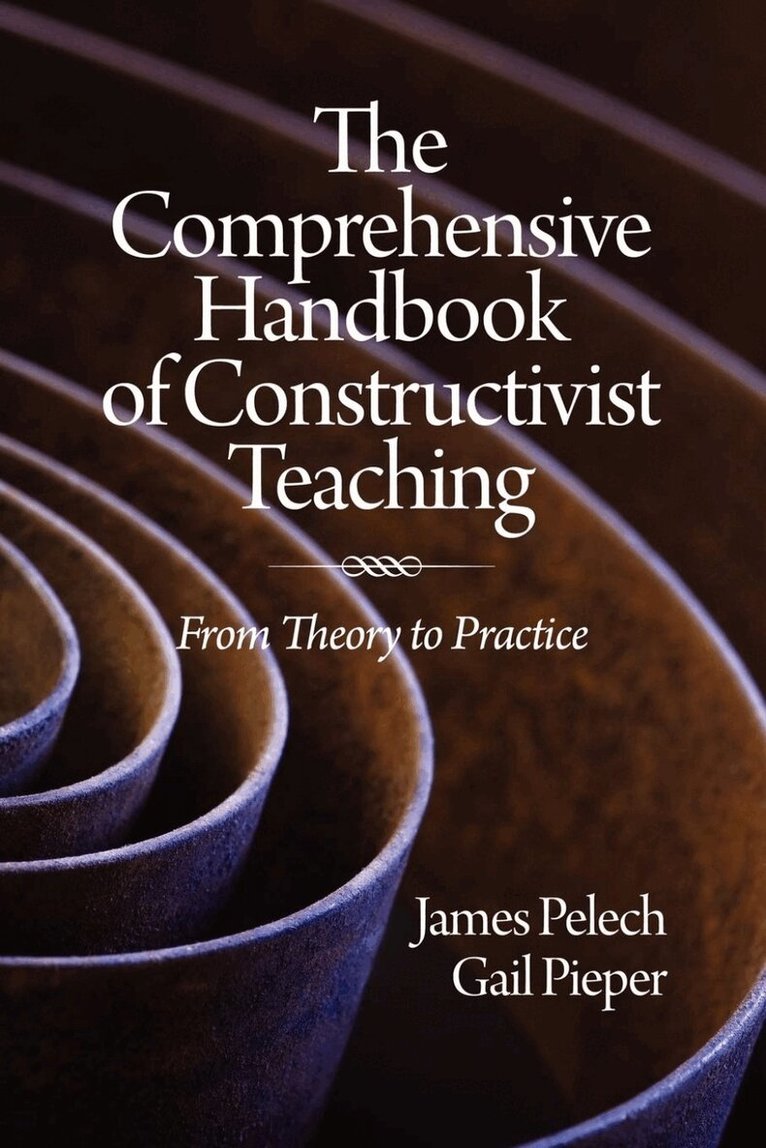
While many people talk about the Constructivist philosophy, there has not been a publication that provides a detailed description of what a Constructivist classroom sounds like and looks like. This book fills that void by examining the philosophy, translating it into teaching strategies, and providing over forty examples. These examples come from the elementary level up to and including the collegiate level, and include all content areas. These examples show how the Constructivist educator uses the linguistic mode, the visual mode, and the kinesthetic mode to create a class environment in which the Constructivist philosophy flourishes. Examples of student work are provided; the book also includes chapters on note-taking, Problem-Based Learning (PBL), action research, and other Constructivist resources.Written in user-friendly form, this book presents a concrete and step by step approach for translating the Constructivist philosophy into classroom practice. This book is intended for every Constructivist researcher, practitioner, and teacher-educator. The researcher and teacher-educator will benefit from topics such as the history of Constructivist thought, the principles of Constructivism and action research. This book is more than a list of recipes, and this will be beneficial to the practitioner. Starting with the principles of Constructivism, and bridging to four basic teaching strategies, the practitioner is guided on how to use different learning modes and “meta-strategies” to create a true Constructivist practice.An educator’s life is made up of one’s philosophy, teaching principles, daily strategies, resources, and research tools. This book provides an in-depth look, from the Constructivist perspective, at each one of these components. In every sense of the word, this book is truly “comprehensive.”
Inbunden, Engelska, 2010
979 kr
Skickas inom 5-8 vardagar
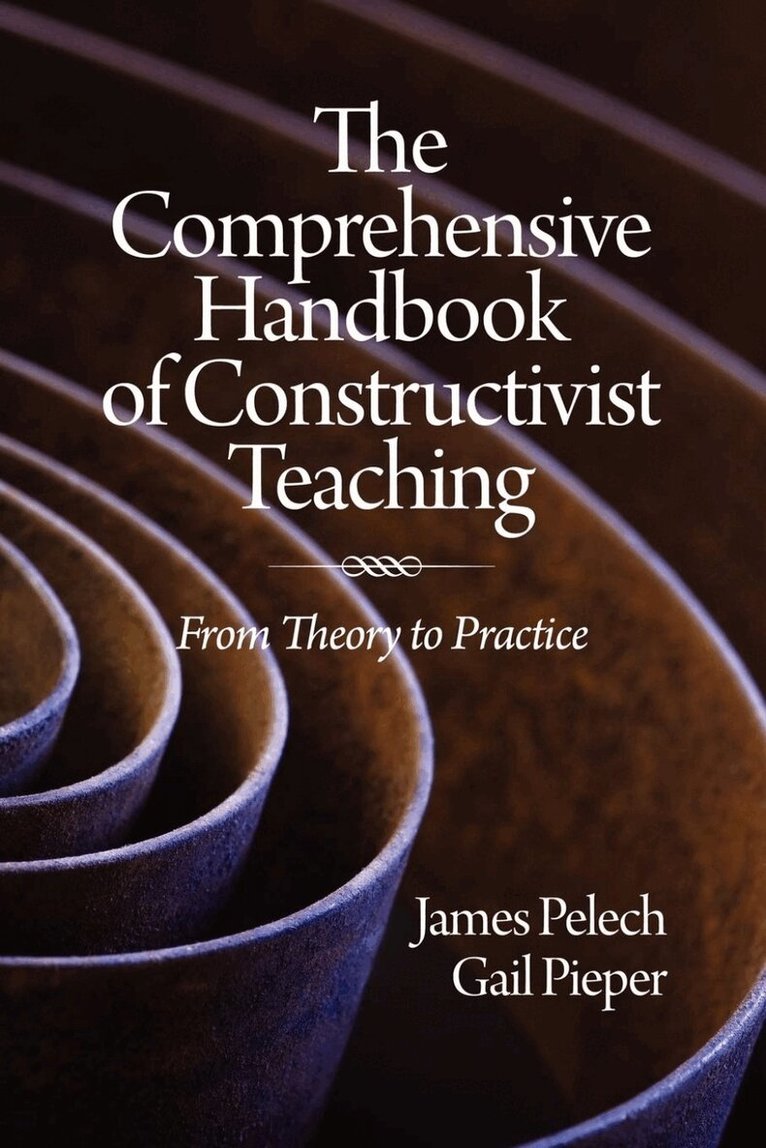
While many people talk about the Constructivist philosophy, there has not been a publication that provides a detailed description of what a Constructivist classroom sounds like and looks like. This book fills that void by examining the philosophy, translating it into teaching strategies, and providing over forty examples. These examples come from the elementary level up to and including the collegiate level, and include all content areas. These examples show how the Constructivist educator uses the linguistic mode, the visual mode, and the kinesthetic mode to create a class environment in which the Constructivist philosophy flourishes. Examples of student work are provided; the book also includes chapters on note-taking, Problem-Based Learning (PBL), action research, and other Constructivist resources.Written in user-friendly form, this book presents a concrete and step by step approach for translating the Constructivist philosophy into classroom practice. This book is intended for every Constructivist researcher, practitioner, and teacher-educator. The researcher and teacher-educator will benefit from topics such as the history of Constructivist thought, the principles of Constructivism and action research. This book is more than a list of recipes, and this will be beneficial to the practitioner. Starting with the principles of Constructivism, and bridging to four basic teaching strategies, the practitioner is guided on how to use different learning modes and “meta-strategies” to create a true Constructivist practice.An educator’s life is made up of one’s philosophy, teaching principles, daily strategies, resources, and research tools. This book provides an in-depth look, from the Constructivist perspective, at each one of these components. In every sense of the word, this book is truly “comprehensive.”
Häftad, Engelska, 2013
525 kr
Skickas inom 5-8 vardagar
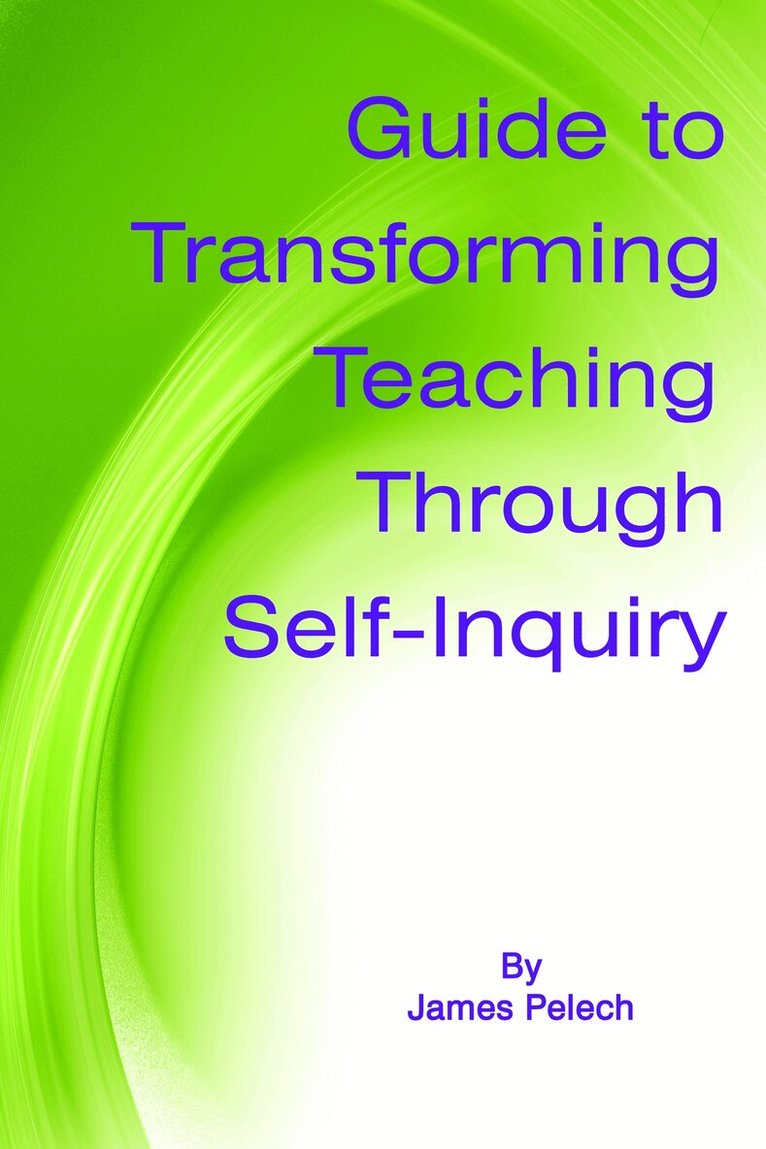
In the past twenty years, the importance of reflection has been recognized by all professions, especially the education profession. In the field of education, terms and practices such as reflective practice, action research, joumaling, collaborative observation, professional development, peer observation, and professional portfolios have become organizing units of discussion and practice.This book extends knowledge in the field, not just by providing prompts and examples of 'things to do,' but also by presenting an organized and cohesive system consisting of definitions, principles, and guidelines that can be used for all reflective practice activities. This system blends ideas and concepts from phenomenology, the Constructivist philosophy, experiential learning, critical reflection, theories on turning knowledge into action, and transformative learning. Moreover, the book creates a logical system for reflective practice that provides a foundation for a framework that organizes teacher transformation through reflection. This system is anchored by the practical examples provided, thus making this book practical for all those interested in improving student learning. The strength of this book is that it is not a recipe-type publication; rather it is a cohesive system which creates a rationale for the system, presents the system, and provides many examples. The intended audience includes practitioners, teacher educators, teacher candidates, and administrators.
Inbunden, Engelska, 2013
979 kr
Skickas inom 5-8 vardagar
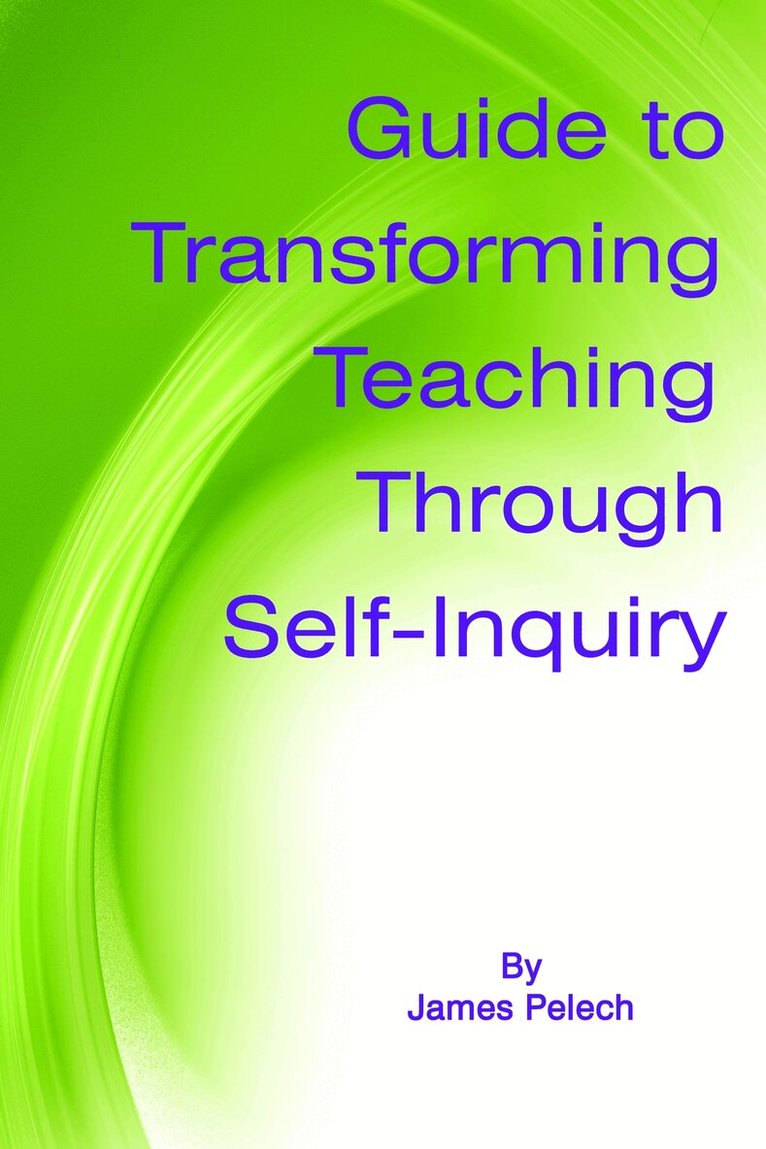
In the past twenty years, the importance of reflection has been recognized by all professions, especially the education profession. In the field of education, terms and practices such as reflective practice, action research, joumaling, collaborative observation, professional development, peer observation, and professional portfolios have become organizing units of discussion and practice.This book extends knowledge in the field, not just by providing prompts and examples of 'things to do,' but also by presenting an organized and cohesive system consisting of definitions, principles, and guidelines that can be used for all reflective practice activities. This system blends ideas and concepts from phenomenology, the Constructivist philosophy, experiential learning, critical reflection, theories on turning knowledge into action, and transformative learning. Moreover, the book creates a logical system for reflective practice that provides a foundation for a framework that organizes teacher transformation through reflection. This system is anchored by the practical examples provided, thus making this book practical for all those interested in improving student learning. The strength of this book is that it is not a recipe-type publication; rather it is a cohesive system which creates a rationale for the system, presents the system, and provides many examples. The intended audience includes practitioners, teacher educators, teacher candidates, and administrators.
Häftad, Engelska, 2021
524 kr
Skickas inom 5-8 vardagar
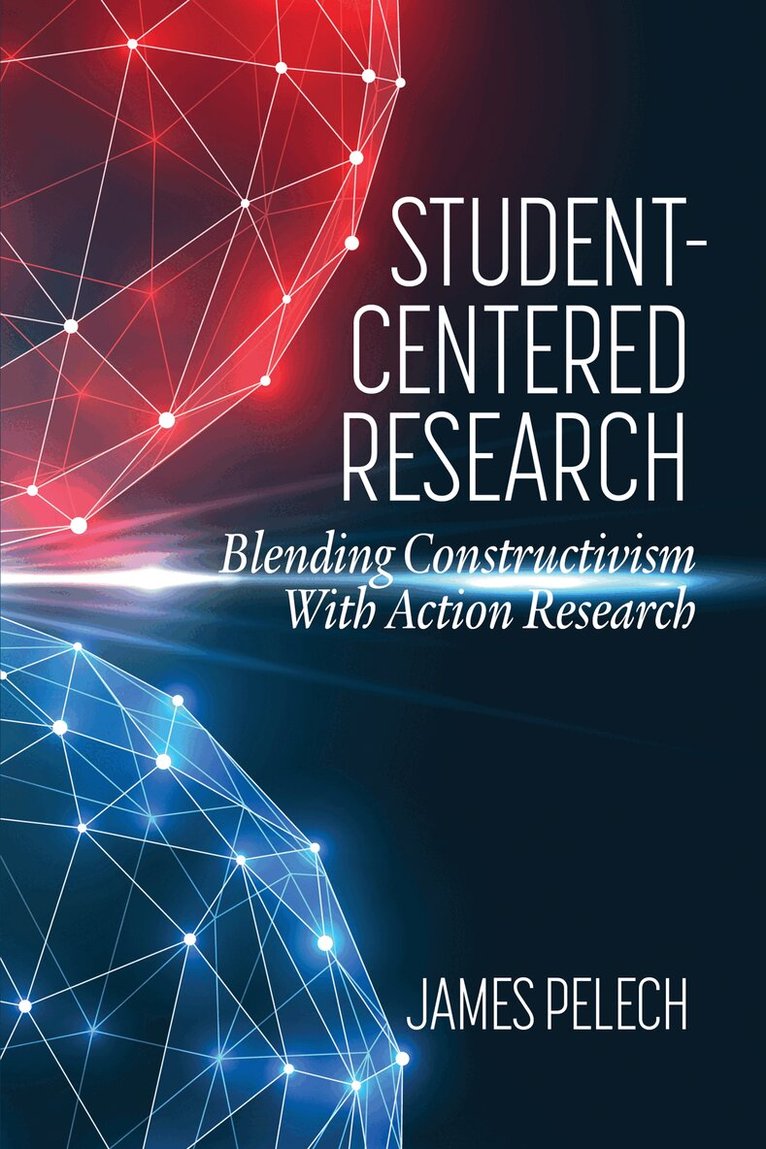
Teachers increasingly are being charged to conduct research on teaching and learning in their classes. Action research is an instrument that teachers can use for their particular classroom to meet this charge. While traditional research provides effective guidelines for teaching and learning, its generalized format does not take into consideration the multitude of variables that affect individual classrooms and students. Action research enables the teacher to improve the learning of the students in their particular context; this, in turn, improves the professional practice of the teacher.The uniqueness of the model presented in this book is that this model is guided by specific constructivist principles. These principles are then transformed into learning strategies and applied to the action research cycle. Each stage of the action research process also is steered by prompts emanating from the constructivist philosophy. The prompts provide questions that the teacher can use to examine current practices and consider new approaches.The blending of constructivism and action research enables the teacher to create a new cognitive framework for understanding and enhancing student learning . This book provides a guide for combining two important traditions resulting in a research platform which creates new knowledge about both students and teachers.
Inbunden, Engelska, 2021
977 kr
Skickas inom 5-8 vardagar
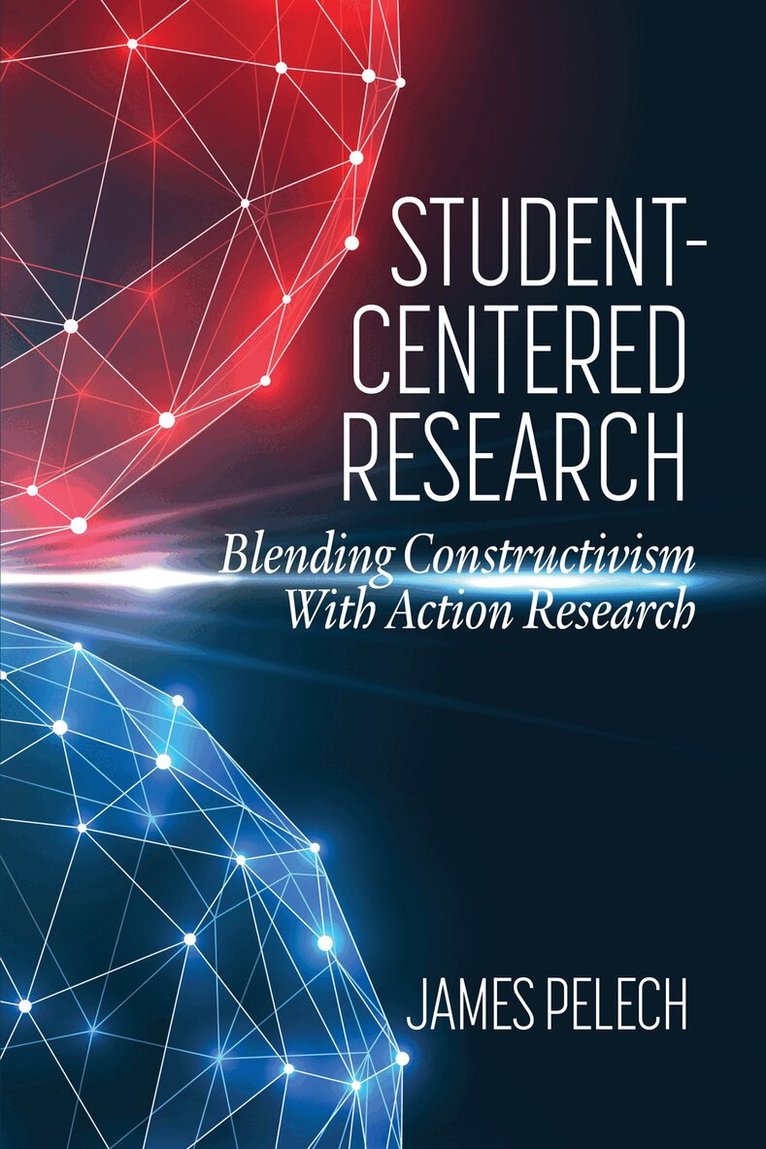
Teachers increasingly are being charged to conduct research on teaching and learning in their classes. Action research is an instrument that teachers can use for their particular classroom to meet this charge. While traditional research provides effective guidelines for teaching and learning, its generalized format does not take into consideration the multitude of variables that affect individual classrooms and students. Action research enables the teacher to improve the learning of the students in their particular context; this, in turn, improves the professional practice of the teacher.The uniqueness of the model presented in this book is that this model is guided by specific constructivist principles. These principles are then transformed into learning strategies and applied to the action research cycle. Each stage of the action research process also is steered by prompts emanating from the constructivist philosophy. The prompts provide questions that the teacher can use to examine current practices and consider new approaches.The blending of constructivism and action research enables the teacher to create a new cognitive framework for understanding and enhancing student learning . This book provides a guide for combining two important traditions resulting in a research platform which creates new knowledge about both students and teachers.
Häftad, Engelska, 2025
718 kr
Skickas inom 5-8 vardagar
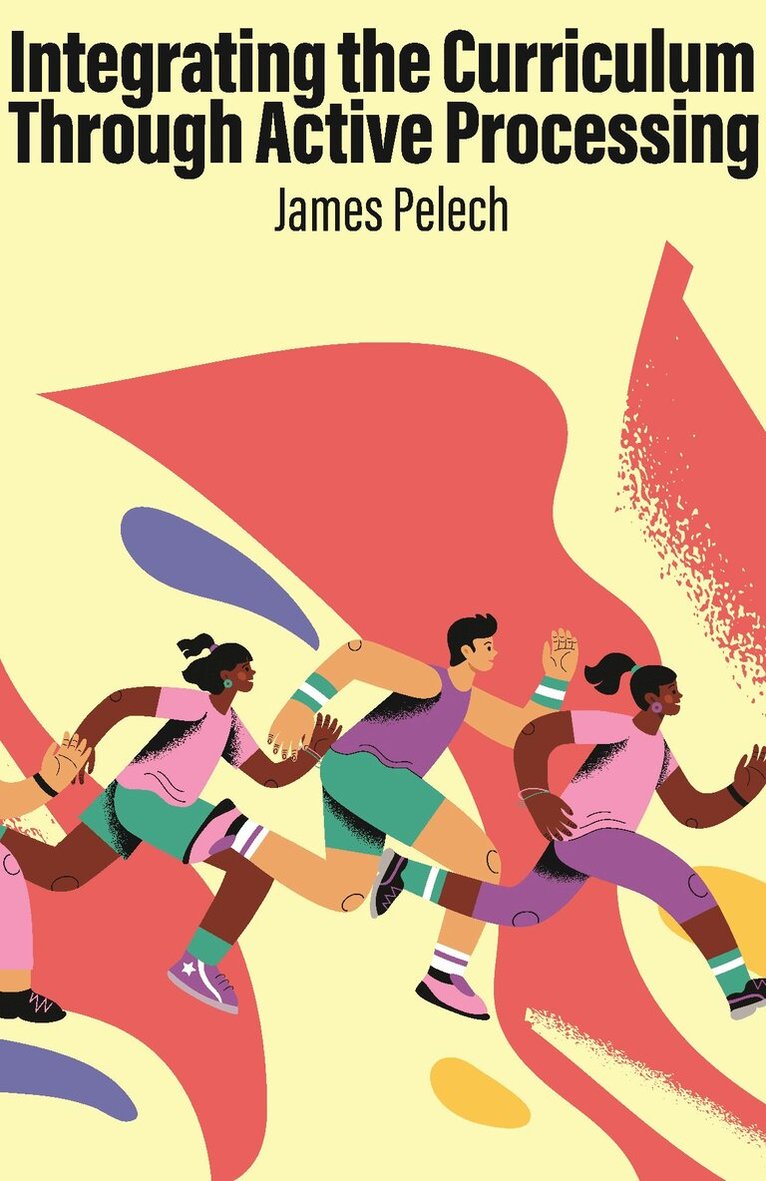
The purpose of the book is to present a different perspective on curricular theory. This book extends knowledge in the Education fields of Curricular Theory and Learning; it does this by directly blending the concepts of Active Processing and the Integrated Curriculum. The active processing of knowledge and the Integrated Curriculum are interrelated and interdependent on each other, and the book leads the reader to experience this connection by asking the reader to participate in numerous Learning Activities. A unique feature of this book is that it presents an environment for readers to develop their own version of the Integrated Curriculum (as opposed to just feeding the reader concepts through a top-down approach) by using the Learning Activities to connect learning theory with curricular theory. This book utilizes Active Processing, an application of the Constructivist philosophy to enable the learning of the Integrated Curriculum an “audience participation” endeavor.In addition to the concepts discussed in the above paragraphs, the book provides discusses and provides: 1. Specific examples of how to choose topics for the Integrated Curriculum; 2. Suggestions for developing lesson plans; 3. Examples of professional schools using and supporting the Integrated Curriculum; 4.Presenting and discussing a model for motivating faculty and colleagues to implement the Integrated Curriculum.
Inbunden, Engelska, 2025
1 171 kr
Skickas inom 5-8 vardagar
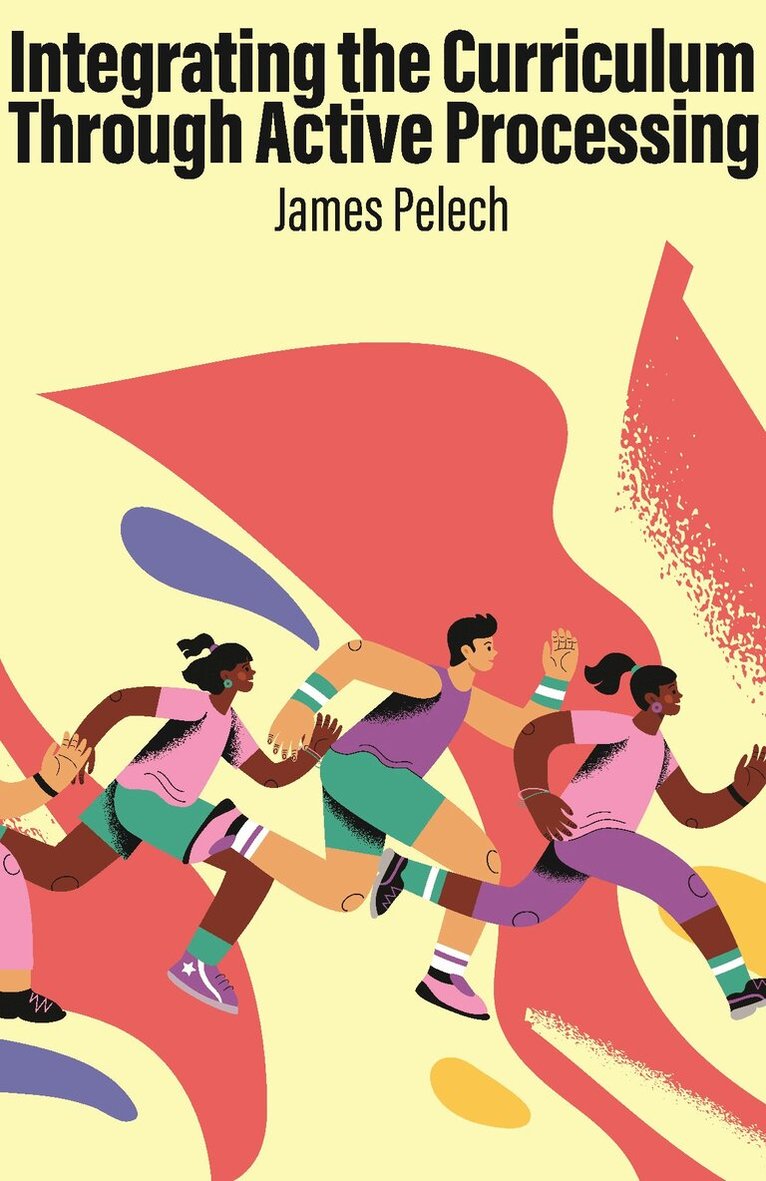
The purpose of the book is to present a different perspective on curricular theory. This book extends knowledge in the Education fields of Curricular Theory and Learning; it does this by directly blending the concepts of Active Processing and the Integrated Curriculum. The active processing of knowledge and the Integrated Curriculum are interrelated and interdependent on each other, and the book leads the reader to experience this connection by asking the reader to participate in numerous Learning Activities. A unique feature of this book is that it presents an environment for readers to develop their own version of the Integrated Curriculum (as opposed to just feeding the reader concepts through a top-down approach) by using the Learning Activities to connect learning theory with curricular theory. This book utilizes Active Processing, an application of the Constructivist philosophy to enable the learning of the Integrated Curriculum an “audience participation” endeavor.In addition to the concepts discussed in the above paragraphs, the book provides discusses and provides: 1. Specific examples of how to choose topics for the Integrated Curriculum; 2. Suggestions for developing lesson plans; 3. Examples of professional schools using and supporting the Integrated Curriculum; 4.Presenting and discussing a model for motivating faculty and colleagues to implement the Integrated Curriculum.