
James R. Swensen – författare
Visar alla böcker från författaren James R. Swensen. Handla med fri frakt och snabb leverans.
2 produkter
2 produkter
387 kr
Skickas inom 7-10 vardagar
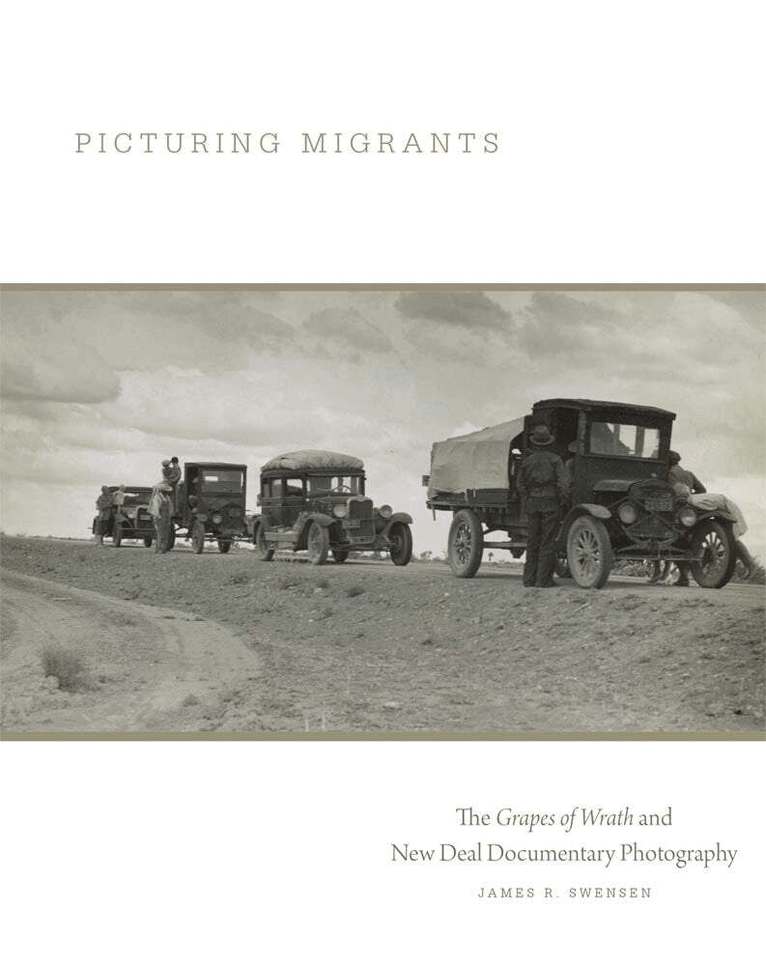
As time passes, personal memories of the Great Depression die with those who lived through the desperate 1930s. In the absence of firsthand knowledge, John Steinbeck’s The Grapes of Wrath and the photographs produced for the New Deal’s Farm Security Administration (FSA) now provide most of the images that come to mind when we think of the 1930s. That novel and those photographs, as this book shows, share a history. Fully exploring this complex connection for the first time, Picturing Migrants offers new insight into Steinbeck’s novel and the FSA’s photography—and into the circumstances that have made them enduring icons of the Depression.Looking at the work of Dorothea Lange, Horace Bristol, Arthur Rothstein, and Russell Lee, it is easy to imagine that these images came straight out of the pages of The Grapes of Wrath. This should be no surprise, James R. Swensen tells us, because Steinbeck explicitly turned to photographs of the period to create his visceral narrative of hope and loss among Okie migrants in search of a better life in California. When the novel became an instant best seller upon its release in April 1939, some dismissed its imagery as pure fantasy. Lee knew better and traveled to Oklahoma for proof. The documentary pictures he produced are nothing short of a photographic illustration of the hard lives and desperate reality that Steinbeck so vividly portrayed. In Picturing Migrants, Swensen sets these lesser-known images alongside the more familiar work of Lange and others, giving us a clearer understanding of the FSA’s work to publicize the plight of the migrant in the wake of the novel and John Ford’s award-winning film adaptation.A new perspective on an era whose hardships and lessons resonate to this day, Picturing Migrants lets us see as never before how a novel and a series of documentary photographs have kept the Great Depression unforgettably real for generation after generation.
432 kr
Skickas inom 7-10 vardagar
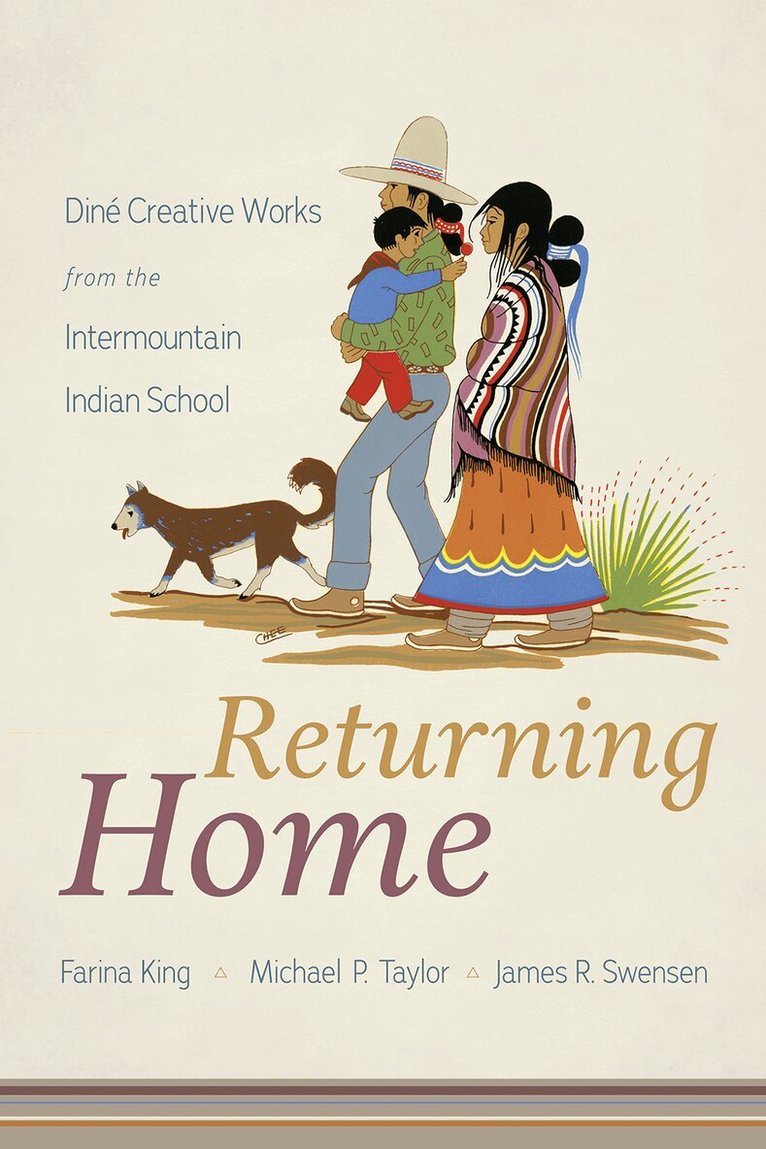
Returning Home features and contextualizes the creative works of Diné (Navajo) boarding school students at the Intermountain Indian School, which was the largest federal Indian boarding school between 1950 and 1984. Diné student art and poetry reveal ways that boarding school students sustained and contributed to Indigenous cultures and communities despite assimilationist agendas and pressures.This book works to recover the lived experiences of Native American boarding school students through creative works, student interviews, and scholarly collaboration. It shows the complex agency and ability of Indigenous youth to maintain their Diné culture within the colonial spaces that were designed to alienate them from their communities and customs. Returning Home provides a view into the students’ experiences and their connections to Diné community and land. Despite the initial Intermountain Indian School agenda to send Diné students away and permanently relocate them elsewhere, Diné student artists and writers returned home through their creative works by evoking senses of Diné Bikéyah and the kinship that defined home for them.Returning Home uses archival materials housed at Utah State University, as well as material donated by surviving Intermountain Indian School students and teachers throughout Utah, Arizona, and New Mexico. Artwork, poems, and other creative materials show a longing for cultural connection and demonstrate cultural resilience. This work was shared with surviving Intermountain Indian School students and their communities in and around the Navajo Nation in the form of a traveling museum exhibit, and now it is available in this thoughtfully crafted volume. By bringing together the archived student arts and writings with the voices of living communities, Returning Home traces, recontextualizes, reconnects, and returns the embodiment and perpetuation of Intermountain Indian School students’ everyday acts of resurgence.